
Imagine waking up to find your trash scattered across the yard, bird feeders torn down, or muddy paw prints leading across your porch. While these encounters can be startling, they often signal the presence of what wildlife professionals call a nuisance bear—a bear that has learned to associate people and neighborhoods with easy sources of food.
Understanding the Rise in Nuisance Bears
Across North America and beyond, recent news stories have documented bears wandering through neighborhoods, breaking into homes and garages, raiding trash bins, and becoming increasingly comfortable around people. Communities from New England to California have reported a rise in bear encounters, prompting wildlife agencies to remind residents that many of these incidents are driven not by aggressive bears, but by easy access to human food and other attractants. As human development continues to expand into bear habitat, encounters between people and bears have become more common. According to the National Park Service's overview of threats to bears, housing, roads, and other development fragment bear habitat and increase the likelihood that bears will venture into populated areas in search of food. Growing outdoor recreation also places more people in bear country, creating additional opportunities for encounters.
In some regions, drought and shortages of natural foods such as berries, acorns, and pine nuts can further push bears toward neighborhoods and campgrounds. Research published by the U.S. Geological Survey on black bear foraging near human developments show that bears readily learn to exploit human food sources and often return repeatedly once rewarded. This food conditioning increases the likelihood of conflicts with people and is one of the primary reasons bears become classified as "nuisance" bears. Understanding why bears become nuisances is the first step toward preventing conflicts, protecting property, and, most importantly, keeping bears wild and safe.

How Can You Prevent Nuisance Bears?
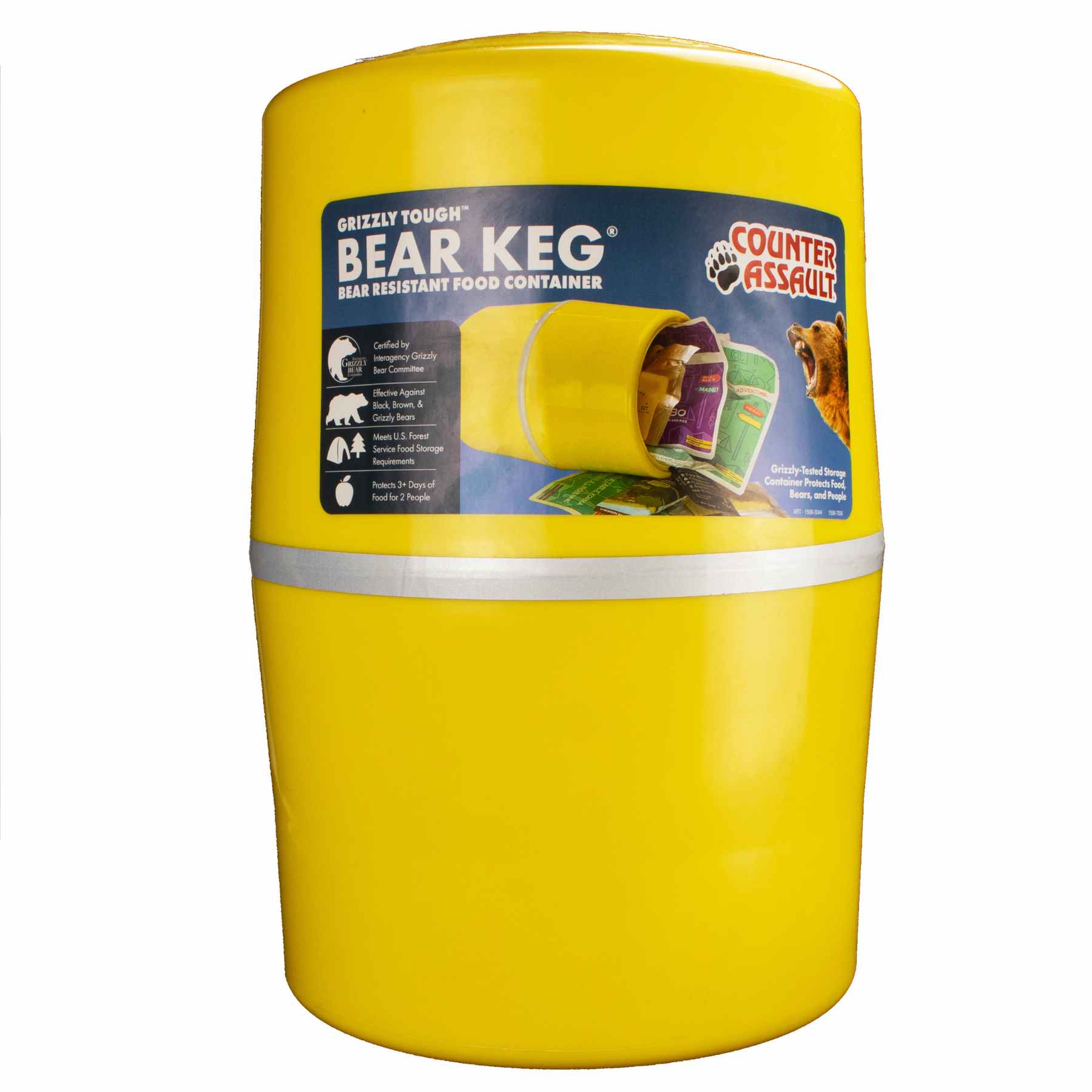
Preventing nuisance bear conflicts begins with one simple principle: don't reward bears with food. Wildlife experts agree that removing and securing attractants is the single most effective way to keep bears from returning to homes and neighborhoods. Store garbage and recycling in bear-resistant containers or secure buildings until collection day, bring bird feeders indoors during bear season, keep pet food and livestock feed inside, clean barbecue grills after every use, and promptly harvest ripe fruit from trees. For gardens, chicken coops, beehives, and other outdoor food sources that cannot be removed, properly installed electric fencing has proven to be one of the most effective long-term deterrents.
What to do if a Bear Enters Your Yard
If a bear is calmly feeding in your yard and has a clear escape route, wildlife professionals recommend making loud noises from a safe location to reinforce the bear's natural fear of people, while always ensuring the animal has a clear escape route. However, never approach the bear or corner it, and always follow guidance from your local wildlife agency. Motion-activated lights, alarms, and other scare devices can provide temporary assistance, but they work best when paired with diligent attractant management. The goal is not to harm bears, but to teach them that neighborhoods offer no easy meals. By consistently removing food rewards and responding appropriately to bear visits, homeowners can help prevent nuisance behavior, reduce property damage, and protect bears from becoming habituated to people—a situation that too often ends with the animal being relocated or euthanized.
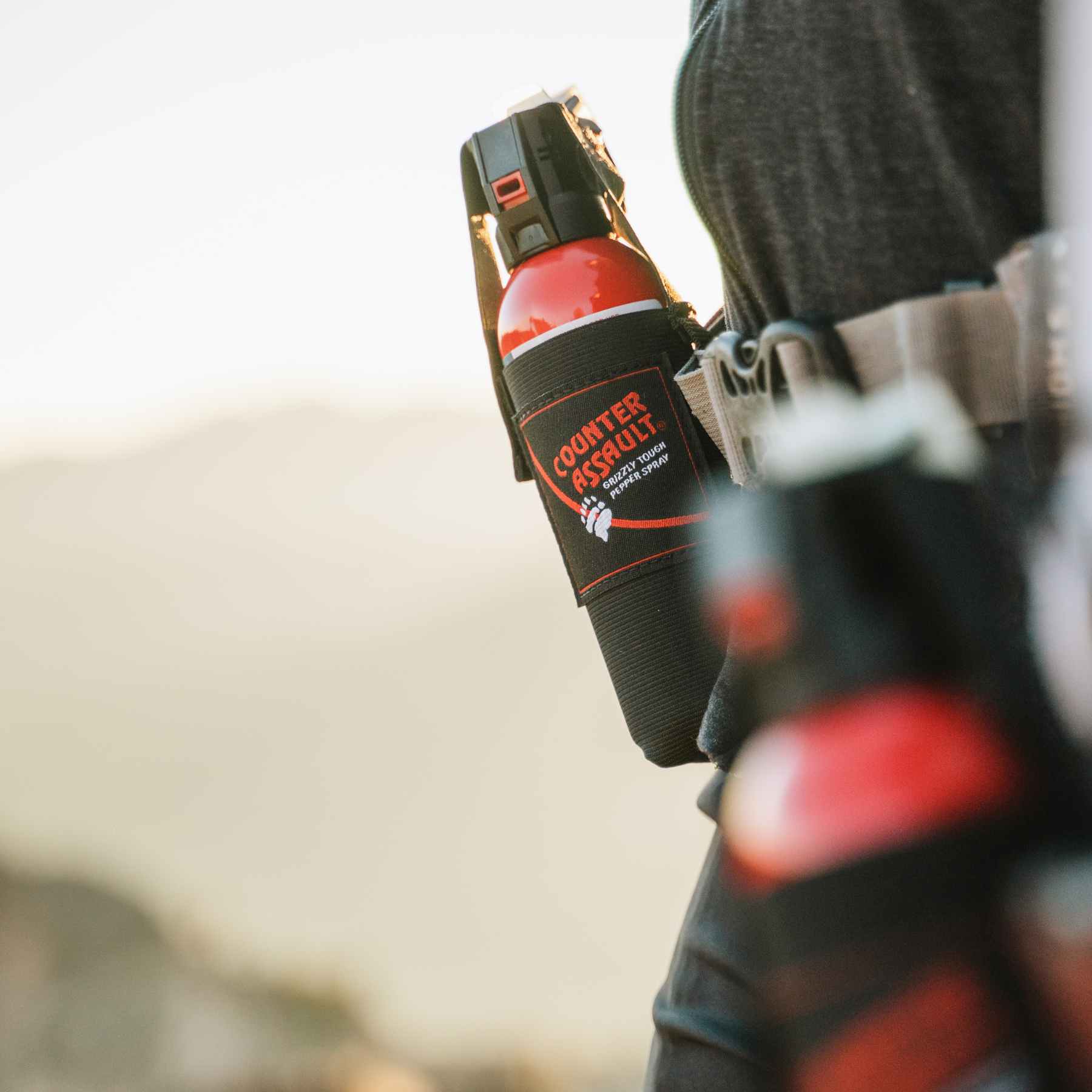
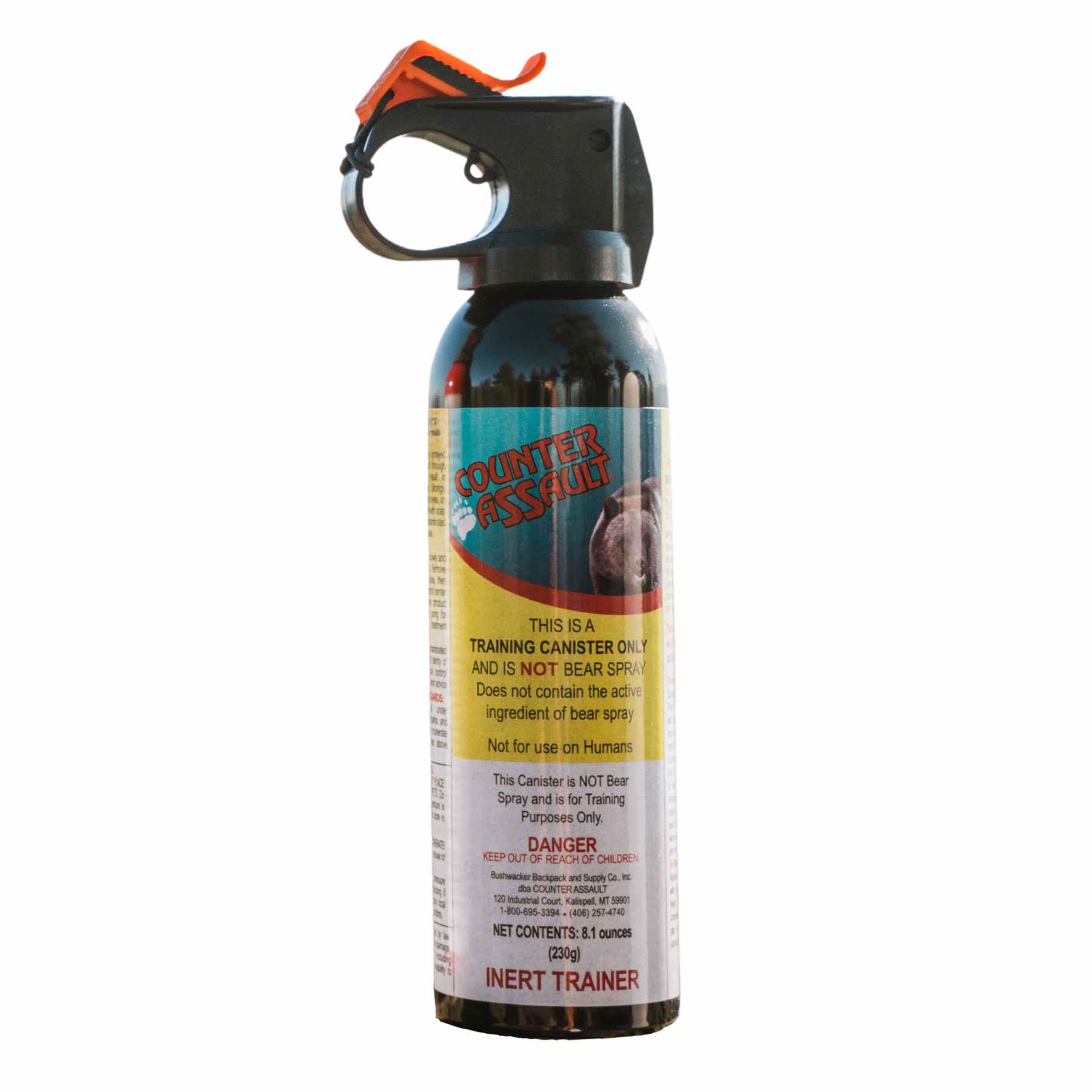
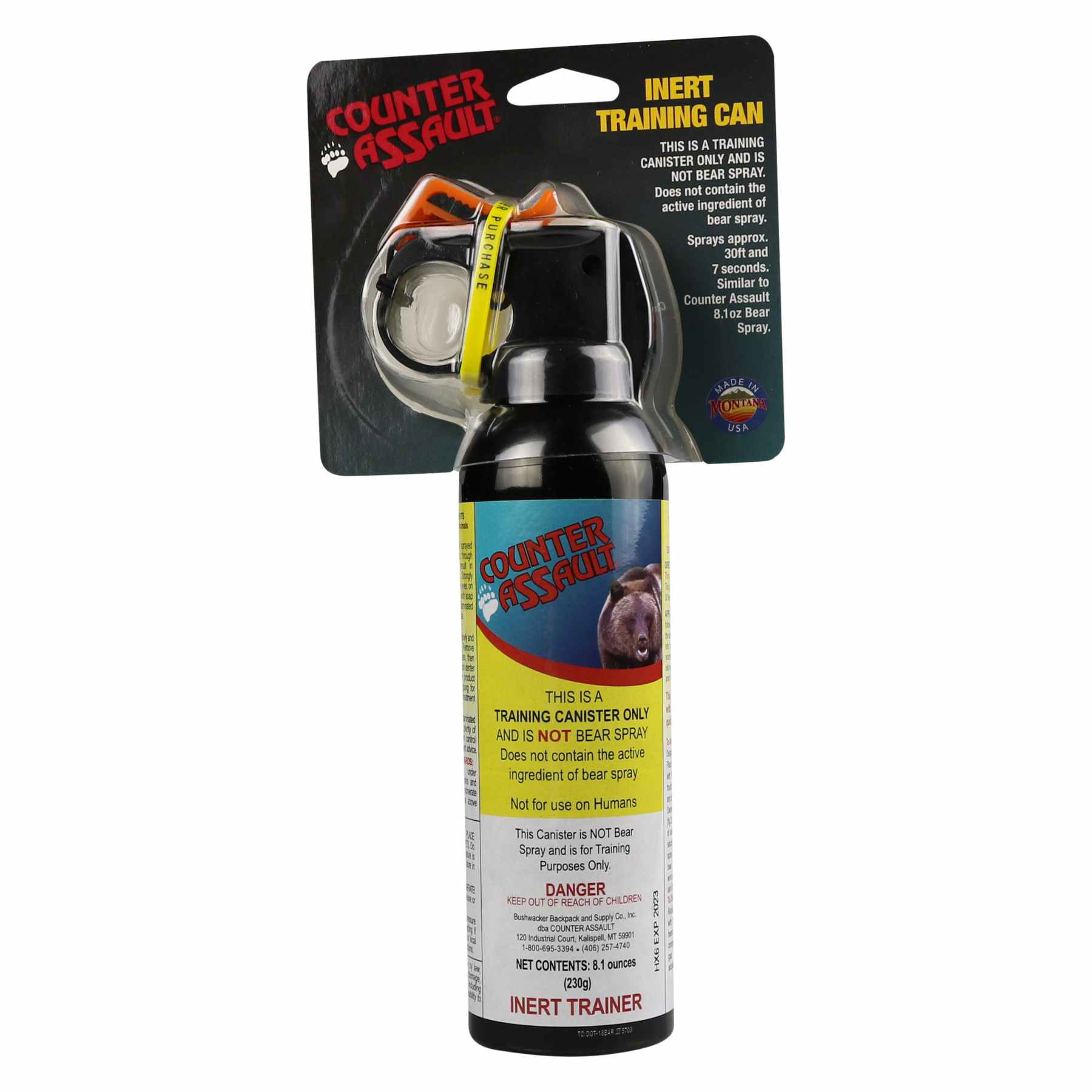
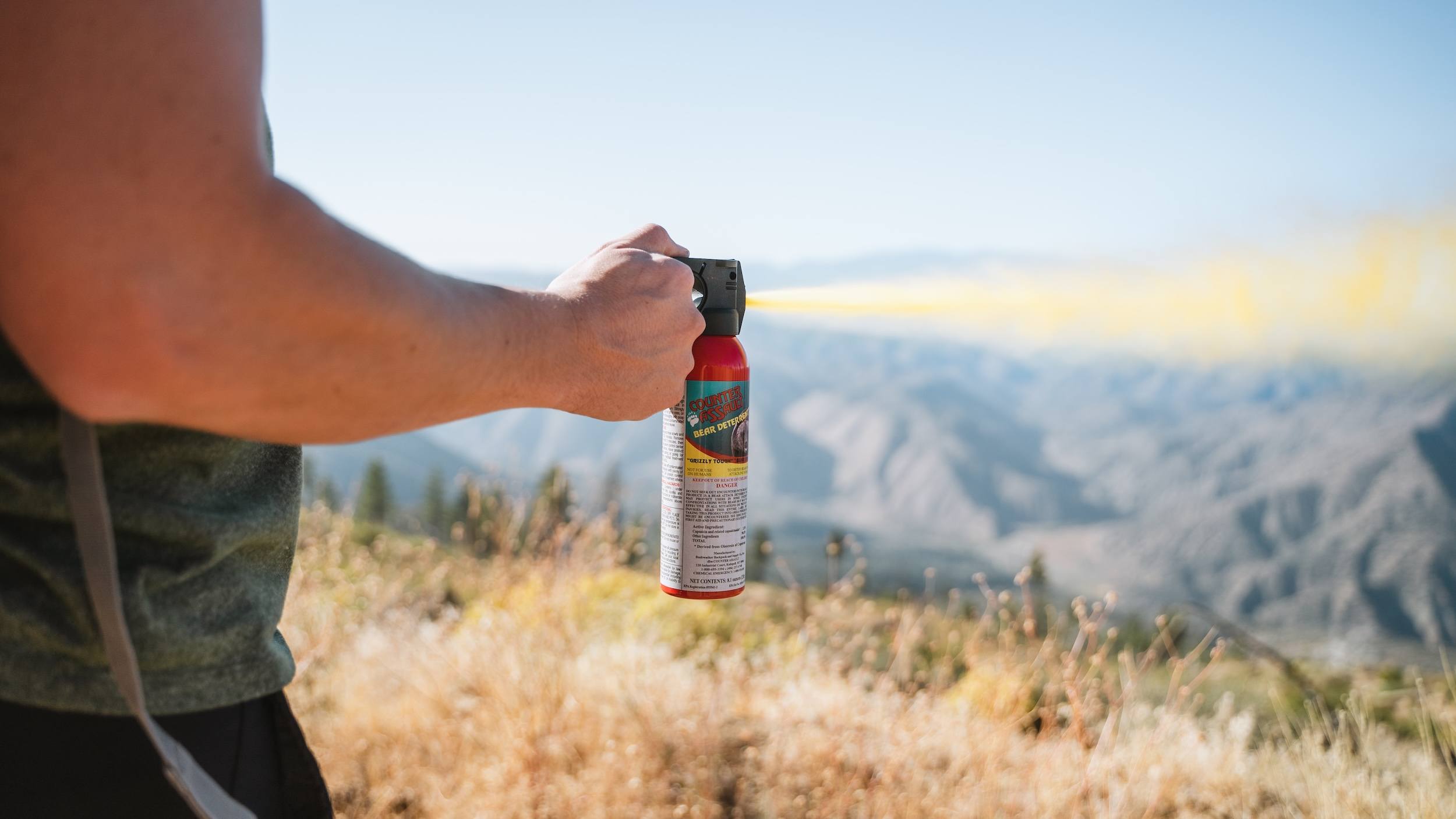
Despite taking every precaution, there are rare situations where a bear may continue to approach or behave aggressively, leaving no safe opportunity to retreat. In these scenarios, bear spray can be a highly effective, non-lethal tool for stopping a charging or attacking bear. Wildlife professionals recommend carrying bear spray whenever recreating or working in bear country and knowing how to use it before an emergency occurs.
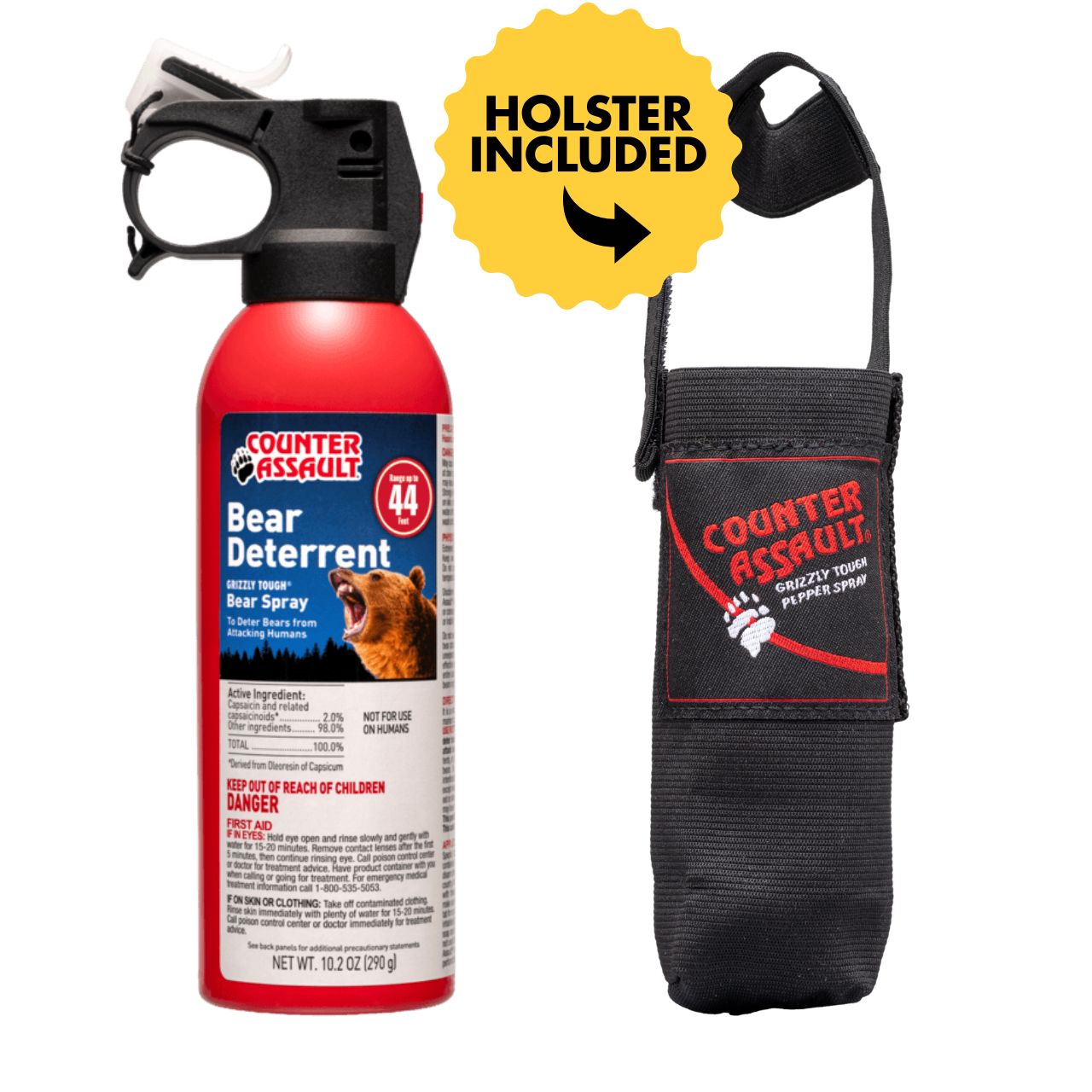
Products such as Counter Assault Bear Deterrent are designed to create a powerful cloud of capsaicin that temporarily irritates a bear's eyes, nose, and lungs, giving the person time to leave the area safely while allowing the bear to recover without lasting injury.
Bear spray should only be deployed when a bear poses an immediate threat and is within effective range, never as a means of discouraging a bear that is simply passing through or feeding at a distance. After using bear spray, leave the area as quickly and calmly as possible, report the incident to local wildlife authorities if appropriate, and avoid returning until it is safe to do so. While bear spray is one of the most effective last lines of defense, it is no substitute for preventing encounters in the first place by securing attractants and giving bears the space they need to remain wild.

Protecting Bears & Communities
Nuisance bears are created when repeated access to human food teaches them that neighborhoods, campsites, and communities are easy places to find a meal. The good news is that most bear conflicts are preventable through responsible attractant management, public awareness, and respect for wildlife. By securing garbage, removing food sources, and responding appropriately to bear activity, we can help keep bears healthy, wild, and wary of people. At the same time, anyone who lives, works, or recreates in bear country should be prepared for the unexpected.
Carrying a trusted bear deterrent, such as Counter Assault Bear Deterrent, provides an important layer of protection should a defensive encounter escalate into a genuine emergency. The best outcome for both people and bears is one in which bear spray never has to be used—but when prevention isn't enough, being prepared can make all the difference. Protect your home, protect yourself, and help keep bears where they belong: wild.
More questions about bears? Read more about bear spray facts and bear safety from Counter Assault.