
A coyote sighting rarely starts as a dramatic event. It usually starts on a normal dog walk, a quiet trail, or a trip to the trash cans after dark. The animal is standing still, watching, and trying to decide whether people in that area act like a threat or like background noise.
This is the core issue. How to protect yourself from coyotes is less about fighting an animal and more about preventing familiarity, removing easy rewards, and responding with the right level of pressure when one comes too close. Most encounters stay manageable when people stay calm and act early.
This approach matters for dog walkers, solo hikers, families near greenbelts, and anyone who moves between neighborhoods and wild edges. A strong plan starts at home, continues on the trail, and ends with a clear last-resort option if a coyote keeps advancing.
Table of Contents
Understanding the Modern Coyote Encounter
Coyotes now show up in places where people once assumed they would stay hidden. Edge habitats, suburban trails, drainage corridors, golf courses, parks, and neighborhoods with outdoor food sources all create easy travel lanes and easy rewards.

A calm response starts with perspective. Coyote attacks on humans remain extremely rare, with fewer than 200 documented cases in North America since records began in the early 1900s, and most are avoidable through behavior changes, according to Ohio Coyote Project guidance on avoiding conflict.
That does not mean complacency is smart. Bold behavior around pets, yards, and walking routes often grows when coyotes find food, shelter, or people who back away every time.
Why some encounters escalate
A coyote that crosses a trail and keeps moving is one kind of encounter. A coyote that stops, shadows a dog, lingers near a yard, or returns night after night is a different problem.
Three conditions tend to matter most:
- Easy food: Trash, pet food, fallen fruit, birdseed, and unsecured compost teach coyotes to check human spaces.
- Cover close to homes: Brush, woodpiles, overgrown fence lines, and neglected edges give them confidence.
- Inconsistent human response: If one neighbor hazes and another ignores or feeds, the coyote gets mixed signals.
Key takeaway: The safest encounter is the one prevented before the coyote decides people, pets, or yards are worth investigating.
People often focus only on the moment of contact. The stronger approach is tiered. First remove attractants. Then use good walking habits. If contact happens, haze immediately. If a coyote keeps closing distance, shift to a stronger non-lethal deterrent.
Coyote-Proofing Your Space and Securing Pets
The most dependable protection starts before anyone opens the front door. Coyotes investigate places that offer calories, cover, and predictable access. If those three things disappear, the property becomes less interesting fast.

Remove what brings coyotes in
Habitat work is not glamorous, but it works. Securing food sources and clearing brush can achieve an 80-95% reduction in conflicts, according to Broomfield’s recommended coyote mitigation techniques.
That starts with a blunt audit of the yard:
- Trash and compost: Use tight lids and do not leave bags outside the container.
- Pet feeding habits: Bring bowls indoors. Do not leave food or treats on porches overnight.
- Fruit, seed, and scraps: Pick up fallen fruit and spilled birdseed. Clean grills and outdoor eating areas.
- Cover near fences: Thin brush, mow tall grass, and break up hiding spots around corners and sheds.
Motion-activated lights and sprinklers can help, especially when paired with cleanup and trimming. They are not a substitute for sanitation. They work better as a layer, not a fix.
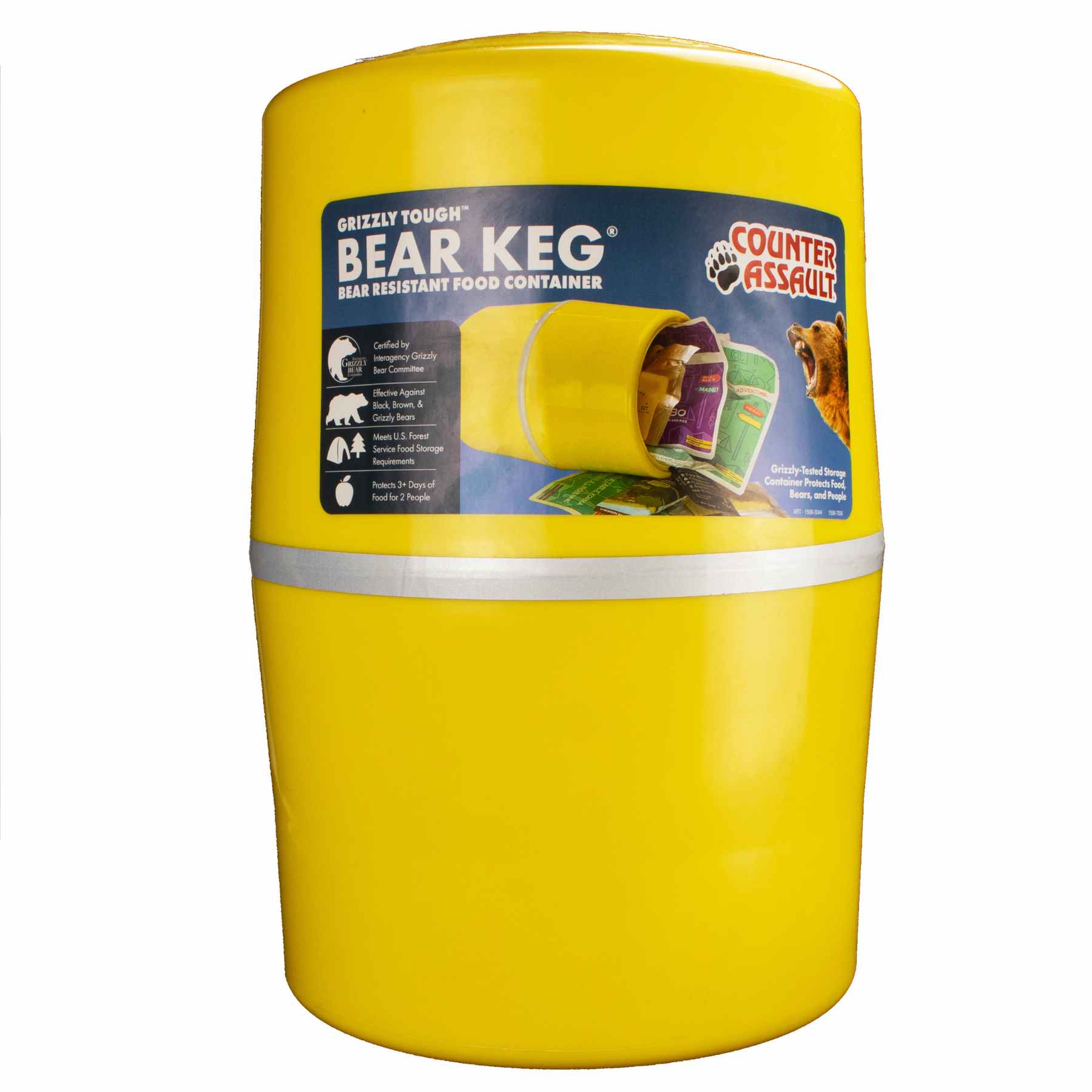
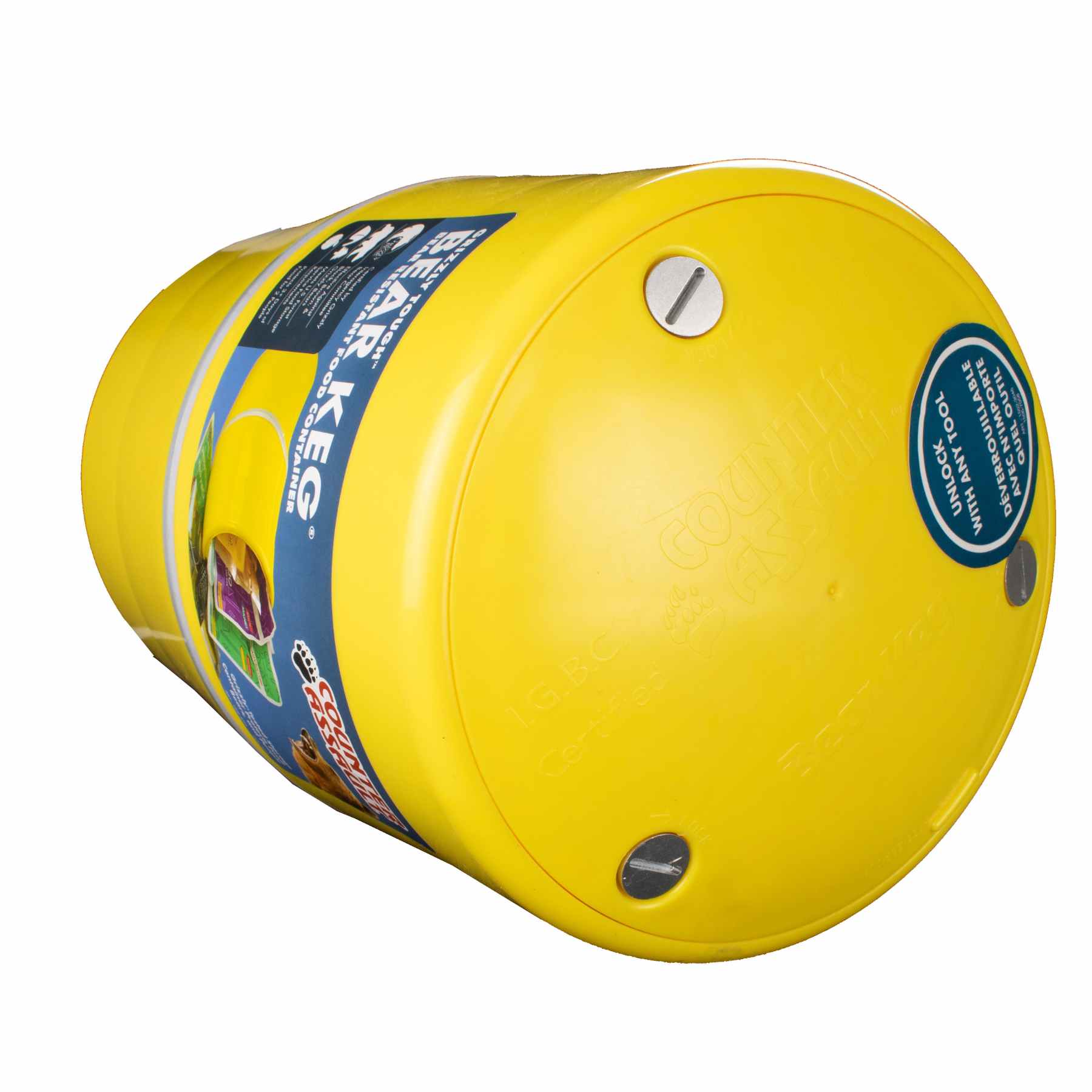
For households that store food for camping or overlanding, keeping strong-smelling items controlled matters too. A dedicated system like bear-resistant food containers can help reduce attractants around garages, camps, and outdoor staging areas.
Build barriers that work
A decorative fence is not the same as a coyote barrier. For maximum security, install a coyote-proof fence at least 6 feet tall with a roll top, and bury wire 18-24 inches to block digging, based on the same Broomfield mitigation guidance.
In higher-pressure areas, fence details matter:
| Property feature | What works better | What fails often |
|---|---|---|
| Fence height | 6-foot fencing with top modification | Short fences coyotes can clear |
| Fence top | Roll top or outward bend | Flat tops that invite climbing |
| Fence base | Buried wire | Open gaps at soil line |
| Yard layout | Clear sightlines | Dense edge cover |
If pets spend time outside, supervision still matters. A fence reduces access. It does not replace watching the animal.
Small dogs should not be left out unattended at dawn, dusk, or overnight. In homes that need a contained outdoor setup, sturdy secure dog kennels can add another layer for managed outdoor time, especially when the kennel is placed inside a fenced area rather than used as a stand-alone solution.
Practical rule: If a yard contains food, hiding cover, and a diggable fence line, a coyote will keep testing it.
Safe Practices for Hiking and Walking in Coyote Country
A trail encounter is often shaped before the coyote is ever visible. Pace, leash handling, sightlines, and attention all affect whether the animal slips away or decides to hold ground.

Keep the encounter from starting
The simplest field habits are still the most useful.
- Stay alert near edges: Coyotes use brush lines, creek bottoms, culverts, and trail junctions as travel routes.
- Do not let dogs range ahead: Pasadena Humane guidance cited in Canada College safety material recommends 6-foot fixed leads and avoiding retractable leashes because control drops when a coyote appears close by, as noted in this coyote safety PDF.
- Give corners and thick cover extra respect: A little noise before entering blind spots helps avoid surprise encounters.
- Keep children close: If a coyote appears, adults need to become the barrier immediately.
Dog walkers often underestimate leash length. A long line or retractable leash creates slack, distance, and panic when a coyote tests the dog. A short fixed leash keeps the pet at heel and gives the handler options.
For route planning, especially in places with mixed-use parks and foothill trails, local roundups of dog-friendly hikes Colorado offers can help walkers choose areas that fit a dog’s temperament and the handler’s control level.
Carry gear you can reach fast
Readiness matters more than carrying a lot of gear. The most useful items are the ones a person can get into hand without fumbling.
A compact outdoor kit should include:
- A noisemaker: Whistle or air horn.
- A fixed leash: Better control in a fast-moving encounter.
- A basic first-aid kit: For routine cuts, scrapes, and pet-handling mishaps. Outdoor-focused options from Adventure Medical Kits fit this role well.
- Reliable light: Low-light visibility helps on evening walks and around camps. A compact option from LuminAID is useful for trails, camps, and vehicle kits.
A quick visual overview can help reinforce what calm trail movement looks like in practice.
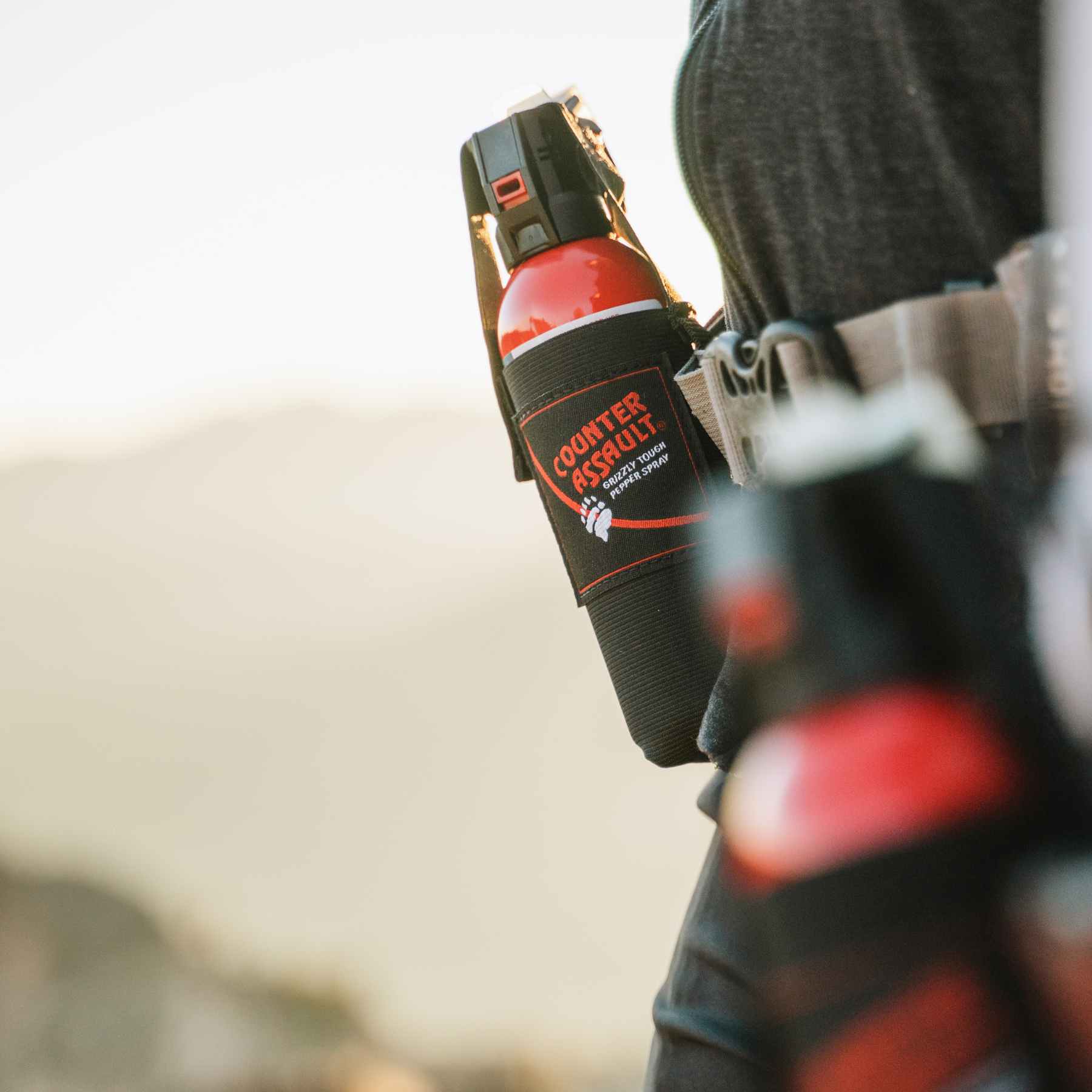
Gear should be carried where a hand can find it under stress. A deterrent buried in a pack is late. A whistle clipped to a strap is available.
The Hazing Playbook for a Non-Aggressive Encounter
When a coyote stops and watches instead of leaving, the job is to make staying uncomfortable. That response is called hazing, and it works because it reinforces a coyote’s natural caution around people.
Running does the opposite. Wildlife guidance is clear: never run from a coyote, because it can trigger a chase instinct, and yelling, waving arms, and approaching succeeds in over 90% of encounters when paired with assertive posture, according to Ohio Coyote Project conflict-avoidance guidance. Most documented attacks are avoidable through those behavior changes.
What effective hazing looks like
A useful hazing sequence is progressive, not random.
- Stop and face the animal. Do not turn sideways and drift off as if yielding space.
- Get bigger. Raise arms, hold out a jacket, or open an umbrella if one is in hand.
- Use voice immediately. Short, forceful yelling works better than nervous talking.
- Advance a few steps if safe. The point is to reclaim ground.
- Keep pets and children behind the adult barrier. Pick up small pets or children when possible.
The psychology is straightforward. A coyote that is testing distance is looking for hesitation. Loud movement, direct pressure, and forward motion tell it the space is defended.
What usually goes wrong
Most failed hazing attempts break down in one of four ways:
- Backing away too early: The coyote learns that a little pressure makes people retreat.
- Using only one weak cue: A half-hearted clap or a single shout often is not enough.
- Turning to leave before the coyote does: That can reset the encounter.
- Failing to practice access to tools: Whistles, umbrellas, and spray are less useful if the handler has never rehearsed reaching them.
Tip: Practice the motions before they are needed. Even a few dry runs with a leash, whistle, and stance can remove hesitation.
A coyote that turns away but stops again should be hazed again. The encounter is not over until the animal fully disengages and leaves the area.
Responding to an Aggressive or Habituated Coyote
Some coyotes do not retreat when they should. They may hold position, circle, follow a dog, or keep closing distance after voice and posture have already made the human message clear. That is no longer a casual sighting. It is a problem animal in that moment, whether from habituation, food-conditioning, or unusually bold behavior.
When the encounter has changed
A stronger response is warranted when the coyote does any of the following:
- Keeps approaching after clear hazing
- Fixates on a dog rather than the person
- Tracks movement instead of yielding ground
- Returns repeatedly during the same encounter
At that stage, escalation should stay non-lethal but become more forceful. Safety guidance allows for projectiles such as sticks or small rocks thrown toward, not at, the coyote, and for deterrent sprays if it continues to approach, according to Canada College coyote safety guidance.
This is an important trade-off. Throwing near a coyote can add surprise and pressure. It is also imprecise, requires something to be available, and is harder to manage while controlling a dog or child. Spray is more direct, but only if it is accessible and the user knows when to deploy it.
When a spray deterrent makes sense
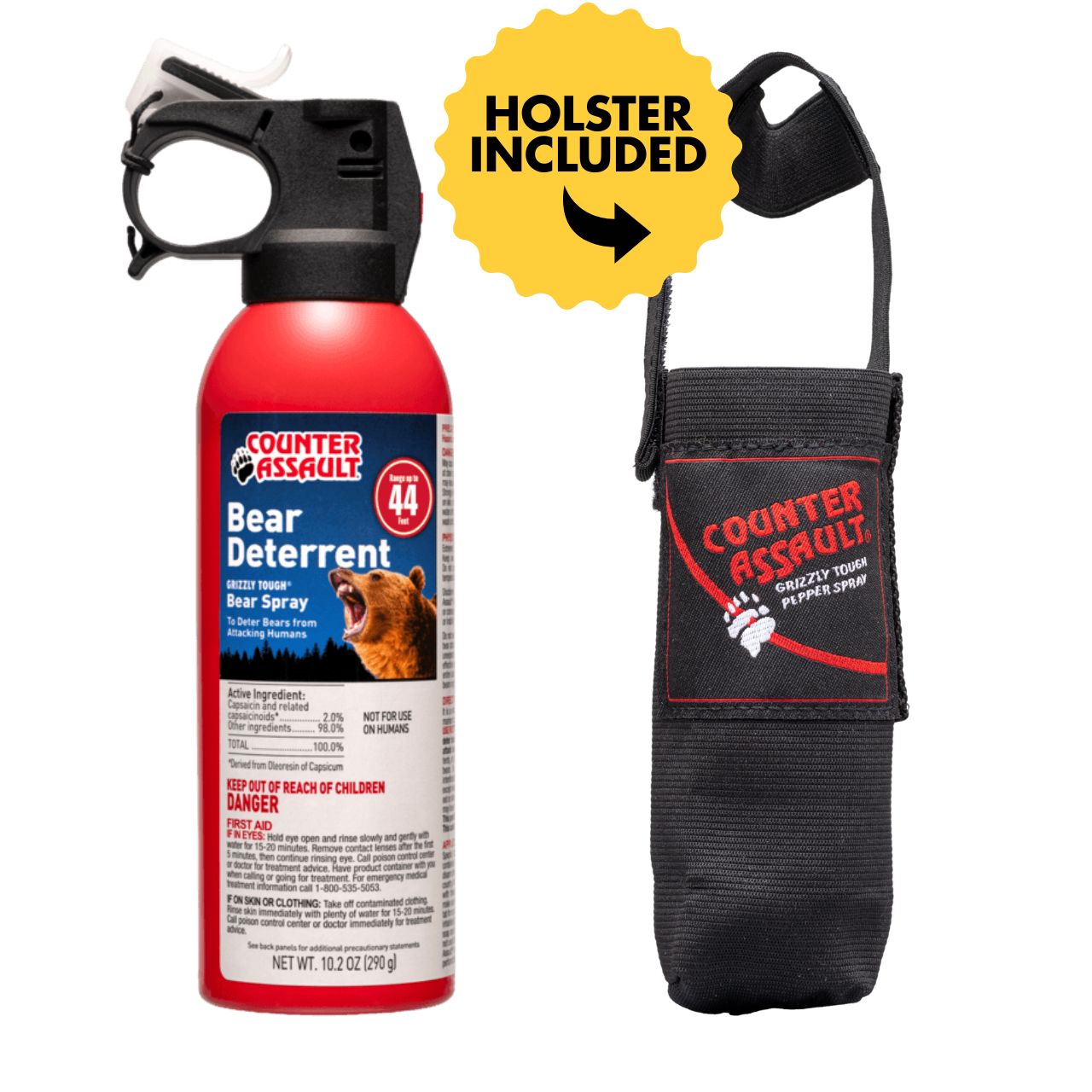
For a lingering coyote, the same Canada College guidance advises escalating hazing with projectiles or sprays and, if it continues to approach, using a deterrent like Counter Assault’s 2% capsaicin bear spray, which projects up to 44 feet, while continuing to haze until the coyote fully retreats because inconsistent efforts can lead to habituation, as noted in this coyote safety resource.
That range matters in practical terms. It gives the handler distance to work with if the coyote is not breaking off and a dog is already close to the body on leash. It also suits the exact gap where voice alone has stopped working but the animal has not yet made contact.
A few field principles matter:
- Do not wait for contact if the animal is advancing with intent. Delay narrows options.
- Keep moving pressure on the coyote. Spray is part of the response, not a replacement for posture and command.
- Leave once the coyote disengages. The goal is separation, not punishment.
People who want a broader overview of carry, deployment, and general wildlife response can review what you need to know about bear spray.
Key field judgment: Hazing handles many encounters. A portable spray deterrent is for the encounter that does not read the script.
Your Essential Coyote Safety Strategy
Most coyote problems become simpler when viewed through three decisions. Remove what attracts them. Act assertively when one tests space. Carry a tool for the animal that refuses the first two messages.
That structure is especially useful for dog walkers, solo hikers, and families near urban-wild edges, where encounters can shift from distant to close in a few seconds.
A simple field-ready checklist
The strongest everyday setup is compact:
- At home: Clean up food sources, trim cover, and maintain fencing.
- On walks: Use a short fixed leash and stay alert at edges and corners.
- At first contact: Stand tall, get loud, and haze early.
- If the coyote keeps coming: Escalate with stronger deterrence and create separation.
There is also a practical gap in public advice. Hazing gets most of the attention, but there is a real need for clearer guidance on what to do with habituated coyotes: As Humane World’s coyote hazing resource notes, bear spray like Counter Assault’s formula, with 2% capsaicin and a 44-foot range, offers a powerful portable option when hazing alone may not be enough for dog walkers and hikers.
That does not replace judgment. It supports it. A whistle, strong leash handling, and early assertive hazing still do most of the work. The deterrent is there for the animal that keeps pressing.
Calm, practiced response beats panic every time. That is how to protect yourself from coyotes without turning every sighting into a crisis.
For people who spend time on neighborhood trails, campgrounds, and wild-edge communities, carrying reliable non-lethal protection is part of being prepared. Counter Assault offers wildlife deterrent tools designed for real outdoor use, including the 10.2 oz bear spray with holster for users who want a ready-to-carry option that is effective on coyotes, mountain lions, and bears.