
You're packing the cooler, the bear canister, and the camp stove, and the question is already in front of you. What food keeps everyone fed without turning the campsite into a wildlife magnet, what lasts, what's worth the weight, and what gets eaten after a long trail day? A solid camping list of food does more than fill bellies, it keeps the trip running smoothly, and it has to be built with safety first, especially where bears, mountain lions, or coyotes are part of the area. For a practical planning baseline, REI's food guidance links meal weight to energy needs, with a historical rule of thumb of about 1.5 to 2.5 lb of food per person per day, or roughly 2,500 to 4,500 calories depending on activity level and conditions (REI menu planning guidance). If the forecast calls for cool nights or the trip leans hard on hiking, the food list has to be tighter, denser, and easier to secure.
A lot of campers overcomplicate this. The better move is simple, shelf-stable food for the trail, cooler food only where it makes sense, and a clean-camp routine that keeps scent, scraps, and packaging under control. That means planning meals, packing storage, and storing food with the same seriousness. It also means carrying a reliable deterrent, because good food planning and good bear planning belong together, not separately. For a quick seasonal cooking idea once camp is set, it helps to cook outdoors this autumn with the same no-mess mindset you'd use in bear country.
Table of Contents
- 1. Dehydrated Meals and Freeze-Dried Foods
- 2. Nuts and Nut Butters
- 3. Dried Fruits
- 4. Instant Oatmeal and Grains
- 5. Jerky and Dried Meat
- 6. Peanut Butter and Portable Spreads
- 7. Crackers, Bread, and Hardtack
- 8. Electrolyte Drinks and Hydration Supplements
- 9. Canned and Vacuum-Sealed Foods
- 10. 10-Item Camping Food Comparison
- 11. Beyond the Menu Food Storage and Bear Safety Essentials
1. Dehydrated Meals and Freeze-Dried Foods
A cold camp dinner changes fast when daylight fades, water is limited, and everyone is tired. Dehydrated meals and freeze-dried foods solve that problem better than almost anything else in a camping list of food because they pack light, store well, and turn into a hot meal with little cleanup. That is the reason backpackers rely on them for late starts, long mileage days, and camps where fresh ingredients would spoil or draw attention from wildlife.
The trade-off is straightforward. These meals need hot water, a stove, fuel, and a clean place to cook away from sleeping gear. They also create smell, so the empty pouch and any scraps need to go into bear-resistant storage as soon as the meal is finished. In bear country, the cooking area and the sleep area should stay separate, and food should never be left open on a picnic table, in a vestibule, or inside a tent.
A smart setup starts with the right portion size and the right gear. Match the pot to the meal, keep the stove simple, and open only one package at a time so wrappers do not spread across camp. If the trip includes shared meals, divide food before leaving home so each person can carry their own dinner without opening the whole supply at once. For hikers who want a broader breakdown of dense trail fuel, the Buy Me Japan noodle comparison is a useful reference point for how packaged noodles compare in convenience and handling.
The food itself matters, but the routine matters more. Cook away from tents, wipe the pot clean before storing it, and pack out every pouch, spoon, and scrap. That discipline keeps camp orderly and reduces the chance that odor, leftovers, or loose packaging will pull wildlife into camp after dark.
Dehydrated meals are the backbone of a serious backpacking food plan because they trade water weight for convenience. That's why freeze-dried dinners, backpacking entrées, and instant meal pouches dominate so much of the modern market, including the wider category of dehydrated camping food, which one report estimated at USD 121.4 million in 2024, rising to USD 137.76 million in 2025 and projected to exceed USD 281.79 million by 2033 at 8.6% CAGR (global market statistics report). Another forecast put the same market at USD 0.17 billion in 2025 and USD 0.41 billion by 2035, also at 8.6% CAGR (Business Research Insights forecast).
That growth makes sense on the trail. These meals are compact, they reduce kitchen gear, and they fit trips where fresh food is a bad fit, such as multi-day backpacking, late arrivals to camp, or places where refrigeration isn't available. The trade-off is simple, they need hot water, fuel, and a clean cooking routine.
A good setup is a small stove, a pot that matches the meal size, and a habit of preparing food away from sleeping space. When the meal is done, empty wrappers should go straight into bear-resistant storage, because the smell doesn't disappear just because the food is gone. If the camp is in a high-bear area, the dinner routine matters as much as the menu.
The market has also pushed convenience hard. One source said instant meals accounted for about 62% of category volume in 2024, while North America held 45% of the market and the top five companies controlled 62% of global share (same market report). That lines up with what works in the field, lightweight food wins because it's simple to carry, fast to make, and easy to ration across a trip.
A useful tweak is to add flavor after cooking, not before. Hot sauce packets, dried herbs, and spice blends travel well, and they can make basic noodles or rice feel less repetitive without adding meaningful weight.
2. Nuts and Nut Butters

Nuts and nut butters do the boring work that keeps a trip on track. Almonds, walnuts, cashews, tahini packets, and portable almond butter or peanut butter packets deliver fat, protein, and staying power in very little space. They're not flashy, but they're dependable, and dependable food is what matters when the next meal is hours away.
The biggest mistake is treating nut butter like an afterthought. Open packets belong in the same clean-camp rhythm as the rest of the food, which means eating them away from the tent and cleaning hands before touching sleeping gear. In bear country, even a tiny smear on a zipper pull or strap can leave scent where it doesn't belong.
A practical pack list for this category looks like this.
- Raw or lightly roasted nuts: Better for basic nutrition and easier to portion into trail bags.
- Single-serve nut butter packets: Cleaner than jars and much easier to secure in bear-resistant storage.
- Tahini packets: Useful when a camper wants a spread that also works in savory camp meals.
- Dried fruit pairing: Adds quick carbohydrates and makes the snack more complete.
That pairing matters because nuts alone can feel heavy, while dried fruit alone burns off fast. Together, they're one of the most efficient mid-hike foods a camper can carry. They also work in breakfast oatmeal, on crackers, or straight from the packet when the weather turns cold and nobody wants to cook.
Store all of it like valuable food, not filler. Nuts and nut butters smell strong, pack dense, and disappear quickly if they're left out. In a campsite, that combination is enough reason to keep them sealed, labeled, and separated from sleeping areas.
3. Dried Fruits
Dried fruit is useful because it solves the quick-energy problem without adding much weight. Raisins, apricots, cranberries, mango slices, banana chips, blueberries, and papaya pieces all travel well, and they keep better than fresh fruit in hot weather or on longer trips. They're also easy to hand out as a snack or stir into breakfast food.
The catch is that dried fruit is easy to overdo. It's sweet, sticky, and more addictive than it looks in the bag, which is why portion bags beat one large container every time. Unsweetened versions are the better choice when they're available, because they keep the snack from turning into dessert before lunch.
Dried fruit also has a cleanliness problem that people ignore. Sticky fingers and fruit residue land on cookware, pack straps, and tent fabric if campers aren't careful. Wash hands before touching gear, and don't leave empty bags in a cooking area where scent can linger.
Dried fruit is not a bear-food exception. It belongs in the same sealed food storage as everything else, because wildlife does not care whether the smell came from jerky, raisins, or a breakfast mix.
In real camp use, dried fruit is strongest when paired with something more substantial. Mixed with nuts, stirred into oats, or added to a tortilla with peanut butter, it becomes part of a balanced food system instead of a sugar-only snack. That's the difference between a bag that disappears too fast and a food plan that holds through the whole trip.
4. Instant Oatmeal and Grains

Instant oatmeal is the kind of breakfast that earns loyalty because it works under bad conditions. It only needs hot water, it settles the stomach, and it gives camp mornings a predictable start when weather, altitude, or an early departure are already pushing hard on the schedule. Rice cups and quick grains do the same thing later in the day, especially on trips where fuel is limited.
The best grain meals stay simple. Oatmeal with dried fruit, a handful of nuts, or cinnamon is usually better than trying to rebuild a full kitchen at dawn. The less fuel a breakfast needs, the easier the whole trip becomes, especially when water has to be heated for several meals.
A practical setup for this category is straightforward.
- Instant oatmeal packets: Reliable, light, and easy to portion.
- Instant rice or quinoa cups: Useful when dinner needs a fast base.
- Add-ins: Dried fruit, cinnamon, and nuts turn plain grains into a real meal.
- Portion control: Cook only what will be eaten, because leftovers become waste and waste becomes scent.
The reason grains matter in a camping list of food is that they bridge comfort and efficiency. They're not glamorous, but they create structure for the day, breakfast before movement, a base for lunch, and a filler when dinner plans go sideways. They also fit the broader market shift toward shelf-stable, lightweight meals that campers can pack without thinking about refrigeration.
A good camp breakfast should be eaten away from the tent and far from any sleeping gear. Crumbs, spills, and empty packets all need to be treated as part of food management, not as afterthoughts. That's the habit that keeps a campsite clean and lowers the odds of drawing wildlife in.
5. Jerky and Dried Meat
Jerky is one of the most practical protein foods for camping because it gives a lot of value in a small package. Beef jerky, turkey jerky, and salmon jerky all work when refrigeration isn't available, and they're easy to split across snack breaks or pair with crackers at lunch. That convenience is why jerky shows up on so many real grocery lists for camps and backpacking trips.
The problem is palatability. Jerky is easy to overeat, especially on a long hike when salt and protein taste better than they do at home. That's why portioning matters, and why lower-sodium versions are often the better field choice when available.
Keep jerky use disciplined.
- Eat away from sleeping areas: Strong meat odors don't belong near tents or pads.
- Store airtight: Open packages need sealed storage immediately after use.
- Clean hands thoroughly: Grease and meat scent should not transfer to sleeping gear.
- Pack out scraps: No packaging, torn pieces, or crumbs should stay behind.
Jerky works best when it's part of a larger food system, not a standalone crutch. A strip of jerky with crackers and a spread is a real meal. A bag of jerky with no plan is just a fast way to finish food too early.
For camps in bear country, the rule is uncompromising. Any meat product belongs in bear-resistant food storage when it's not being eaten, and it should never be left in a tent vestibule or on a cooking bench. That's a habit worth repeating because meat scent carries, and animals notice what people forget.
6. Peanut Butter and Portable Spreads
Peanut butter and other portable spreads are among the most efficient foods a camper can carry. They combine fats, protein, and carbohydrates in a format that works for breakfast, lunch, or a quick trail stop. Individual packets are cleaner than jars, and they're much easier to pack into a bear-resistant container without wasting space.
Value is versatility. Peanut butter goes on crackers, into oatmeal, or straight into a tortilla with honey. Almond butter packets do the same job with a slightly different flavor, while honey packets add quick carbohydrates and help round out the meal when energy is dropping.
A spread-heavy camp menu should still be handled with caution. Sticky packets create scent residue, and every empty wrapper needs to go back into sealed storage immediately. Wash hands after eating, especially before handling sleep systems or packs, because residue on fabric is one of the easiest mistakes to make.
Keep spreads out of the tent zone. If a food smells strong enough to make a person want a second bite, it's strong enough to stay in secure storage.
For real-world use, spreads do best as a backup meal and a morale food. They rescue cold mornings, late lunches, and days when the stove doesn't get lit. They're also one of the easiest foods to pair with oatmeal, dried fruit, or hard crackers, which makes them a staple on any thoughtful camping list of food.
7. Crackers, Bread, and Hardtack
Crackers, bread, and hardtack solve the structure problem. They give a meal something to sit on, which matters when the menu is otherwise full of soft foods, packets, or spoon meals. Whole grain crackers, pilot bread, tortillas, and durable bread styles all fill that role, and they're especially useful with jerky, nut butter, cheese, or canned fish.
Tortillas often outlast sliced bread because they don't crush as easily and they fit better in tight storage. That makes them a smart base for car camping, base camp, and backpacking alike. Hardtack or pilot bread is even more durable, though it's usually more about longevity than comfort.
A clean setup is essential here because crumbs are a problem. Eating in a tent or leaving crumbs around camp creates exactly the kind of food residue that draws unwanted attention. Brush down the eating area, seal the bag, and move on.
For outdoor use, this category is most effective when it's treated as a carrier, not the star of the meal. Crackers make tuna more useful. Bread turns peanut butter into lunch. Hardtack keeps longer than most fresh options. That's enough.
8. Electrolyte Drinks and Hydration Supplements
Electrolyte packets and hydration tablets don't get the attention they deserve on a camping list of food, but they matter when the weather is hot, the hiking is hard, or the water intake drops. Products like Liquid I.V., NUUN tablets, and other powders or mixes can help keep drinks more functional than plain water alone, especially on long climbs or multi-hour trail days.
The biggest mistake is waiting until someone feels bad. These supplements work best when they're used regularly during activity, not just after the body is already behind. Mixing them slightly weaker than the label suggests can also be a useful camp habit when the goal is steady hydration rather than a sweet drink.
Packaging matters here too.
- Use waterproof storage: Powder packets ruin quickly when damp.
- Match the packet to the bottle: That reduces mess and overfilling.
- Separate from food bags: Hydration supplies should stay organized so they don't get mixed into snack storage.
- Keep them accessible: If they're buried too deep, nobody uses them until it's too late.
The outdoor market has moved hard toward shelf-stable convenience, and hydration supplements fit that trend because they take almost no space. They're especially useful on heat-heavy trips, no-cook trips, and days when the stove stays packed away. That keeps them relevant not as luxury items, but as practical tools.
9. Canned and Vacuum-Sealed Foods
Canned food belongs on the menu when weight isn't the main problem. Canned beans, tuna, salmon, condensed soups, and vacuum-sealed meats give campers familiar flavors and easy dinner construction, which makes them especially useful for car camping, RV trips, and base camps. They're heavier than dehydrated food, but they're also comforting and predictable.
The right use case matters here. A backpacker hauling canned food uphill is paying for convenience with weight. A family at a drive-in site can use that same food to make dinner simpler and keep cleanup manageable.
A good canned-food setup includes smart storage and hard cleanup.
- Pack lighter options for backpacking: Vacuum-sealed food is usually the better compromise.
- Use cans for base camp meals: Weight matters less when the car is nearby.
- Dispose of packaging properly: Empty cans and food residue need to be packed out.
- Store everything sealed: Food, wrappers, and can openers all belong in bear-resistant storage when camping in wildlife country.
Canned food also reinforces a bigger point about camp safety. Familiar food can still smell strongly, and trash can attract wildlife just as fast as dinner can. That's why the cleanup routine has to be part of the food plan, not a separate chore at the end of the night. When campers keep residue under control, the campsite stays quieter, safer, and less interesting to bears and other animals.
10. 10-Item Camping Food Comparison
| Item | 🔄 Implementation complexity | ⚡ Resource requirements | ⭐ Expected outcomes | 📊 Ideal use cases | 💡 Key advantages / tip |
|---|---|---|---|---|---|
| Trail Mix and Energy Bars | Very low, ready-to-eat | Minimal, no gear, ultralight | ⭐⭐⭐, fast, sustained energy | Day hikes, lightweight backpacking snacks | Portion into single servings; store in bear-resistant containers |
| Dehydrated Meals & Freeze-Dried Foods | Low, requires rehydration with hot water | Low weight but needs stove/boiling water | ⭐⭐⭐⭐, complete, nutrient-dense meals | Multi-day backpacking where weight matters | Ultralight + long shelf life; add spices or oil for flavor |
| Nuts and Nut Butters | Very low, ready-to-eat | Minimal, compact, no refrigeration | ⭐⭐⭐, high protein & sustained energy | Snacks, mix-ins for meals, calorie boost | Pack sealed packets; combine with dried fruit for balance |
| Dried Fruits | Very low, ready-to-eat | Minimal, lightweight, no prep | ⭐⭐, quick carbohydrate boost | Short bursts of energy on trail, snack mixes | Choose unsweetened varieties; pair with nuts to slow absorption |
| Instant Oatmeal and Grains | Low, needs hot water | Requires stove/boiling water, light pot | ⭐⭐⭐, filling, sustained morning energy | Cold mornings, base breakfasts, budget group trips | Add nuts/dried fruit for protein and flavor |
| Jerky and Dried Meat | Very low, ready-to-eat | Minimal, lightweight, no refrigeration | ⭐⭐⭐, concentrated protein for recovery | On-trail protein snack, group sharing | Choose lower-sodium options; eat away from sleeping area |
| Peanut Butter & Portable Spreads | Very low, ready-to-eat | Minimal, pack small packets to save weight | ⭐⭐⭐, calorie-dense, versatile | Spreads, energy boosts, meal add-ins | Use individual packets to reduce mess and waste |
| Crackers, Bread, and Hardtack | Very low, ready-to-eat | Minimal, but can be bulky or crumbly | ⭐⭐, reliable carbohydrate base | Meal foundations, pairing with spreads/proteins | Pack resealable containers and pair with protein sources |
| Electrolyte Drinks & Hydration Supplements | Low, mix with water | Needs clean water; very lightweight powder | ⭐⭐⭐, improves hydration & performance | Hot/humid conditions, long effort days | Mix slightly weaker for sustained hydration; waterproof packets |
| Canned & Vacuum-Sealed Foods | Moderate, requires opening & cleanup | Heavier, better for car/base camping | ⭐⭐⭐, hearty, familiar meals | Car camping, base camp, group meals | Use where weight is not critical; pack out all packaging |
11. Beyond the Menu Food Storage and Bear Safety Essentials
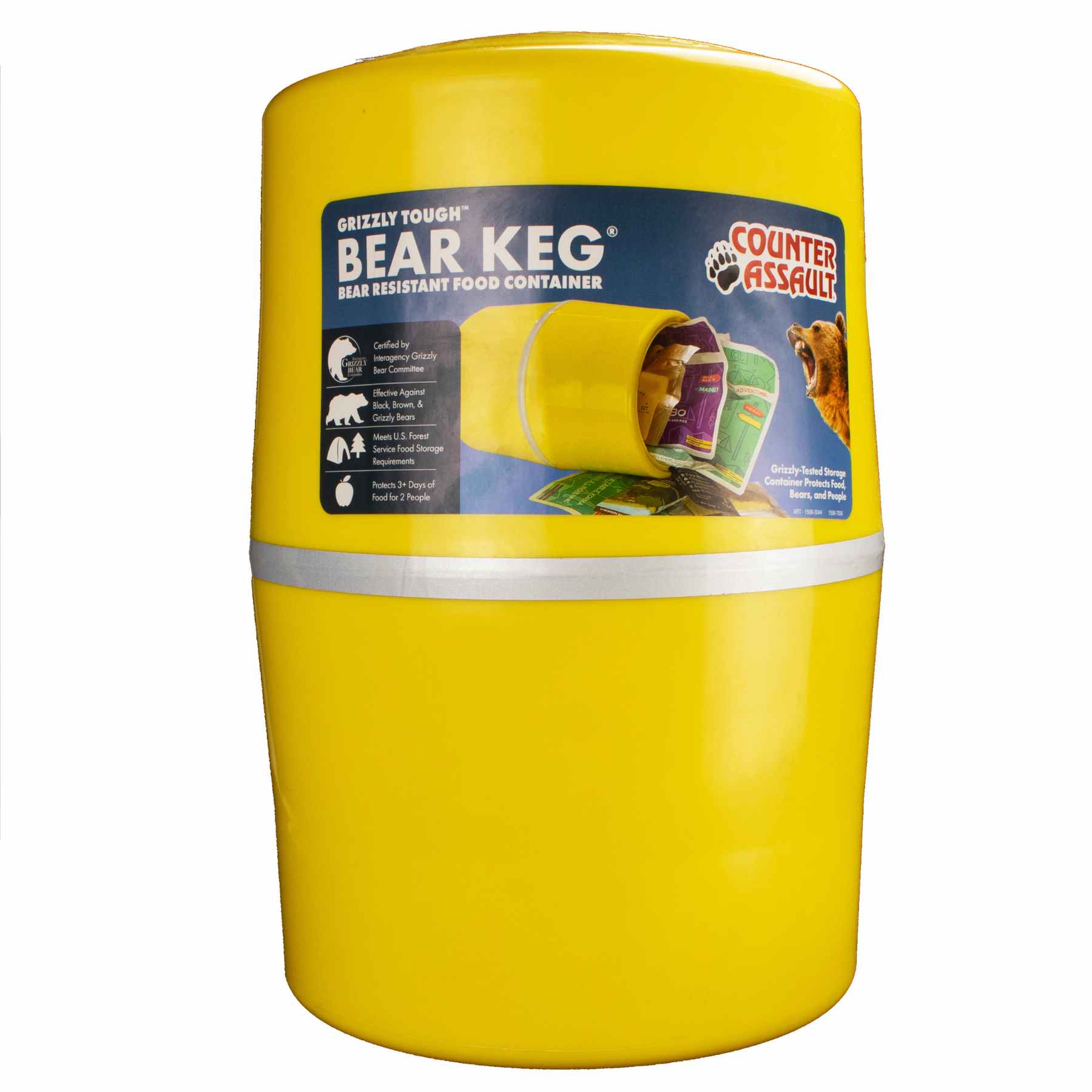
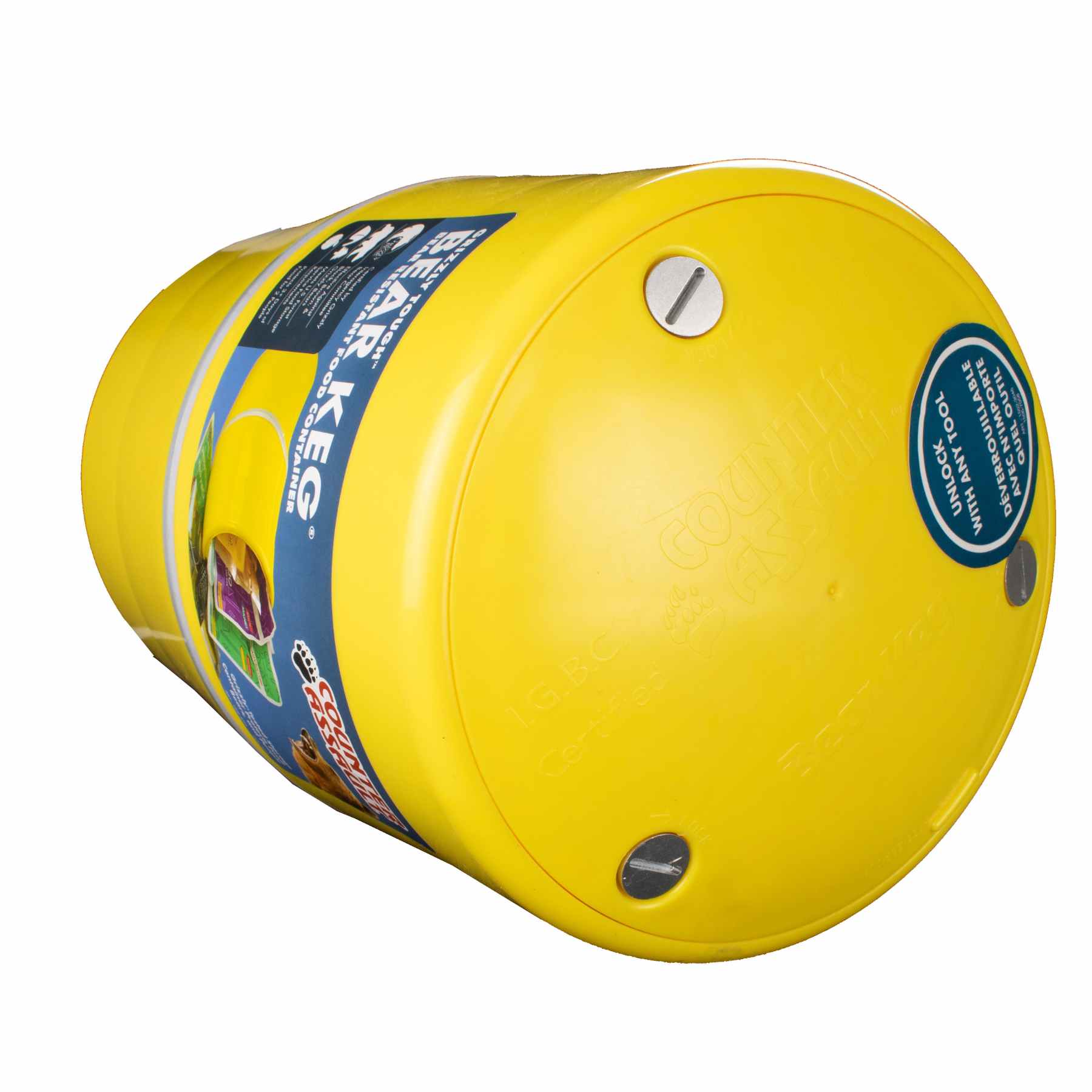
Your camping list of food is only as good as the storage and safety habits behind it. The goal isn't just to eat well, it's to keep food from becoming a wildlife problem. REI's camp kitchen guidance stresses approved containers, food stored away from tents, and careful handling of scented items in bear country, and that's the standard to follow every time food is brought into camp (REI camp kitchen checklist).
The safest camps run on discipline. Food gets separated from sleep space, all wrappers get packed out or sealed away, and cooking happens in a designated area instead of near tents. That matters in bear habitat, but it also helps with smaller animals that learn fast and revisit camps that leave food behind. Clean camp habits aren't decorative, they're protection.
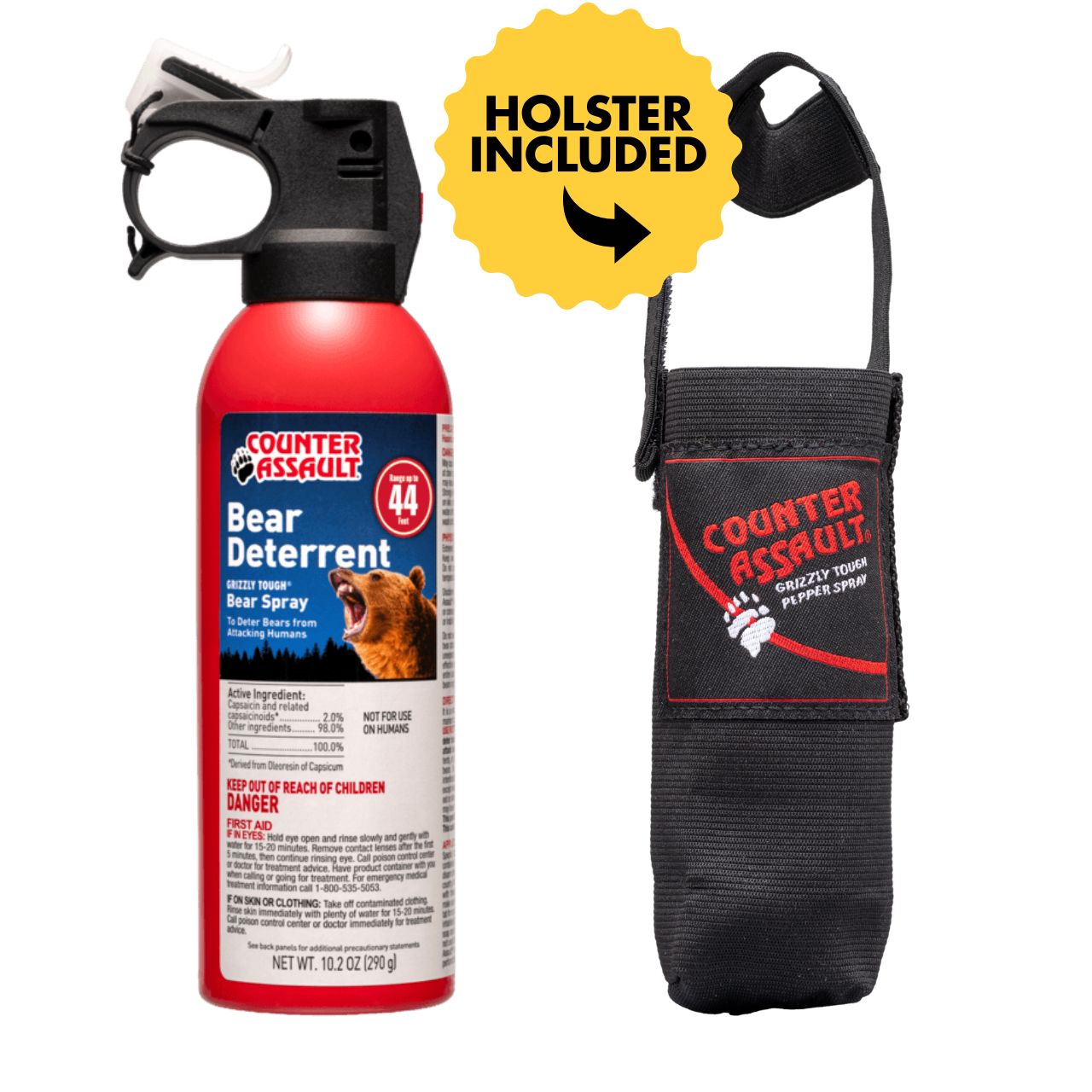
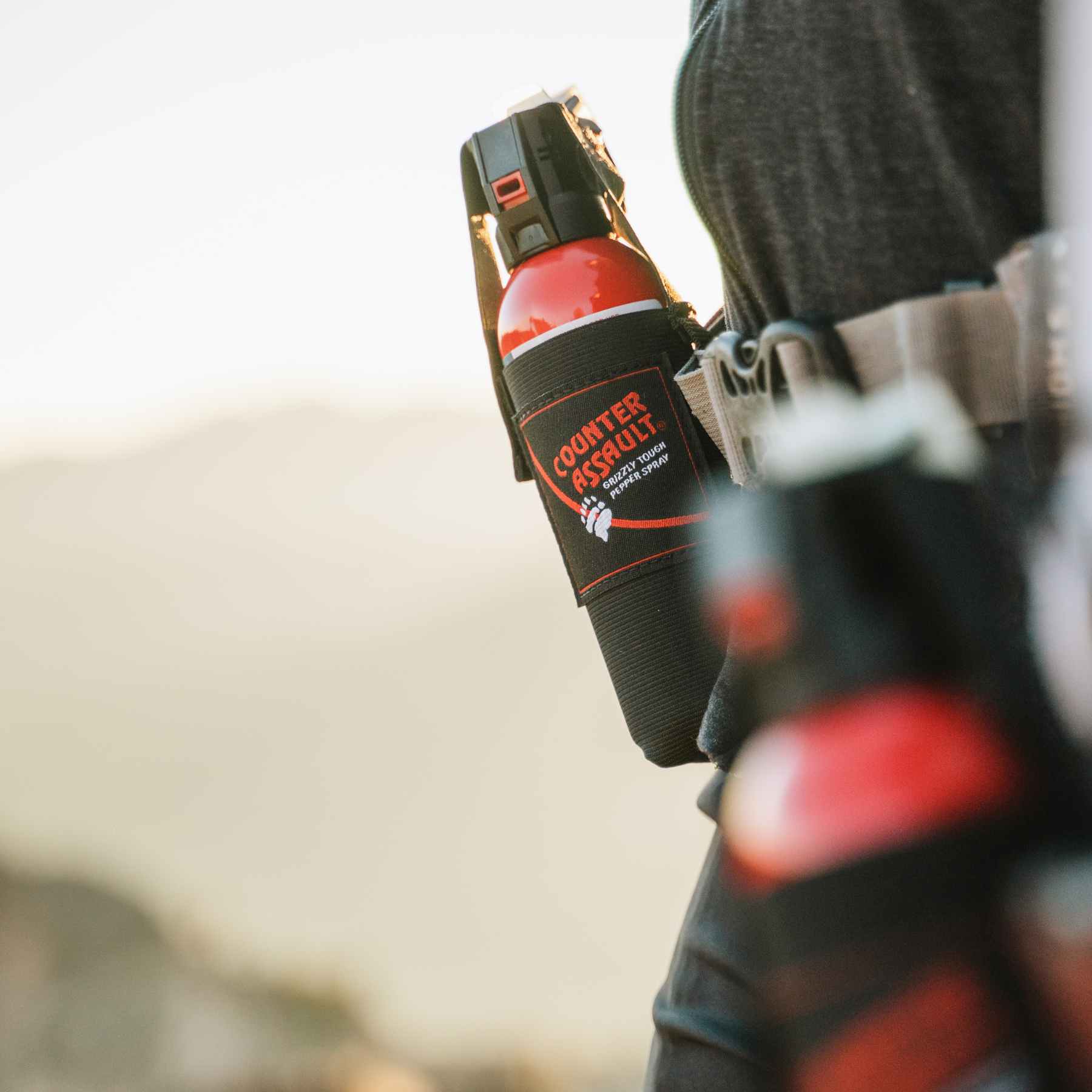
Bear country also demands the right deterrent at hand. Counter Assault's 10.2 oz bear spray with holster is a practical option to keep accessible while camping, hiking, or backpacking, and it's designed as a non-lethal deterrent for bears, mountain lions, and coyotes. For camps where the risk is real, the difference between having spray in a pack and having it clipped at the hip is the difference between preparation and delay.
Use the spray the right way. It's for an aggressive charge or an animal that's acting aggressively and may charge, not for tents, gear, or people. The safest response to a bear or mountain lion encounter is to avoid running, keep distance, stand your ground if needed, and prepare the spray if the animal closes in. A camp that respects those rules usually stays calmer and more controlled when wildlife appears.
Food storage and deterrence belong together because neither one works alone. A clean menu doesn't stop a curious bear if food is left out, and a spray can't fix sloppy camp habits after the fact. Keep the menu simple, keep storage strict, and keep your response tools close.
Visit Counter Assault for bear safety gear that fits the way real campers travel, then build your food plan around clean storage, fast access, and the kind of preparedness that keeps the whole trip on track.