
A lot of hikers ask, how long is bear pepper spray good for when they are really asking a harder question: will a bear spray canister still work when the trail gets loud and fast.
That question matters most in the places where gear gets abused. A can rides in a truck console through heat, freezes overnight in camp, gets knocked against rocks, then sits in a garage until the next season. A date on the bottom helps, but field reliability depends on more than a stamp.
For people moving through bear country, this is not about self-defense against people. It is about keeping distance between wildlife and humans, and making sure a non-lethal deterrent works when an aggressive bear, mountain lion, or coyote closes space.
Table of Contents
-
When to Replace Your Canister and How to Dispose of It Safely
- Essential Bear Spray FAQs for Outdoor Adventurers
- Trust Your Gear Trust Your Preparation
Your Adventure Depends on It
A hiker rounds a bend on a Montana trail, sees movement ahead, and reaches for the canister on the hip belt. In that moment, brand loyalty and internet arguments do not matter. Function matters.

Bear country exposes every weak point in a piece of equipment. A canister may be technically unspent and still be a poor bet if it has lived in a hot car, taken a hard dent, or gone years without inspection. That is why generic advice about pepper spray often falls short for backpackers, anglers, hunters, and campground travelers.
Reliability starts before the encounter
A bear deterrent has one job. It must leave the can quickly, project well, and create a cloud at the moment the user needs it.
That requires three things working together:
- A sound canister body that has not been dented, punctured, or damaged.
- Enough propellant pressure to deliver the spray with force.
- A carry method that keeps the can accessible instead of buried in a pack.
A canister that cannot be reached in time is not ready gear, even if it is still within date.
A calm safety routine matters more than panic buying. Hike in groups when possible, make noise on blind corners, keep camp clean, and carry a deterrent where a hand can reach it immediately. The shelf life question sits inside that larger reality.
What the Expiration Date on Bear Spray Really Means
The expiration date on a bear spray canister does not mean the pepper formula suddenly stops mattering on that day. It means the manufacturer no longer wants a user relying on that canister to deliver full performance.
The active ingredient is not the weak point
Industry guidance consistently points to the same issue. The shelf life of pepper spray typically ranges from 2 to 4 years from manufacture, and the main limit is the pressurized propellant, not the active oleoresin capsicum, which stays chemically stable much longer.
That distinction matters in the field. If the active ingredient remains stable but the pressure drops, the can may still contain formula while failing to project it with the speed and distance the user expects.
Why pressure matters more than heat on paper
A deterrent can only work if it leaves the canister with force. Pressure drives range, spray pattern, and response time. In practical terms, that means an old can may not be empty, but it may be unreliable.
For outdoor users, the expiration date should be read as a pressure warning, not just a chemistry warning.
A few habits make that date easier to use:
| Check | Why it matters |
|---|---|
| Read the stamp on the bottom | That is usually where the replacement or expiration information appears. |
| Track the purchase season | If the stamp is hard to read later, the season of purchase helps narrow replacement timing. |
| Treat old stock cautiously | A canister sitting unused for years is not automatically trail-ready. |
Bear spray raises the stakes because the tool is meant for fast, close, dangerous wildlife encounters. A marginal canister is a serious liability when the user needs a cloud in front of an approaching animal, not a weak stream or a short puff.
The date is not a suggestion for people who spend time in bear country. It is a practical cutoff for trust.
Hidden Factors That Degrade Bear Spray Potency
The printed date assumes decent storage and normal handling. Outdoor use is rarely that gentle.

Heat cold and rough handling change the equation
Temperature is one of the biggest threats. In many cases, exposure above 70°F or below 32°F can weaken performance, and that storage in a 50-70°F cool, dry area away from sunlight and vehicles is recommended.
That matters because many outdoor users do the exact opposite without thinking about it. A canister gets left in a vehicle between trips. It bounces in a dry box with cookware. It sits on a sunny dashboard at a trailhead. The result may be pressure loss, stressed seals, or damage to the can and nozzle.
Physical condition matters almost as much as storage temperature. Dents, corrosion, a cracked top, or a damaged safety clip all raise questions about whether the system will operate cleanly under stress.
For readers who want the chemistry and construction basics behind a deterrent canister, Counter Assault breaks down what bear spray is made of.
What to inspect before leaving the trailhead
A fast trailhead check catches most obvious problems:
- Look at the body for dents, rust, deep scratches, or swelling.
- Check the nozzle area for residue, cracks, or anything that suggests leakage.
- Inspect the safety mechanism to confirm it is intact and moves as designed.
- Read the date before the trip, not after reaching camp.
- Think about storage history over the last season, especially vehicle heat and freezing nights.
A canister that spent months under harsh conditions deserves more skepticism than one stored indoors.
If the can has been cooked, frozen hard, or dropped hard enough to deform it, replacing it is safer than hoping.
Outdoor travelers often focus on weight and pack volume. Those concerns are real, but they should never override readiness. A deterrent that stays protected, visible, and easy to inspect stands a much better chance of working when the user needs it.
Proper Storage Maintenance and Testing for Peak Readiness
Good gear lasts longer when it is treated like safety equipment instead of spare gear.

Store it where it stays usable
At home, a cool, dry, shaded place is the safe default. A closet shelf works better than a garage window, truck console, or gear bin that bakes in summer.
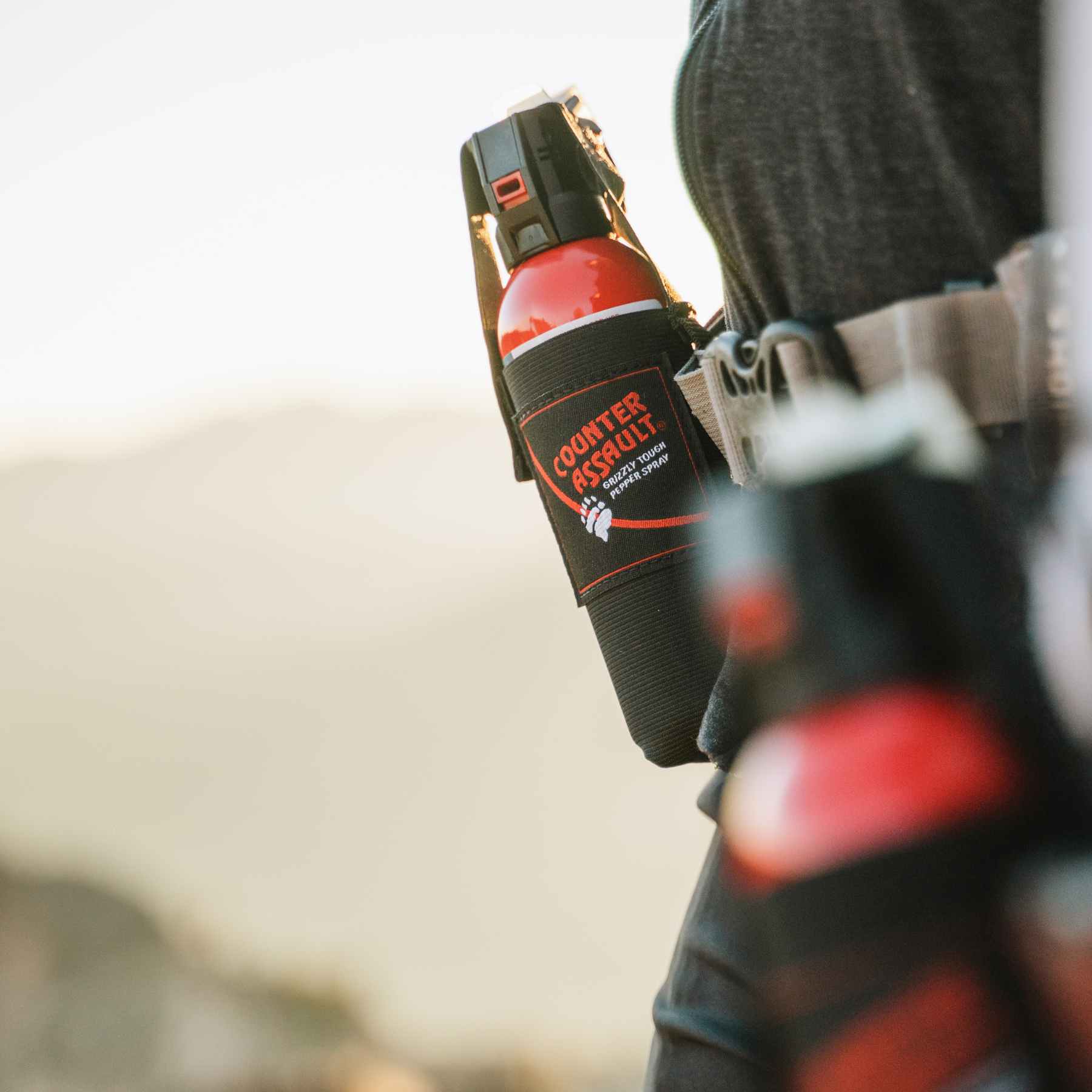
On the trail, accessibility matters as much as storage. Bear spray belongs on a belt, chest strap, or pack strap where a hand can reach it immediately. It should not live under rain gear, food bags, or a sleeping pad.
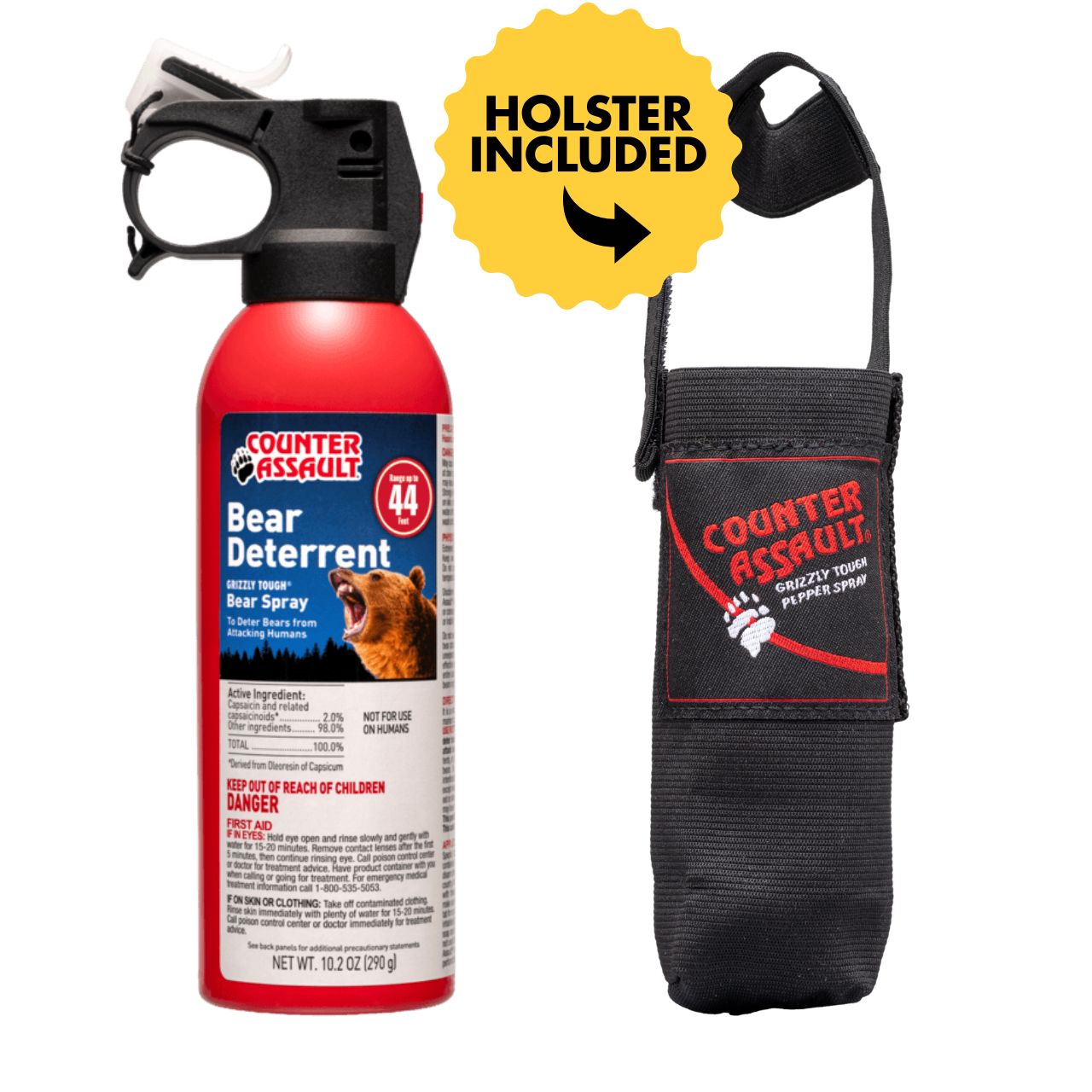
One practical option for hikers who want a larger deterrent for bear country is the 10.2 oz bear spray with holster, which is built around a 2% capsaicin formula and listed with a 44-foot spray range and 10 seconds of discharge on the product page. The included holster matters because access is part of readiness, not an accessory detail.
A solid backcountry kit includes more than deterrent spray. A compact first-aid option from Adventure Medical Kits and reliable camp lighting from LuminAID round out the kind of gear that solves real field problems after dark or after a fall.
A simple inspection and testing routine
Testing has a trade-off. It confirms function, but every test uses product.
SABRE’s testing guidance notes that experts recommend checks every 90-180 days or annually, and cites U.S. Fish and Wildlife Service findings that maintained deterrents succeed in 92% of bear encounters versus <50% for untested or old units.
That makes maintenance worth doing, but it should be done carefully.
A simple routine works well:
- Inspect the canister first. Look for damage before considering any discharge test.
- Test outdoors only. Stand upwind on a non-windy day with open space ahead.
- Use a brief burst. The point is to confirm spray and pressure, not empty the can.
- Log the test date. A marker on tape or a gear checklist prevents guesswork later.
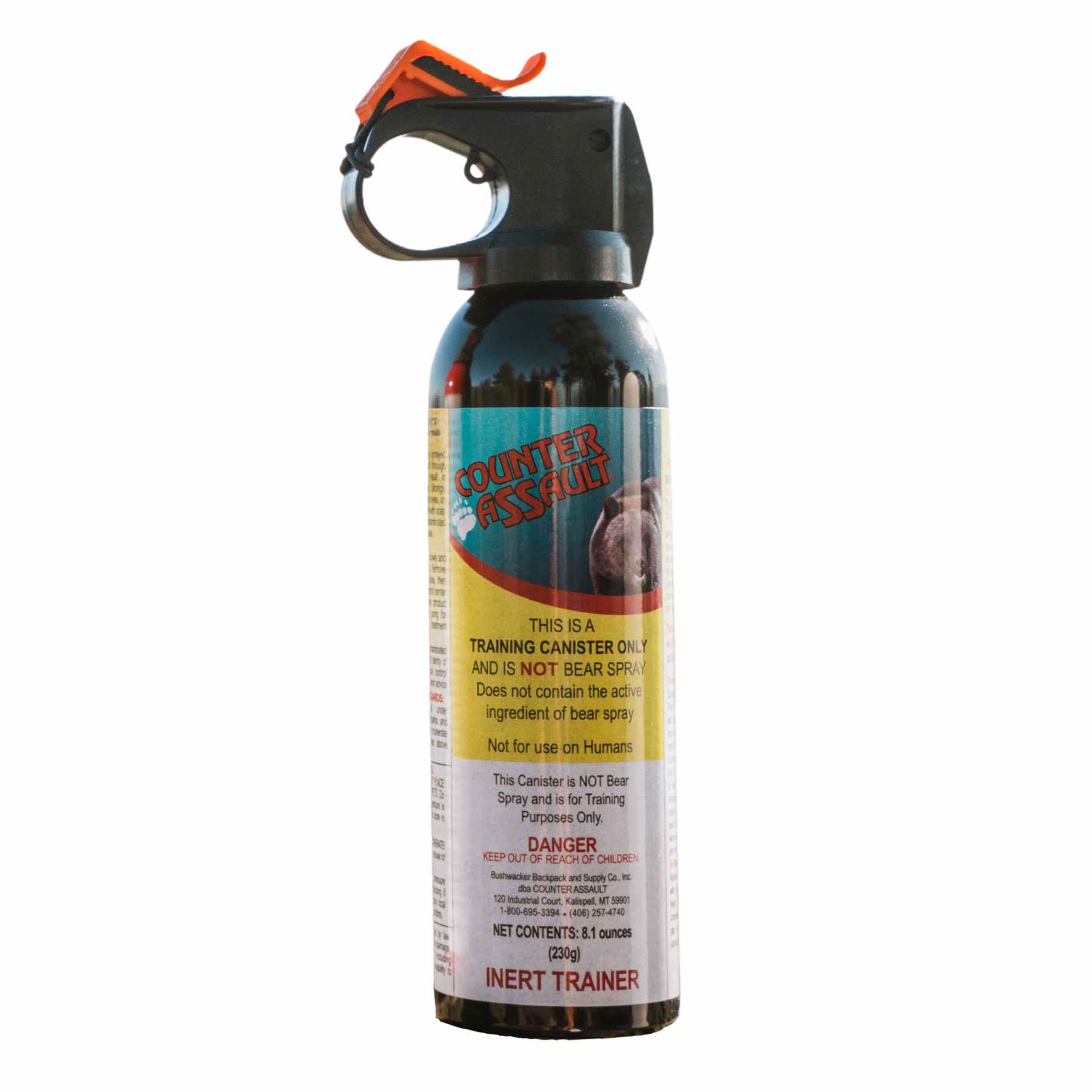
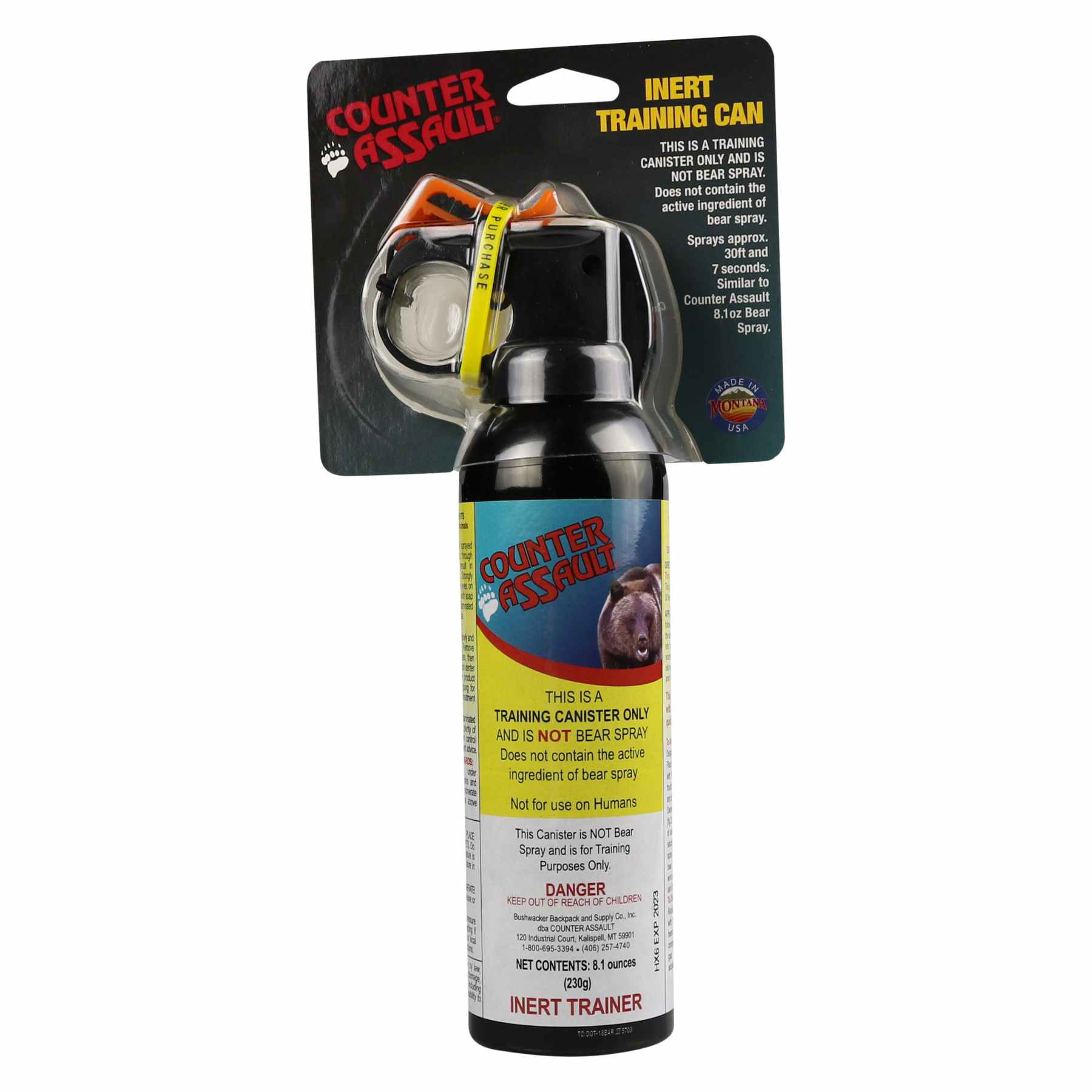
For people who want to practice handling without wasting a live deterrent, an 8.1 oz inert training canister is a safer way to build muscle memory.
This demonstration helps show why carry and deployment practice matter:
The same mindset applies to edged tools and camp implements. People who maintain axes for wood processing and shelter work may find this ultimate guide to survival axes, including their maintenance useful because it reinforces the same backcountry rule: inspect critical gear before it becomes urgent.
Maintenance is not overkill. It is how a hiker avoids learning about a failed canister at the worst possible distance.
Debunking Common Myths That Put Hikers at Risk
Bad trail advice spreads fast. A lot of it sounds confident right up until something goes wrong.

Myth that old spray is fine if the can feels full
This is one of the most dangerous assumptions. A canister may still have contents while lacking the pressure needed for proper distance and cloud formation.
Users cannot judge reliability by shake, guesswork, or how heavy the can feels in a hand. If the date has passed, the storage history is rough, or the canister has visible damage, confidence should drop fast.
Myth that bear spray is just pepper spray with a bigger label
That shortcut leads people into poor decisions about gear choice and use. Bear deterrents are for aggressive wildlife encounters. They are not for use on people, and they are not to be sprayed on clothing, tents, or packs as if they were a repellent.
Readers sorting out those differences can review bear spray vs pepper spray.
Other myths deserve a direct answer:
-
Myth that wind makes spray useless
Wind is a factor, but it does not make a deterrent pointless. Users should aim slightly downward and deploy into the path of an aggressive animal so it runs into the cloud. -
Myth that carrying it in a pack is good enough
It is not. A deterrent stashed in a pack often arrives too late. -
Myth that any old can is better than no can
Not always. False confidence changes how people behave on the trail.
The most dangerous canister is often the one a hiker assumes is fine without checking.
Good wildlife safety still starts before any deployment. Hike in groups when possible, make noise in dense cover and around blind corners, avoid crowding animals, keep food secured, and never run from a bear or mountain lion encounter. If an animal acts aggressively and appears ready to charge, standing ground and preparing the deterrent is the practical response.
When to Replace Your Canister and How to Dispose of It Safely
Replacement should be based on trust, not thrift.
Replace it before doubt becomes a problem
The easy replacement triggers are straightforward. Replace a canister if it is past date, damaged, partially discharged, or has lived through storage conditions that make reliability questionable.
Testing frequency also changes replacement timing. Pepper-spray-store.com notes that a 0.5-second burst from a 10-second discharge can uses 5% of the contents. That is a small test, but repeated checks add up.
A practical replacement checklist looks like this:
-
Past the date
Retire it. Date stamps exist for a reason. -
Dropped hard or visibly dented
The pressure system may be compromised. -
Stored in a hot vehicle or severe cold
Harsh storage can make a canister less trustworthy. -
Used in an encounter or during repeated tests
Remaining contents may no longer match what the user expects.
Disposal needs local guidance
Bear spray should not be tossed into regular trash without checking local rules. Local waste management facilities, hazardous household waste programs, or a fire department can often tell residents how disposal should be handled in that area.
If a local program gives instructions for depressurizing before disposal, those instructions should be followed exactly. If it does not, the canister should stay intact and go through the approved disposal channel.
A simple rule works well: when uncertainty starts, the canister’s service life is over.
Essential Bear Spray FAQs for Outdoor Adventurers
Can bear spray go on an airplane?
Air travelers should check current airline and regulatory rules before packing. Restrictions are common, and travelers should verify them directly rather than relying on old forum posts.
Can bear spray stay in a car all season?
That is a poor storage habit. Vehicles expose gear to temperature swings and sunlight that can shorten reliable life.
Can it be carried in national parks?
Policies vary by location and activity. Visitors should check park-specific rules before arrival.
Should it be carried inside the pack to protect it?
No. Protection is useful, but access matters more. A holster or exterior carry position is the better field choice.
Can bear spray be used on tents or clothing as a deterrent?
No. It should only be used when a bear is charging or acting aggressively enough that a charge seems likely. It is not an insect repellent and should not be sprayed on people, gear, or camp items.
Does it work only on bears?
Bear spray is also used as a deterrent for mountain lions and coyotes. The same basic rule applies. It is for aggressive wildlife situations, not casual use.
For a broader outdoor setup, many hikers also carry medical kits from Adventure Medical Kits, insect protection from Natrapel, or bite relief from After Bite. Those items solve different problems, but they support the same goal: staying calm and functional when conditions turn uncomfortable.
Trust Your Gear Trust Your Preparation
A hiker who asks how long is pepper spray good for is really asking how long a safety margin can be trusted. The answer depends on the date, the storage history, the condition of the canister, and whether anyone has treated it like essential gear.
Prepared hikers do the simple things well. They keep distance from wildlife. They make noise in thick cover. They carry a deterrent where it can be reached fast. They replace questionable gear before a trip, not after a scare.
Counter Assault offers bear safety equipment built for hikers, campers, hunters, and other outdoor travelers moving through bear country. Readers who need a current deterrent, training option, or storage accessory can explore the full lineup at Counter Assault.