
Snow muffles sound in bear country. Trails that felt busy in September turn quiet, creek edges lock up, berry patches go bare, and the woods can seem empty. Hikers often ask the same question then. Why do bears hibernate, and where did they all go?
The short answer is survival. The fuller answer is more useful, especially for anyone traveling, camping, or hunting where bears live. Bears don’t just “sleep all winter” in the simple way people often picture. They enter a flexible, highly specialized state that helps them outlast a season when food is hard to find and staying active costs too much energy.
That matters on the trail because hibernation isn’t a fixed calendar event. Bears respond to food, weather, and local conditions. A person who assumes every bear is denned up because it’s late fall or early winter can make bad decisions fast. Good bear safety starts with understanding what the animal is doing, and why.
For more field-focused bear safety reading, Counter Assault’s bear safety articles cover practical situations hikers and campers face.

Table of Contents
Introduction The Great Disappearance
By midwinter, the signs are subtle. Fresh tracks vanish. Diggings stop appearing along open slopes. The same drainages that held bear movement in autumn go still. People notice the absence, but the better observation is this: the bears didn’t disappear. They shifted strategy.
That shift is one of the most effective survival responses in North American wildlife. Large bears can spend months in dens because winter strips the environment of easy calories. Plants die back, nuts and berries are gone, fish runs end, and snow or frozen ground can block access to what little remains. A big animal can’t keep roaming forever when the environment stops paying back the energy it costs to move through it.
For hikers, snowshoers, campers, and late-season hunters, that distinction is practical. Understanding why do bears hibernate leads directly to better decisions about food storage, route timing, den awareness, and encounter readiness. The biology is fascinating, but it’s also operational knowledge in bear country.
Surviving Scarcity The Main Reason Bears Hibernate
The core reason bears den up is simple. Winter creates an energy deficit. When food disappears and cold raises the cost of staying active, the smart move is to conserve rather than search.
Food loss drives the decision
Bears rely on dense seasonal foods when they’re available. In many places, that means berries, nuts, roots, vegetation, and fish. Once those foods fade, a roaming bear has to cover more ground for less reward.
Deep snow and frozen soils make the problem worse. Even if some calories remain in the area, getting to them may take too much effort. That’s the tipping point. Hibernation is less about avoiding discomfort and more about avoiding a losing energy budget.
Cold makes bad math worse
Cold by itself isn’t the whole story, but it compounds scarcity. A bear that remains active has to maintain body functions, travel, search, and stay warm. If each trip burns more energy than the bear can replace, staying out becomes a bad bet.
That’s why the common question, “Do bears hibernate because it’s cold?” needs a more precise answer. They hibernate because cold arrives with food scarcity, and together those conditions make winter activity inefficient and risky.
A useful way to think about it on the ground:
- When food is abundant: Bears keep moving, feeding, and building reserves.
- When food becomes patchy: Bears spend more time searching and take bigger risks.
- When food effectively disappears: Denning becomes the survival strategy.
Bears don’t den because winter is inconvenient. They den because winter removes the calories that make movement worthwhile.
That’s also why people should be careful about simple seasonal assumptions. In one valley, an early hard winter may shut activity down fast. In another, a milder pattern or lingering food can keep bears moving well beyond what visitors expect.
A Bear's Body on Standby The Science of Torpor
A hiker cuts across a quiet slope in late winter, spots what looks like an empty den, and assumes any bear inside would be too asleep to react. That assumption gets people hurt. A denning bear is conserving energy, not switched off.

The metabolism drop is the core story
The old phrase "winter sleep" misses the biology that matters. Bears enter torpor, a controlled state in which metabolism drops far enough to stretch stored fat through months of denning, while body temperature stays much higher than it does in small mammal hibernators.
That distinction matters because people often picture hibernation as total shutdown. Bear torpor works differently. A bear lowers its energy use, slows its heart and breathing, recycles wastes internally, and still remains capable of waking and defending the den. Yellowstone's hibernation notes describe that pattern clearly, including the bear's relatively modest drop in body temperature and its ability to avoid the muscle and bone losses that would sideline a human after prolonged inactivity.
In practical terms, a denning bear is running on a stripped-down budget, not in a coma.
Why bears can wake and react
The "true hibernator" argument has confused people for years. Ground squirrels and other small mammals can let body temperature plunge close to ambient conditions and become extremely difficult to rouse. Bears do not follow that model. Their temperature falls, but stays regulated enough to support a fast response if cubs, food stores, or personal space are threatened.
For anyone traveling in bear country, that means winter does not create a safe window for den approach. Snowshoers, skiers, shed hunters, and backcountry photographers sometimes assume a bear in a den is effectively absent from the situation. Field experience says otherwise. Give den sites a wide berth, avoid poking into root wads or rock cavities, and keep camp food secured in approved bear-resistant food containers even outside peak summer use.
Torpor vs. True Hibernation A Comparison
| Characteristic | Bear Torpor | True Hibernation (e.g., Groundhog) |
|---|---|---|
| Body temperature | Drops moderately, remains comparatively high | Drops much lower, often near freezing |
| Wake response | Can be roused and react | Harder to wake |
| Metabolic suppression | Strongly reduced, but not to the same extreme | Extremely low |
| Den defense | Capable of responding | Limited immediate response |
| Typical animals | Bears | Small mammals such as rodents |
Practical takeaway: A winter den is a high-risk space because the bear inside can still respond.
That flexible physiology also explains why the simple "bears disappear for winter" story is no longer enough. Torpor is a survival strategy that shifts with weather, food availability, and local conditions. As winters change, the timing and depth of denning can shift too, which means hikers and residents need to treat bear awareness as a year-round job, not a calendar event.
Preparing for the Long Sleep The Hyperphagia Feast
A September bear on a berry slope or along a creek bottom is not taking a last casual stroll before winter. It is working a feeding schedule.

Fall is when bears act with purpose
Biologists call this phase hyperphagia. Appetite rises hard, feeding time stretches, and the bear starts prioritizing calorie-dense food with real urgency. Berries, nuts, salmon, carrion, agricultural crops, and any easy human food source can all move higher on the menu.
For hikers, hunters, and campers, this is the part that matters on the ground. A bear preparing for torpor isn't merely "eating a lot." It is trying to build the fat reserves that will carry it through a long period of reduced metabolism. That pressure changes behavior. Bears travel longer, revisit productive feeding sites, and show strong interest in anything that offers concentrated calories for little effort.
That is why fall often produces some of the most preventable conflicts of the year.
What hikers and campers get wrong
Spring gets a lot of attention, but late summer and fall are often the months when sloppy habits cost people the most. Coolers left in truck beds, meat scraps near camp, unsecured chicken feed, bird seed on a porch, or garbage set out overnight can all function like bait.
From a bear's side, the trade-off is simple. Digging roots or combing a hillside for berries burns time and energy. A camp kitchen, gut pile, or trash can offers a much bigger payoff. Once a bear gets that reward, it may return, and each return makes the problem harder to solve.
Keep the setup disciplined:
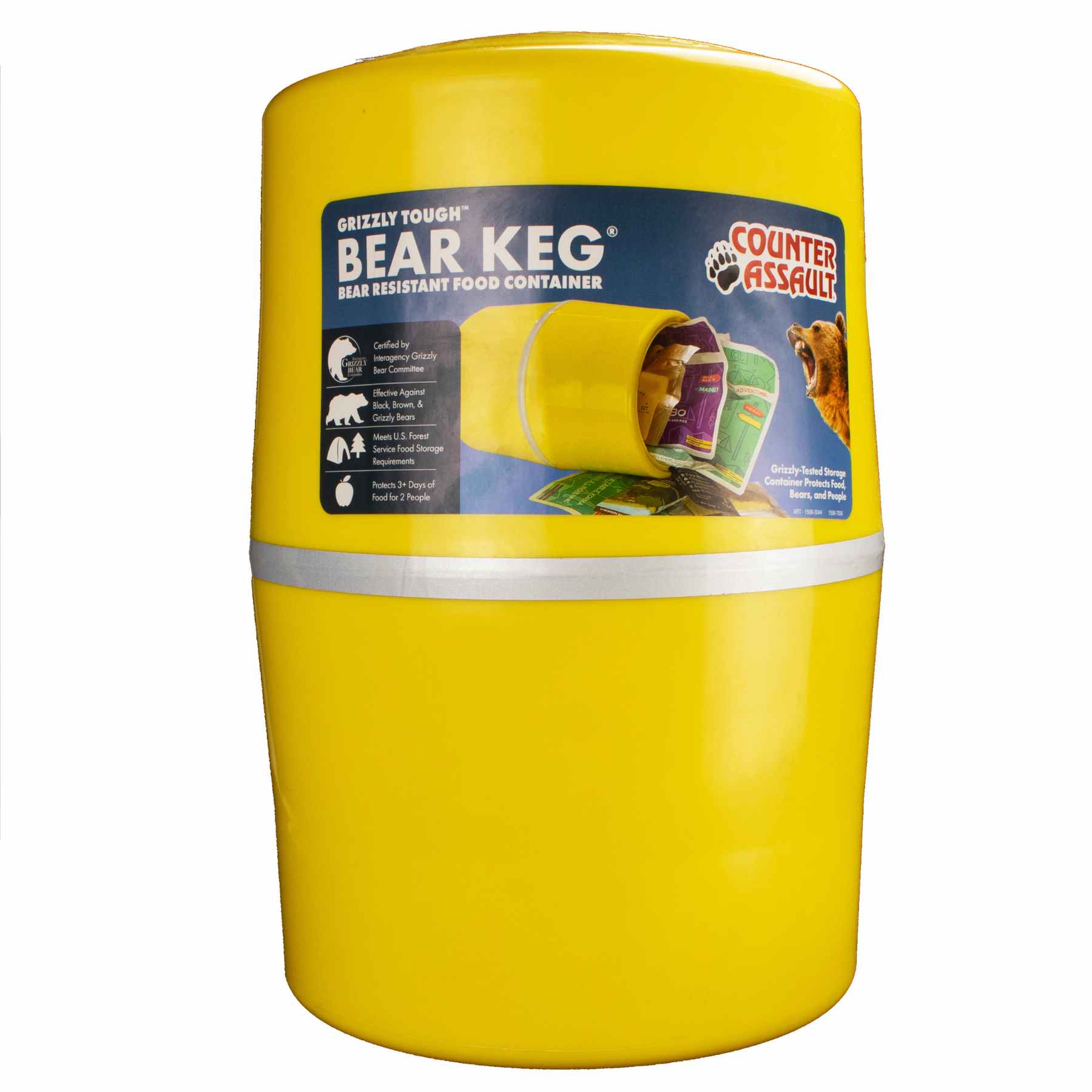
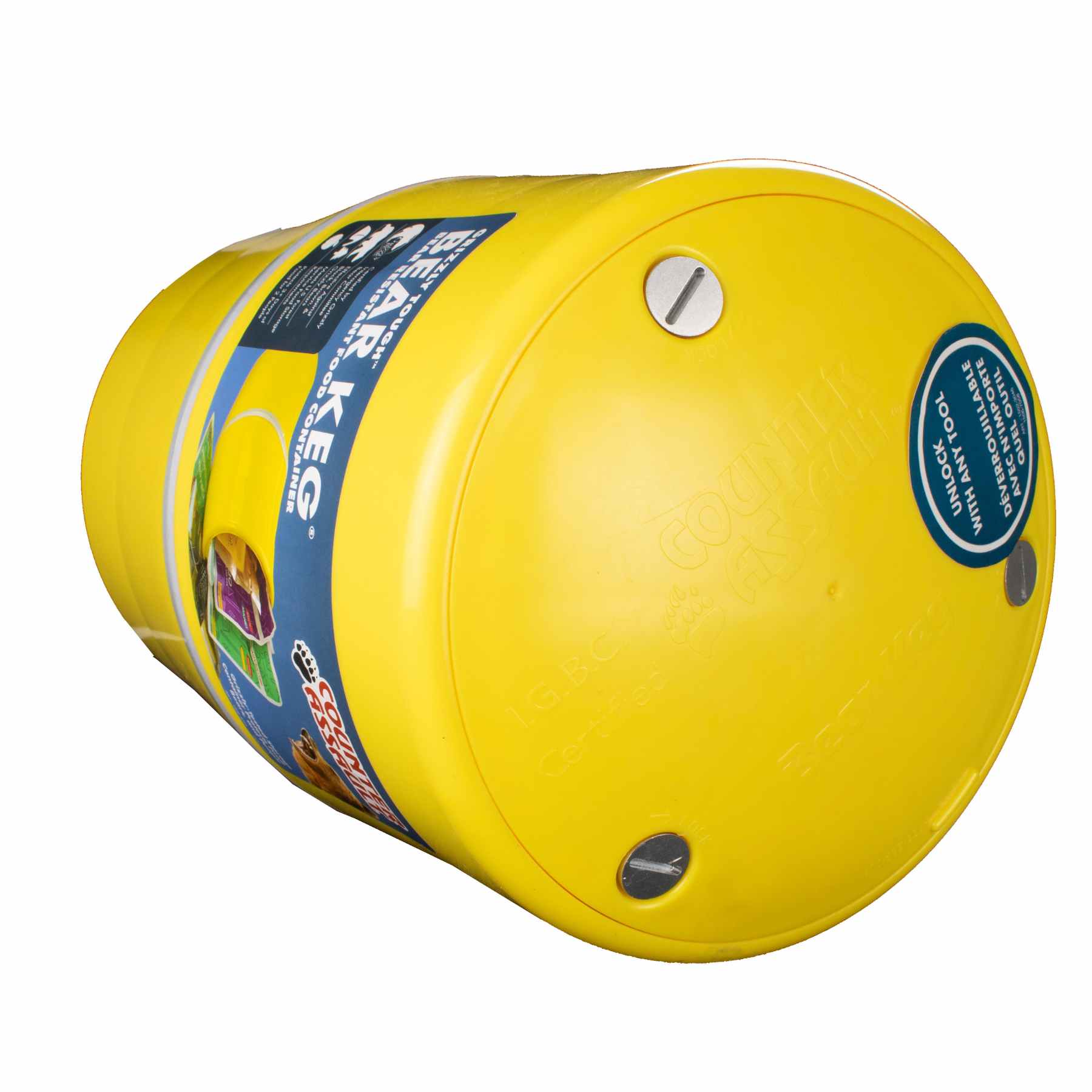
- Store food in hard-sided, bear-resistant containers: Use bear-resistant food containers or other approved storage so a bear does not get an easy calorie source.
- Separate cooking and sleeping areas: Keep food prep, dishwashing, and food storage away from tents or sleeping pads.
- Control odor and residue: Pack out grease, secure trash, and do not leave stoves, grills, or fish-cleaning waste where scent can spread.
- Handle game meat carefully: In hunting season, hang or move meat appropriately, mark the site, and stay alert when returning to it.
This short visual is a useful reminder of how purposeful bears become in feeding season.
A bear in hyperphagia is not acting out of aggression. It is responding to a narrow seasonal need to get calories fast.
That old "long winter sleep" shorthand misses the practical point. Torpor depends on fuel, and bears spend weeks or months getting that fuel any way the environment allows. As food patterns shift with weather and warmer falls, people in bear country need to treat food security as a year-round safety practice, not just a midsummer camping rule.
Not All Bears Hibernate Equally
A late-season hiker can walk the same trail in two different regions and get two very different bear patterns. One area may have bears denned up for months. Another may still have bears moving, feeding, and using sheltered ground close to people.
Location changes the pattern
Denning length shifts with weather, food access, snow cover, and local habitat. In colder interior country, bears often stay denned longer. In milder coastal systems, they may spend less time in dens because food remains available later and conditions are less severe.
That matters on the ground. Calendar-based assumptions fail fast in bear country.
A hunter in a northern mountain drainage, a homeowner on the edge of a forested subdivision, and an angler near a salmon system should not expect the same timing. Bears respond to conditions first. Date comes second.
Species and individuals vary
Black bears, brown bears, adult males, lone females, and pregnant females do not all follow the same schedule. Reproductive status is one of the clearest differences. Females with cubs can remain in dens longer because they give birth and nurse in that protected space.
Age, body condition, disturbance, and food availability also shape the pattern. A well-fed bear in secure habitat may den differently than a younger animal, or one living near roads, livestock, dumpsters, or buildings.
Some bears also choose den sites closer to people than hikers expect. Yellowstone National Park notes that bears have used places such as crawl spaces, culverts, and areas around buildings in some situations, which is why winter visitors and rural residents should secure structures and stay alert around sheltered spots, not just remote slopes and timbered draws. See Yellowstone’s bear hibernation guidance.
A practical field summary looks like this:
- Interior and colder-region bears: Often den longer.
- Coastal and milder-region bears: Often den for shorter periods.
- Pregnant females and new mothers: Commonly remain denned longer.
- Bears living near people: May use human-made shelter if it offers protection and low disturbance.
The simple winter-sleep story misses a key point. Hibernation is flexible torpor, shaped by local conditions and the individual bear. For anyone traveling or living in bear country, that means one rule holds up better than any calendar assumption. Stay bear-aware year-round.
How Climate Change Is Disrupting Hibernation
The old mental model was simple. Bears fed hard in fall, denned up, and stayed out of the picture until spring. That model is getting less reliable.

Food decides more than the calendar does
Bears are not obligate hibernators. They den when food disappears entirely, not merely because a date arrives. Jackson Hole Wildlife Safaris notes that in mild falls bears may remain active longer, with coastal Alaska bears hibernating 2 to 5 months versus 7 months inland, and recent studies in warming regions have shown 15 to 20% longer active periods in some areas, according to their discussion of why bears hibernate.
That flexibility is the key point. Hibernation is a strategy, not a switch.
An environment with late berries, extended mast availability, open water, or accessible human food can delay den entry. That means the old assumption, “It’s late enough that bears should be asleep by now,” is no longer a safe planning tool.
Why this changes outdoor risk
Longer active periods stretch the season of possible encounters. They also shift when caution is most important. Late fall can remain highly active bear time, especially when a bear is still trying to capitalize on food before denning.
For outdoor users, that changes several habits:
- Carry deterrence later in the year: Don’t retire bear precautions just because snow appears.
- Tighten food discipline in shoulder seasons: Mild weather can keep bears moving.
- Expect surprises in familiar places: Trails, trailheads, campgrounds, and roadside corridors may stay relevant to bears longer than older local lore suggests.
The most outdated safety assumption in bear country is that winter starts on the calendar for bears.
Climate doesn’t need to transform an ecosystem overnight to matter. A gradual shift in food timing and denning behavior is enough to catch hikers and campers unprepared. And in bear country, being off by a few weeks can be the difference between a routine hike and a serious encounter.
From Hibernation Facts to Trail Safety
Understanding hibernation is only useful if it changes behavior in the field. The main lesson is straightforward. Bears may be less active in winter, but they aren’t machines running on a fixed seasonal schedule, and a denned bear still isn’t a harmless one.
For encounter basics and response planning, Counter Assault’s guide on what to do if you see a bear is a practical companion resource.
Avoid the encounter in the first place
Most bear safety starts before a bear is ever visible.
- Hike in groups: Groups make more noise and are easier for bears to detect.
- Make noise where visibility is poor: Blind corners, dense brush, creek bottoms, and windy timber are classic surprise-encounter spots.
- Keep camp clean: Secure food, garbage, toiletries, and anything with an odor.
- Give bears space: Don’t approach for photos or better viewing.
Timing matters too. Dusk and dawn often deserve extra caution, particularly in places with grizzlies and limited sightlines.
What to do during an encounter
If a bear is present but not charging, the job is to reduce tension and create distance.
- Don’t run. Running can trigger pursuit.
- Stand your ground. Sudden retreat can make the situation worse.
- Avoid direct eye contact. That can read as pressure.
- Talk in a normal voice. Let the animal identify you as human.
- Back away slowly, often at an angle. Create room without turning the encounter into a chase.
If the bear acts aggressively or begins to charge, prepare to deploy bear spray.
Calm, deliberate movement solves more bear encounters than panic ever will.
How to use bear spray correctly
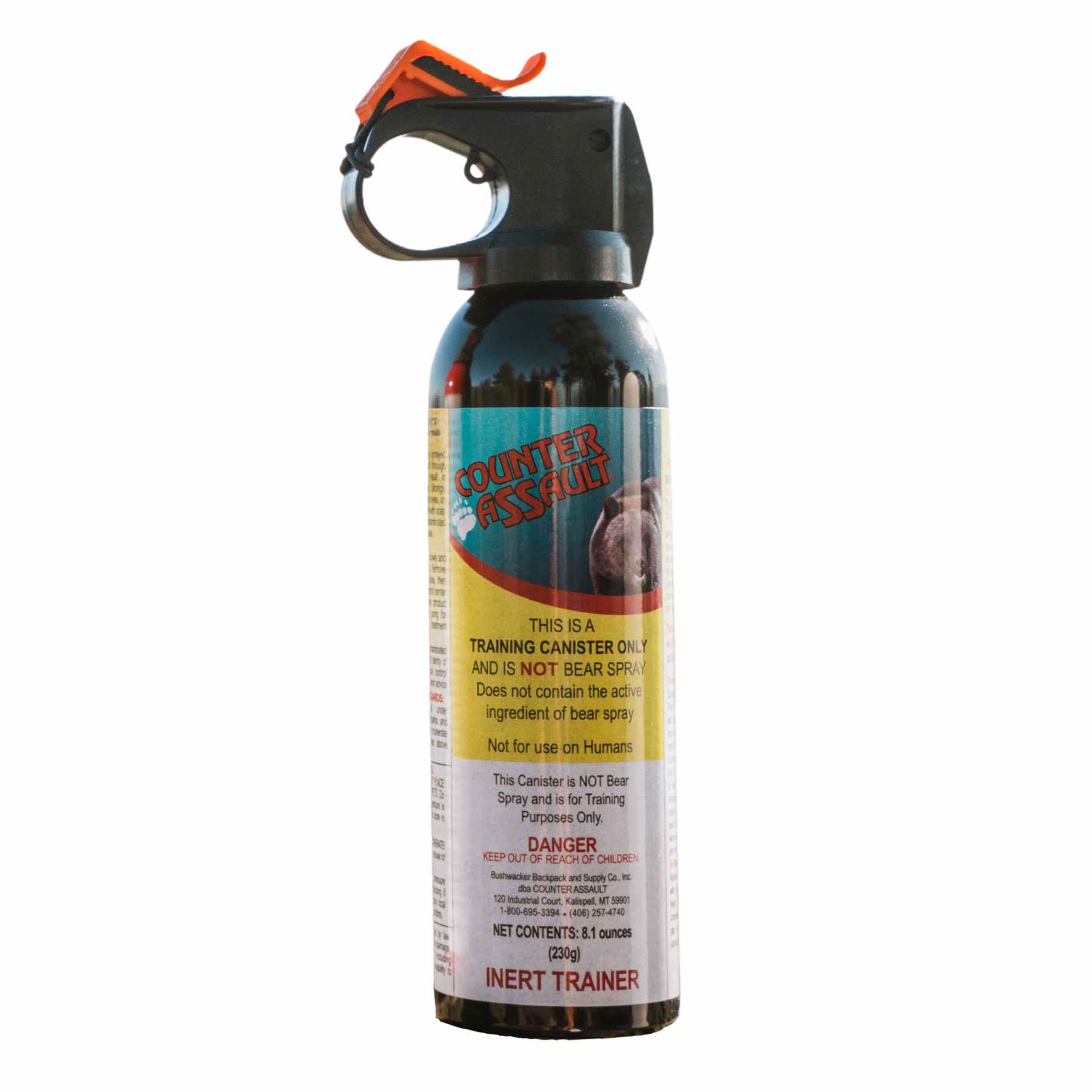
Bear spray is for an imminent aggressive encounter. It is not a repellent for skin, clothing, tents, or gear.
Use it this way:
- Remove the safety clip: Do this as the situation develops, not at the last instant.
- Aim slightly downward: Build a cloud in front of the charging animal.
- Start spraying when the bear is about 30 to 60 feet away: Put the cloud where the bear has to run through it.
- Continue until the charge breaks off: If needed, direct spray into the face.
- Leave the area once the encounter ends: Don’t stay and watch.
What doesn’t work well is just as important:
- Don’t spray it on gear: That doesn’t make gear “bear proof.”
- Don’t wait until contact distance: A charging bear closes ground quickly.
- Don’t treat it like a last-second trick tool: It works best when accessible and practiced.
A simple bear country safety kit
A solid kit supports the basics instead of replacing them.
| Item | Why it belongs |
|---|---|
| Bear spray | Primary non-lethal deterrent for an aggressive bear |
| First aid kit | Handles injuries and common backcountry problems |
| Light source | Supports camp safety and low-light awareness |
| Water treatment | Reduces pressure to camp near crowded water access |
| Insect repellent | Helps hikers stay alert and less distracted in buggy country |
Useful additions from established outdoor brands include the Adventure Medical Kits Hiker kit, a compact LuminAID solar camping lantern, and Natrapel insect repellent. Those aren’t bear tools, but they support better camp management and clearer decision-making in the field.
The larger point is simple. If someone understands why do bears hibernate, that person stops thinking in terms of “bear season” and starts thinking in terms of bear conditions. That shift leads to better route choices, cleaner camps, and fewer preventable mistakes.
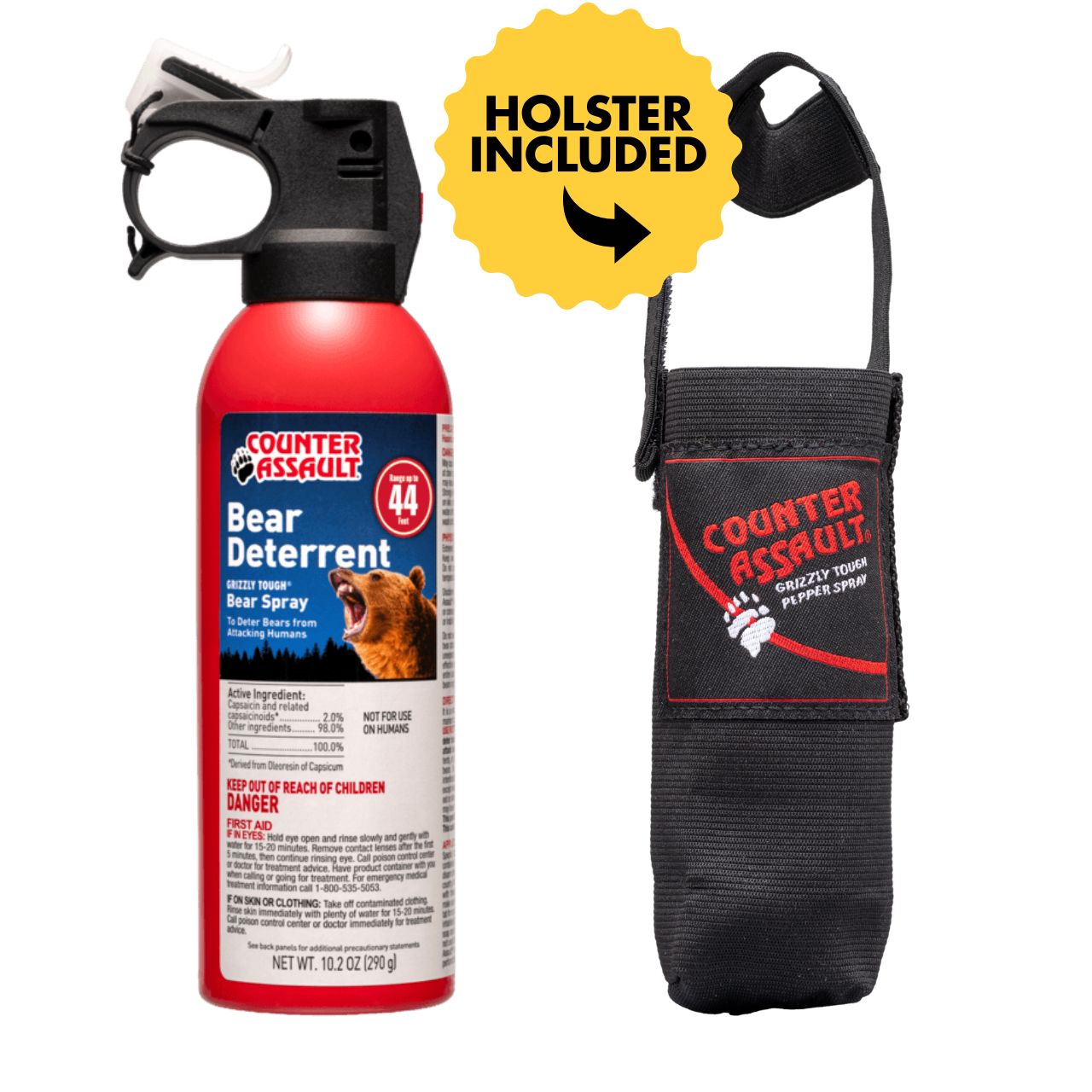
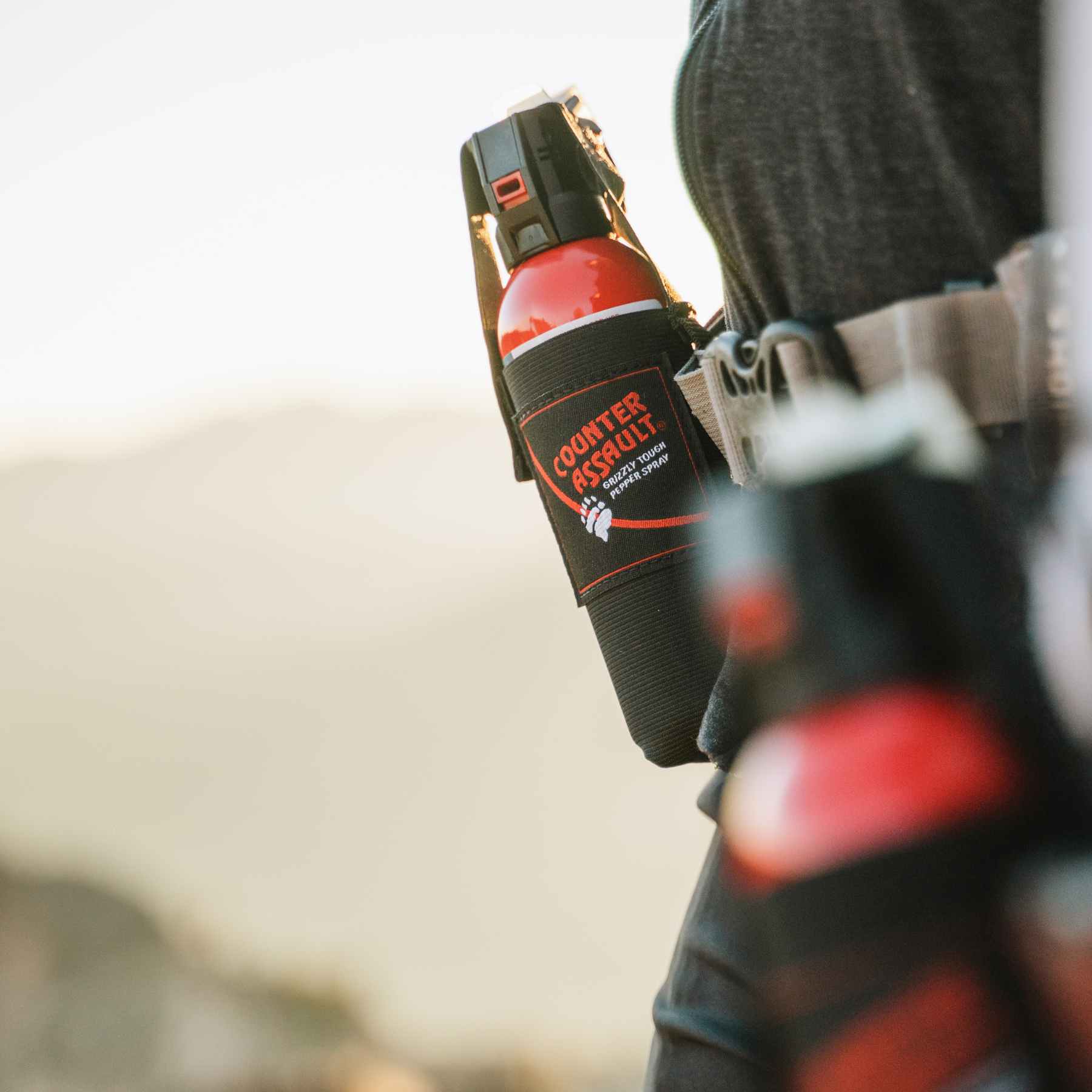
Counter Assault builds bear deterrents for exactly these real-world conditions. The Counter Assault 10.2 oz Bear Spray with Holster delivers a 44-foot range, uses a maximum 2% capsaicin formula, and is made in Montana for serious bear country. It’s designed for use on all bear species, as well as mountain lions and coyotes, and the included holster helps keep it accessible when seconds matter. For hikers, campers, hunters, and anyone spending time where bears may still be active outside the old seasonal assumptions, Counter Assault remains a reliable non-lethal choice focused on protecting both people and wildlife.