
A bear can sort the air with a nose built for detail humans never notice. Black bears and grizzlies are not just “good at smelling.” Bears have around 1,100 functional olfactory receptor genes, compared with about 396 in humans, and a black bear’s nasal mucosa surface area has been measured at 300 to 500 cm², compared with 150 cm² for a bloodhound, according to the National Park Service Yosemite bear series.
That biology changes how people should move in bear country. A tent that “smells clean” to a camper may still broadcast lip balm, toothpaste, drink mix, cooking residue, and food packaging. A bear does not need a visible mess. It needs a scent.
The practical lesson is simple. In bear habitat, scent discipline is not optional. It sits alongside making noise, traveling in groups, keeping distance from wildlife, and carrying a deterrent that can stop an aggressive approach before contact.
Table of Contents
Your Invisible Scent Trail in Bear Country
A hiker does not walk through bear country alone. Clothing carries sweat. Packs hold snacks, wrappers, sunscreen, bug repellent, and toothpaste. Boots pick up food drips at the trailhead and campfire smoke at night. To a bear, that is a moving scent trail.

That is why the bear sense of smell matters so much for safety. People often focus on the dramatic moment, the sighting on the trail or the bear in camp. The more important part usually happens earlier, when scent pulls a bear toward a food source, cooking area, garbage bag, cooler, or pack.
What bears notice that people miss
A person may think a campsite is tidy because there are no scraps on the ground. A bear works on a different standard. Odor residue on a stove, an empty snack wrapper, or a shirt used while cooking can matter.
Key takeaway: Clean-looking is not odor-free. In bear country, the nose decides what counts as “left out.”
This is also where coexistence starts. A bear that never gets rewarded by human food is less likely to keep returning to camps, trailheads, or vehicles. Good scent control protects people, and it also helps keep bears from learning bad habits.
Why this changes gear decisions
The right response is not fear. It is preparation. Hike in groups when possible. Make noise, especially around blind corners. Keep camp clean. Store food and scented items correctly. Carry a deterrent and know how to use it if a bear acts aggressively.
A bear’s nose is one reason surprises go badly. Respecting that fact is one reason trips go well.
The Anatomy of a Super Sniffer
A bear is working with hardware people do not have. Its nose is lined with far more odor-detecting tissue than ours, and its brain devotes far more processing power to smell.
That difference starts with structure. The passages inside a bear’s nose are heavily folded, which increases the amount of odor-sensitive surface exposed to the air. More folds mean more contact with scent molecules. More contact means a better chance of detecting faint traces and separating one odor from another instead of reading them as a single general smell.
Genetics matter too. Bears have around 1,100 functional olfactory receptor genes, compared with about 396 in humans. The olfactory bulb is also much larger relative to ours. In practical terms, a bear is equipped to pick up weak scent signals and sort them fast enough to act on them.
Olfactory Power Comparison
| Feature | Bear (Black/Grizzly) | Bloodhound | Human |
|---|---|---|---|
| Functional olfactory receptor genes | Around 1,100 | Not specified in the verified data | About 396 |
| Nasal mucosa surface area | 300 to 500 cm² in a black bear | 150 cm² | Smaller than bears. Exact figure not provided in verified data |
| Olfactory bulb | 5 times larger than a human’s | Not specified in the verified data | Baseline |
| Relative smell power | Estimated 7 times greater than a bloodhound’s | Benchmark tracking animal | Much lower than bears |
For hikers, campers, and hunters, the lesson is simple. Scent discipline is a requirement, not a housekeeping preference.
A shirt worn while cooking, a pan that looks rinsed clean, lip balm, fish slime on gloves, drink mix dust in a pack pocket, dog food, empty cans, toothpaste, and fuel residue all leave information behind. People judge by sight. Bears judge by airborne chemistry.
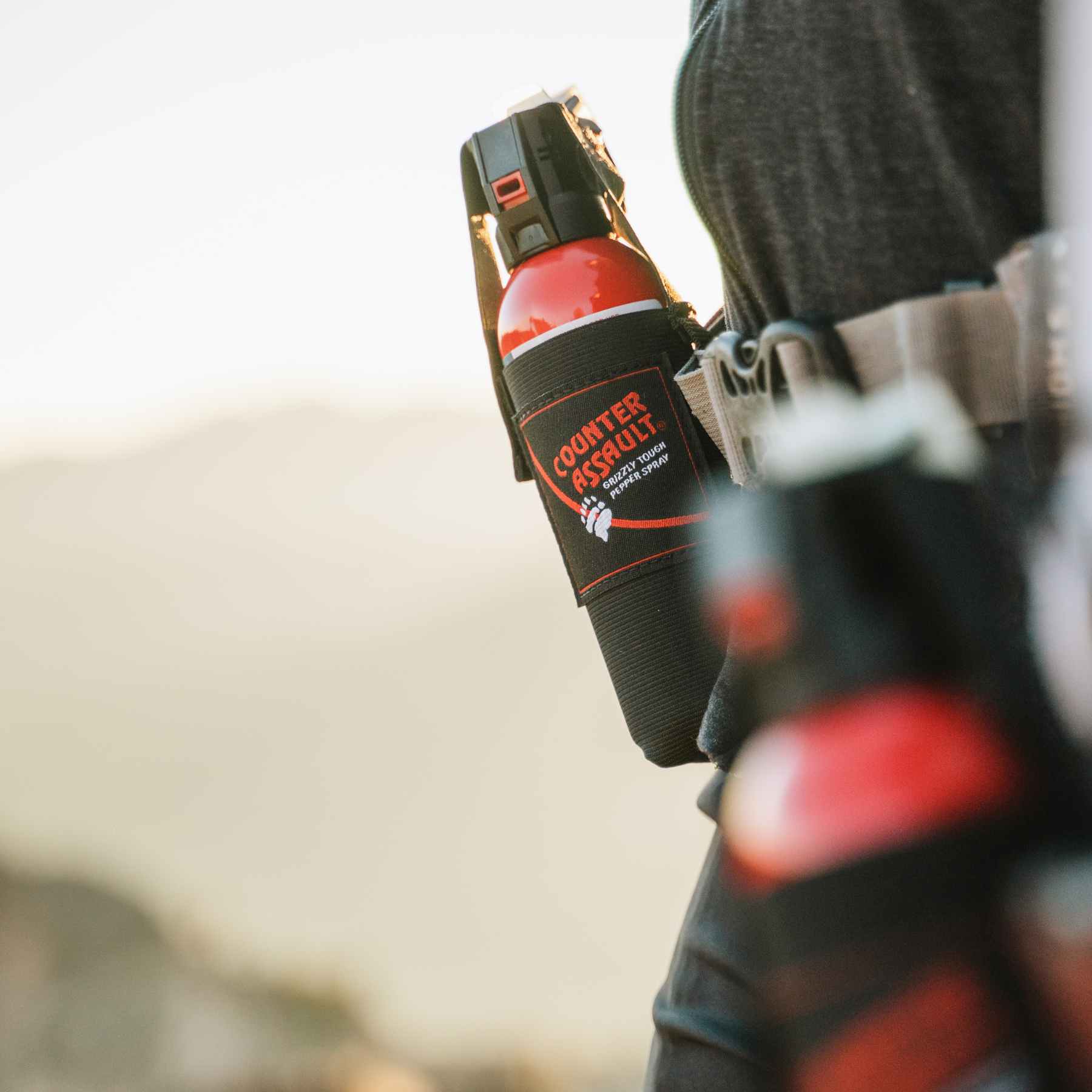
That is also why bear spray belongs on your body, not buried in your pack, and why range and stopping power matter. If a bear follows scent into close range, you may have only seconds to respond. The animal’s olfactory anatomy is the reason prevention has to start early and your deterrent has to be immediately accessible.
How Far Can a Bear Actually Smell
A bear can detect odor at distances that change with wind, terrain, humidity, and the strength of the scent source. The practical mistake is treating smell range like a fixed circle around camp.

What the distance estimates mean
Field reports and agency guidance support the same conclusion. Bears can pick up food odor from well over a mile under favorable conditions, and some documented cases suggest much longer detection ranges for strong scent sources in the right environment. The exact number changes. The consequence does not.
That range makes sense once you remember the anatomy behind it. An animal built with far more olfactory receptor genes than a human and a much larger scent-processing system is not just "good at smelling." It is built to catch faint airborne chemicals, sort them fast, and follow the trail to its source. For hikers and campers, that biology sets the rules. Food storage has to be strict. Cookwear has to be cleaned and secured. Bear spray has to be carried where a hand can reach it fast, not buried under spare layers.
Why conditions change everything
Wind is the first thing I look at in bear country. If your camp sits downwind, your odor can travel far beyond the area you can see or hear. In mountain terrain, evening air can slide downhill through drainages, while daytime thermals may lift scent uphill. Shorelines, open ridges, thick timber, and wet meadows all move odor differently.
A weak breeze can carry a food plume in one narrow direction for a long distance. Swirling air can also spread human and food scent into pockets where a bear crosses it by chance.
Field tip: Scent usually travels as a drifting plume shaped by air movement and terrain, not as an even ring around your camp.
That is why distance questions can mislead people. A bear does not need to be close to detect you. It only needs to be in the path of the odor you released. Once that happens, the animal may start closing ground long before anyone in camp realizes it, which is exactly why scent discipline is required and why a powerful, long-range bear spray belongs on your belt or chest strap.
What a Bear's Nose Tells It
A bear can sort scent with far more detail than a person can, and that biology affects what happens around your camp and on the trail.

Smell helps bears assess their surroundings
Food is only part of the picture. A bear’s nose helps it identify other bears, locate mates, check carcasses, judge whether a scent is fresh or old, and decide whether something is familiar, risky, or worth approaching. That matters because a bear coming toward camp is often doing exactly what its anatomy is built to do. It is collecting information.
The earlier section covered the hardware behind that ability. Large scent-processing structures, dense receptor coverage, and a strong memory for odor cues mean a bear is not just detecting a smell. It is sorting that smell into categories that guide behavior. If your camp carries food residue, toothpaste, garbage, and cooking odors, the bear does not experience one vague human scent. It gets a detailed chemical picture.
That is why sloppy scent control creates problems that last.
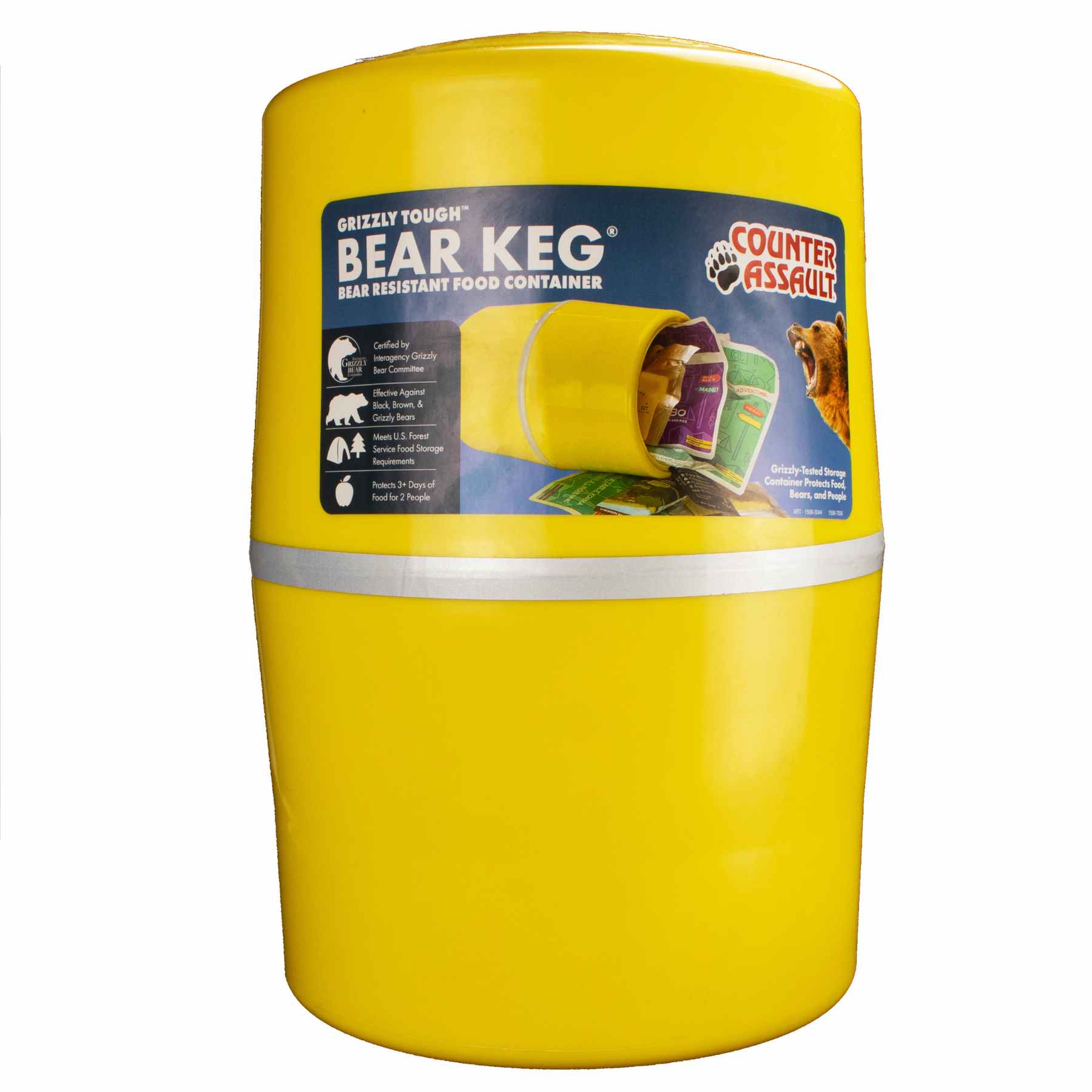
Bears can remember places where they found food before, as noted earlier. Once a campsite, overlook, or backcountry cooking area has paid off for a bear, that odor history can keep drawing attention later. Hikers should treat every crumb, wrapper, and food-stained layer as information left behind for the next animal that passes through. Using bear-resistant food containers helps cut down on the amount of odor a bear can sort out and follow.
Why people should make themselves known
A bear that smells you may still need to identify what you are, where you are, and whether you are a threat. Voice helps answer those questions sooner. Talking with partners, calling out near thick cover, and making noise at blind corners gives the animal clear human cues before the distance closes.
Do not let a bear figure you out at twenty feet if you can help it at a hundred.
Sudden encounters are dangerous because both sides lose time. A surprised bear has to make a fast decision at close range. A hiker does too. Respectful noise, clean camps, and disciplined scent control reduce the odds of putting yourself into that compressed, high-stakes moment.
A Practical Guide to Scent Management
Good scent management is less about gadgets and more about discipline. Every item with a smell needs a plan before the trip starts.

Even microscopic food residues or the scent from an empty wrapper can be detected by a bear from miles away, and wind direction plus atmospheric stability can amplify that range, as noted in DaisyCrocket’s discussion of bear smell and scent control.
What belongs in odor-controlled storage
The list is longer than many campers expect.
- Food and drinks: Meals, snacks, drink mixes, cooking oil, and leftovers all count.
- Toiletries: Toothpaste, lip balm, deodorant, sunscreen, and anything scented.
- Trash: Empty wrappers, used wipes, foil packets, cans, and food-stained paper goods.
- Cooking gear: Pots, utensils, stoves, fuel-area spills, and dish cloths can carry residue.
- Clothing: Shirts or jackets worn while cooking can hold odors even when they look clean.
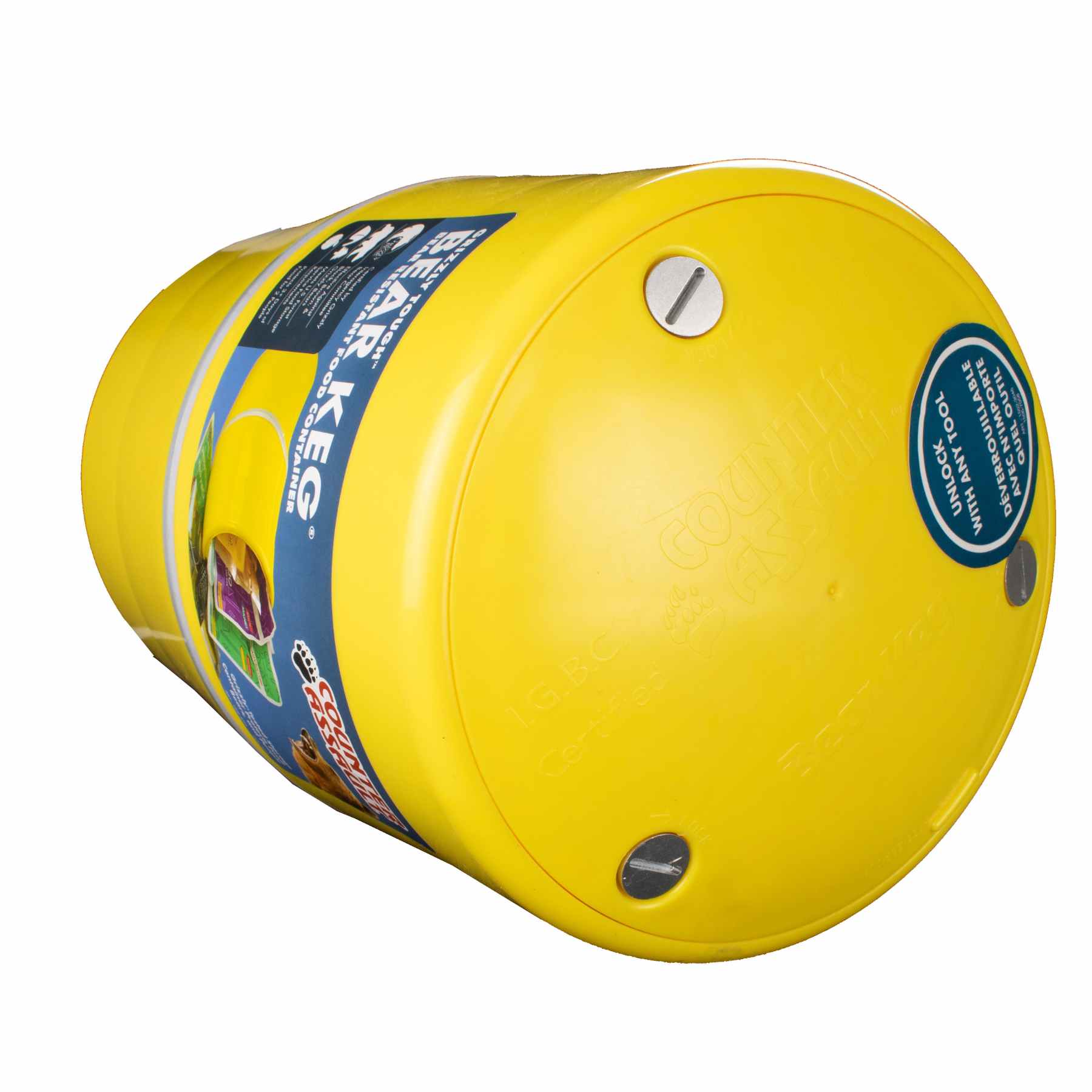
For hard-sided storage, use proper bear-resistant food containers or the site-specific storage required by the area being visited. If a location allows food hangs, follow local guidance carefully and do it correctly. Sloppy hangs teach bears to inspect camps.
What works and what fails in camp
What works is consistency.
- Separate activities: Keep cooking, sleeping, and food storage well separated.
- Pack out all trash: Do not burn food waste and do not bury it.
- Clean immediately: Wash cookware and police micro-trash before dark.
- Change habits, not just containers: Do not snack in the tent and do not store scented items in a sleeping area.
What fails is the half-measure. A cooler with a better latch is not a bear-safe container. A sealed wrapper still smells. A “mostly clean” picnic table still advertises dinner.
This video gives a useful look at camp habits and food storage in bear country.
A few supporting items also earn their place in camp systems. A compact camp light like the LuminAID solar lantern helps with cleanup after dark. A field-ready first aid option from Adventure Medical Kits belongs in every group kit.
Camp rule: The goal is not to hide food from a bear’s eyes. The goal is to deny the bear a reason to investigate at all.
Scent, Wind, and Deploying Bear Spray
A bear’s nose is one reason bear spray works. The product is not a camp repellent and not something to spray on gear, clothing, tents, or people. It is a last-line tool for an aggressive encounter.
Bear spray is an interceptor, not a repellent
When a bear charges or behaves aggressively and appears likely to charge, the job is to put a cloud between the person and the animal. Aim slightly downward toward the front of the charging bear so it runs into that cloud. If the bear keeps coming, direct the spray into the face. Then leave the area.
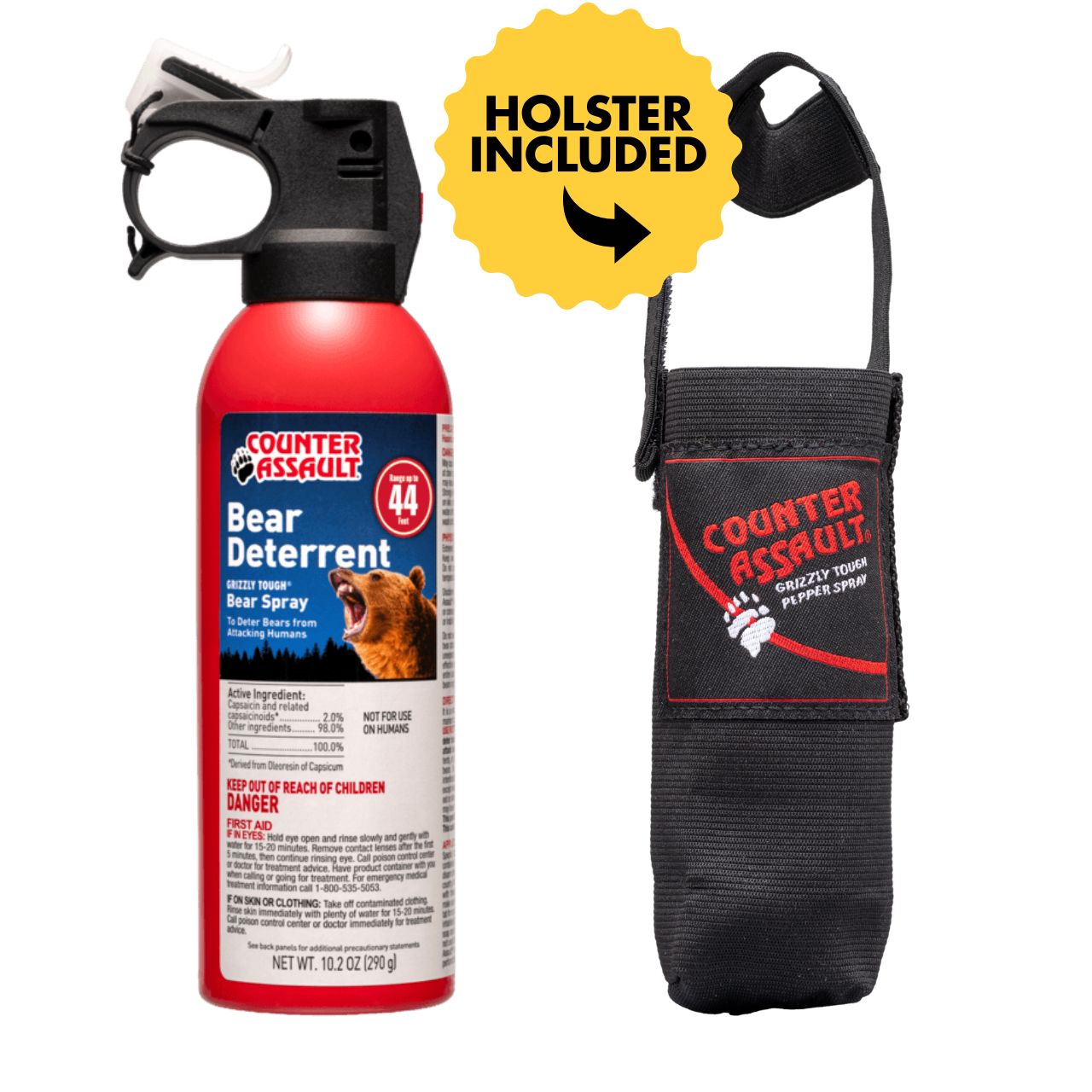
For people comparing canister performance, the Counter Assault 10.2 oz bear spray with holster uses a 2% capsaicin and related capsaicinoids formula and projects up to 44 feet, facts described in the company background provided for this article. That reach matters because distance buys time, and time helps under stress. The related 44-foot bear spray press release provides more detail on that longer-range platform.
Wind changes the job, not the decision
Wind does affect animal movement and scent travel. Hunters pay attention to that for the same reason hikers should, and a useful example appears in this guide on how wind affects animal movement. The lesson applies here too. Air movement shapes where odor goes and how an animal approaches.
That does not mean wind makes spray pointless. It means the user should pay attention. If possible, spray with awareness of wind direction and create the cloud where the bear will pass through it. In wooded country, terrain and vegetation often reduce the kind of clean, sustained wind people picture in open country arguments about blowback.
What does not work is waiting too long, carrying the can buried in a pack, or treating spray like a charm instead of a practiced tool. Keep it accessible. Remove the safety clip only when needed. Use it only for aggressive bears, mountain lions, or coyotes. Never use it on people.
Your Bear-Safe Action Plan
The bear sense of smell is not a trivia point. It is a planning fact.
A person heading into bear country should do five things well. Manage food odor. Store every scented item correctly. Make noise and avoid surprising wildlife. Keep distance if a bear is seen. Carry accessible spray and know the sequence for using it.
The common mistakes are also clear. Do not trust a clean-looking camp. Do not leave wrappers, cookware, toiletries, or food-stained clothing unmanaged. Do not spray bear spray on tents, boots, or packs. Do not run in an encounter.
If a bear is present but not charging, stand calm, avoid direct eye contact, speak normally, and back away slowly. If more encounter guidance is needed before a trip, review this resource on what to do if you see a bear.
Preparation keeps the margin on the human side. A bear uses scent to understand its world. People should respond by reducing attractants, moving predictably, and being ready if a situation turns aggressive.
Counter Assault offers bear safety tools built for that last part of the plan. Hikers, campers, hunters, and working professionals who travel in bear country can explore Counter Assault for bear spray, storage options, and field gear designed to help keep both people and wildlife safe.