
Shopping for gifts for dad often starts the same way. A search window fills with knives, mugs, joke shirts, grilling gadgets, and another long list of stuff he probably won't use after one weekend.
That problem is bigger than most gift guides admit. Father's Day is a major retail event, with projected U.S. spending estimated at $27.9 billion for 2026 and 77% of consumers planning to celebrate, according to Medill reporting on National Retail Federation figures. But volume doesn't make the choice easier. It usually makes it worse.
For outdoor dads, the better gift isn't novelty. It's equipment that helps them get home safely. The most useful presents are the ones that fit how they already spend time outside, whether that's camping, fishing, hiking, RV travel, hunting, or taking the dog down a trail at first light.
Table of Contents
Beyond the Tie Rack: Useful Gifts for the Outdoor Dad
A lot of gifts for dad fail for one reason. They solve no real problem.
That matters most with the dad who already has a garage full of tools, a bin of camp gear, and a habit of buying what he needs before anyone else gets the chance. Mainstream gift lists are crowded with “unique” ideas, but they rarely help a buyer judge durability, maintenance, portability, or whether the gift will still earn a place in the truck a month later. That gap is clear in the broader gift market, where huge roundup pages dominate and practical decision-making often gets lost under novelty and volume, as seen in large dad gift catalogs such as Uncommon Goods.
Utility beats novelty
The strongest gift for an outdoor dad usually supports an activity he already values. A father who camps with grandchildren, hikes in bear country, or spends hunting season in remote terrain doesn't need another decorative item. He needs gear that handles bad weather, low light, cuts, blisters, wildlife, and food storage.
Field rule: If a gift can stay packed in the truck, on the belt, or in camp all season, it has a much better chance of being appreciated.
That same logic helps with RV travelers. Someone shopping for a father who camps by road as often as by trail can find RV gifts at Motor Sportsland and then build around the same principle. Choose equipment that earns its keep.
What useful actually looks like
A serious outdoor gift tends to fall into one of a few categories:
- Safety gear: Items that help prevent injury or manage risk in the field.
- Camp systems: Food storage, lighting, shelter repair, and weather readiness.
- Health support: First aid, hydration, bite relief, and navigation.
- Preparedness tools: Equipment that matters when a trip stops being comfortable and starts requiring judgment.
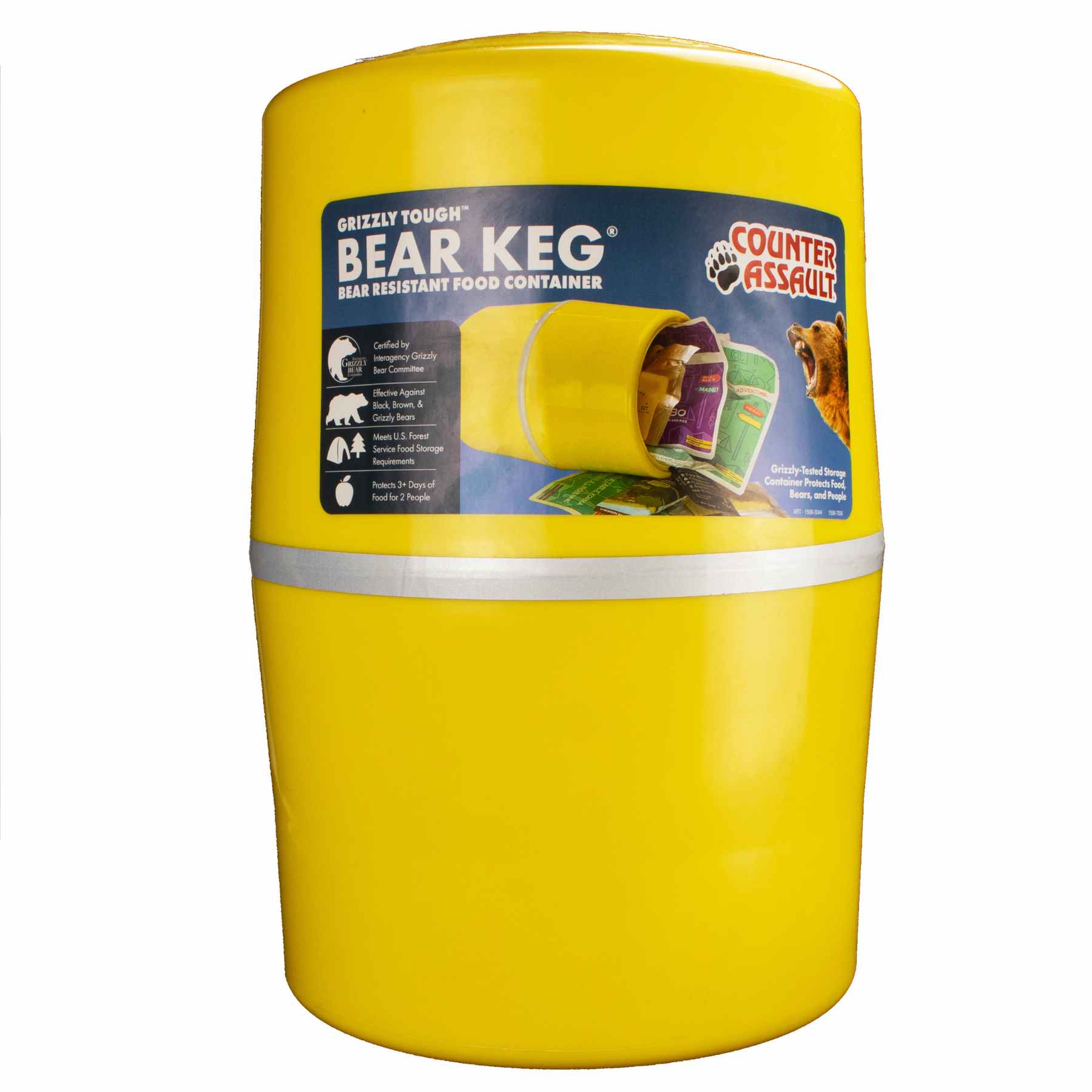
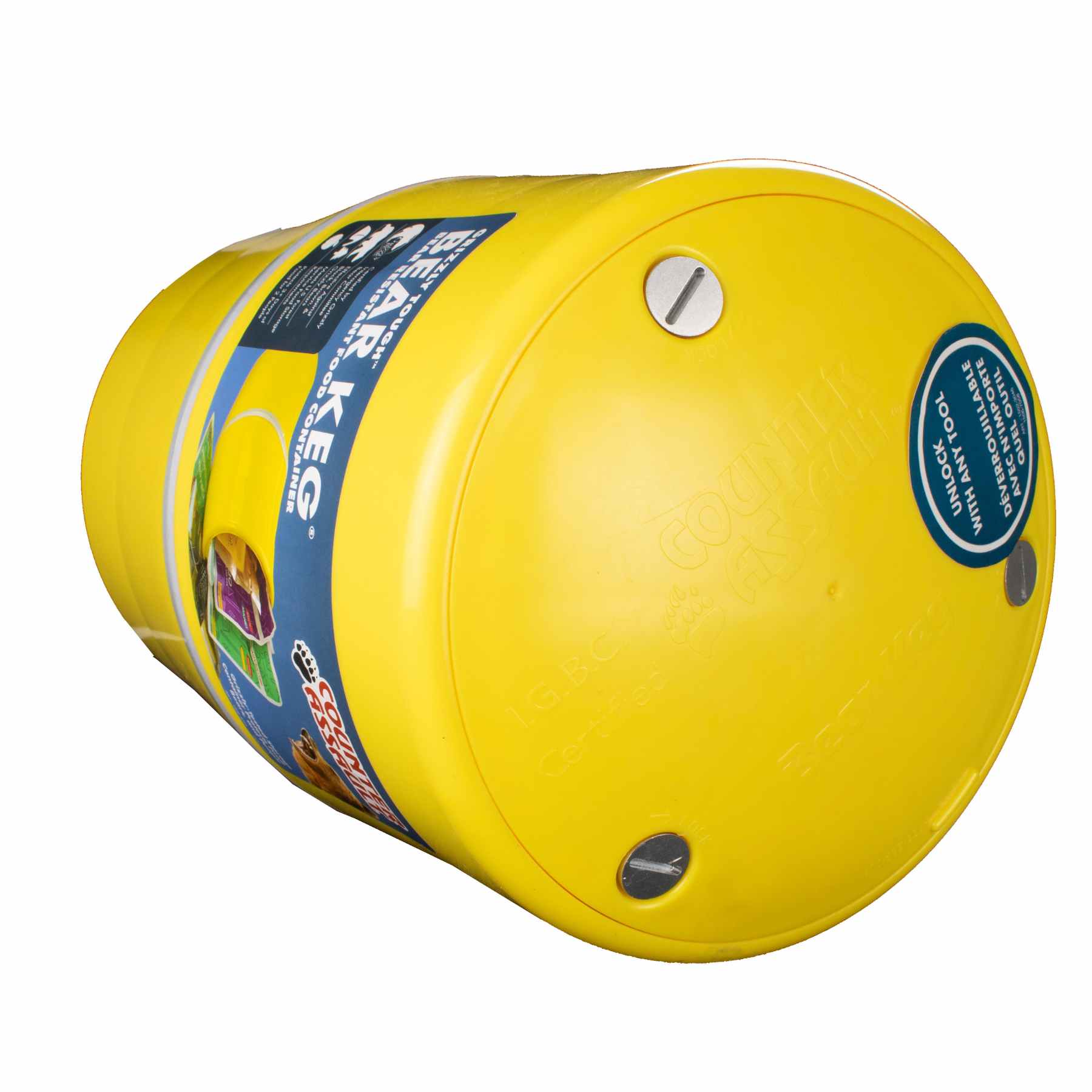
Food storage is a good example. Plenty of people buy camp gear without thinking through odor control and wildlife habits until a trip goes sideways. A practical read on bear-resistant food containers can be more useful than another list of gimmicks because it addresses a real campsite decision with consequences.
The best gifts for dad don't need to look sentimental to be thoughtful. A piece of safety equipment can say the same thing more clearly than a novelty item ever will. It says the trip matters, the person matters, and coming home matters.
The Cornerstone of Wilderness Safety: Understanding Bear Spray
For dads who spend time in bear country, bear spray belongs in the same category as a first-aid kit, emergency light, and map. It isn't decoration, and it isn't a toy. It's purpose-built safety equipment for a specific kind of worst day.

What bear spray is for
Bear spray is a non-lethal wildlife deterrent designed for aggressive encounters with bears. In this context, non-lethal matters. The goal is to stop the charge, create a chance to leave the area, and reduce harm to both the person and the animal.
That makes it very different from human self-defense spray. It also makes it different from any mindset that treats wildlife encounters like a fight to win. Responsible outdoor travel is about avoiding conflict first, then carrying the right tool in case avoidance fails.
A strong gift choice in this category works because it fits a real use case:
- Backcountry hiking: Fast access on a belt or chest rig matters more than packing it deep in a bag.
- Campgrounds near habitat: Wildlife often shows up where people get sloppy with food.
- Fishing and hunting trips: Quiet travel, carcass smells, and remote terrain raise the need for readiness.
- Trail walking in predator country: The same deterrent category may matter for mountain lions and coyotes where legal and appropriate.
Why this belongs in a gift conversation
A lot of Father's Day shopping happens late. NielsenIQ reported that nearly 9 in 10 shoppers planned to finish purchases within the month before Father's Day, and almost 1 in 4 waited until the final week. The same forecast also found common gift categories such as sporting goods, hobby products, and tools, showing that buyers already lean toward practical choices when the occasion gets close, according to NielsenIQ's Father's Day 2025 forecast.
Bear spray fits that pattern better than most novelty gifts because it meets a clear test. It has a job. It can be carried. It can be trained with. It can be checked before a trip like any other piece of essential gear.
Bear spray should be treated like a seat belt or trauma kit. A person hopes it never gets used, but still shouldn't head into risk without it.
What a buyer should look for
When choosing bear spray as a gift, practical details matter more than packaging.
Look for:
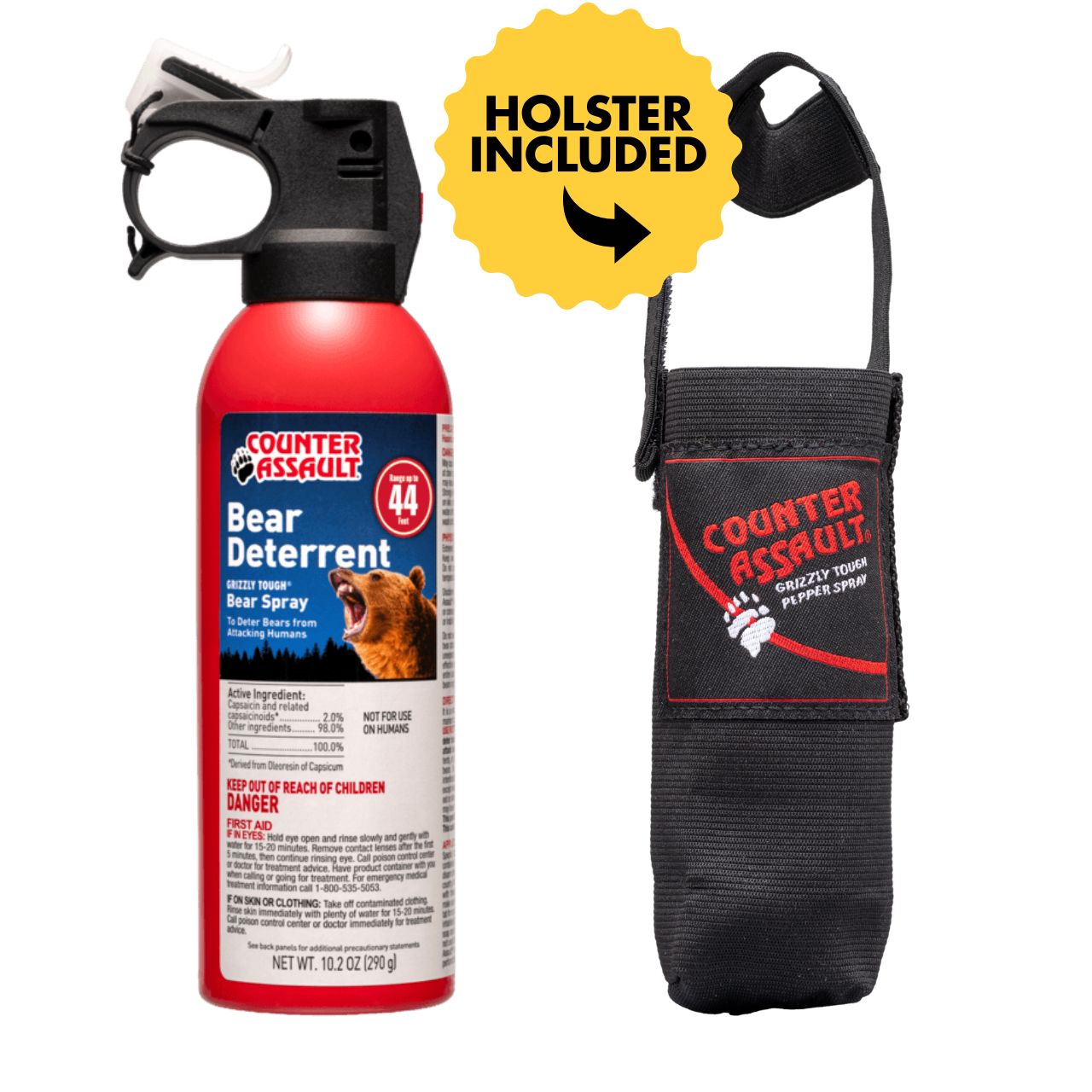
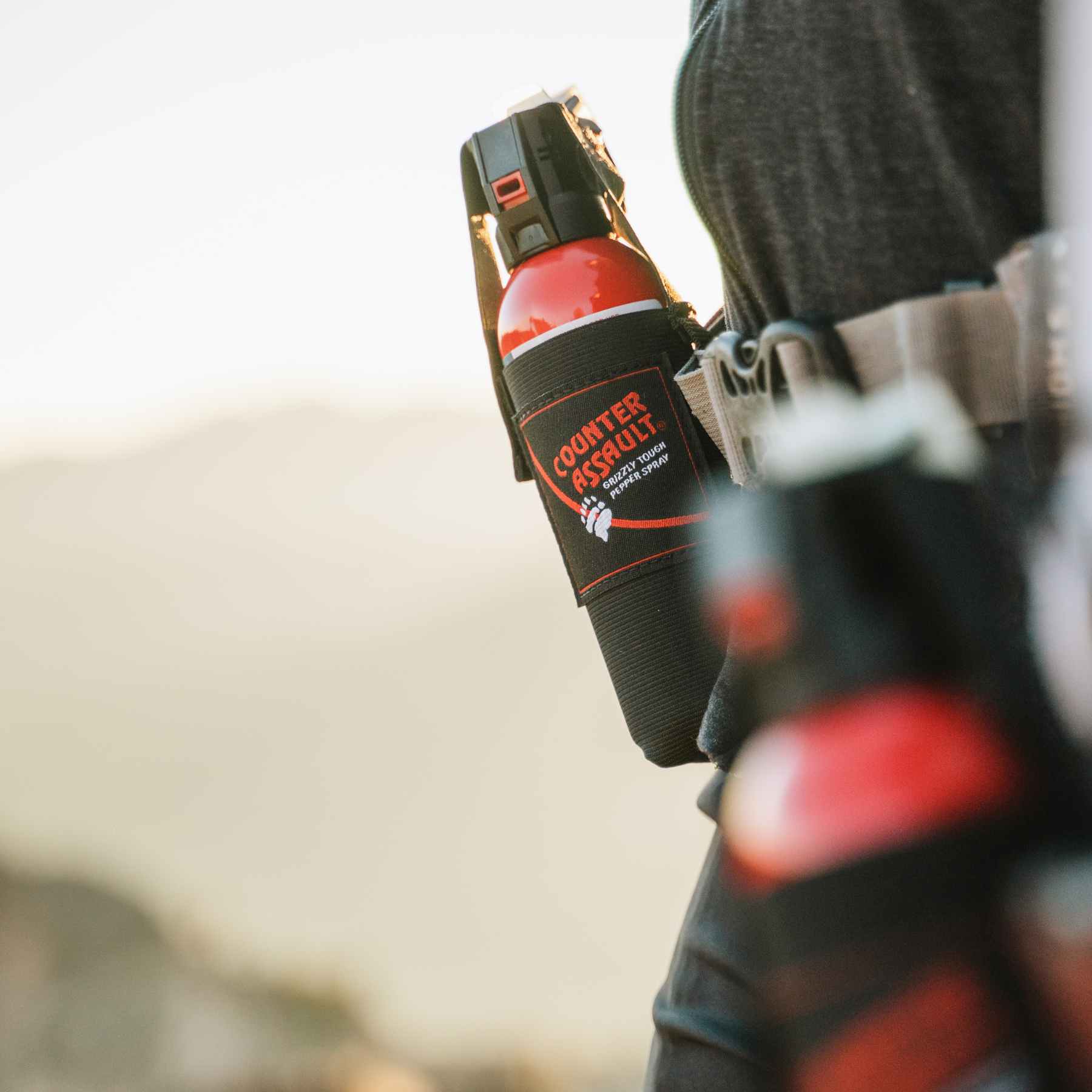
- Accessible carry: A holster or carry method that keeps the can available immediately.
- Field-ready design: Outdoor gear gets bumped, wet, dusty, and cold. The tool has to handle that.
- Clear intended use: It should be presented and understood as a deterrent for bears, mountain lions, or coyotes where appropriate, not for use on people.
- Reputable outdoor brand standards: Manufacturing quality, clear instructions, and straightforward safety guidance matter.
A dad who spends real time outdoors usually recognizes useful gear on sight. Bear spray lands well because it doesn't pretend to be anything else.
Choosing the Right Tool Bear Spray vs Other Deterrents
Confusion around deterrents gets people in trouble. Bear spray, personal pepper spray, air horns, bells, and firearms are not interchangeable.
The right question isn't which item sounds toughest. It's which tool is designed for an aggressive wildlife encounter and gives the user the best chance to stop that encounter safely.

What the evidence says
In a 2008 study, bear spray was 90% effective and 98% of users were unharmed by the bear, while firearms were 84% effective in stopping the attack. The same study found that injury rates for the person involved were the same whether they had a firearm or not, as summarized in the Alaska bear deterrent spray study.
That finding lines up with what outdoor professionals have said for years. Under stress, on uneven ground, at close distance, against a fast-moving animal, precision is hard. Deterrent spray creates a cloud. A firearm depends on fast, accurate shot placement under pressure.
Side-by-side practical comparison
| Feature | Counter Assault Bear Spray | Personal Pepper Spray | Firearm |
|---|---|---|---|
| Primary purpose | Wildlife deterrence for aggressive bears and certain other wild predators | Human self-defense | Lethal force tool |
| Use case | Backcountry travel, trail safety, camp protection during an active threat | Urban or personal defense scenarios | Specialized use with major safety, legal, and skill burdens |
| Practical effect | Creates a deterrent cloud in front of the animal | Not designed for charging bears | Requires precise hits under extreme pressure |
| Risk to wildlife | Non-lethal intent | Poor fit for wildlife encounters | High risk of severe injury or death |
| Best choice for bear country | Yes | No | Generally a worse safety choice for most recreational users |
For readers comparing categories more directly, this breakdown of bear spray vs pepper spray helps clarify why human-defense products shouldn't substitute for bear-specific deterrents.
What doesn't work well
Some gear gets recommended because it sounds outdoorsy, not because it solves the problem.
- Bells and casual noise makers: Helpful for alerting wildlife to human presence in some situations, but not a response tool for an aggressive charge.
- Personal pepper spray: Built for a different target and a different scenario.
- Firearms in untrained hands: Heavy legal responsibility, high stress demands, and a poor margin for error in close quarters.
Carrying the wrong tool can create false confidence, and false confidence is dangerous.
The better gift is the item built for the exact risk. In bear habitat, that means bear spray.
How to Use Bear Spray and Practice Bear Safety
Preparedness starts long before a bear appears on the trail. Good habits prevent a lot of bad encounters, and clear drill-ready steps keep panic from taking over if one happens.

Reduce the odds of an encounter
Most backcountry safety work is ordinary and unglamorous. That's why it works.
- Hike in groups: Groups make more noise and are generally more noticeable to bears.
- Make noise on blind corners: A bear that hears people coming has more opportunity to avoid contact.
- Avoid dawn and dusk travel when possible: Those periods can be more active for grizzlies.
- Keep a clean camp: Food, trash, and scented items should never be left carelessly around camp.
- Don't crowd wildlife: No photos, no feeding, no closing distance for a better look.
A short training video helps many people remember the sequence under stress:
What to do during an aggressive encounter
If the bear isn't charging, the person should avoid eye contact, speak in a normal voice, stand their ground, and back away slowly and sideways. Running can trigger pursuit. Screaming usually doesn't help.
If the bear is charging, or acting aggressively enough that a charge seems likely, bear spray is the correct emergency tool.
Use it like this:
- Remove the safety clip.
- Aim slightly downward toward the front of the bear and into the direction of the charge.
- Start spraying when the bear is about 30 to 60 feet away, creating a cloud the animal must run through.
- Continue spraying until the bear diverts.
- If it keeps coming, direct the spray into the face.
- Leave the area immediately once the encounter breaks.
Practice matters before the trip
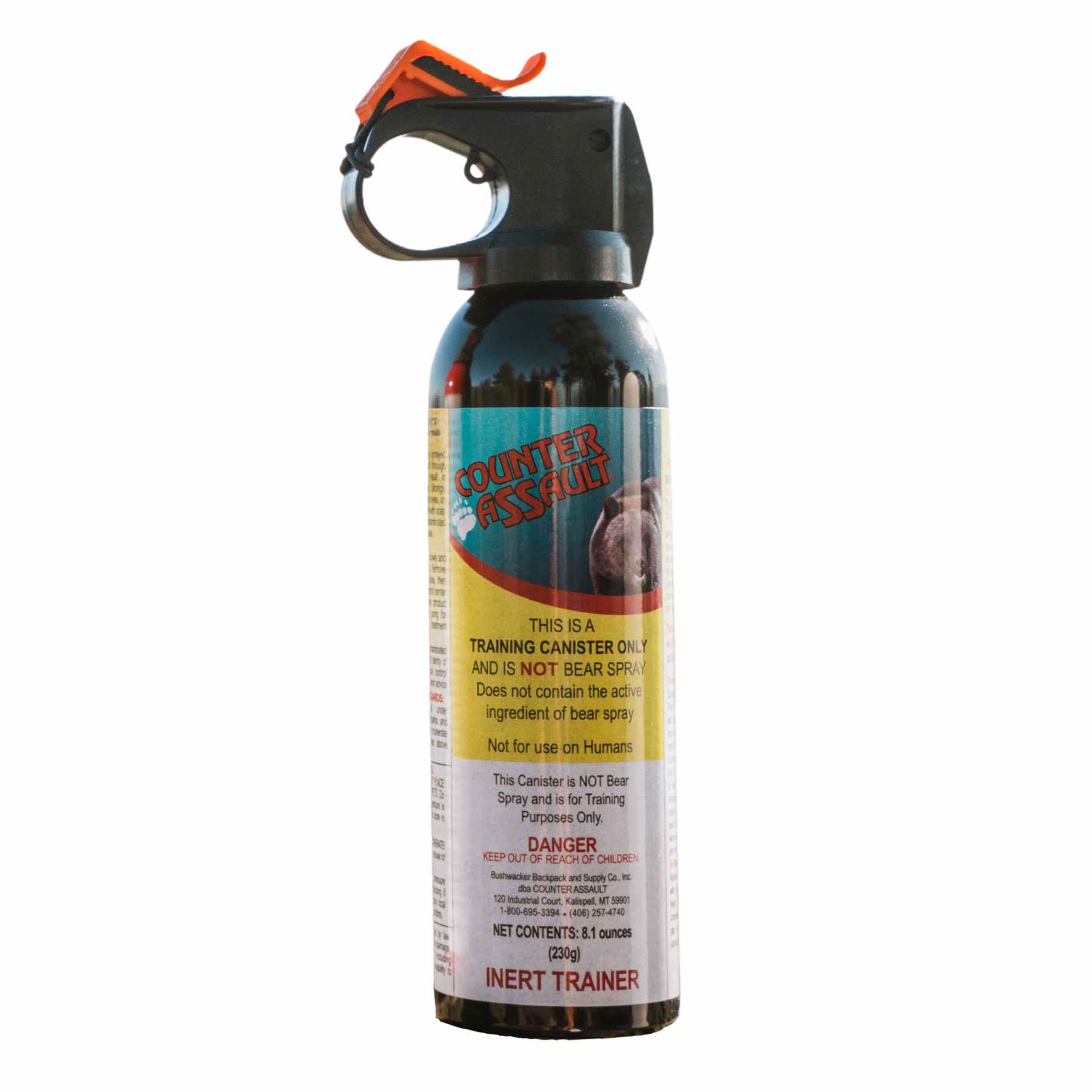
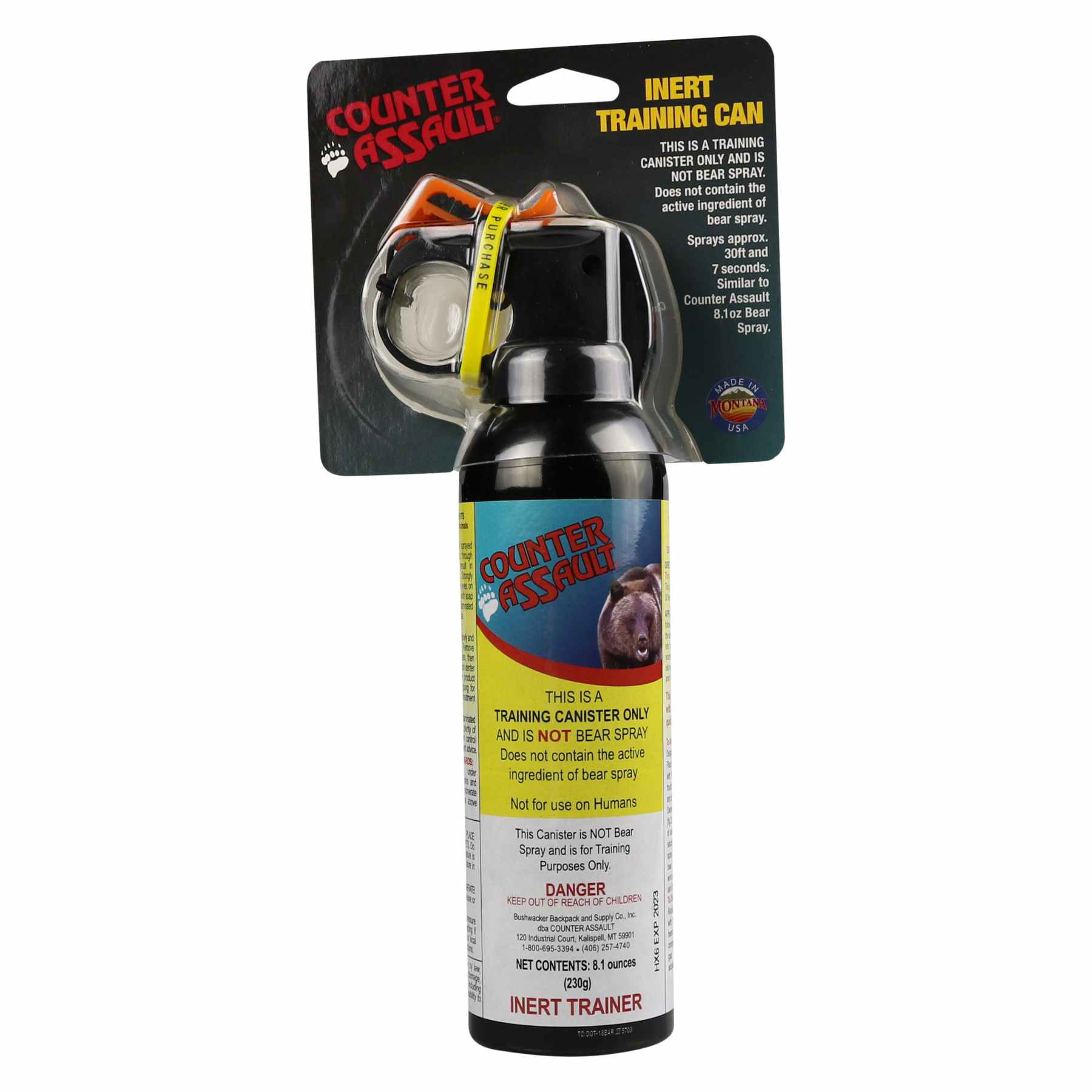
A can buried in a pack might as well be left at home. The user should know where it rides, how the safety works, and what the draw feels like with cold hands or gloves.
Practical reminder: Bear spray is not insect repellent. It should never be sprayed on clothing, skin, tents, or gear as a preventive coating.
A National Park Service summary of Alaska incidents reported that bear spray stopped unwanted bear behavior in over 90% of cases, and in 72 incidents involving 175 people, only three individuals were injured after deploying it, with no serious injuries reported. That summary appears in the National Park Service review of bear spray studies.
The lesson is simple. Carry it where it can be reached. Practice the draw. Use it only when the animal is charging or showing aggressive behavior that could become a charge.
Build the Ultimate Outdoor Safety Gift Pack for Dad
A single gift can do the job. A well-built safety pack does it better.
For dads who spend weekends in camp, on trail, or in a fishing boat headed into remote water, a preparedness kit makes more sense than a random assortment of “outdoor” gadgets. It also feels more considered. Every item supports the same idea: safer travel, cleaner problem-solving, and fewer avoidable mistakes.

Core pieces that earn their spot
A practical gift pack can include:
- Bear deterrent: The central wildlife safety item for travel in bear country.
- First aid kit: A real wilderness-oriented kit, not a tiny pouch with a few adhesive bandages. Adventure Medical Kits is a strong place to start.
- Reliable light: A lantern or packable emergency light helps in camp and during vehicle or trail delays. LuminAID offers outdoor-ready lighting options.
- Insect protection: Bites ruin trips and can become more than an annoyance. Natrapel is worth a look for repellent options.
- Navigation backup: Map and compass, or another dependable non-phone navigation system.
- Water treatment: A compact filter or purification option belongs in any serious kit.
Match the kit to the dad
Not every father needs the same pack. The useful version matches where he goes.
A backpacker may value low weight and compact packing. An RVer may prefer a larger camp kit with better lighting, extra first aid, and organized storage. A dog walker in coyote or mountain lion country may want fast-access safety gear and a small trauma kit near the leash setup.
The point isn't to build the biggest bundle. It's to build the one he'll carry.
A good safety gift pack avoids the common mistake in gifts for dad. It doesn't ask him to become a different person. It supports the one who already heads outside.
Frequently Asked Questions About Bear Spray
Is bear spray legal in national parks
Rules can vary by location and jurisdiction, so the buyer or user should always check the current regulations for the specific park, state, or travel route before the trip. In many outdoor destinations, bear spray is commonly carried as wildlife safety equipment, but local transport and possession rules still matter.
That check is especially important when crossing borders, boarding commercial transportation, or flying to a destination before a trip.
How long does bear spray last
Bear spray doesn't last forever. The can should be checked regularly for its expiration date and overall condition.
Heat, corrosion, puncture damage, and neglected storage all matter. For a gift, an expired or badly stored can isn't thoughtful. It's dead weight.
Will wind make bear spray useless
Wind is a real factor outdoors, but it doesn't make bear spray pointless. The user still needs to aim correctly, deploy at the right distance, and understand that some blowback is possible.
Wooded terrain often reduces wind exposure compared with wide-open ground. The answer isn't to skip the spray. It's to carry it, learn it, and practice with the actual deployment steps before the trip.
A tool doesn't need perfect conditions to be the right tool. It needs to work in the conditions people actually face outdoors.
Can bear spray be used on mountain lions or coyotes
Yes, bear spray may also be appropriate for mountain lions and coyotes when used as a wildlife deterrent during an aggressive encounter. It should not be treated as a general-purpose weapon, and it should never be marketed or carried as a product for use on people.
That distinction matters. Bear spray belongs in the outdoor safety category, not personal assault or law-enforcement use.
What's the best way to carry it
The best carry method is the one the user can reach immediately under stress. That usually means a belt holster, chest carry, or another position outside the pack.
A can stored inside a backpack may be protected from weather, but it's also slower to access. For wildlife deterrents, access beats convenience.
Is bear spray a good gift if dad already has a lot of gear
Yes, if he travels in wildlife country and doesn't already carry an effective deterrent. Safety equipment isn't redundant just because it's not flashy.
The strongest gifts for dad are often the least theatrical. They solve a real field problem, fit the way he already spends time outdoors, and don't end up in a drawer by July.
A smart Father's Day gift doesn't have to be sentimental to show real care. For dads who hike, camp, hunt, fish, travel in RVs, or spend time in bear country, dependable safety gear is one of the few gifts that can matter long after the holiday ends. Counter Assault builds bear deterrents and related outdoor safety equipment for exactly that kind of use, including the 10.2 oz bear spray with holster.