
Shopping for a backpacker usually starts the same way. A search opens for gift ideas, and the screen fills with socks, mugs, gadgets, snacks, and tiny titanium accessories that look clever but may never leave the gear closet. For someone headed into the backcountry, especially wildlife territory, the better question is simpler. What will help them come home safe?
That shift matters because outdoor gear has moved well beyond novelty. The global hiking gear and equipment market was valued at USD 6.7 billion in 2024 and is projected to reach USD 12.2 billion by 2034, growing at a 6.2% CAGR, according to Market.us coverage of the global hiking gear and equipment market. Safety gear belongs in that premium conversation. It isn't the flashy part of a kit, but it's often the most thoughtful part.
Table of Contents
- Beyond Gadgets: The Best Gift is a Safe Return
- Matching the Gift to the Backpacker
- The Essential Gift of Bear Country Safety
- Debunking Dangerous Bear Spray Myths
- More Top-Rated Backpacking Gift Ideas
- Gifting Logistics Budgeting and Bundles
- Give the Gift of Confident Adventure
Beyond Gadgets: The Best Gift is a Safe Return
The best backpacking gear gifts do more than entertain. They reduce risk, solve a known problem, or fill a gap the hiker may be ignoring.
A lot of gift roundups still miss that point. Existing backpacking gift content leans heavily toward consumables and ultralight accessories, while leaving out the safety gap. One clear example appears in this backpacking gift guide from Fresh Off The Grid, which reflects how often gift lists center comfort and convenience rather than a foundational bear-country safety item.
That omission matters most when the recipient hikes in grizzly or black bear habitat, or travels in country where mountain lions and coyotes are a real concern. A gift that improves camp comfort is nice. A gift that helps a backpacker respond to a wildlife emergency is care in its most practical form.
Practical rule: If the trip includes real exposure to wildlife, medical delay, rough weather, or remoteness, safety gear should come before luxury gear.
Preparedness also includes skills. A solid gift for a new or serious backpacker can be training, not just equipment. For anyone comparing medical education options before longer trips, this breakdown of how to compare WFR and WFA courses helps clarify which wilderness first aid path fits the type of travel they do.
A strong gift strategy is to build around protection first and layer in comfort second. That could mean starting with deterrence, first aid, light, and navigation, then adding camp extras only after the basics are covered. For readers looking at a wider checklist, Counter Assault also has a useful overview of backcountry safety gear essentials.
Matching the Gift to the Backpacker
Buying the right gift means identifying the kind of backpacker involved. The same item that delights a weekend hiker may annoy an ultralight purist or disappoint someone grinding through long-distance mileage.
The market reflects that practical focus. In the U.S., the camping and hiking gear market reached USD 8.61 billion in 2023, and backpacks and daypacks held the largest market share, according to Research and Markets coverage of the U.S. camping and hiking gear market. That tells gift buyers something useful. Hikers care most about what affects load, carry, and comfort.
Weekend hikers need practical upgrades
The weekend backpacker usually wants gear that works without fuss. This person may not count every ounce, but they notice poor organization, weak lighting, and anything that makes camp setup annoying.
Good options include:
- A better light source: A packable lantern such as the LuminAID PackLite Max Phone Charger Lantern adds usable camp light without the harsh tunnel effect of a headlamp.
- A compact first aid kit: An organized kit from Adventure Medical Kits helps newer hikers avoid the classic zip-bag-of-random-bandages problem.
- A useful trail add-on: For family gift shopping, Counter Assault's roundup of gifts for dad who loves the outdoors gives a good sense of practical gear that gets used.
Long-distance hikers value durability
A thru-hiker or someone training for extended trips usually doesn't want novelty. They want equipment that survives repeated use and solves repetitive trail tasks.
The best gifts for that profile are often boring in the best way:
- Repair and survival basics: A compact emergency bivy or fire-starting backup from Survive Outdoors Longer fits the kind of minimalist redundancy that experienced hikers respect.
- Reliable bug protection: In heavy insect country, a proven repellent from Natrapel earns more appreciation than another camp gadget.
- Trail-ready organization: Durable pouches, ditty bags, or resupply helpers work because they reduce friction every day, not just once a season.
A backpacker doesn't need a gift to feel clever. A backpacker needs a gift that still matters on day four in the rain.
Photographers and ultralight hikers need different things
These two groups get lumped together because both care about weight, but their priorities split fast.
For the backcountry photographer, choose gear that protects function around camp. Soft ambient lighting, compact first aid, weatherproof storage, and backup illumination are all smarter than decorative extras. Camera users often carry heavier kits and need the rest of camp systems to stay efficient.
For the ultralight hiker, every item has to justify itself. The right gift is usually one of these:
- Dual-use gear: A lantern that also charges a phone.
- Tiny emergency backup: A slim survival blanket or bivy.
- Consumable protection: Insect repellent, blister care, or sun and bite relief they'd buy anyway.
The common mistake is gifting by trend. The better move is gifting by trip style, terrain, and likely failure points.
The Essential Gift of Bear Country Safety
For anyone traveling in wildlife territory, one category stands above every other gift. A dependable bear deterrent is not an accessory. It's core safety equipment.
What matters in a bear deterrent
The details matter here. Outdoor Gear Lab notes that the key technical benchmark is EPA registration with a minimum 2% capsaicin and related capsaicinoids concentration, and that EPA-registered products typically project 30 to 40 feet with 8 to 10 seconds of continuous discharge, as summarized in this Outdoor Gear Lab backpacking gear resource.
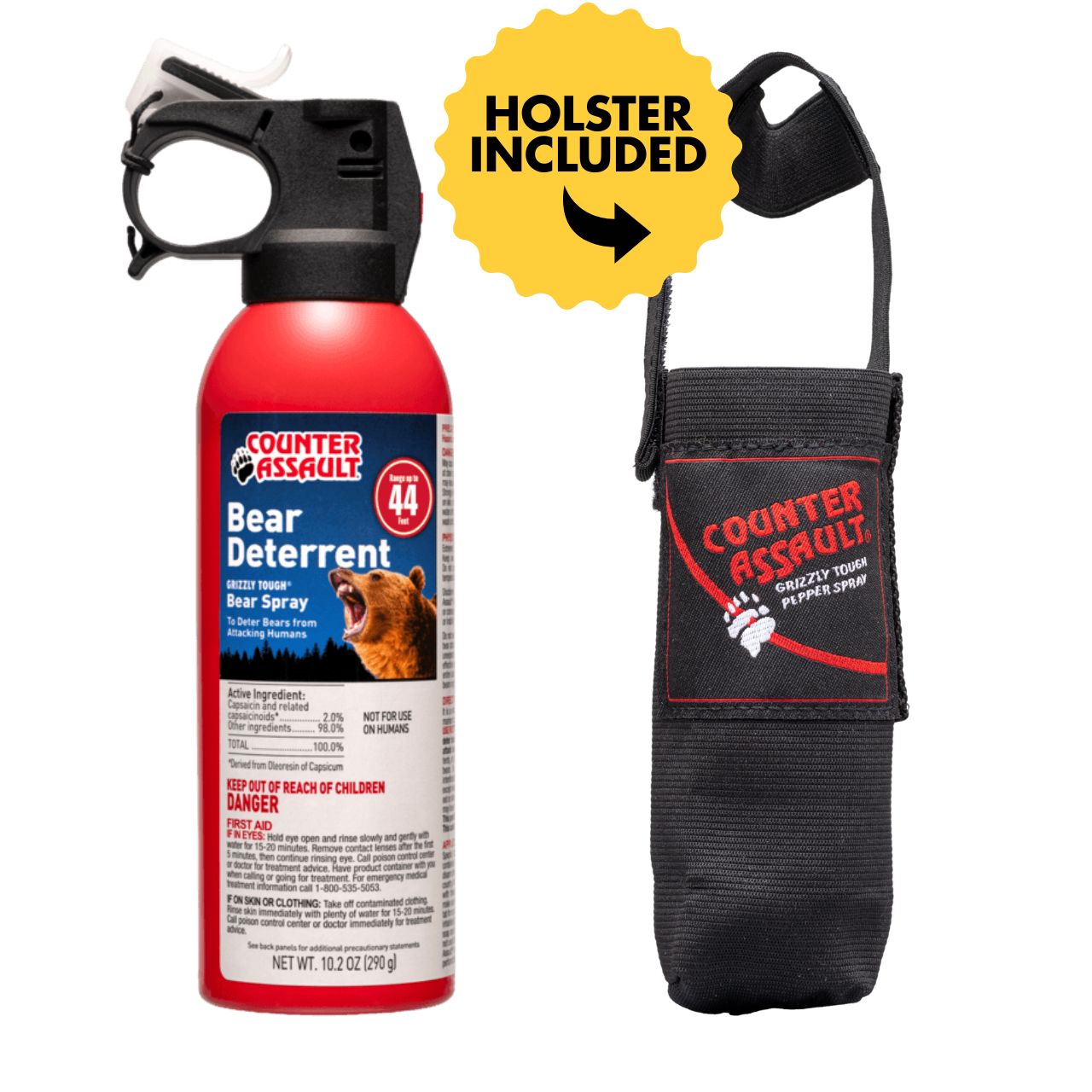
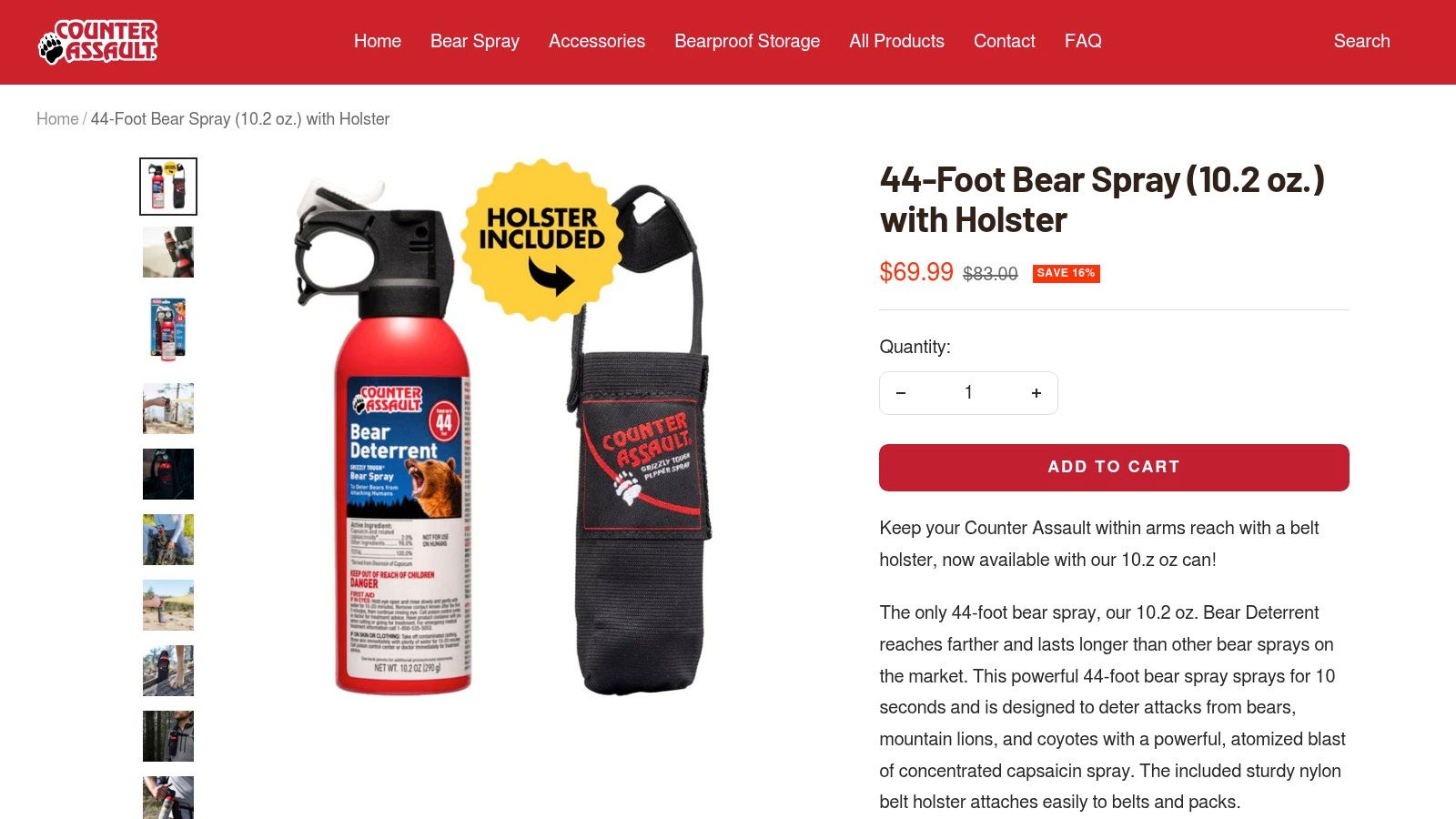
One product stands apart on range and duration. Counter Assault's flagship 10.2 oz bear spray with holster is the only EPA-registered bear deterrent in the U.S. that delivers a 44-foot spray range with a 10-second continuous discharge duration, surpassing the typical 20 to 30 foot range of most other bear sprays, according to the Counter Assault 10.2 oz bear spray with holster product page.
That longer reach isn't a marketing detail. It creates more working room when a hiker needs to establish a cloud between themselves and an aggressive animal.
The best safety gift is the one a tired, startled, under-pressure backpacker can deploy quickly and carry comfortably.
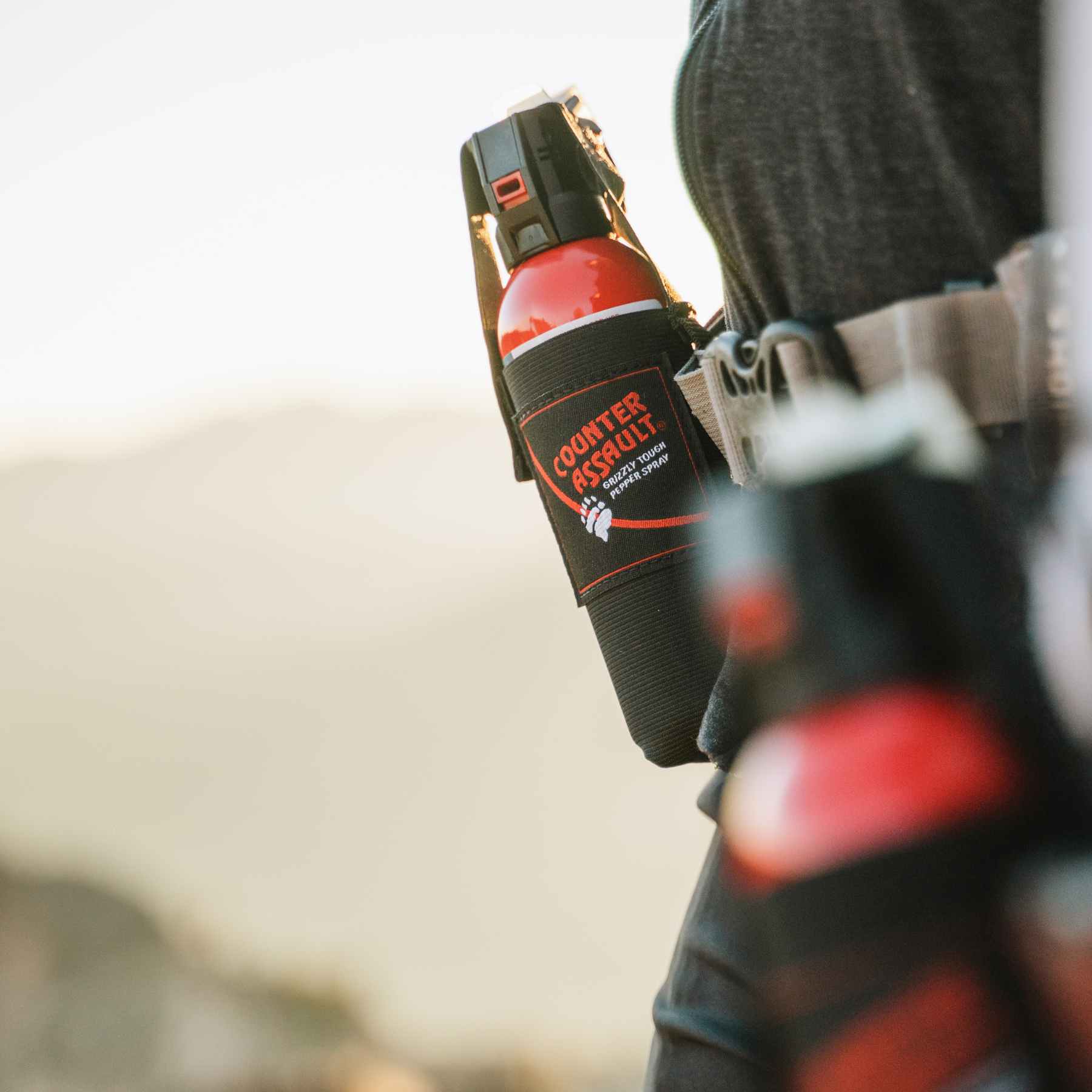
A holster matters too. If the canister lives deep in a pack, it won't help when seconds count. Gear that rides on a belt or shoulder strap is more likely to be available when needed.
Pair the deterrent with trail habits
Bear-country safety starts before any spray is deployed. Good gifting can reinforce the habits that reduce the chance of an encounter in the first place:
- Hike in groups: Groups make more noise and are generally more noticeable to bears.
- Make noise on trail: Especially around blind corners, dense brush, running water, and low-visibility terrain.
- Avoid dawn and dusk travel when possible: These are active periods for grizzlies.
- Keep a clean camp: Food, trash, toiletries, and scented items need disciplined storage away from sleeping areas.
- Maintain distance: No photos from too close, no feeding, no intentional approach.
When an encounter does happen, the guidance is steady and simple. Don't run. Avoid direct eye contact. If the animal isn't charging, back away slowly and sideways. Stand ground, speak in a normal voice, and prepare the spray.
A useful deployment sequence is equally straightforward:
- Remove the safety clip.
- Aim slightly downward toward the animal's path.
- Begin spraying when the bear is about 30 to 60 feet away.
- Create a cloud the animal has to pass through.
- Continue until it diverts, then leave the area immediately.
A short field demonstration helps make those instructions easier to understand before a trip.
Build a complete safety package
A strong gift bundle pairs deterrence with medical preparedness. A well-organized kit from Adventure Medical Kits complements bear spray because injuries in the backcountry rarely arrive one at a time or on a clean schedule.
A complete bear-country package could include:
- Bear deterrent with holster: Fast access matters.
- Compact first aid kit: Blister care, wound care, and basic trauma supplies.
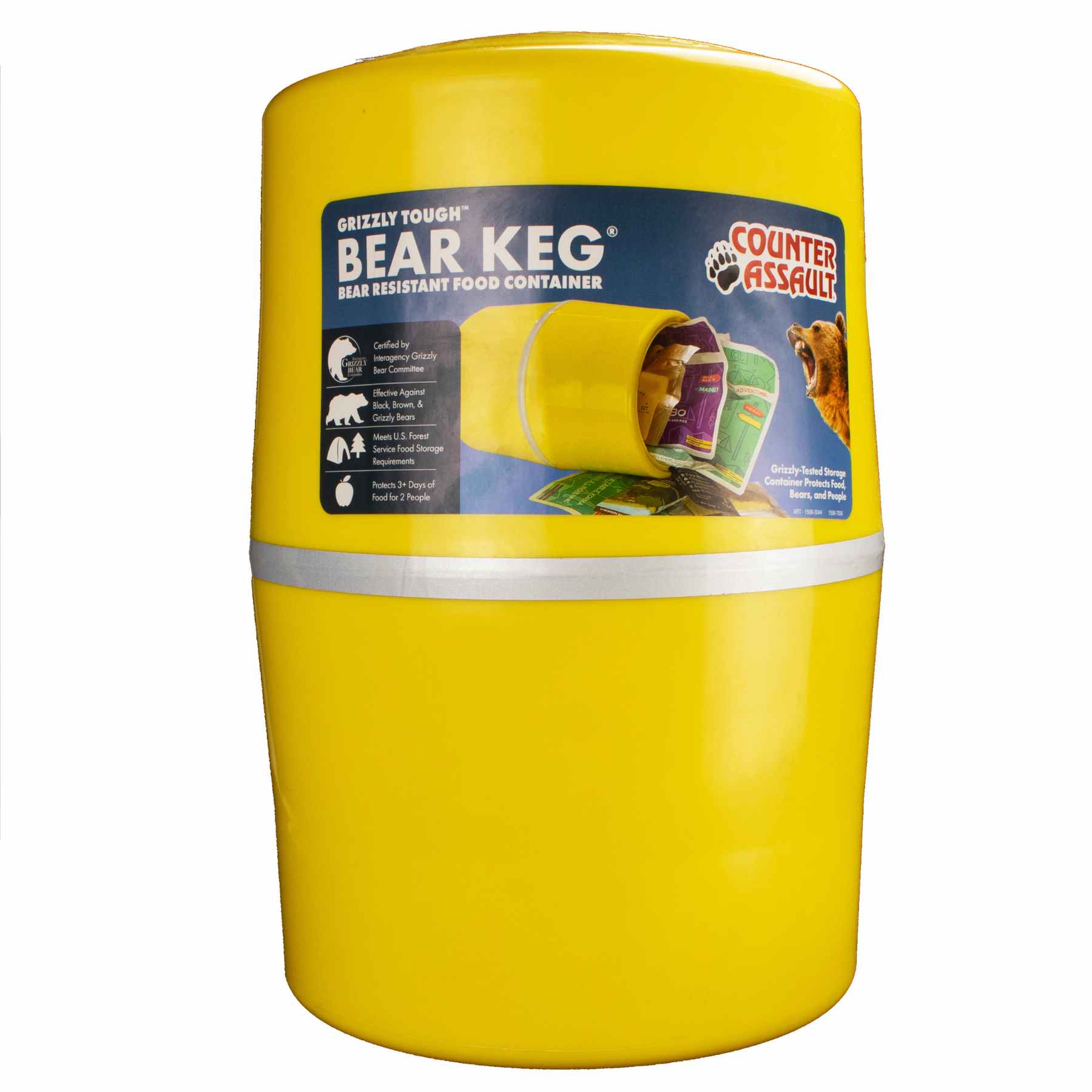
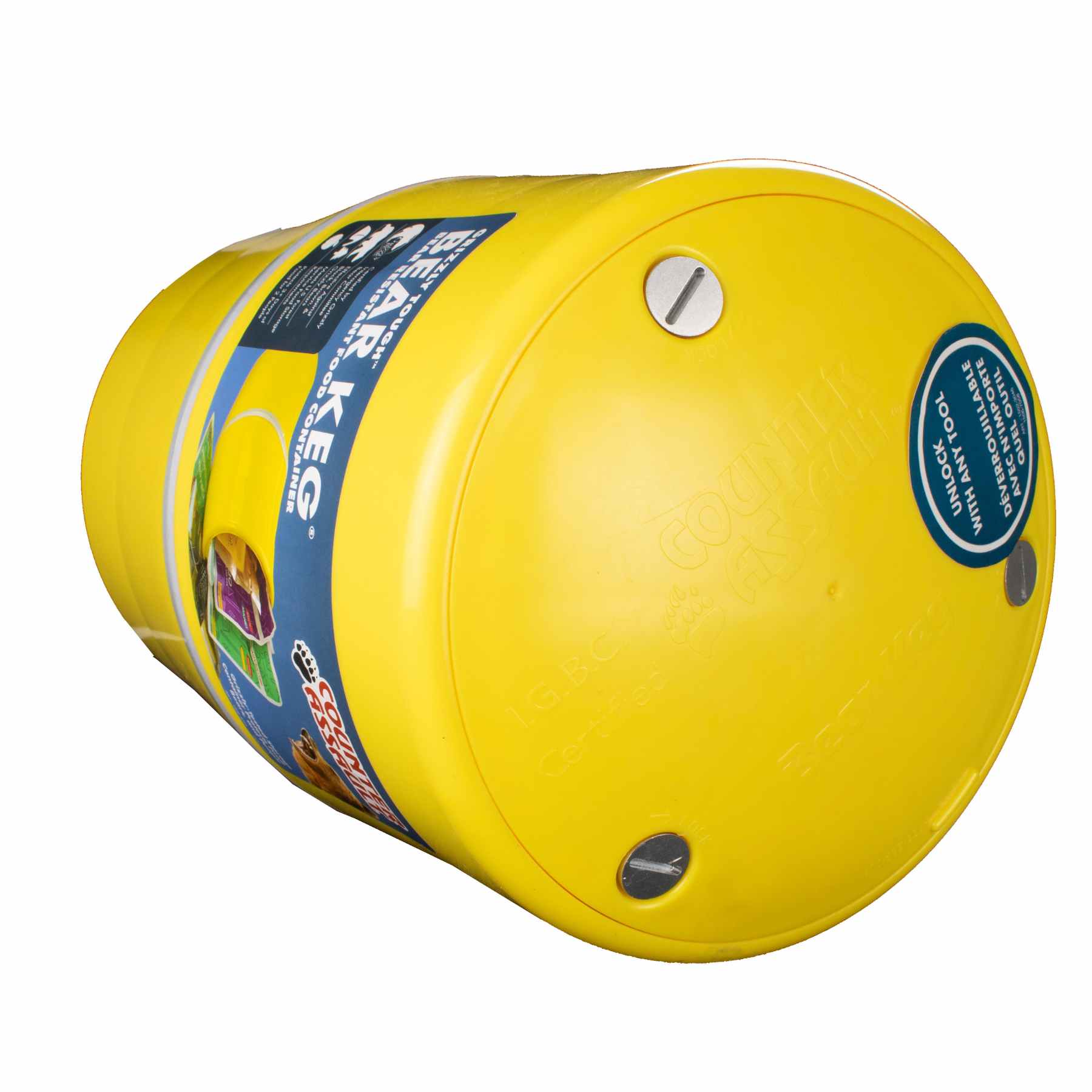
- Food storage solution: Bear-resistant canister where required, or proper overnight storage tools where allowed.
- Signal backup: Whistle or emergency light.
- Trip education: A printed wildlife-response card tucked into the kit.
That kind of gift says something useful. The trip matters, and the person taking it matters more.
Debunking Dangerous Bear Spray Myths
Bad trail information spreads fast, especially around bears. A lot of backpackers have heard some version of the same three myths, and each one creates unnecessary risk.
Myth one guns work better
This belief remains common, but it doesn't hold up well under pressure. A charging bear closes distance fast, and precise shot placement is far harder than many people imagine in a real encounter.
The more reliable takeaway comes from a study summarized in Counter Assault's bear safety resource. A 2008 scientific study found that bear spray was 90% effective in stopping bear attacks, and 98% of individuals who used it remained unharmed by the bear, as detailed in Counter Assault's review of what to know about bear spray.
Bear spray is also a non-lethal deterrent. That matters. The goal is to stop the charge and create space, not harm wildlife.
Myth two bear spray does not work
This myth usually comes from confusion with human self-defense sprays or from people who treat bear spray like a gimmick instead of emergency equipment. It is neither.
Bear spray should only be used on bears, mountain lions, or coyotes, not on people. It is not pepper spray, not law-enforcement spray, and not something to spray on gear or clothing as if it were bug repellent. It works by creating an intense irritant cloud that changes the animal's behavior long enough for the person to get out of danger.
Properly chosen bear spray is a wildlife safety tool. It protects the person, and it avoids turning every encounter into a lethal one.
Myth three wind makes it useless
Wind matters, but the myth goes too far. Bear spray isn't nullified the moment air moves. Most trail encounters happen in terrain with vegetation, contour, timber, or drainage features that limit full exposure, and proper aiming helps.
The practical answer is technique:
- Carry it where it can be reached fast: Delayed access ruins good equipment.
- Aim low and into the path of travel: The cloud should meet the animal.
- Start before contact distance collapses: Waiting too long is a common failure.
- Leave after deployment: The objective is escape, not standing around to evaluate.
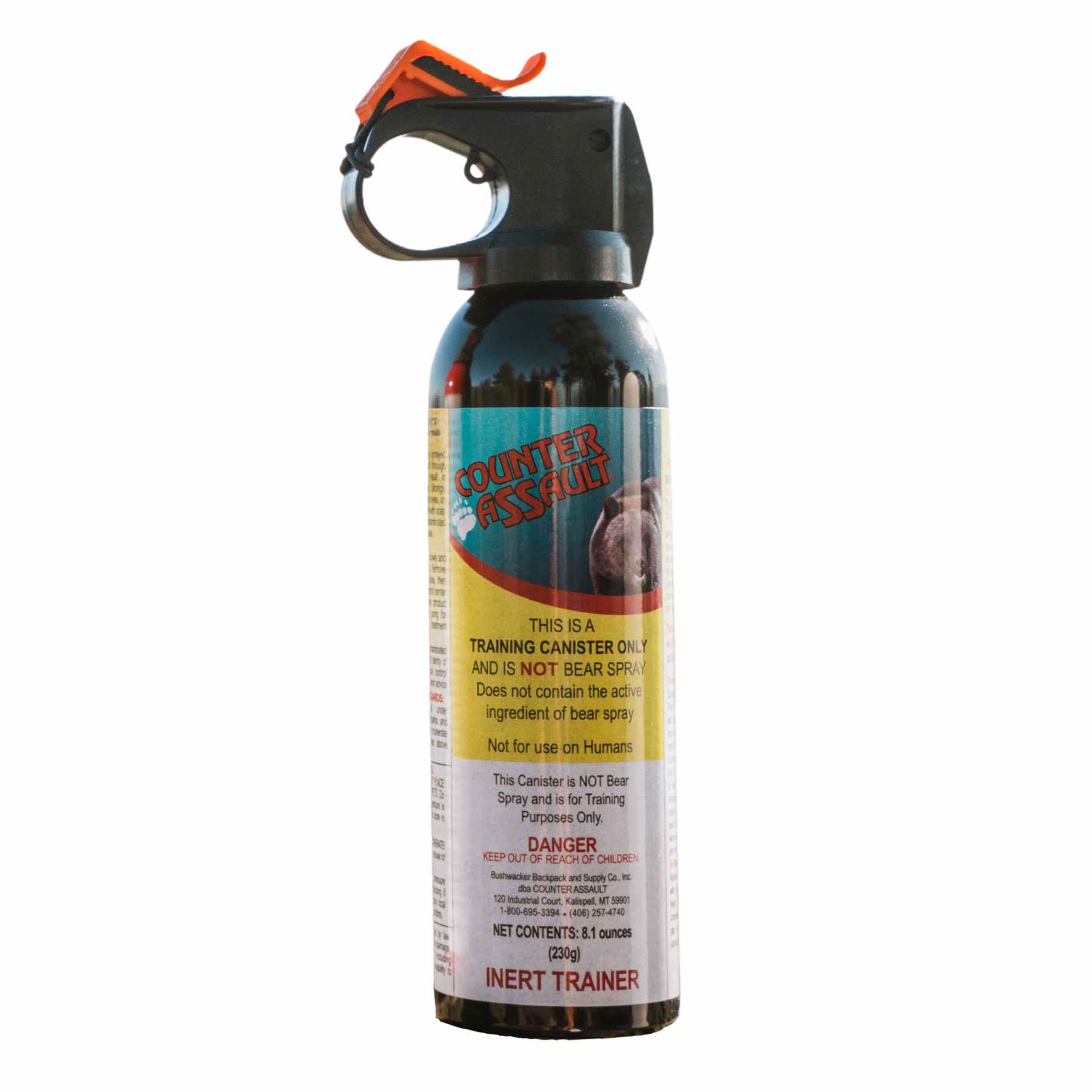
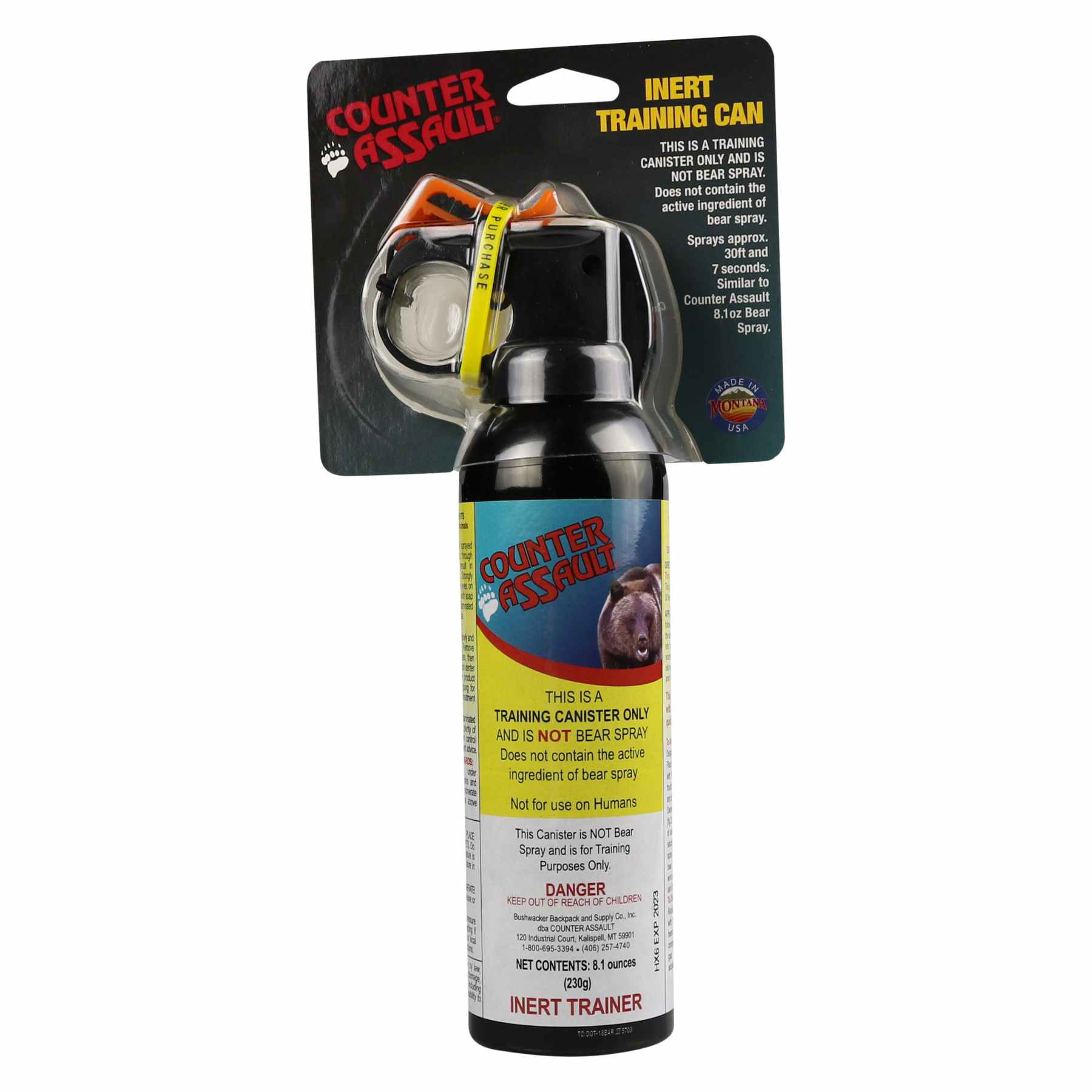
The simplest way to avoid these mistakes is practice. Read the directions before the trip, rehearse removing the safety clip, and make sure the recipient understands that bear spray is emergency equipment, not trail decoration.
More Top-Rated Backpacking Gift Ideas
A safety-first gift list doesn't have to be narrow. Once the fundamentals are covered, the best backpacking gear gifts usually help with light, shelter, bug control, and small camp problems that wear people down over time.
Camp and shelter support
A few items punch above their size on the trail.
- Camp lighting that earns its spot: The LuminAID solar lantern collection works well for tent light, meal prep, and low-glare camp use.
- Emergency shelter backup: A compact bivy or rescue blanket from Survive Outdoors Longer adds real margin when weather or injury forces an unplanned stop.
- Ready-to-grab outdoor kits: Adventure Ready Outdoor is useful for building practical travel and trail support gifts around known conditions.
Small items that solve real trail problems
The best smaller gifts are the ones hikers use without thinking much about them.
- Bite and sting relief: After Bite makes sense for warm-weather hikers, family campers, and shoulder-season users dealing with insects.
- Insect repellent for buggy routes: Ben's 30 is a sensible pick for marshy trails, lake basins, and humid forests.
- Personal repellent for routine use: Natrapel insect repellents fit gift bundles where bug pressure is the main complaint, not cold or snow.
What doesn't work as well are gifts chosen for social-media appeal. Camp coffee accessories, novelty utensils, and decorative extras can be fun, but they shouldn't crowd out equipment that handles darkness, cold, injury, insects, or unexpected delay.
A good rule for secondary gifts is this. If it improves sleep, visibility, shelter, or daily trail comfort, it has a place. If it only looks clever on a product page, it can wait.
Gifting Logistics Budgeting and Bundles
Thoughtful backpacking gear gifts don't need to be expensive, but they do need a plan. The easiest way to avoid random buying is to set a budget, choose a problem to solve, and build around one core item.
How to think about spending
Three spending tiers usually work well:
- Lower-budget gifts: Bite relief, insect repellent, emergency blankets, repair items, and simple camp lighting.
- Mid-range gifts: Better lanterns, larger first aid kits, organized survival gear, and trail bundles built around a specific environment.
- Higher-end gifts: Premium safety equipment, larger shelter or sleep upgrades, and complete bear-country kits.
Buy the item that covers a consequence, not the item that fills space in a stocking.
That logic keeps the gift practical. A hiker may already own enough mugs, bowls, and gadgets. They often don't have a well-built wildlife, first aid, or emergency-lighting system.
Backpacking Gift Bundle Ideas
| Bundle Theme | Core Item | Complementary Items | Ideal For |
|---|---|---|---|
| Bear Country Safety Kit | Bear deterrent with holster | Compact first aid kit, whistle, food storage accessory | Backpackers in bear habitat |
| Camp Comfort Kit | Solar lantern | Bite relief, insect repellent, lightweight pillow | Weekend hikers and family campers |
| Weather Delay Kit | Emergency bivy | Fire starter, backup light, dry storage pouch | Shoulder-season hikers |
| New Backpacker Starter Kit | Small medical kit | Lantern, repellent, camp organization pouch | First-time backpackers |
| Photographer Trail Kit | Camp lantern | First aid kit, weatherproof pouch, backup power item | Backcountry photographers |
Shipping and buying considerations
Many gift buyers are surprised to learn that bear spray is often regulated for shipping because it's treated as hazardous material, and air shipment may not be available. That doesn't make it hard to gift, but it does mean planning ahead matters.
A few practical steps help:
- Check shipping rules early: Ground shipping may be the only option.
- Confirm destination restrictions: Some areas have specific rules on transport or retail availability.
- Buy from established outdoor retailers or direct brand channels: That reduces the chance of getting old stock or poor storage history.
- Gift the complete carry system: A holster is part of the usefulness, not an optional extra.
For gift buyers, the smartest bundle is usually one primary safety item plus two supporting items that match terrain. That creates a kit with a purpose instead of a pile of unrelated gear.
Give the Gift of Confident Adventure
The most memorable backpacking gear gifts aren't always the lightest, newest, or trendiest. They're the ones that protect the trip.
A careful gift buyer doesn't need to impress a backpacker with gimmicks. The smarter move is choosing gear that supports judgment, preparedness, and safe travel in places where help may be far away. That can mean lighting that works, first aid that stays organized, emergency shelter that disappears into a pack, or a deterrent system that belongs on any serious bear-country checklist.
That approach also gives peace of mind to the person doing the gifting. The present isn't just another object. It's a quiet form of backup.
The best gifts support the adventure without ignoring the reality of the backcountry. Trails are beautiful because they're wild. A good gift respects that fact and prepares the hiker for it.
Choose gear that protects the person, not just the itinerary. For bear-country travel, Counter Assault offers proven bear safety equipment built for serious backcountry use, including its flagship 10.2 oz bear spray with holster, made for fast access when safety matters most.