
A hiker rounds a bend on a narrow trail, looks up, and finds a mountain lion standing ahead at close range. The moment feels bigger than it is. Adrenaline spikes, breathing gets shallow, and every bad instinct tries to take over.
That's exactly why preparation matters. A mountain lion encounter is serious, but it isn't common chaos waiting around every switchback. Fatal mountain lion attacks are extremely rare, with just 29 confirmed cases since 1868 and an average of 0.18 deaths per year across the U.S. and Canada, according to the Mountain Lion Foundation's risk and recreation analysis. Lions don't actively seek out people. Most problems start with surprise, proximity, pets, or panicked human behavior.
Table of Contents
- Introduction to Mountain Lion Encounter Risks
- Recognizing Mountain Lion Behavior and Warning Signs
- Essential Prevention Strategies for Hikers and Dog Owners
- Actions to Take During a Mountain Lion Encounter
- Best Practices for Using Bear Spray and Deterrents
- Post Encounter Steps and Ongoing Preparedness
Introduction to Mountain Lion Encounter Risks
Individuals who hike, trail run, camp, or walk dogs in lion country rarely experience a dangerous interaction. That matters, because fear leads people to make bad choices. Running, turning away, or fumbling for gear usually creates the problem, not the first sighting itself.
A lion seen at distance isn't the same as a lion holding ground, circling, or focusing on a pet. The safest mindset is calm, not casual. Stay alert, keep space, and treat the animal like what it is: a powerful ambush predator that usually wants to avoid a fight with a human.
Practical rule: The goal isn't to win an encounter. The goal is to stop it from becoming one.
The useful takeaway is simple. Risk is low, but the margin for error gets smaller fast when the animal is close. People who understand body language, control their dogs, and carry a real deterrent are in a much better position than people relying on luck and vague advice.
Recognizing Mountain Lion Behavior and Warning Signs
Mountain lions rarely announce themselves the way bears often do. They blend in, stay quiet, and use cover well. That means hikers need to read small signs early, before the distance collapses.
How a lion looks before it commits
A curious or cautious lion may pause, watch, and angle away if the group stays upright and composed. A more concerning animal often stays low, moves deliberately, and keeps closing in despite noise or human presence. That's the difference hikers need to notice.
Body language matters more than mythology. A lion that freezes behind brush, tracks movement, or reappears off to one side is testing position. A sudden dash away after being startled is one thing. A slow, controlled approach is another.
Short version. If the animal is managing distance instead of leaving, treat that as a serious warning.
A useful comparison appears in Counter Assault's overview of coyote vs mountain lion behavior. Coyotes often advertise themselves more openly. Lions usually don't.
Clues on the trail before the animal appears
Fresh sign near camp or on a narrow trail should change behavior right away. Slow down at blind corners. Bring children close. Get dogs under control before anything is visible.
That point is especially important for pet owners. Dogs are a primary trigger for mountain lion aggression because their scent and movement often draw the cat's focus before the human is visible, as noted in the Southern Ute Mountain Lion Safety guidance. A dog charging ahead on a flex lead can pull the whole group into a bad setup.
Watch for these field signs and respond early:
- An animal that holds cover while watching: If it doesn't bolt after noticing people, don't dismiss it as harmless.
- A dog that suddenly fixates, freezes, or lunges into brush: Pets often detect the cat first.
- Sign in choke points: Tracks, scat, or prey remains near creek bottoms, trail constrictions, or brushy bends should push the group into higher alert.
- Repeated visual contact: A lion appearing, vanishing, then reappearing closer is a problem pattern.
If the terrain limits visibility, hikers should act as if an animal could be just ahead and make enough noise to avoid surprising it.
Essential Prevention Strategies for Hikers and Dog Owners
Most mountain lion safety starts long before the animal appears. The best encounters are the ones that never happen at close range.
Habits that prevent close encounters
Groups are harder for wildlife to misread. Solo travel isn't automatically reckless, but a group makes more noise, looks larger, and reduces the chance of a quiet surprise in thick country.
For hikers building basic field habits, Counter Assault's guide to hiking safety tips for beginners is a useful companion read.
Prevention works best when it's routine:
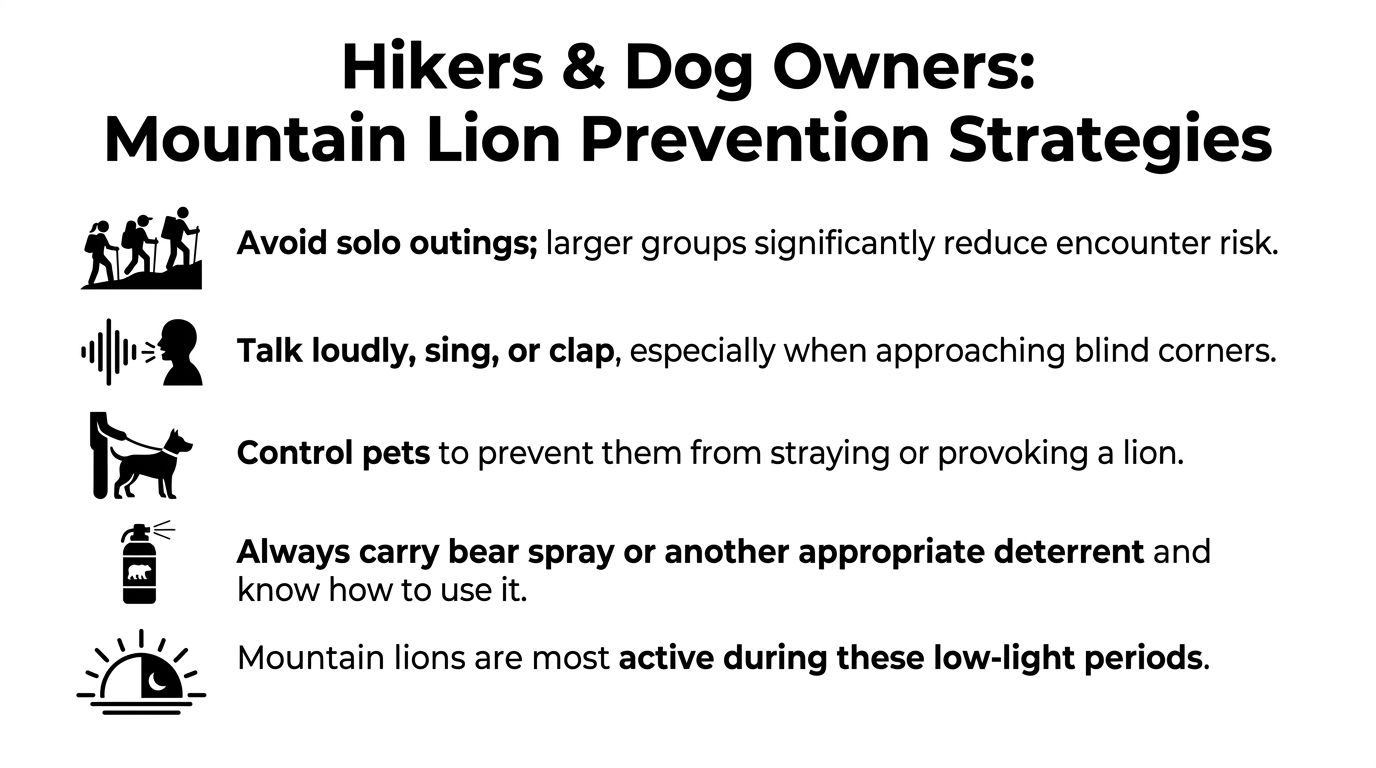
- Stay louder at blind spots: Talk, clap, or call out before stepping around rock outcrops, creek bends, and dense brush.
- Keep dogs leashed and close: A leash isn't just about obedience. It prevents a dog from running ahead, getting targeted, then running back with the lion behind it.
- Avoid low-light travel when possible: Dawn and dusk reduce reaction time for both people and wildlife.
- Pick camps with visibility: Dense edges, game trails, and brushy drainage bottoms aren't ideal places to relax with pets and kids spread out.
The most common failure isn't lack of toughness. It's spacing. Children drift ahead. Dogs range too wide. One person stops for a photo while another keeps moving. Predators notice separation.
A quick refresher from Texas Parks and Wildlife reinforces the key mountain lion safety moves hikers should remember under stress:
Gear that earns its place
Field gear for lion country doesn't need to be complicated. It needs to be accessible.
A practical setup often includes:
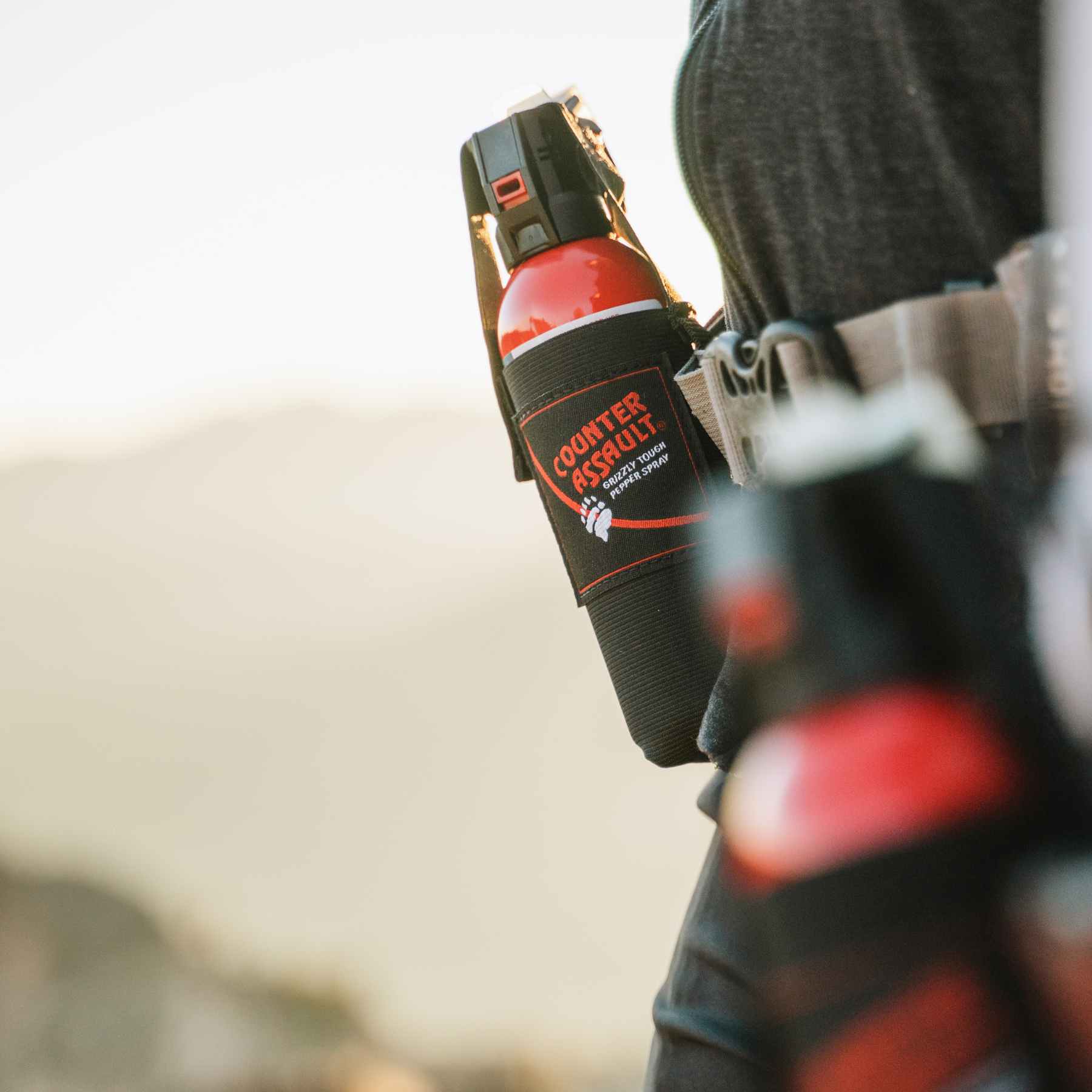
- A chest, belt, or shoulder-mounted deterrent: Buried gear won't help at close range.
- A whistle or air horn: These can help prevent surprise and gather a scattered group fast.
- A compact first aid kit: Adventure Medical Kits offers trail-ready kits that fit day hikes and overnights.
- Reliable lighting for camp and late returns: A durable lantern from LuminAID makes camp tasks easier without fumbling in the dark.
The trade-off is simple. Minimalists like to cut carried weight. Wildlife country punishes that decision when critical items end up in a pack instead of on the body.
Actions to Take During a Mountain Lion Encounter
Once the lion is in view at close distance, the job changes. Prevention is over. Now the person needs control, posture, and timing.
What to do in the first few seconds
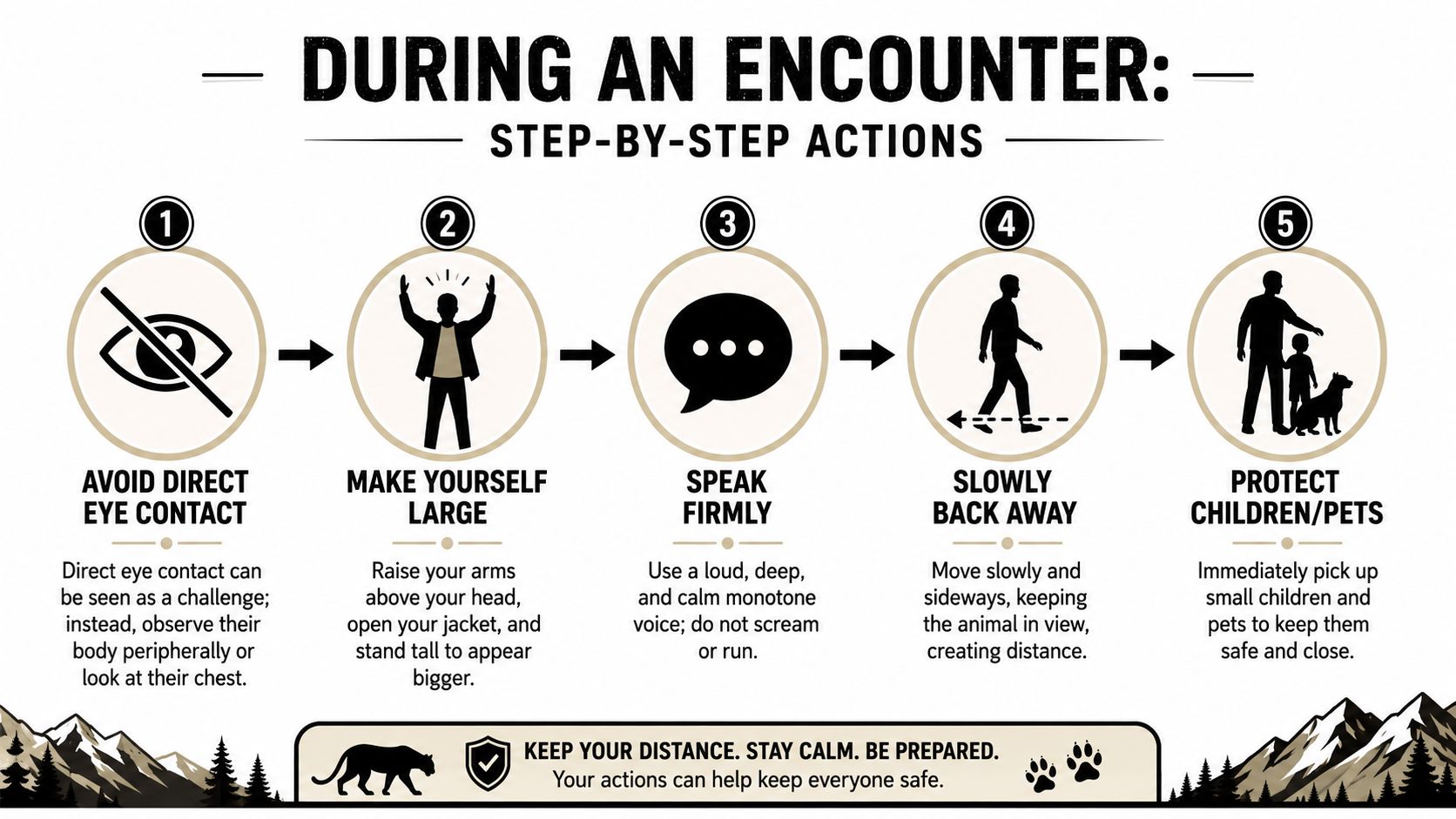
Start with the basics that work across real encounters. Don't run. Don't crouch. Don't turn your back.
Instead:
- Face the animal and stay upright. The person needs to look difficult, not vulnerable.
- Make the body appear larger. Raise arms, open a jacket, or lift trekking poles.
- Use a firm voice. Calm, low, and direct works better than shrill panic.
- Back away slowly. Side-step if needed, but keep the lion in view.
- Bring children and pets in immediately. Small bodies and chaotic movement change the encounter fast.
Avoid direct challenge behavior, but don't act submissive. That distinction matters. The person should watch the lion, manage space, and look steady without advancing on it.
A mountain lion encounter usually gets worse when a human behaves like prey.
When the lion closes distance
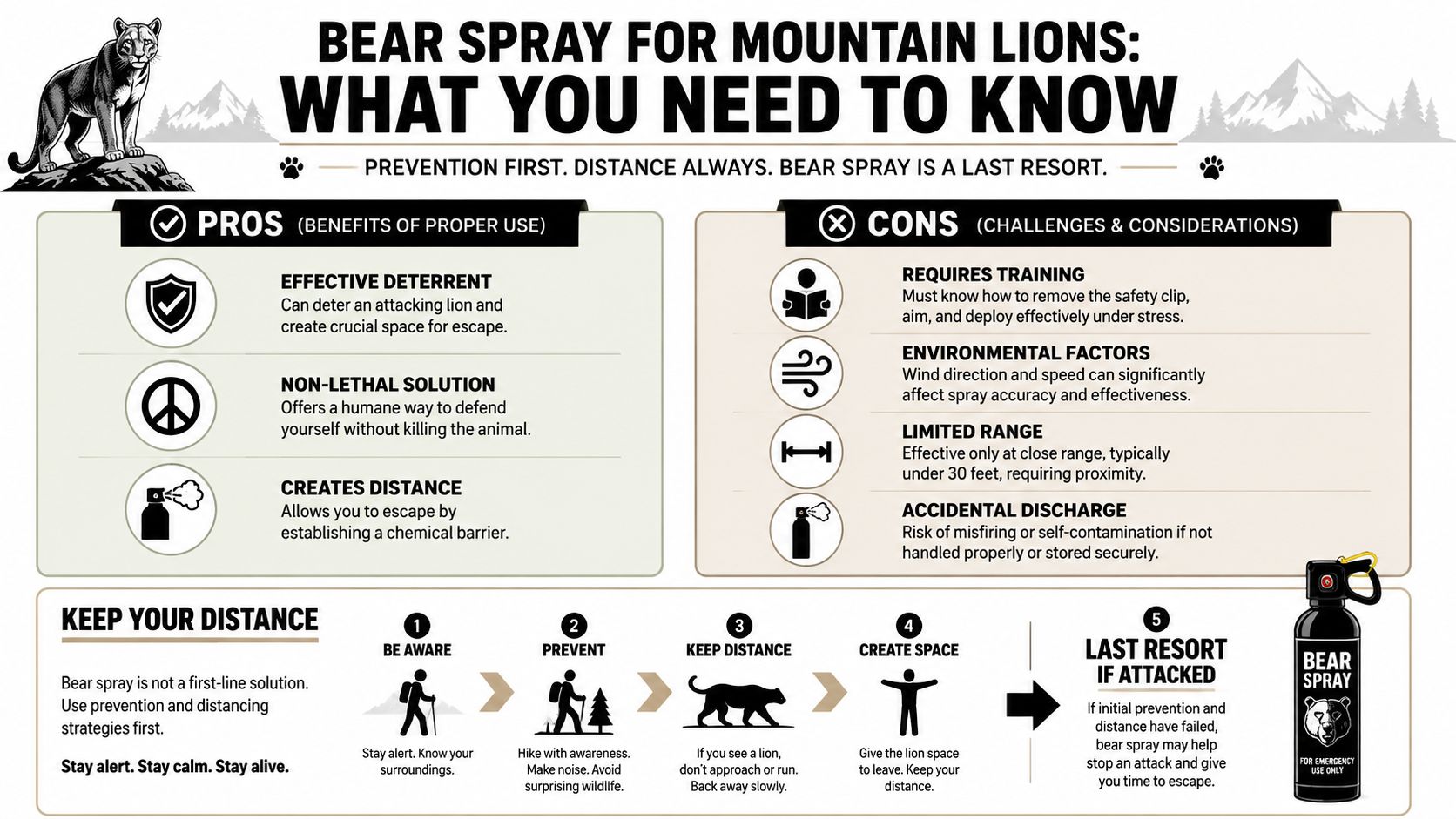
If the animal continues to approach, holds ground, stalks, or appears ready to charge, the person should prepare to deploy a deterrent and stand ground. Many generic safety brochures, however, conclude their advice too soon at this stage. “Fight back” is real advice, but it's not the first tool that should come to mind if a non-lethal aerosol deterrent is available.
That gap matters because the current coverage often skips the practical advantage of capsaicin-based deterrents, including the reaction window created by a 44-foot range and about 10 seconds of discharge, as discussed in the Mountain Lion Foundation's trail guidance. A cat can close short distances fast. Extra stand-off distance gives the person time that bare hands don't.
There's also useful evidence from bear incidents. In a study of 72 bear spray incidents, users were uninjured 98% of the time; similarly, non-lethal sprays for mountain lions greatly reduce injury risk compared to physical confrontation, according to a review citing bear spray field data at The Trek.
If contact happens, fight back with everything available. Use rocks, trekking poles, fists, and any gear in hand. The person's job is to convince the lion that this is costly, noisy, and not worth continuing.
A quick decision table helps:
| Lion behavior | Best response |
|---|---|
| Seen at distance and moving off | Keep space, don't follow, leave area calmly |
| Watching but not approaching | Gather group, control dog, appear larger, prepare deterrent |
| Closing distance or circling | Stand ground, use voice, ready deterrent |
| Charging or attacking | Deploy deterrent if possible, then fight back aggressively |
Best Practices for Using Bear Spray and Deterrents
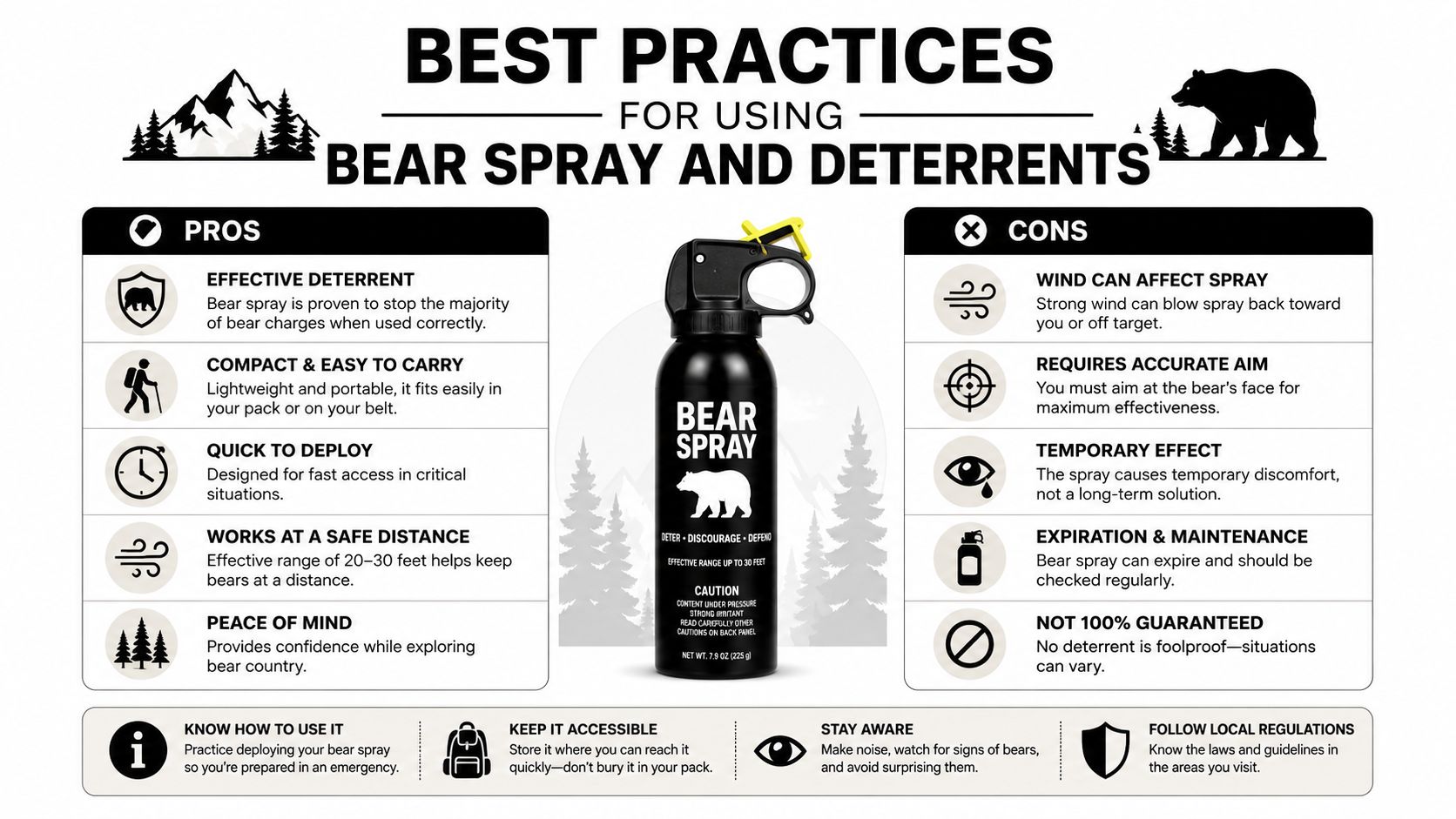
Aerosol deterrents deserve more attention in lion country than they usually get. Too many discussions jump from “make yourself big” straight to “fight back,” which leaves out the most practical middle ground.
Why aerosol deterrents deserve more attention
Not all sprays are the same, and this isn't a place for improvised self-defense products meant for people. The legal and practical standard is bear spray intended for wildlife threats.
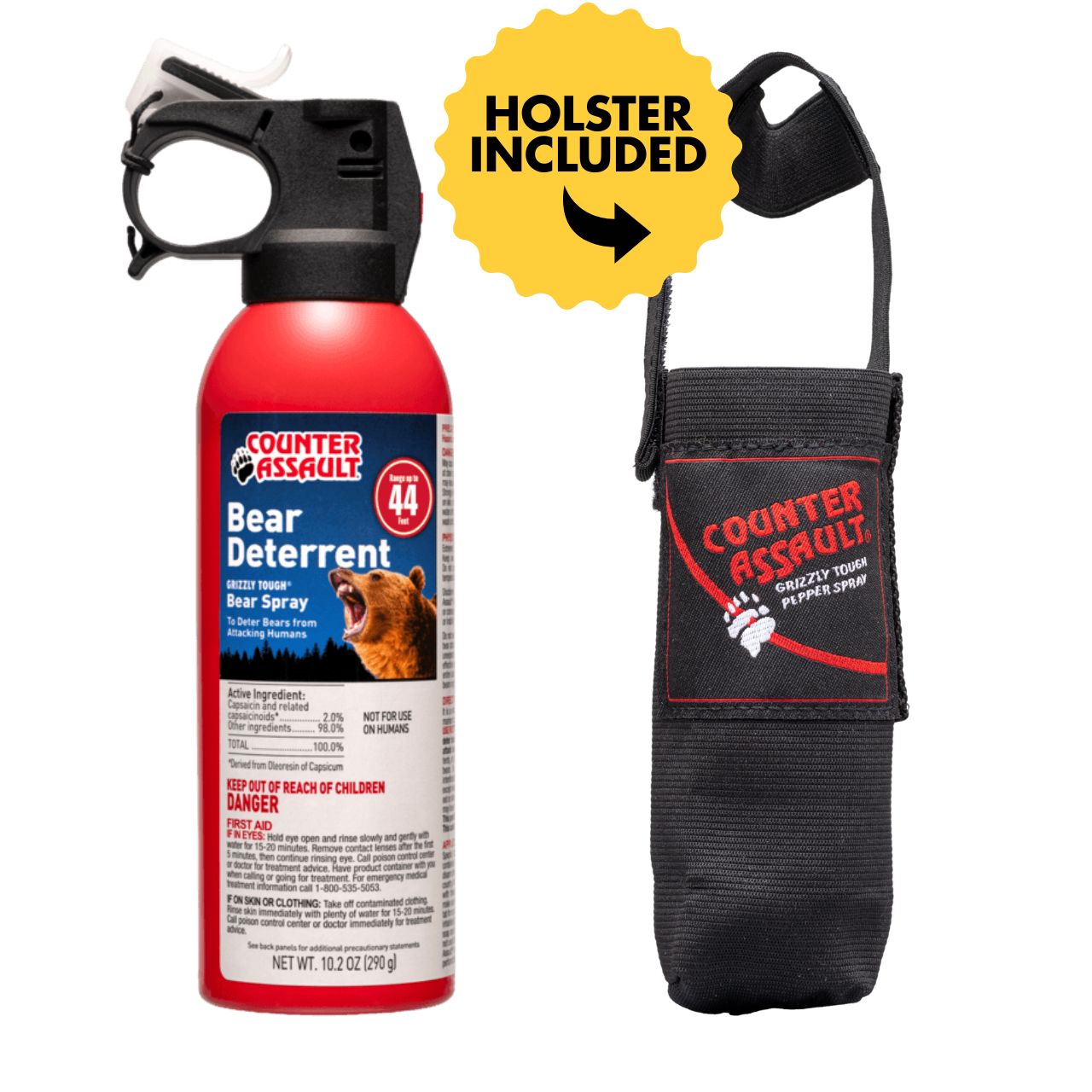
Counter Assault's 10.2 oz bear spray uses the maximum 2% capsaicin formulation validated by University of Montana researchers to deter aggressive wildlife non-lethally, as described in this review of the Counter Assault 10.2 oz canister. That matters because users need a tool built for animal encounters, not a small personal-defense spray with limited output.
For a deeper technical overview, Counter Assault's resource on what you need to know about bear spray covers carry, access, and basic deployment.
The field logic is straightforward:
- Reach matters: More distance gives the user more reaction time.
- Cloud matters: A broad aerosol barrier is more forgiving than a precision-dependent tool.
- Access matters most: A canister in a pack may as well not exist.
Deployment mistakes that ruin good gear
Even good deterrents fail when people carry them wrong. The worst setup is zipped into a backpack side pocket. The second worst is clipped somewhere that requires two hands and several seconds to reach.
The working sequence is simple:
- Remove the safety clip first: This is the step people fumble under stress.
- Aim slightly downward: Build a cloud in the animal's path rather than shooting high.
- Start before contact distance collapses: The point is to create a barrier the animal runs into.
- Move out once the animal breaks off: Don't stay and inspect the result.
Field note: Bear spray is a last-resort distance tool, not a magic shield. It works best when the user has already stayed upright, managed space, and kept it accessible.
For storage and camp systems, Survive Outdoors Longer and Adventure Ready Outdoor both offer useful backcountry gear that supports a cleaner, more organized setup.
Post Encounter Steps and Ongoing Preparedness
A mountain lion that leaves the area doesn't end the job. People still need to account for injuries, gear, reporting, and what triggered the encounter in the first place.
What to do after the animal leaves
Move out of the immediate area with the group together. Then check children, pets, and adults for injuries, shock, and contamination if deterrent spray was used. A dog may have punctures or claw injuries hidden under fur, so a visual check alone isn't enough.
If the lion acted bold, stalked, stayed near trail users, or made contact, report it to the land manager or local wildlife agency as soon as practical. Specific details help. Location, time, direction of travel, whether a dog was involved, and what the lion did are all useful.
A readiness routine that stays practical
Legal boundaries matter here. EPA regulations permit bear spray use only against bears, mountain lions, and coyotes when they threaten humans, and prohibit spraying people or property, according to the EPA label guidance for Counter Assault Bear Deterrent. That's one reason wildlife spray should never be treated like pepper spray for interpersonal use.
Good preparedness after an encounter looks like this:
- Inspect the canister and holster: Replace or service gear that's damaged, discharged, or hard to access.
- Restock the medical kit: Wound care supplies disappear fast once they're needed.
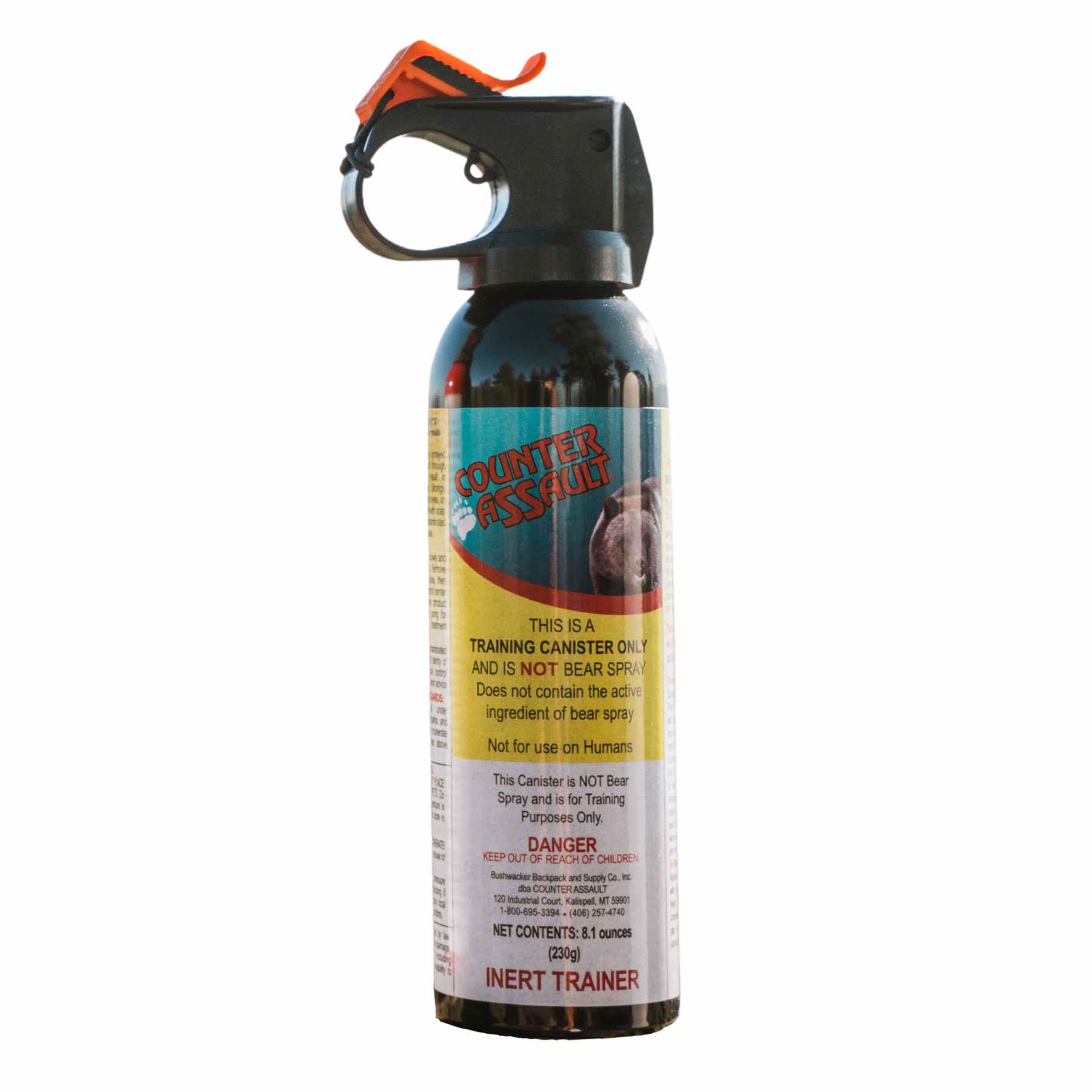
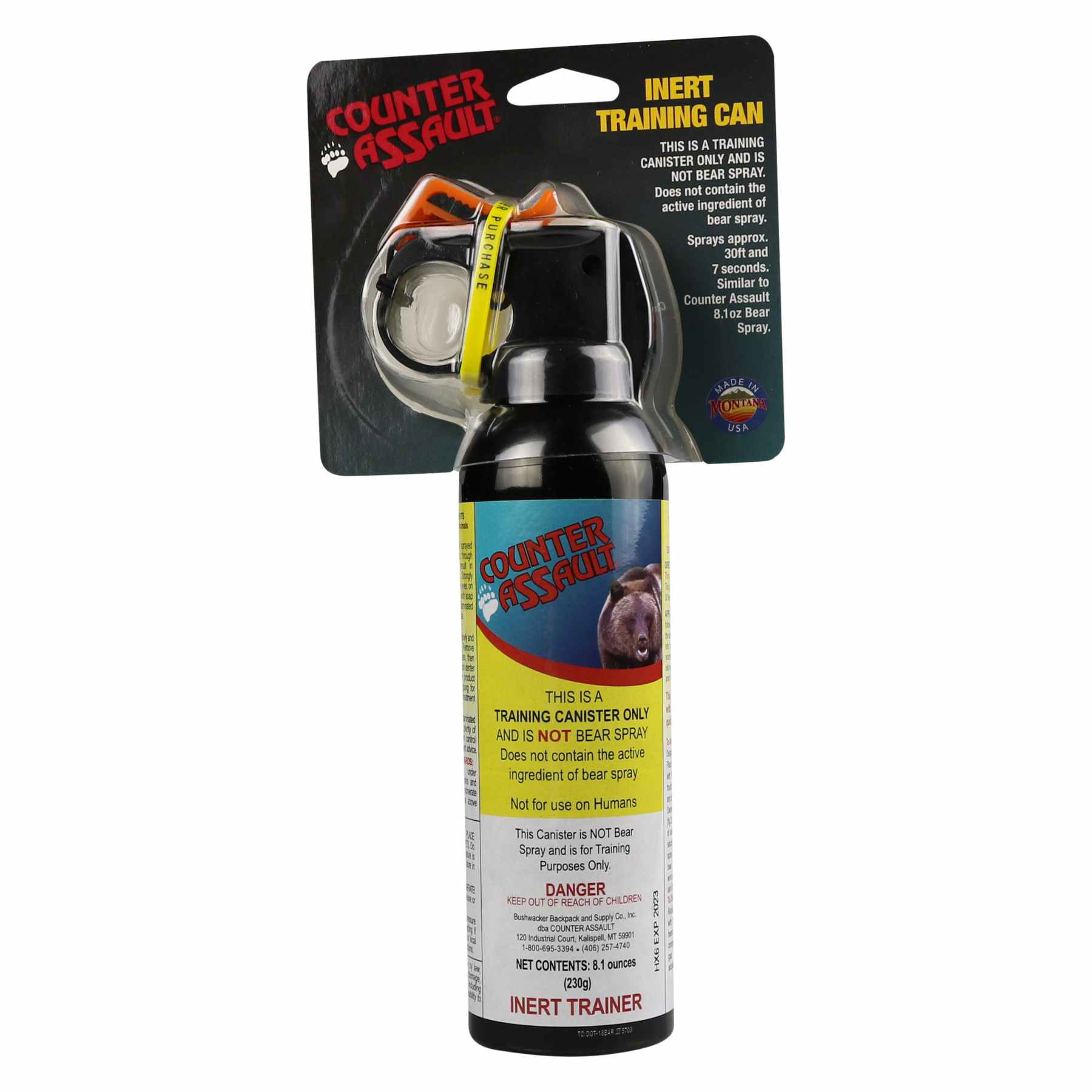
- Run a short drill before the next trip: Practice retrieving deterrent, gathering kids, and shortening the dog leash.
- Refresh broader safety skills: Outdoor users who lead groups or work in the field can also benefit from structured safety refreshers such as TP Training's vocational safety training, especially when first aid and emergency response are part of the job.
Preparedness doesn't need to be dramatic. It needs to be repeatable.
Counter Assault makes bear spray and wildlife deterrents for the moments when distance, access, and reliable deployment matter most. For hikers, dog owners, guides, and outdoor crews traveling in lion and bear country, the 10.2oz 44-foot bear spray with holster stands out for its long reach, included carry system, maximum 2% capsaicin formulation, and non-lethal design for use on bears, mountain lions, and coyotes threatening humans. It's made in Montana, built for fast access, and designed to help protect both people and wildlife.