
A lot of people arrive at the same moment of uncertainty. The trail is getting dim, a dog starts acting alert, and movement shows up at the edge of the brush. It might be a coyote. It might be a mountain lion. It might be neither. What matters is that a bad decision in the next few seconds can raise the risk fast.
Hikers, dog walkers, campers, and homeowners need to read behavior, understand what each animal is built to do, and respond in a way that lowers pressure instead of increasing it.
The biggest mistake is treating every sighting like a fight scene. In reality, these animals are usually managing distance, cover, escape routes, and opportunity. People should do the same.
Table of Contents
- Why Predator Awareness Matters More Than Predator Fights
- Assessing the Real Risk to People Pets and Property
Why Predator Awareness Matters More Than Predator Fights
A coyote in the open and a mountain lion in cover create very different problems for a person on foot. One may posture, circle, or test space. The other may stay unseen until it decides whether to continue watching or leave. The practical question isn't who wins a fight. It's who is escalating, who is holding distance, and what's pulling the animal to that spot.
That framing matters because the popular version of coyote vs mountain lion usually strips away the part that keeps people safe. The most useful question for outdoor travel is when either animal chooses to engage, bluff, or disengage, not who would “win” in a dramatic encounter, as noted in this discussion of group dynamics and risk behavior.
Practical rule: Treat every sighting as a behavior-reading exercise, not a showdown.
A hiker at dusk doesn't need a debate. That hiker needs to know whether to leash the dog tight, stop moving forward, scan for a second animal, gather children close, and create space. A homeowner hearing repeated barking in a greenbelt neighborhood needs the same kind of calm assessment.
Three things usually shape the decision more than the species name alone:
- Distance: Close range removes options quickly.
- Cover: Thick brush, drainage lines, walls, and parked cars can hide movement.
- Attractants: Off-leash pets, pet food, carcasses, unsecured trash, and prey animals change behavior.
People do better when they stop looking for a “winner” and start looking for cues. Body position, direct attention, circling, following, and refusal to yield space all matter more than internet folklore.
Coyote and Mountain Lion At a Glance

A person walking a dog at dusk does not need a fantasy matchup. They need a fast read on what kind of animal is nearby, how much space it has, and how quickly the situation could tighten. According to this A-Z Animals comparison of coyotes and mountain lions, the size gap alone is substantial, and that gap affects how people should respond in the field.
Quick comparison table
| Attribute | Coyote | Mountain Lion (Cougar) |
|---|---|---|
| Weight | Light-bodied and agile | Much heavier, with far more stopping power at close range |
| Speed | Fast over open ground | Built more for short bursts and control than prolonged pursuit in view |
| Bite force | Serious for its size | Much higher consequence if contact occurs |
| Usual impression in the field | Light, quick, adaptable | Heavy, quiet, powerful |
| Typical risk pattern for people | More often visible near people and neighborhoods | Less often seen, but a close encounter carries more consequence |
What the build tells you
Coyotes tend to show themselves sooner. They move through openings, edges, yards, trail margins, and greenbelts with a loose, efficient gait. For hikers and homeowners, that usually means earlier warning. You may hear barking, spot movement at a distance, or notice the animal testing space around a pet or food source.
Mountain lions present a different problem. Their body is built for stealth, short acceleration, and close control. That matters because people often get fewer cues before the animal is within uncomfortable range, especially in brush, broken terrain, or along cover-rich suburban edges.
Danger often starts when people normalize proximity.
That is the practical split between these two predators. A coyote often creates a management problem. Protect pets, remove attractants, hold ground, and push the animal off. A mountain lion can turn into a safety problem faster, which means distance, visibility, and group control matter more from the start.
Understanding Predator Behavior Diet and Habitat
How they hunt
Mountain lions and coyotes don't approach prey the same way. In a study of mule deer selection, mountain lions showed a clear preference for young deer that were 1 year old or younger, while coyotes did not select young deer more than expected by chance, according to this Journal of Mammalogy study.
That difference lines up with how each species hunts. A mountain lion is an ambush predator. It uses cover, patience, and a short finishing burst. A coyote is more opportunistic. It can hunt alone, pair up, or operate with loose group coordination depending on food and setting.
The practical takeaway is simple. If a lion is present, terrain matters a lot. Brushy edges, game trails, ravines, and transition zones deserve attention. If coyotes are active, the pressure point is often different. They're more likely to work edges, openings, neighborhoods, and places where pets or food sources create a low-risk opportunity.
Where people tend to notice them
People often see coyotes because coyotes tolerate visible overlap better. They move through parks, subdivisions, trail margins, vacant lots, and drainage corridors. That doesn't make them harmless. It means they're easier to detect before a close encounter develops.
Mountain lions are often more of a presence than a sighting. The animal may use the same area but reveal itself less often. When a person finally sees one, that sighting can feel sudden even when the lion has been in the area for some time.
A few habitat cues deserve extra respect:
- Edge habitat: Places where neighborhoods, trails, and brush meet.
- Travel corridors: Washes, creek bottoms, fence lines, and narrow greenbelts.
- Low-light periods: Dawn and dusk increase uncertainty for people and cover for predators.
If an area holds deer, brush cover, and quiet movement corridors, a mountain lion can use it well. If an area holds scraps, rodents, fruit, or unattended pets, a coyote can use it well.
For hikers and homeowners, that means the answer isn't choosing which animal is “worse.” The answer is learning what the environment is offering them.
How to Identify Signs of Coyotes and Mountain Lions

Tracks and movement clues
The ground often tells the story before the animal does. Coyote tracks usually read like a canine print. They tend to look more oval, and claw marks are often visible. Mountain lion tracks usually look rounder, with a softer outline and claws often not showing because felines commonly keep them retracted.
That single clue helps, but pattern matters more than one print. Coyotes often leave a direct, efficient line of travel through roadsides, washes, and trail edges. Mountain lions often appear where cover gives them options. A print just off the trail in soft dirt means less than a sequence moving in and out of brush with purpose.
Scat can help, but it's less reliable for casual observers than tracks and context. The safer approach is not to handle or inspect wildlife sign closely. Note location, freshness, direction of travel, and whether prey remains are nearby.
What a kill site often shows
Kill-site evidence is one of the clearest differences between the two animals. Mountain lion kills are often dragged and cached under debris, with the chest cavity opened. Coyote kills are more often messy, left exposed, and show tissue pulled and scattered, according to this field guide to lion and coyote kill sign.
That matters for hikers, ranch-edge homeowners, and dog owners. A cached carcass deserves immediate distance. A lion may return. People sometimes make a serious mistake by approaching for a better look or letting a dog investigate.
A quick field checklist helps:
- Look at the scene: Drag marks and covering material point more toward lion behavior.
- Check the spread of remains: Scattered tissue and exposed remains often fit coyote feeding.
- Read the surroundings: Dense cover near a carcass raises concern because it gives a lion concealment.
Don't linger around fresh prey remains. Back out the way you came, leash pets tight, and report the location if local wildlife authorities request it.
The goal isn't amateur detective work for its own sake. The goal is early recognition, so people don't walk deeper into a problem.
Assessing the Real Risk to People Pets and Property
A homeowner lets a small dog into the yard at dusk. A hiker rounds a brushy bend with earbuds in. Those are two very different situations, and the safer response starts with reading risk in context, not asking which predator is tougher.
For people on foot, mountain lions deserve more respect at close range because they rely on stealth, cover, and sudden commitment. Coyotes create a different pattern of trouble. They show up more often around neighborhoods, test routines, and take advantage of unsecured pets, food, and easy travel corridors along fences, washes, and greenbelts.
Severity and frequency are not the same thing. A coyote sighting near a subdivision may be common and still demand action if small pets are outside. A mountain lion sighting may be less common, but the consequences rise fast when distance closes, visibility is poor, or a person is managing a dog, child, or both.
The practical questions are simple.
- Is a pet outside alone, even for a minute? Small dogs and cats raise the stakes fast.
- Is something drawing animals in? Trash, pet food, rodents, fallen fruit, and carcasses all keep predators returning.
- Is there cover close to where people move? Tall grass, thick shrubs, wood piles, and shadowed edges reduce reaction time.
- Has the animal started treating people as background noise? Repeated tolerance is a warning sign, not a reassuring one.
For repeated neighborhood activity, this guide on how to protect yourself from coyotes covers practical response steps and common mistakes.
Danger often starts when people normalize proximity. An animal that keeps finding food, pets, or open space around homes has no reason to leave, and every uneventful encounter can make the next one harder to manage.
Pets change the equation more than bravado ever will. A person walking alone does not present the same picture as a person walking a small dog on a long leash. On trails, in camp, and at the edge of town, the better habit is boring and effective. Keep pets close, stay alert in low light, and treat repeated sightings near homes as a management problem that needs correction now, before it becomes an emergency.
Encounter Tactics and Proactive Prevention

The safest encounter is the one that never develops. Most bad outcomes start with a chain of preventable errors. Quiet travel in low light, poor leash control, unsecured attractants, and delayed response all stack the odds the wrong way.
Prevent problems before the encounter
Hikers and campers should keep the basics boring and consistent.
- Travel with awareness: Slow down at blind corners, dense brush, and creek crossings where visibility drops.
- Manage the dog first: Keep dogs leashed and close in edge habitat. Dogs that run ahead can trigger pursuit, return pressure, or lead an animal back to the owner.
- Keep camps clean: Food, scraps, and strong odors don't just matter in bear country. They draw scavengers and opportunists of all kinds.
- Use light around camp and at home: Motion-activated lighting helps reduce surprise at doors, sheds, and yard edges. A compact light such as a LuminAID solar lantern can also help with visibility around camp or during late returns.
Homeowners need a different routine. Secure trash, feed pets indoors, clean up fallen fruit, bring pets in at night, and cut back hiding cover near play areas and walkways. If an area repeatedly produces sightings, change the dog-walking route or timing instead of assuming familiarity makes it safe.
What to do if one is in front of you
The first rule is simple. Don't run. Running can turn uncertainty into pursuit.
Stand tall. Gather children close. Pick up a small dog if it can be done quickly and safely. Back away slowly. Give the animal a path out. If it's a coyote, use a firm voice and assertive posture. If it's a mountain lion, hold ground, stay upright, and don't crouch or turn away.
For mountain lion-specific response steps, this guide on what to do if you encounter a mountain lion is worth reviewing before the trip, not during it.
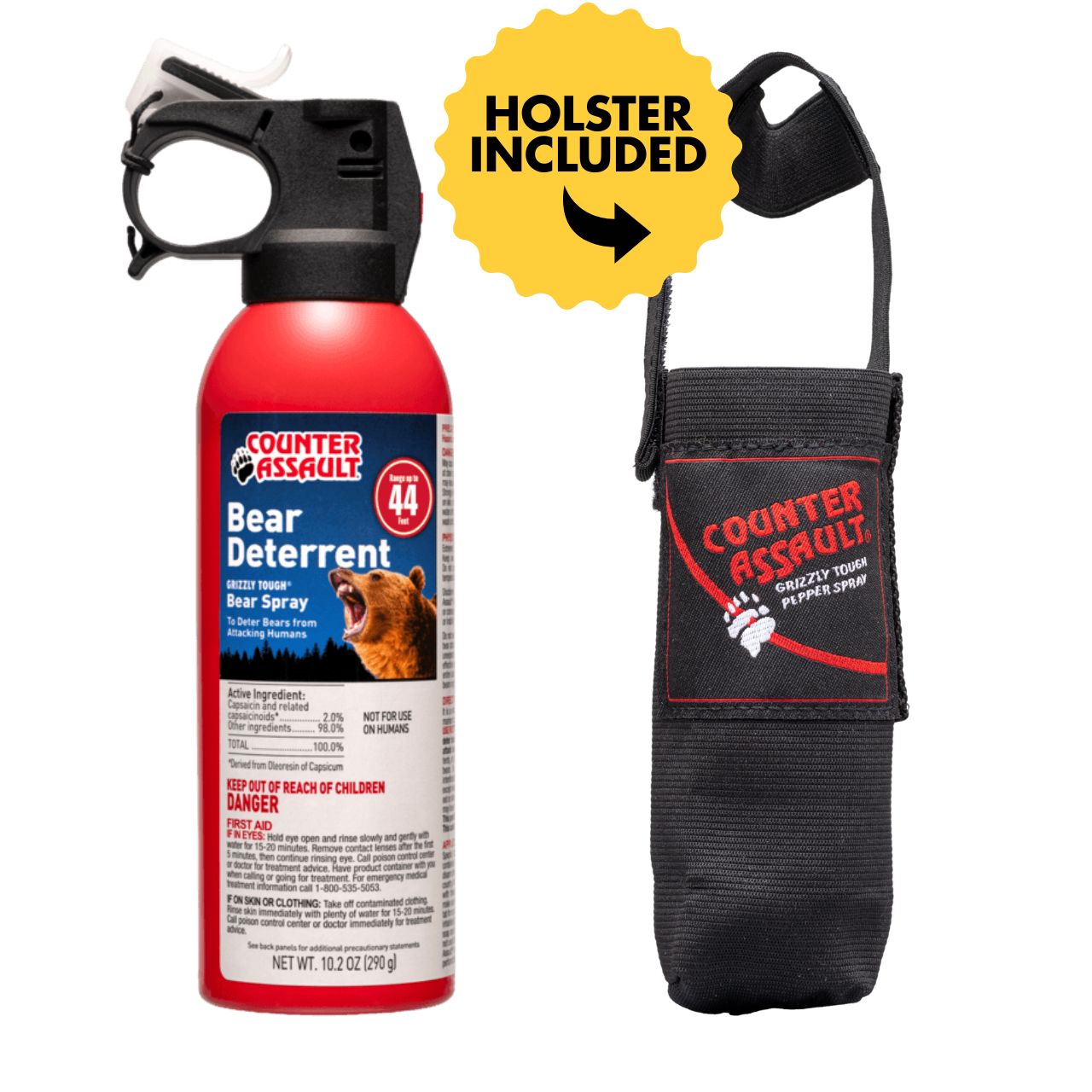
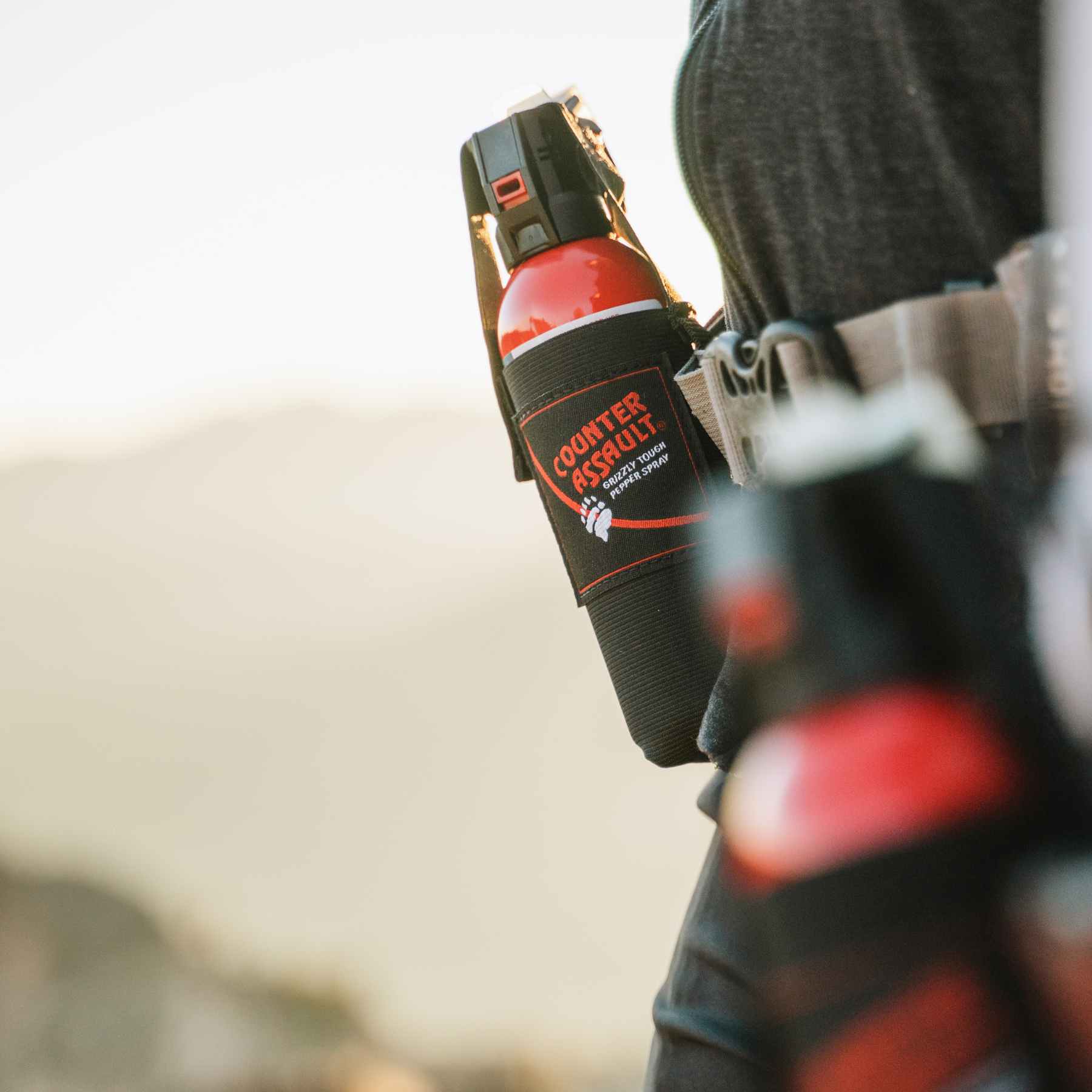
A deterrent belongs where it can be reached. The Counter Assault 10.2 oz bear spray with holster is marketed for bears and also for mountain lions and coyotes. Its stated 44-foot range and included holster matter because access speed and working distance are part of the safety margin, not an afterthought.
A first-aid kit should ride with the same consistency. An organized option from Adventure Medical Kits makes more sense than loose supplies buried in a pack.
This short demonstration is useful for placement and readiness before a trip.
Response works better when it's rehearsed mentally ahead of time:
- Stop forward movement: Don't crowd the animal.
- Get everyone together: People spread out look weaker and are harder to manage.
- Control the pet: No long leash, no letting it “figure it out.”
- Prepare the deterrent: Keep it in hand if the animal holds ground or advances.
- Leave deliberately: Don't sprint out of the scene.
Calm action beats dramatic action. Most people don't need more courage. They need fewer avoidable mistakes.
Myth Busting: Your Guide to Confident Preparedness

What people get wrong
People get into trouble by dismissing early warning behavior. A coyote lingering near a yard in daylight, a lion using cover and watching without leaving, an unattended pet fixated on scent near brush, a fresh kill site on the edge of a trail. None of those signals should be brushed off just because the animal has not charged or vocalized.
Suburban familiarity creates another problem. Residents get used to seeing wildlife near greenbelts, fences, and trail connectors, then start treating close presence as routine. Danger often starts when people normalize proximity.
Equipment gets misunderstood too. Bear spray and personal-defense spray are not interchangeable tools, and using the wrong one cuts into your safety margin. This guide to bear spray vs pepper spray explains the difference.
Prepared beats panicked
Prepared people make decisions earlier.
They bring pets in before dusk if coyotes are active in the area. They stop kids from running ahead on brushy trails where visibility is poor. They leave space around deer carcasses, dense creek bottoms, and game trails because those places can hold a mountain lion even when you never see it.
That is the trade-off people need to understand. Coyotes show up more often around homes, trash, pet food, and unsecured small animals. Mountain lions are encountered less often, but the consequences at close range are more serious. Good preparation accounts for both patterns without turning every outing into a crisis.
Confidence comes from having a script. Stop. Gather people close. Secure the pet. Make yourself easier to see. Leave with control.
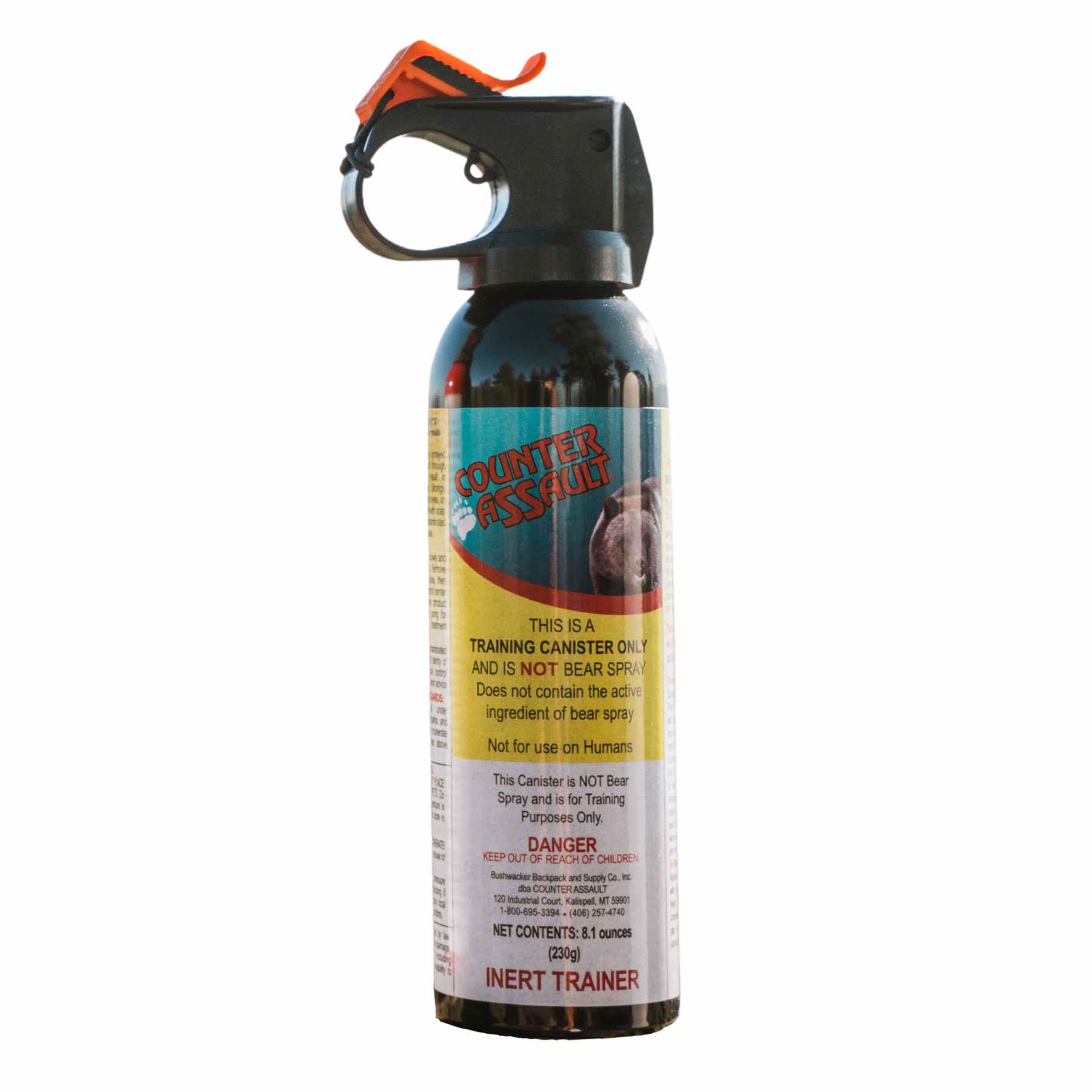
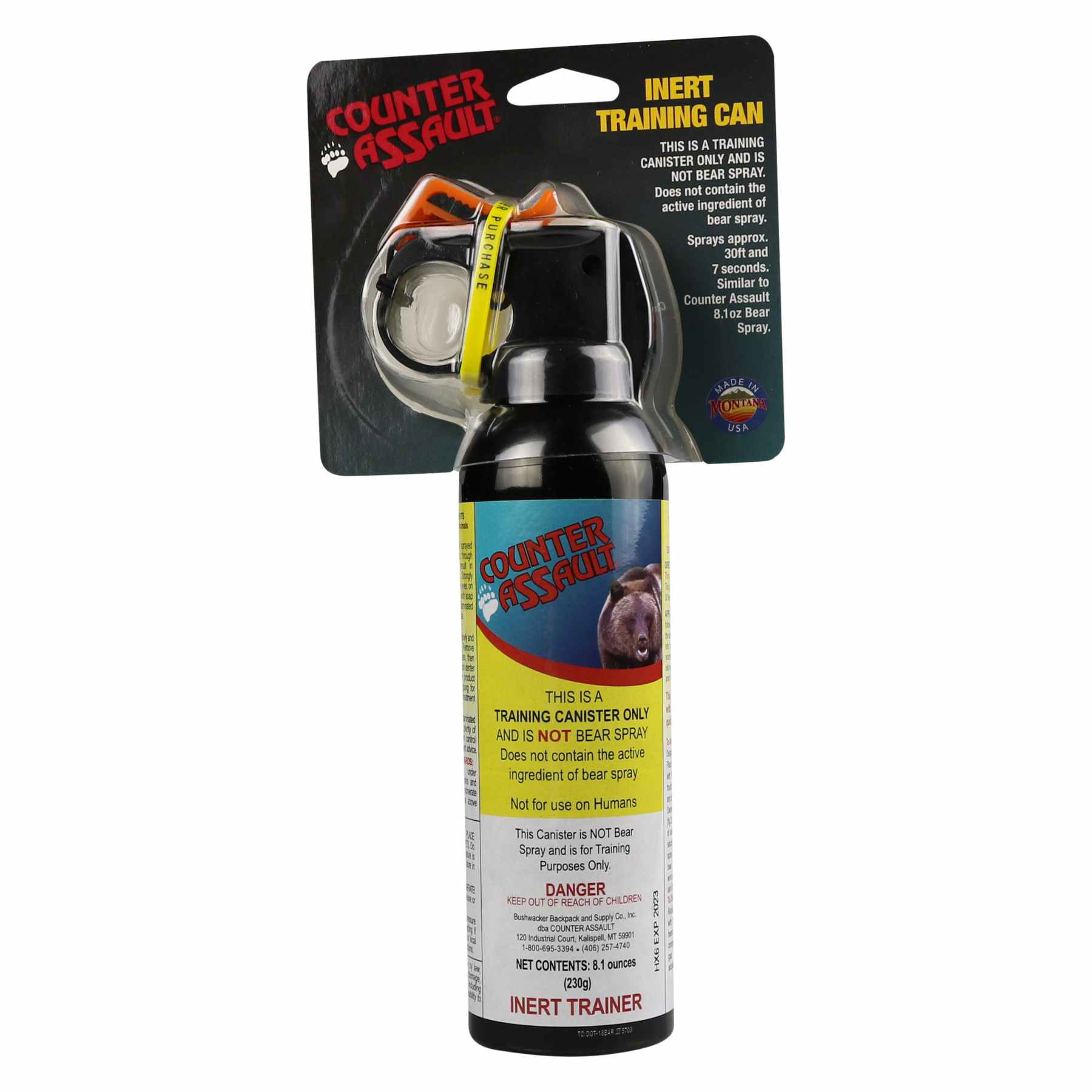
For people who hike, camp, or walk dogs where large predators and opportunistic canids overlap, Counter Assault offers bear spray and bear deterrent gear intended for non-lethal wildlife defense, including products marketed for use on bears, mountain lions, and coyotes.