
Fuel Your Adventure, Not Your Pack Weight. Every ounce counts on the trail, especially once the grade steepens and the miles stack up. The problem isn't just bringing enough food. It's bringing enough useful food that won't drag down the pack, wreck the stomach, or create sloppy habits in bear country.
The best high calorie hiking foods solve two jobs at once. They deliver dense energy, and they fit a safe food system that includes smart storage, a clean camp, and fast access to bear spray when wildlife gets too close. Hikers often aim for about 2,500 to 4,500 calories per person per day, with foods at 100 calories per ounce or more and 125+ calories per ounce even better for ultralight packing, according to REI. For a useful primer on how food affects endurance, it also helps to improve performance with nutrition.
Table of Contents
- 1. PROBAR MEAL Bar
- 2. Greenbelly Meal2Go
- 3. Peak Refuel Freeze-Dried Meals
- 4. Mountain House Pro-Pak Pouches
- 5. Backpacker's Pantry Pad Thai with Chicken
- 6. Justin's Classic Peanut Butter Squeeze Packs
- 7. Bobo's Oat Bars
- 7 High-Calorie Hiking Foods Compared
- Your Backcountry Action Plan Packing and Safety
1. PROBAR MEAL Bar

PROBAR MEAL Bar is a straightforward pick for hikers who want a real meal substitute without cooking, mixing, or cleanup. That matters on exposed ridges, wet days, and quick breaks when stopping too long cools the body down fast.
This bar works best for hikers who want calorie density in a compact shape and don't want to fuss with wrappers from multiple smaller snacks. The chewy texture is filling, and the ingredient style appeals to hikers who prefer plant-based options over dairy-heavy or meat-heavy trail foods.
Why it works on trail
PROBAR fits the moving-hiker rhythm well. It's easy to stash in a hip belt pocket, side pocket, or top lid, and it doesn't require water or a stove. For day hikes, summit pushes, and lunch on the move, that's a real advantage.
The downside shows up in heat and repetition. A dense, sweet bar can feel heavy by afternoon, especially if the day is hot and the climb is sustained. Hikers who rely on bars alone often get appetite fatigue long before camp.
- Best strength: Compact, no-cook calories for fast breaks.
- Best use: Lunch replacement, emergency reserve meal, or first-day trail food.
- Watch for: Sweetness overload on multi-day trips if every meal leans bar-heavy.
Practical rule: Bars are strongest during moving hours. For many hikers, richer fats and heavier meals go down better once camp is set.
PROBAR is a good tool, not a full food system. It works best when paired with salty snacks, water, and something less sweet later in the day.
2. Greenbelly Meal2Go
Greenbelly Meal2Go was built for long-distance hikers, and it shows. The format is simple. Tear the pouch, eat the bars, keep walking.
Compared with many meal bars, Greenbelly stands out for texture. The bars are crisp instead of paste-like, which helps on longer trips when food boredom becomes a real problem. That matters more than many new hikers expect.
Best use case
This is one of the better options for hikers who want one pouch to cover a major chunk of the day's moving calories. It suits big-mile days, long lunchless stretches, and routes where stopping to cook isn't practical.
There's still a trade-off. Pouch meals cost more than basic grocery-store food, and the ingredient profile won't fit every diet. But for convenience, portability, and straightforward trail use, it's well designed.
A bigger issue is smell management. Compact food still smells like food, and bear country punishes careless habits. Hikers who carry calorie-dense snack pouches need to stay disciplined about wrappers, crumbs, and storage. For a better read on wildlife awareness, this guide on tracking black bear sign and behavior helps hikers think beyond just what's in the food bag.
Dense food doesn't cause bear trouble by itself. Sloppy camp habits do.
Greenbelly makes sense for hikers who want less prep and more walking. It doesn't replace camp discipline, and it doesn't reduce the need for proper food storage.
3. Peak Refuel Freeze-Dried Meals
Peak Refuel Freeze-Dried Meals sit on the opposite end of the spectrum from bars and squeeze packs. These are camp meals. They're for the end of the day, when the body needs a serious refill and warm food helps morale as much as calories.
Andrew Skurka has described packing about 4,750 to 5,000 calories per day on a trip, averaging roughly 5,500 calories per day over the journey, while recommending at least 125 calories per ounce and noting fat provides about 240 calories per ounce compared with roughly 100 calories per ounce for carbohydrates or protein. That's the context where meals like Peak Refuel make sense. Not as a casual extra, but as a deliberate response to very high trail demand.
Where it earns pack space
Peak Refuel works well for hikers who want one dinner to do real recovery work. A hot, high-calorie pouch can steady appetite after a long day when snacking alone hasn't been enough.
Its weaknesses are the standard freeze-dried ones. It needs hot water, time, and a little patience. Sodium is also part of the package, which some hikers appreciate after heavy sweat loss and others don't.
- Best strength: Substantial camp meal after long effort.
- Best use: Dinner at camp, cold-weather trips, and routes where morale matters.
- Watch for: Dependence on stove fuel and water access.
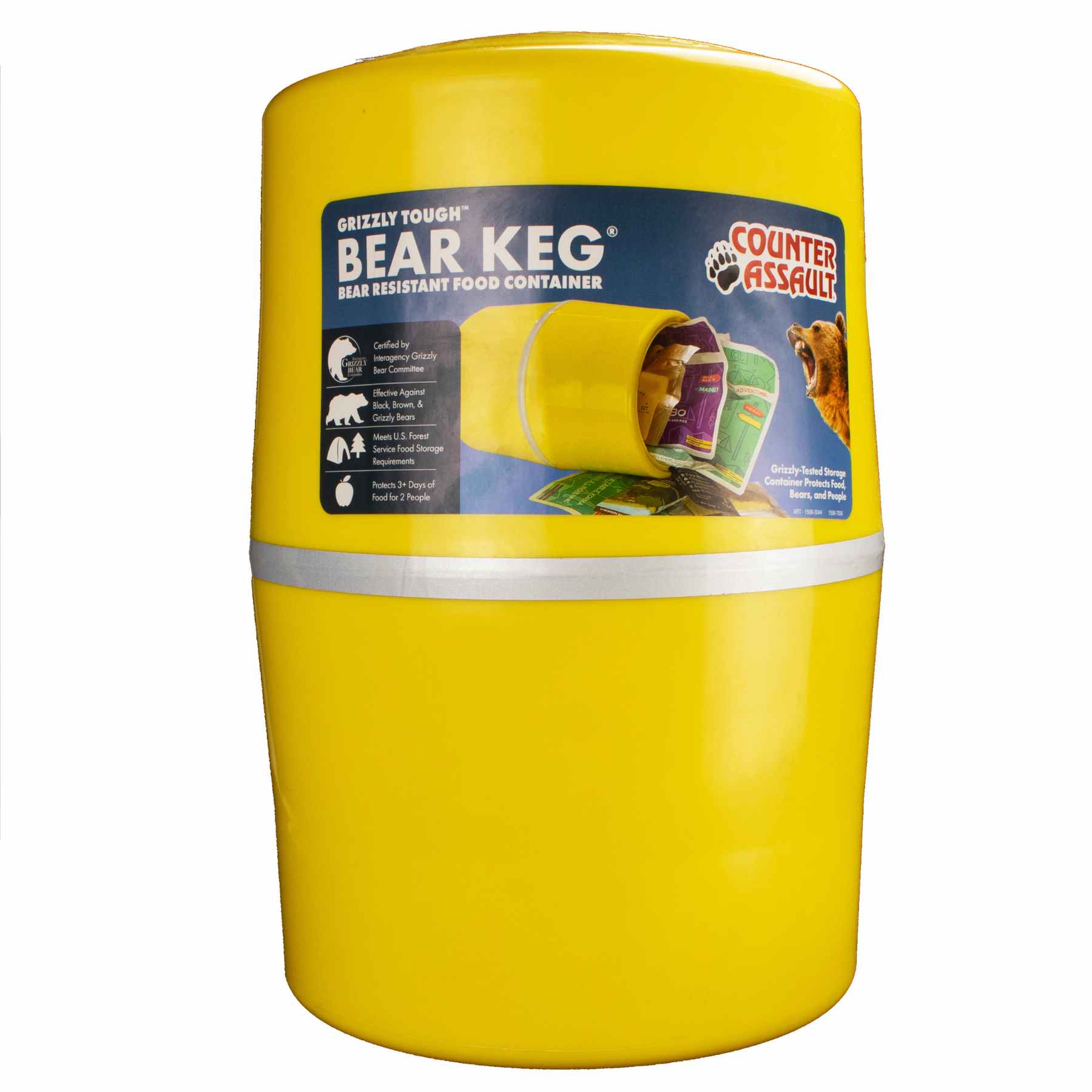
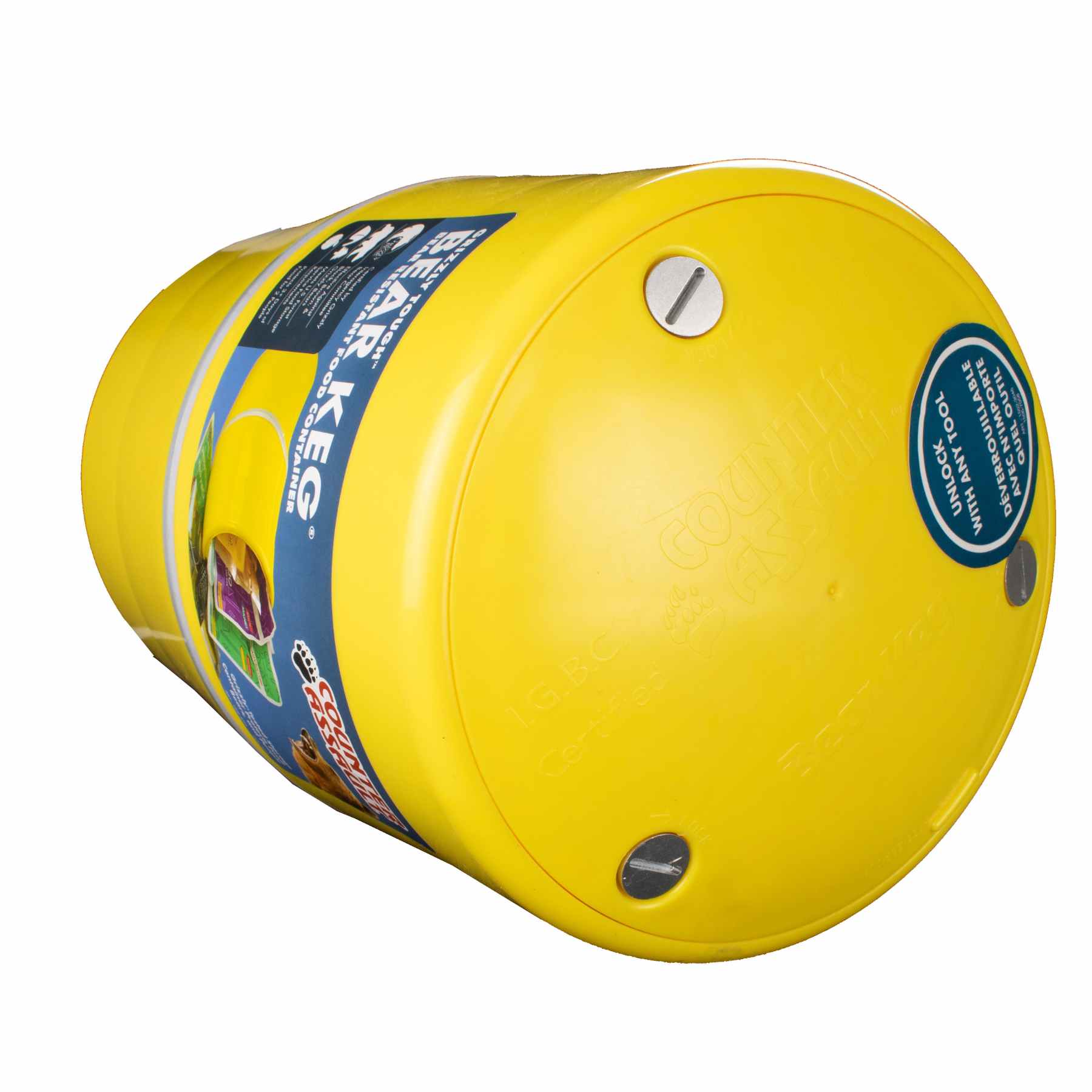
Food planning and bear safety overlap hard at dinner. Freeze-dried pouches, oily add-ins, and used meal bags all need the same level of care as any other scented item. Hikers planning camp meals should also understand bear-resistant food containers before heading into regulated or high-pressure bear habitat.
4. Mountain House Pro-Pak Pouches
Mountain House Pro-Pak Pouches are the dependable middle ground. They aren't flashy, but reliability counts in the backcountry. The slimmer packaging packs neatly, and the brand has a long reputation for consistent rehydration.
For hikers who like systems that just work, Pro-Pak is a safe choice. The pouches fit better into cramped bear canisters and overstuffed food bags than bulkier meal packages, which is a practical advantage on longer carries.
The trade-off
This is a convenience-first option with a familiar compromise. Hot water is required, and sodium can run high like it does in many shelf-stable camp meals. For some hikers, that's acceptable. For others, it means balancing the rest of the day with simpler foods.
Mountain House is strongest on trips where predictability matters more than novelty. The hiker knows what dinner will be, how it will pack, and how it will behave in camp. That confidence is worth something when weather turns ugly or daylight is short.
A meal that rehydrates well every time is often more valuable than a fancier one that sounds better on paper.
This pouch format also suits guided trips, family overnights, and shoulder-season outings where warm food does more than fuel the body. It helps people settle down, warm up, and make better decisions before dark.
5. Backpacker's Pantry Pad Thai with Chicken

Backpacker's Pantry Pad Thai with Chicken is for hikers who want dinner to feel like dinner. Peanut flavor, noodles, and a more substantial eating experience give it a different role than minimalist meals or plain fuel foods.
This kind of pouch works well after hard mileage because it can be easier to eat than another stack of bars or handfuls of trail mix. Appetite often changes under stress, altitude, and fatigue. Warm savory food can help restore intake when sweet snacks have stopped sounding good.
Who should pack it
This meal makes the most sense for hikers who value variety and know they'll still want a real dinner after a long day. It's also useful for people who struggle to eat enough if every trail food is dry, crunchy, or dessert-like.
The limitation is obvious. Peanut content rules it out for anyone with that allergy. It also needs hot water and a little camp time, so it's not a moving meal.
There's also a bigger planning point. Existing high calorie hiking foods advice often focuses hard on calorie density, but it often under-explains when foods feel too heavy, too rich, or too slow during active hiking. Gossamer Gear's discussion of olive oil, nut butters, nuts, and dark chocolate as high-calorie ultralight staples, along with the need to think about tolerance and practical use during exertion points in the right direction. A rich dinner like Pad Thai usually lands better in camp than at noon on a steep climb.
6. Justin's Classic Peanut Butter Squeeze Packs

Justin's Classic Peanut Butter Squeeze Packs are one of the simplest high calorie hiking foods available. They're small, dense, and easy to pair with tortillas, oats, bars, apples, or a spoon.
This is the kind of food that enhances a trail menu. A pouch can turn a weak breakfast into a useful one or rescue a lunch that would otherwise fall short. It also works for hikers who lose interest in dry snacks and need something richer.
How to use it well
Single-serve nut butter is best treated as a multiplier, not a full meal. It adds dense energy to food that's already in the pack, which makes it more flexible than many standalone bars.
Heat creates the usual issue. Oil separation can make the packet messy, so kneading it before opening helps. The smell is also strong enough to matter in wildlife country, which means used packets need to be sealed and stored with the same care as the food itself.
- Best strength: Excellent calorie density in a tiny footprint.
- Best use: Add-on to breakfast, wraps, quick snacks, or emergency calories.
- Watch for: Mess in heat, and the temptation to leave sticky trash loose in the pack.
Counter Assault has a useful reminder about how strong a bear's sense of smell is. Foods like peanut butter are efficient for hikers, but they're equally effective at producing scent. That means every empty packet, crumbed wrapper, and smear on a stuff sack matters.
7. Bobo's Oat Bars

Bobo's Oat Bars fill a different niche than ultra-dense nut butters or expedition-style dinners. They're softer, more breakfast-friendly, and often easier on the stomach when a hiker wants steady energy without a heavy grease hit.
That softer texture is useful in cold weather too, when some bars turn hard enough to feel like trail tools instead of food. Bobo's stays in the category of food most hikers will still want to eat without much effort.
When it fits best
This is a solid choice for breakfast on the move, first-break food, or a calmer midmorning snack. It also pairs well with denser add-ons like nut butter if the hiker wants more staying power.
The weakness is simple. It doesn't carry a meal by itself for long. Protein is modest, and the serving-size labeling can trip up tired hikers who scan the package too quickly.
Another important trade-off is shelf stability under real trail conditions. Advice often names calorie-dense foods but stops short of explaining what happens after days of heat, movement, and repeated opening. Lanman Adventures highlights that the real gap isn't just which foods are high calorie, but which stay safe, stable, and appetizing over several warm days on trail. Bobo's is convenient, but it still needs protection from crushing and moisture.
7 High-Calorie Hiking Foods Compared
| Item | Prep & Complexity 🔄 | Portability & Resources ⚡ | Nutrition & Expected Outcomes 📊 ⭐ | Ideal Use Cases 💡 | Key Advantages |
|---|---|---|---|---|---|
| PROBAR MEAL Bar | Ready-to-eat; zero prep. | Very compact; high cal/weight efficiency (3 oz). | ~360–370 kcal/bar; moderate protein (8–12 g); higher carbs/fat. | Day hikes, big-mile days, grab-and-go refueling. | High calorie density, broad flavor range, wide retail availability. |
| Greenbelly Meal2Go | Ready-to-eat pouch; zero prep. | Moderate pouch weight (~5.5 oz); excellent cal/oz. | 650–695 kcal/pouch; 16–18 g protein; added micronutrients. | Thru-hiking, multi-day sections where palatability matters. | Balanced macros, crisp texture preferred over paste-like bars. |
| Peak Refuel Freeze-Dried Meals | Requires hot water and rehydration time. | Lightweight dehydrated pouches; needs stove/boiling water. | Very high calories (examples to ~1,100 kcal); high protein (30–53 g). | Hunters, long treks needing maximum calories and protein. | Best-in-class calories/protein per pouch; long shelf life (10 years). |
| Mountain House Pro-Pak Pouches | Requires hot water; consistent rehydration. | Slim vacuum-sealed packs; compact for stowage. | Examples ~640 kcal and ~43 g protein (varies by SKU). | High-mileage trips, emergency food, reliable camp meals. | Trusted brand, consistent performance, wide availability. |
| Backpacker's Pantry Pad Thai with Chicken | Requires hot water; rehydrate per instructions. | 2‑serving pouch; moderate weight for calories. | ~850 kcal and ~42 g protein per pouch; peanut-containing. | Substantial hot dinners on trail; value-oriented high-calorie meals. | Strong calorie-to-weight, good flavor, cost-effective among freeze-dried. |
| Justin's Peanut Butter Squeeze Packs | Ready-to-eat; zero prep. | Extremely portable single-serve packets; long shelf life. | ~210 kcal and ~7 g protein per pack; high fat-based calories. | Quick calorie boosts, eaten solo or added to tortillas/oats. | Versatile use, excellent calories-per-ounce, minimal mess. |
| Bobo's Oat Bars | Ready-to-eat; zero prep. | Full bar ~3 oz; grocery-store availability. | ~340 kcal per full bar (labelled as two servings); lower protein. | Breakfast-on-the-go, mid-hike steady-energy snack. | Easy digestion for many hikers, vegan/gluten-free options, accessible. |
Your Backcountry Action Plan Packing and Safety
A long day goes sideways fast when you roll into camp cold, hungry, and careless with food. In bear country, calories and food handling are tied together. The same meal that keeps you warm and steady can also create problems if wrappers, cookware, and scented items are spread through camp.
Build one system before you leave home. Pack fast trail calories where you can reach them without unpacking half your bag. Keep dinner, trash, and toiletries together so every scented item ends up in the same place at camp. That cuts down on mistakes when light is low and you are tired.
Use this setup:
- Day fuel up front: bars, nut butter packs, and other ready-to-eat food for short stops
- Camp meals together: freeze-dried pouches, stove, spoon, and drink mixes in one food bag
- All scented items grouped: food, wrappers, toothpaste, lip balm, sunscreen, and trash
- Cleanup kit with the food bag: wipes, a small trash bag, and odor-resistant storage
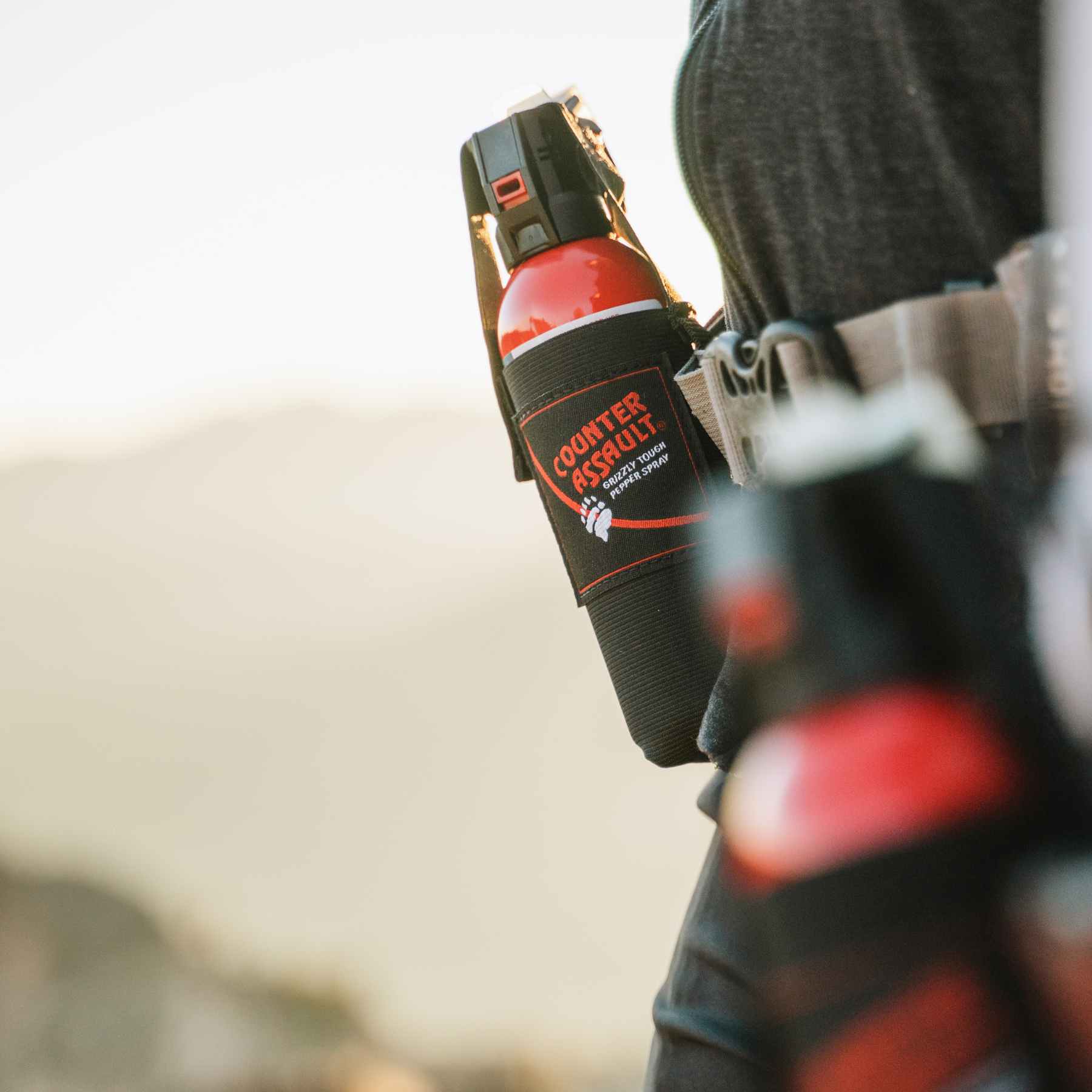
- Bear spray on your belt or shoulder strap: reachable with either hand, never buried in the pack
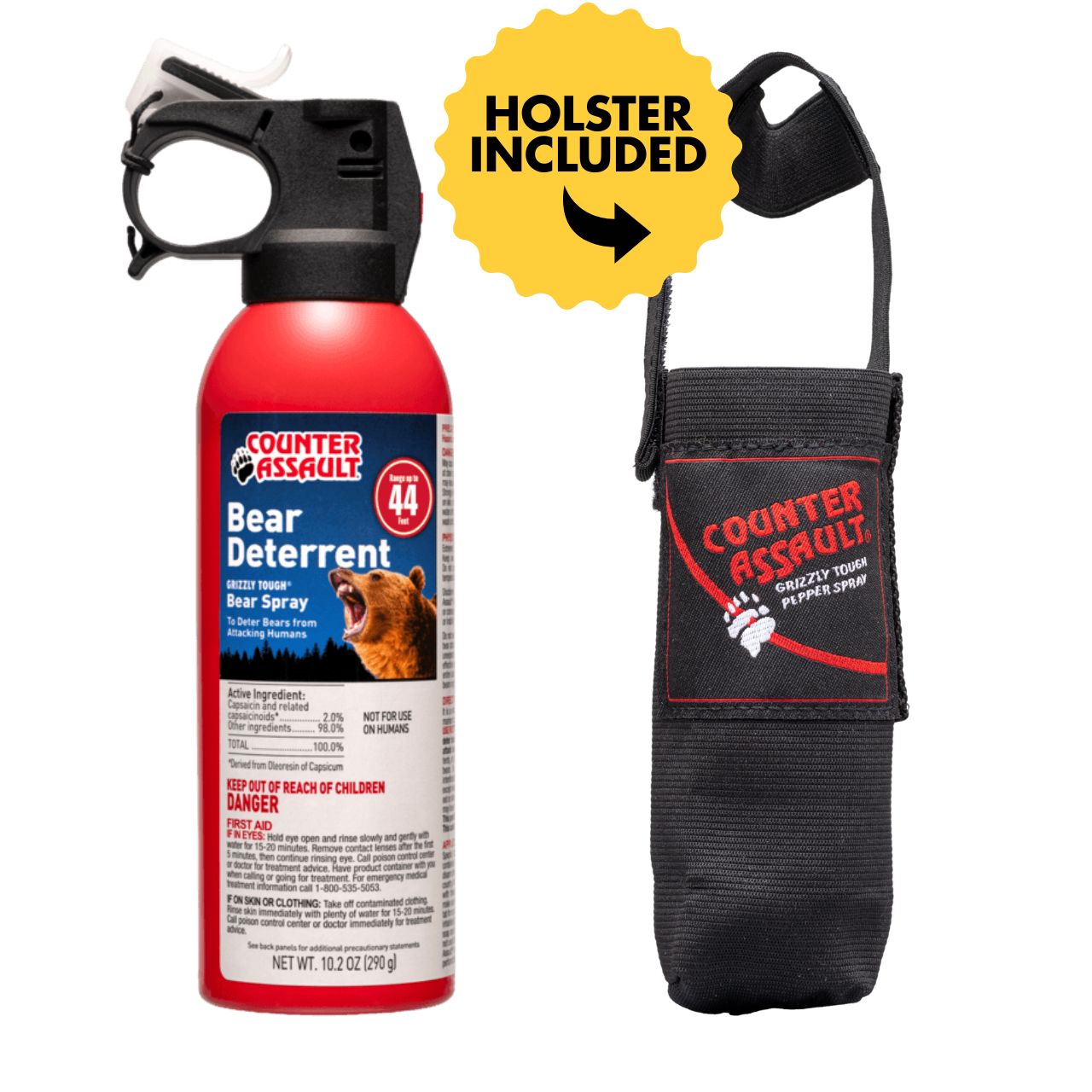
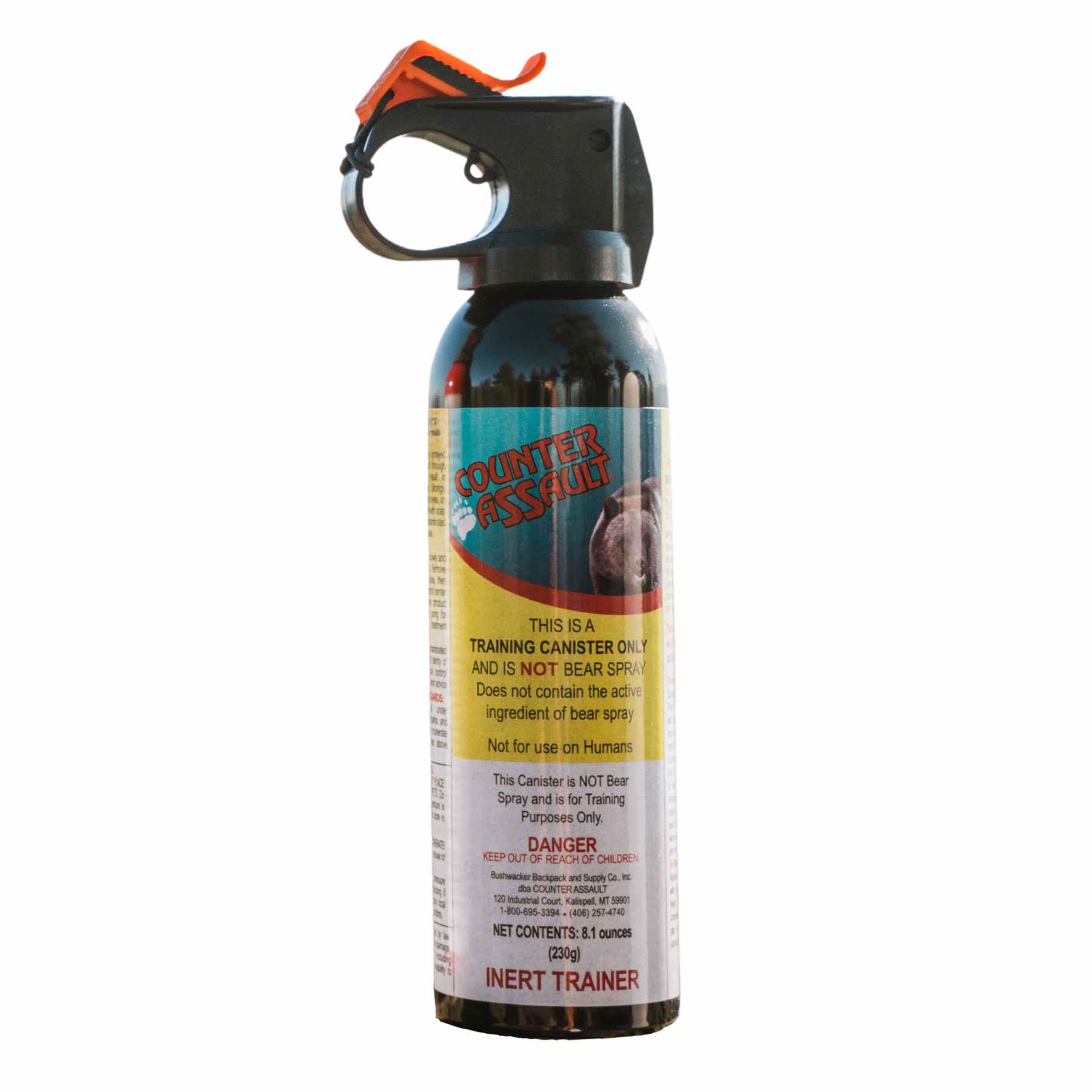
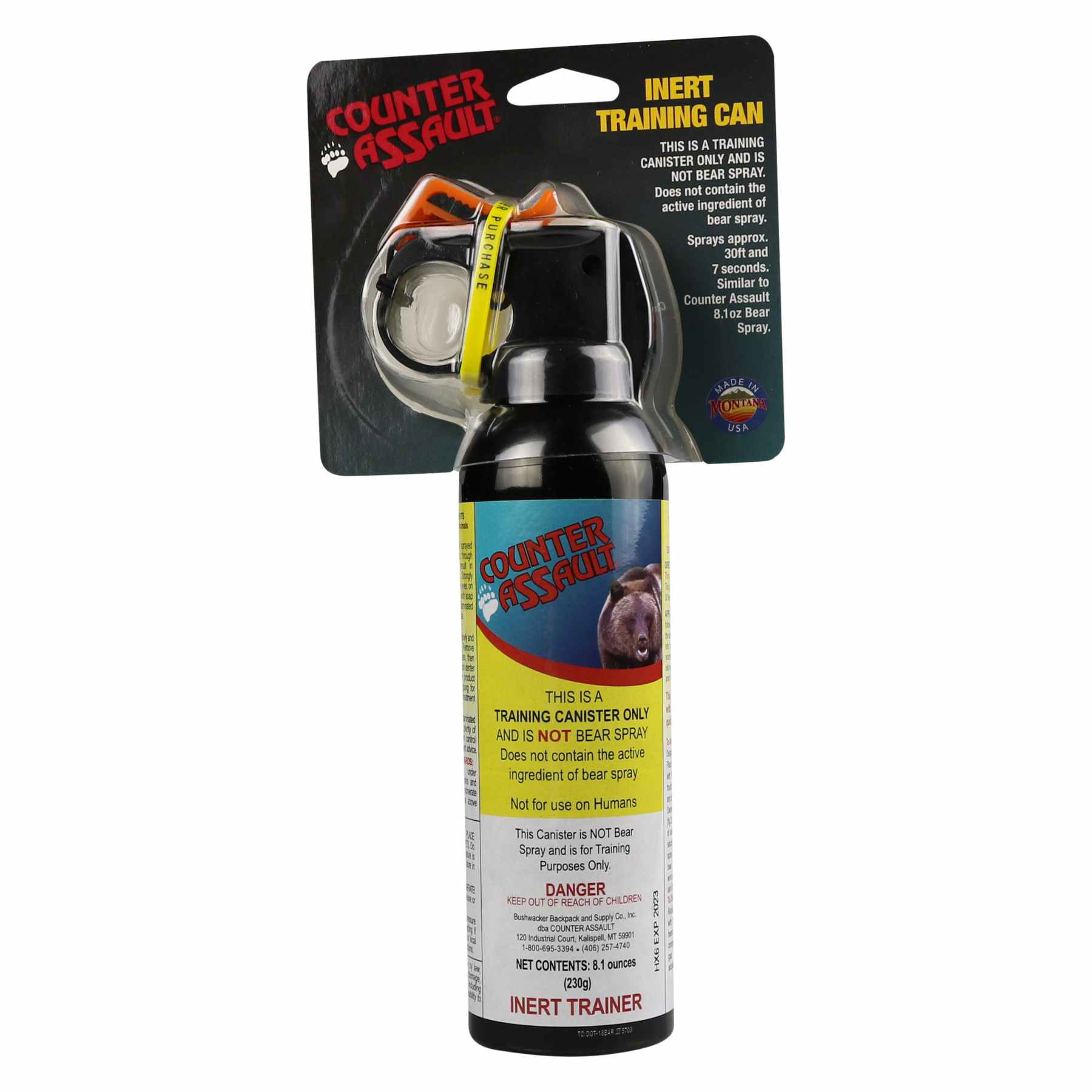
That last point matters. If you carry bear spray, carry it where you can draw it under stress. Counter Assault sells a holster setup that keeps the can accessible. Practice the draw before the trip. Do it with your pack on.
Camp routine matters as much as food choice. Cook and eat away from your sleeping area when local guidance or conditions call for it. Clean up right after the meal. Seal leftovers and trash immediately. If the area requires a bear canister, use it. If there is a food locker, use that. If hangs are allowed, set them up correctly before dark.
I group food planning by job. Quick calories keep pace during the day. Dense hot meals help recovery at camp. Storage gear and spray handle the risk that comes with carrying all that scent through bear habitat. Treat those as one packing plan, not separate tasks.
Wildlife is not the only problem out there. A well-stocked Adventure Medical Kits first aid kit helps with blisters, cuts, and the small injuries that can end a trip early. A compact LuminAID solar lantern makes cooking, cleanup, and food storage easier after dark.
Analysts at DataIntelo note continued growth in the outdoor camping food market. That tracks with what experienced hikers already know. Shelf-stable, high-calorie food works best when it is packed with the same discipline you use for weather, route finding, and bear safety.