
A lot of hikers notice tree damage only after they stop for water, adjust a pack, or wait for the rest of the group to catch up. A trunk beside the trail shows long scratches, bark peeled away, and maybe a darker stain where sap has run. That moment matters. A scratched tree can be random wear, or it can be a sign that a bear has been active in the area.
Knowing how to read bear claw marks changes what happens next. Instead of guessing, hikers and homeowners can look at the pattern, depth, and placement of the marks, decide whether the sign is old or fresh, and respond with calm, practical caution. That skill doesn't just help people stay safer. It also helps them give bears space and avoid preventable conflicts.
Table of Contents
- Reading the Forest A Hiker's Introduction to Bear Signs
- Decoding the Signs How to Identify Bear Claw Marks
- Is It a Bear Distinguishing Marks from Other Signs
- What the Marks Tell Us Interpreting Bear Behavior
- Your Action Plan Safety in Areas with Bear Sign
- Be Prepared Not Scared Expert Resources
Reading the Forest A Hiker's Introduction to Bear Signs
A common trail scenario goes like this. Someone steps off to the side, notices gouges on an aspen or conifer, and asks whether they're looking at a bear tree or just old damage. The answer isn't always obvious at first glance, especially in dry country where bark splits naturally or in busy recreation areas where trees get scarred by people.
That's why field awareness matters. A hiker doesn't need to be a tracker or biologist to read the basics. The woods leave clues. Scratches on bark, hair caught on sap, torn wood, tracks in soft ground, and fresh scat all add context.

Why this skill matters on a normal hike
Reading sign helps people make better decisions before an encounter happens. If marks look old and weathered, the safest response may be simple awareness and steady travel. If the area shows several fresh signs at once, the group should tighten up, make more noise, and move with intention.
Practical rule: A marked tree isn't a reason to panic. It's a reason to slow down, observe carefully, and stop moving through the landscape on autopilot.
This kind of observation also builds respect for wildlife. A tree with claw marks isn't just damaged wood. It's evidence that a bear climbed, fed, rubbed, or communicated there. In France's Chauvet-Pont d'Arc cave, researchers documented bear claw marks reaching up to 3 meters high, a physical benchmark that helped archaeologists establish the relative chronology of prehistoric art on the walls of the cave through the overlap of marks and artwork (Chauvet cave bear claw marks analysis).
Decoding the Signs How to Identify Bear Claw Marks
The fastest way to get this right is to stop guessing from one scratch. A real identification comes from a cluster of clues that agree with each other.

Start with the claw count
For black bears, the most useful visual cue is often the five-line pattern. Black bear claw marks are typically 1 to 2 inches long, sharply curved, and show as five parallel lines. That five-claw pattern helps separate bear sign from cougar sign, which often shows four lines instead. The same field reference also notes that bears leave deep horizontal dot-and-dash bite marks with their canine teeth, and those bites can pull bark away from the trunk (black bear claw mark field example from Rio Mora NWR).
People often count wrong because bark flakes, sap flow, and overlapping scratches blur the pattern. When that happens, look for repeated sets nearby rather than forcing a conclusion from one damaged patch.
Look at shape depth and direction
Claw marks and bite marks don't do the same thing to a tree. Bear claw marks are typically superficial, while incisor and canine bites tear deeper and may pull out bark and wood. That difference matters because deep, torn bark points more toward forceful biting or aggressive marking than casual climbing.
Another clue is angle. Bears climbing a tree often leave diagonal marks because they hug the trunk with the body and drag the front claws at an angle as they pull upward. Cats tend to climb more vertically, leaving straighter gouges. The North American Bear Center also notes that bears may combine clawing with rubbing their shoulders, necks, and crown, sometimes leaving fur or scent along with the visible damage (tree marking behavior in black bears).
A diagonal scratch pattern on a climb tree usually tells a mechanical story. The animal wrapped the trunk and pulled upward, not just swatted at the bark.
Check the whole scene
A single marked tree can mislead. The surrounding area helps confirm what happened.
Use this quick checklist:
- Look low and high: Bears may mark at several heights on the same trunk.
- Scan the ground: Tracks, scat, overturned logs, or fresh digging support the identification.
- Study bark texture: Shallow clawing and torn bite damage have different edges.
- Check nearby trees: Repeated marking in a small area often means a travel route or communication site.
- Compare with known sign: A helpful next step is reviewing how to track black bear sign in the field.
A scratched tree becomes much easier to interpret once the observer stops treating it like an isolated clue.
Is It a Bear Distinguishing Marks from Other Signs
Most mistakes happen when people focus on drama instead of details. Big scratches look dramatic. That doesn't always make them bear sign.
What confuses people most often
Mountain lion scratches are one of the most common mix-ups. To the untrained eye, parallel marks are parallel marks. But cougar scratches are usually narrower, cleaner, and more vertical. Bear sign often looks broader and less precise, especially when the trunk shows climbing marks and bark disturbance from rubbing or biting.
Deer and elk antler rubs confuse people for a different reason. They can leave bark stripped off and wood exposed, but they don't produce a neat set of curved claw lines. The rubbed area often looks frayed, polished, or shredded rather than scratched in parallel.
Human-made damage has its own signature. Hatchets, saws, and machetes leave repeated mechanical cuts. Those cuts tend to look uniform, sharp-edged, and unnaturally consistent. They lack the curved, organic spacing of animal sign.
Wildlife Sign Identification Guide
| Sign | Bear Claw Marks | Mountain Lion Scratches | Deer/Elk Antler Rubs |
|---|---|---|---|
| Pattern | Often parallel, broader, sometimes paired with bark tearing or bite sign | Usually narrower, cleaner, straighter | Irregular bark stripping, no claw pattern |
| Claw count clue | Often shows five marks when clear | Often shows four | No claw count applies |
| Direction | Can be diagonal on climbing trees | More often vertical | Rubbed and frayed, not scratched |
| Associated sign | May include fur, scent rubbing, tracks, scat, bite marks | Tracks may confirm cat presence | Hair, rubbed bark, hoof sign nearby |
| Best interpretation | Climbing, marking, rubbing, or feeding-related sign | Cat scratching or climbing sign | Antler rubbing behavior |
A second check should always follow the tree check. Ground sign often confirms what bark alone can't. A useful companion reference is how bear tracks differ from other wildlife tracks.
If the trunk shows rough parallel scratching plus deeper horizontal bark removal, a bear becomes much more likely than a cat or ungulate.
What the Marks Tell Us Interpreting Bear Behavior
You come around a bend and find a tree with fresh pale wood showing through the bark, sticky sap, and shredded chips on the ground. That is not just an interesting wildlife sign. It is a field clue that helps you decide how carefully to move through the next few minutes.
A marked tree works like a message board for bears. Clawing, biting, and rubbing can leave scent, visual sign, and a record of repeat visits on one obvious object. Some of that marking increases during the breeding period, especially among adult males, which helps explain why certain trees get used again and again.
The useful question for a hiker or homeowner is simple. Is this old sign, or sign that could mean a bear is close by now?
Freshness matters more than curiosity
Fresh claw marks usually have cleaner edges and lighter inner wood. Sap may still look wet or feel tacky. Bark strips or wood chips at the base of the trunk suggest recent activity. Fur caught on resin or rough bark can point the same way.
Older marks look quieter. Sun, rain, dust, and insects soften the edges. The exposed wood turns gray, and the whole scar starts blending back into the trunk.
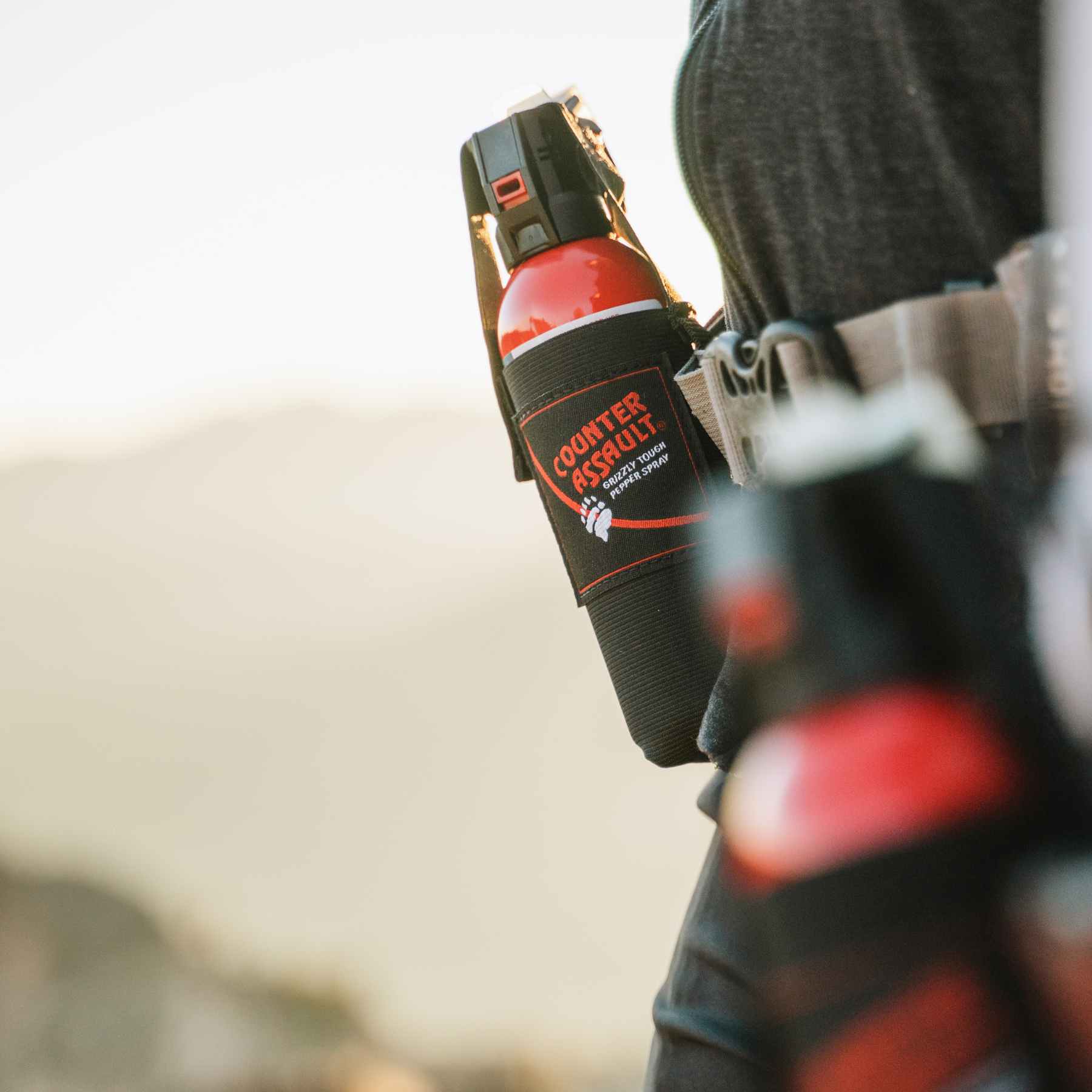
That difference should change your behavior. Weathered marks tell you a bear has used the area at some point. Fresh marks, especially when paired with tracks, scat, or a strong odor, mean you should tighten up your group, scan ahead, and get your bear spray accessible in your hand or holster, not buried in a pack. If you need a quick refresher on encounter response, review what to do if you see a bear.
Location helps explain intent
Where the marks appear can tell you a lot. Scratches high on a trunk, repeated on a well-traveled route, often point to marking or rubbing behavior. Damage on fruit trees, beehive supports, sheds, garbage enclosures, or fences may point to food-seeking or investigation of human attractants. Marks near a trail corridor deserve special attention because people and bears are using the same travel space.
Depth matters too. Light surface scratching can come from a quick pass or a climb. Deep gouges, torn bark, and repeated damage on the same trunk suggest force, body rubbing, or return visits over time.
A homeowner should read that sign like a warning light. Fresh damage near attractants means clean up fallen fruit, secure feed and trash, and remove what is drawing the bear back. A hiker should read the same sign as a cue to slow down, make calm human noise, and avoid crowding thick cover, creek bottoms, carcass sites, or berry patches where a bear may still be feeding or bedding nearby.
The marks do not predict aggression. They do tell you how alert to be, how much space to give the area, and whether now is the moment to treat the site as active bear country instead of yesterday's news.
Your Action Plan Safety in Areas with Bear Sign
Finding fresh sign should change behavior right away. It doesn't mean sprinting off the trail. It means switching from casual travel to deliberate travel.

What to do right away
A group that finds fresh scratches, tracks, or scat should do a few things immediately.
- Close the gaps: Keep children near adults and bring dogs under tight control where regulations allow dogs at all.
- Make steady noise: Talk in normal voices, especially near brushy corners, creek noise, or blind rises.
- Scan before moving: Look ahead for carcasses, berry patches, or thick cover where a bear could be bedded.
- Keep distance from the sign area: Don't crowd the tree for photos or try to judge size by standing beside it.
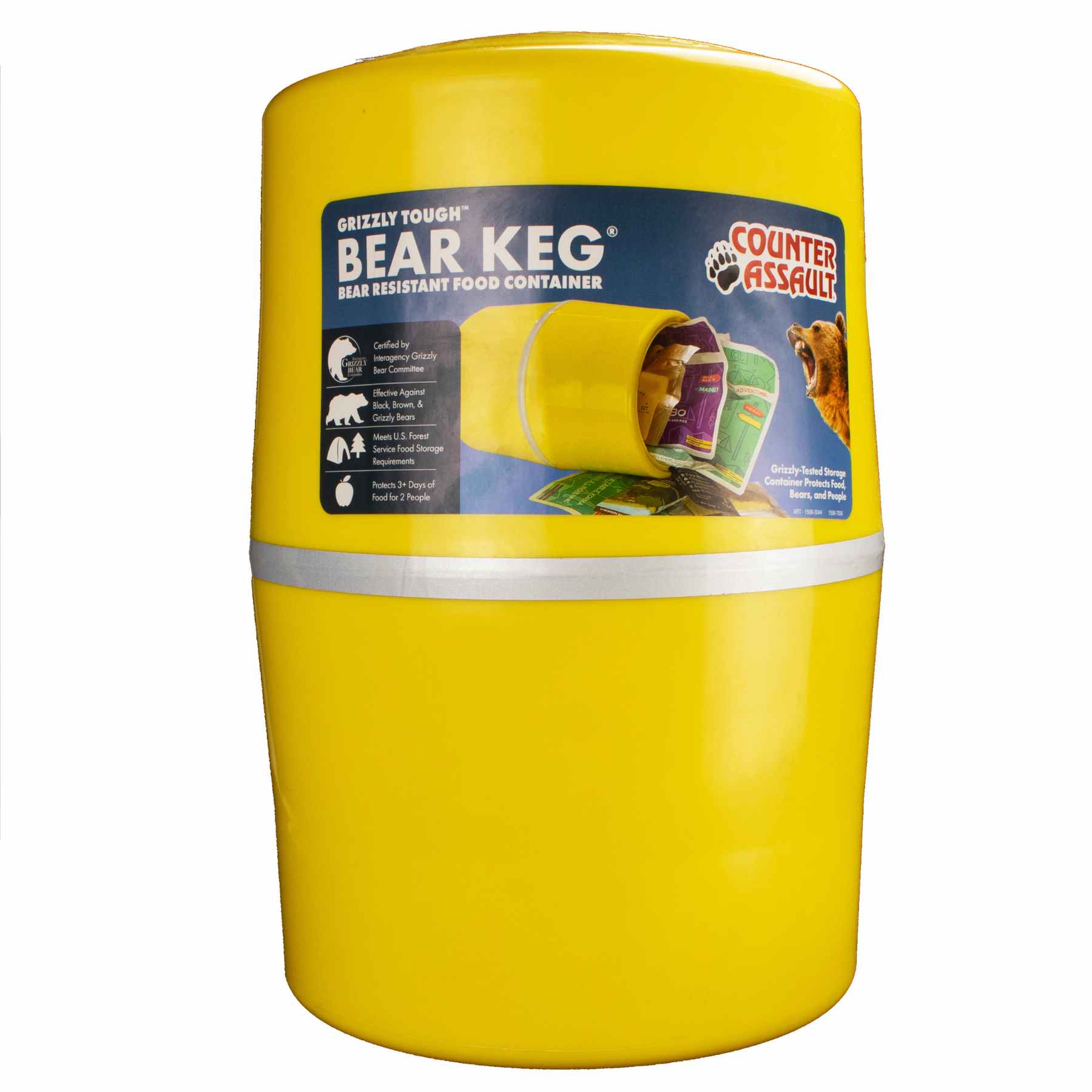
People also reduce risk before the trip starts. Hiking in groups, avoiding dawn and dusk travel in places where bears are active, and keeping camps clean all lower the odds of a close surprise. Food and scented items belong in bear-resistant storage away from sleeping areas.
A clear encounter protocol matters too. If a bear is seen and isn't charging, people should avoid running, avoid direct eye contact, stand their ground, speak normally, and back away slowly and sideways while preparing deterrent spray. Those actions help the bear identify them as people rather than prey.
When to ready spray and when to use it
The spray should be accessible before it's needed. Fresh sign isn't the time to bury it inside a pack. It should be carried where a person can reach it quickly.
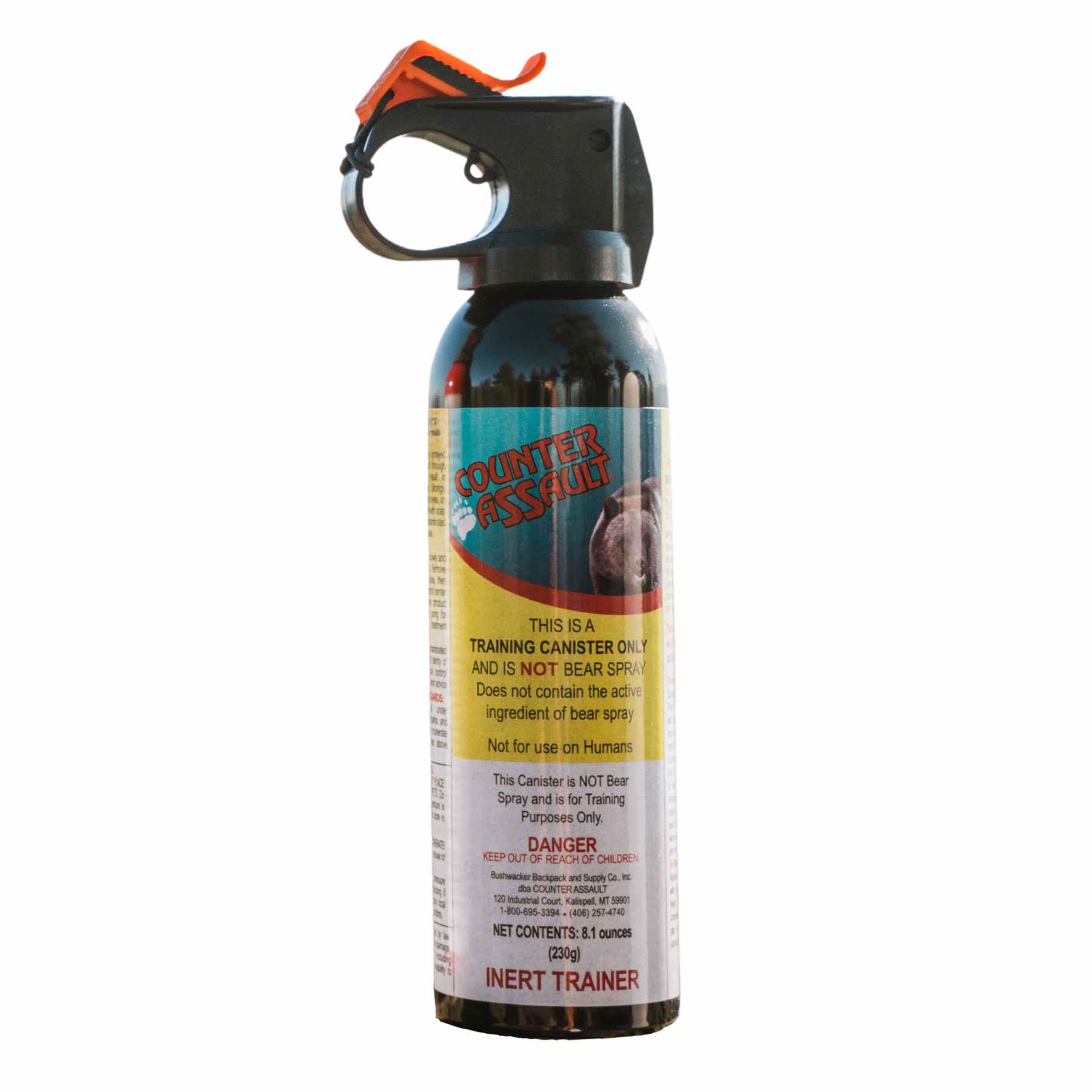
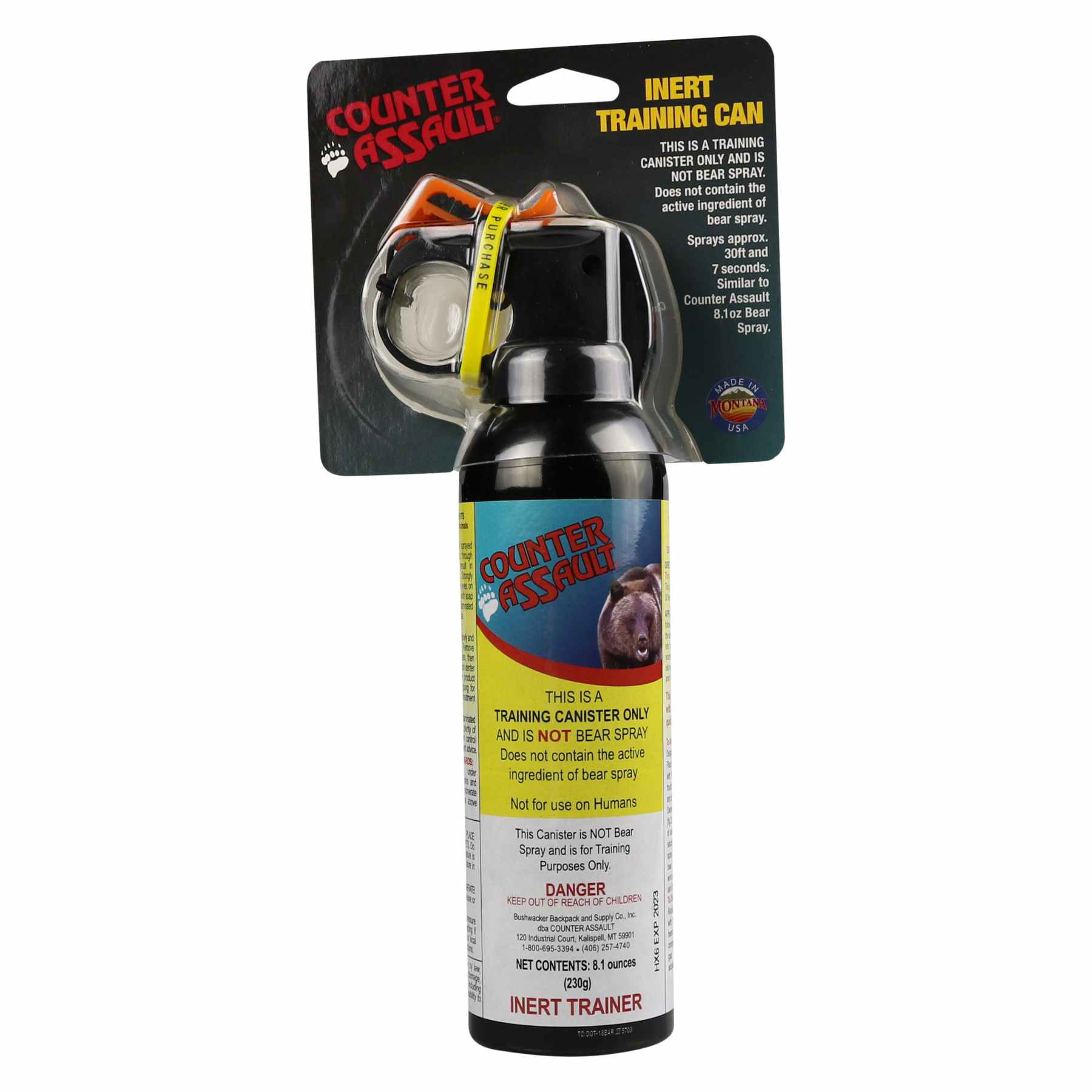
This video gives a useful visual refresher on how spray deployment works in bear country.
Bear spray should only be used when a bear is charging or acting aggressively in a way that suggests a charge may happen. It should not be sprayed on clothing, skin, tents, or gear as a preventive coating.
The deployment steps are simple:
- Remove the safety clip.
- Aim slightly downward toward the space in front of the charging bear.
- Start spraying when the bear is 30 to 60 feet away so it runs into the cloud.
- Continue until the charge breaks off.
- If needed, direct the spray into the face.
- Leave the area immediately.
The case for spray over firearms is strong. Bear spray is over 90% effective in stopping aggressive bear encounters, and in a study of 72 incidents, 98% of people using it were completely unharmed. The same review notes that firearms have a lower success rate in stopping an attack, and injury rates for the person are the same whether they have a gun or not (bear spray effectiveness and injury outcomes). For encounter basics, what to do if you see a bear is a useful field reference.
Spray works because it doesn't require the kind of pinpoint accuracy that a fast, close charge makes nearly impossible.
Helpful gear for the rest of the day
Safety doesn't stop with deterrent spray. A few support items make better decisions easier after sign is found.
- For first aid readiness: An organized kit such as the Adventure Medical Kits hiking and outdoors collection belongs in any daypack or camp setup.
- For camp lighting: A portable light like those from LuminAID helps people keep campsites orderly after dark, which reduces fumbling, food mistakes, and avoidable stress.
- For food and emergency storage: The SOL survival gear collection is worth a look for compact emergency tools that fit easily into a backcountry kit.
Be Prepared Not Scared Expert Resources
People who understand sign usually feel less fear, not more. A scratched tree stops being a mystery and becomes a clue. The response gets simpler. Slow down. Confirm what the sign says. Increase awareness. Give wildlife room.
What confident bear awareness looks like
Confident bear awareness isn't bravado. It looks like calm habits repeated every trip. Travel in groups when possible. Make noise before blind corners. Keep camps and yards free of attractants. Treat fresh sign as a reason to sharpen attention, not a reason to behave recklessly.
For local guidance and reporting, hikers and homeowners should check official wildlife agencies in the area they're visiting. The Be Bear Aware campaign is a strong starting point for practical education, and state agencies such as Montana Fish Wildlife and Parks and Colorado Parks and Wildlife provide region-specific bear guidance and contact information.
Bear country doesn't demand panic. It demands preparation, observation, and respect.
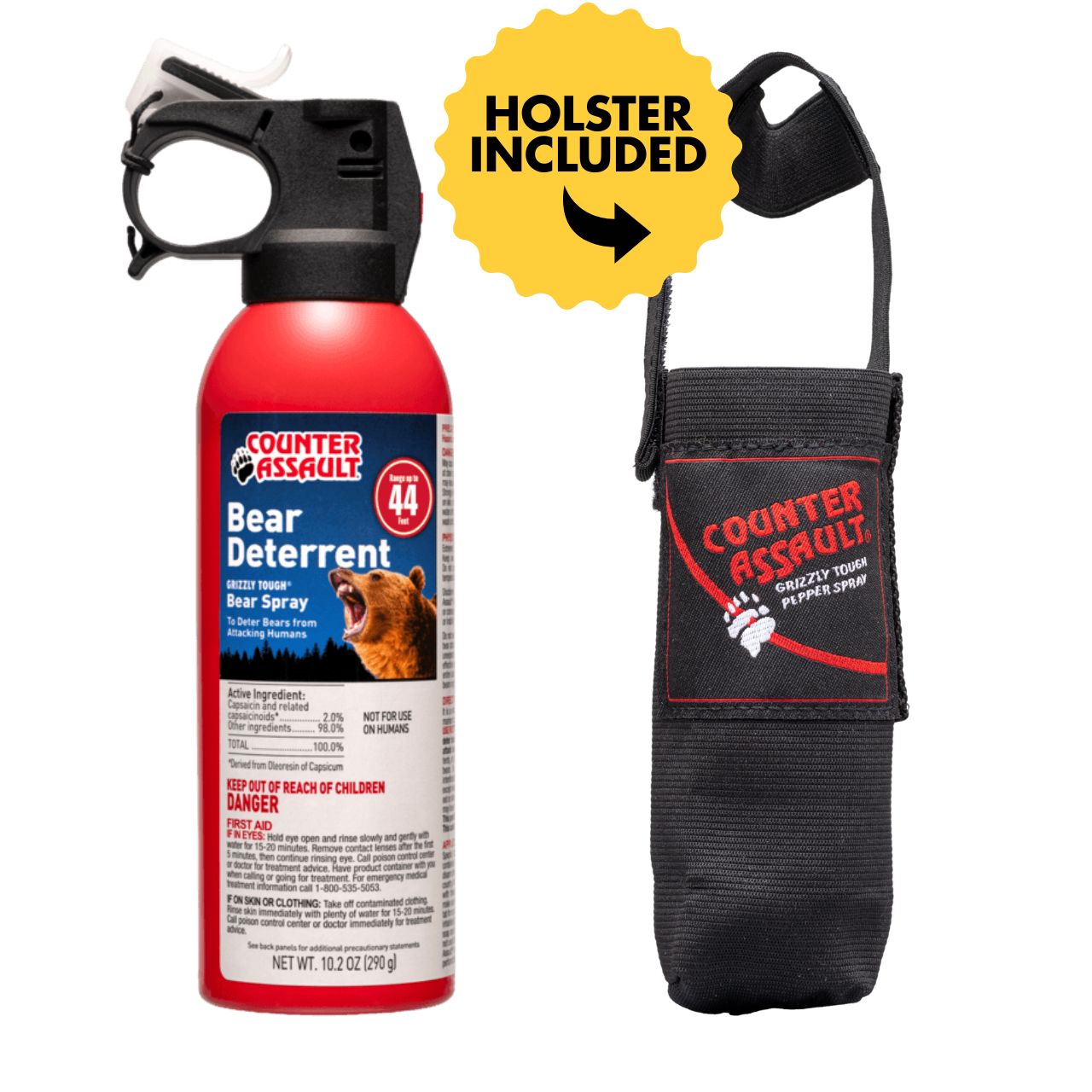
Carry gear that's built for real bear country. Counter Assault makes bear deterrents designed to protect both people and wildlife, with the flagship 10.2 oz bear spray with holster offering a 44-foot spray distance and use on all bear species, plus mountain lions and coyotes. It's made in Montana, uses a maximum 2% capsaicin formula, and remains the brand many outdoor professionals trust when quick access and dependable performance matter most.