
A low, rolling growl on a quiet trail gets attention fast. Most hikers hear that sound and think one thing: attack.
That isn't the right read.
With grizzly bears growling, the sound usually matters because it means the animal is agitated and wants space. The safest response comes from treating that growl as part of a larger warning system. Sound, distance, posture, movement, and terrain all matter. A calm hiker who reads those signals correctly has a much better chance of ending the encounter without injury to either side.
Table of Contents
- That Sound in the Woods Understanding a Grizzly Growl
- Why Grizzlies Growl The Reasons Behind the Sound
- Decoding the Full Spectrum of Grizzly Vocalizations
- How to Read a Grizzly's Body Language
- Your Step-by-Step Bear Encounter Safety Plan
- Debunking Dangerous Myths About Bear Encounters
- Conclusion Be Prepared Not Scared
That Sound in the Woods Understanding a Grizzly Growl
Hear a grizzly growl as a decision point.
In the field, that sound is not background drama. It is a warning tied to distance, pressure, and the bear's comfort level. A hiker who treats it like a movie cue is already behind. A hiker who treats it like immediate feedback can still slow the encounter down and create space.

A growl means more when you connect it to what you can also see. Is the bear facing you head-on, swinging its head, huffing, or holding ground? Is it in thick cover, near cubs, or close to a food source? Bears sort out a lot through scent before people ever spot them, which is one reason a bear's sense of smell changes encounters early. The sound is one piece of the picture. Your job is to read that piece fast and respond at the right level.
Use a simple rule. Low, steady warning sounds mean stop, assess, and start backing out without sudden movement. If the bear adds stronger agitation and closes distance, your response has to tighten up fast. Get bear spray accessible, keep your movements controlled, and work to reduce pressure instead of adding more.
Practical rule: A grizzly growl is a warning to create space and prepare for the next move.
That is the useful part for hikers. The growl does not just tell you the bear is upset. It helps sort the encounter into stages, from early de-escalation to active defense if the warning builds into a charge.
Why Grizzlies Growl The Reasons Behind the Sound
Most grizzly vocalizations make more sense once the animal is understood for what it is. Grizzlies are omnivores, and their diets are mostly berries, tubers, nuts, and other plant matter, with predation playing a smaller role, as described in this grizzly explainer video. That matters because a growl is often a defensive or warning behavior, not a hunting signal.
The most common reason is pressure
A bear growls when it feels crowded, surprised, or challenged. The sound often shows up when a person rounds a blind corner, steps into thick cover, comes between a sow and cubs, or gets too close to a carcass or other food source.
Risk rises less from the sound itself than from the setup around it. Distance, surprise, and whether the bear thinks its space has been cut off matter more than the noise alone.
What the growl is saying
A practical reading of grizzly bears growling looks like this:
- Too close: The bear wants more room.
- Too sudden: The bear didn't have time to avoid the encounter.
- Too much pressure: The person may be blocking a retreat path, approaching cubs, or standing near food.
- Too much confidence from the hiker: Moving in for a better photo, better look, or better video is exactly the wrong move.
That is also why prevention matters before the encounter starts. Hikers who understand scent, food, and how quickly wildlife notices human presence usually make better choices on the trail. A useful primer on that side of bear awareness is this article on a bear's sense of smell.
A growl is usually a request for space delivered in the clearest terms a bear has.
What does not work
Three bad instincts cause trouble fast.
- Closing distance: Curiosity gets people hurt.
- Interpreting every growl as predation: That mindset pushes panic.
- Trying to dominate the bear: Bluffing the bluff often makes things worse.
The safer read is simple. If a grizzly is vocalizing, the hiker should assume the bear is uncomfortable and act to reduce that discomfort.
Decoding the Full Spectrum of Grizzly Vocalizations
A growl is only one piece of bear language. In the field, the sound matters most when it appears alongside movement, posture, and repeated warning behaviors.
The Interagency Grizzly Bear Committee makes an important point in its encounter guidance. If a bear huffs and growls or slaps the ground, it is not necessarily about to charge. Dangerous encounters more often happen when a bear is surprised or protecting cubs or food, which is why these sounds should be treated as warnings rather than attack declarations under IGBC encounter guidance.
Grizzly Bear Vocalizations and Meanings
| Vocalization | Likely Meaning | Associated Behavior |
|---|---|---|
| Growl | Defensive agitation, strong warning | May appear with stiff posture, head lowered, or guarding space |
| Huffing | Stress, irritation, or alarm | Often happens when the bear wants distance and is assessing the threat |
| Jaw-popping | Escalating agitation | Commonly paired with tension and readiness to defend |
| Ground slapping | Boundary-setting display | A visible warning that the bear feels pressured |
A table helps, but the field lesson is broader than matching one sound to one meaning. Vocalizations stack. A huff by itself is one thing. A growl plus jaw-popping plus a bear that is holding ground is a different problem.
Listen for escalation, not just noise
The safest way to interpret grizzly bears growling is to ask whether the signals are building.
- Low concern: A brief sound, then the bear disengages or moves off.
- Higher concern: Repeated huffing or growling while the bear remains fixed in place.
- Immediate concern: Vocalization paired with defensive display, direct pressure, or a charge.
Lion, Tigers & Bears notes that growls are typically accompanied by body language tied to defense or attack, while huffs and jaw-pops often signal increasing agitation before physical engagement in its guide to interpreting bear sounds and calls.
A sound without context can mislead. A sound with posture tells the truth much faster.
What hikers should take from this
A warning sound is not permission to stand there analyzing wildlife behavior for another minute. Once the bear starts vocalizing, the hiker should think in terms of space, retreat path, and deterrence readiness.
That is the difference between hearing a growl and using it.
How to Read a Grizzly's Body Language
You hear a growl from thick cover, then catch movement ahead. The mistake is treating the sound as the whole message. Trouble starts when hikers fixate on one noise and miss the posture, spacing, and pressure building around it.
Body language shows whether the bear is uncertain, defensive, or close to acting. As noted earlier, warning sounds mean you are too close. The field job here is to read the full pattern fast enough to create space before the encounter hardens.
Signs the bear is trying to push you back
A defensive grizzly often shows tension before contact. Watch for clusters of signals, not one isolated movement.
- Head lowered: The bear is focused on you, not casually feeding or traveling.
- Stiff posture: Movement looks controlled and tense.
- Repeated jaw-popping or huffing: Agitation is building.
- Holding ground: The bear is staying put instead of disengaging.
- Short rushes or sudden movement: The bear may be testing whether you retreat.
A bear on its hind legs is often read the wrong way. In many encounters, that bear is trying to identify scent and get a better look. It still deserves caution, but it does not automatically mean a charge is underway.
Pair sound with posture
A growl matters more once it lines up with what the body is doing.
If the animal is vocalizing and also looks rigid, keeps its head low, and refuses to give space, treat that as active defense. That is the point to stop observing out of curiosity and start making decisions. For a broader look at common assumptions about bear behavior, this article on whether grizzly bears are aggressive helps separate myth from field reality.
The trade-off is simple. Backing off too early costs you a little trail time. Waiting too long because you want one more clue can cost you your reaction window.
When sound and posture line up, believe the warning. Create distance. Get ready in case the bear closes.
A bluff charge still demands a real response
People get hurt trying to label the charge instead of handling it. A bluff charge can stop short, but it still closes distance fast, spikes panic, and punishes bad movement.
Respond to the behavior, not the guess. If the bear comes in defensively, hold your ground, stay as calm as you can, avoid sudden movement, and prepare to use bear spray if the charge continues. The safer habit is a tiered read: warning sound, body tension, forward pressure, then deterrent readiness.
That is how a growl becomes useful information instead of late information.
Your Step-by-Step Bear Encounter Safety Plan
When hikers hear grizzly bears growling, hesitation is the enemy. A simple sequence works better than trying to invent a response under pressure.
A quick visual summary helps fix the order in memory.

Step one stop and get control of yourself
Stop moving toward the bear. Don't run. Running can trigger pursuit and usually makes a bad encounter worse.
Get eyes on the terrain, the bear, and the nearest way to open space without fast motion. If other people are present, keep the group together.
Step two identify yourself and create room
Talk in a normal voice. The goal is to sound human, not threatening. If the bear isn't charging, begin to back away slowly and slightly sideways so footing stays solid and the animal remains in view.
The most common failure at this stage is sudden movement. Quick steps, yelling, or turning to flee can push an already agitated bear into action.
A more detailed field checklist is available in this guide on what to do if you see a bear.
Step three get deterrence ready before the charge
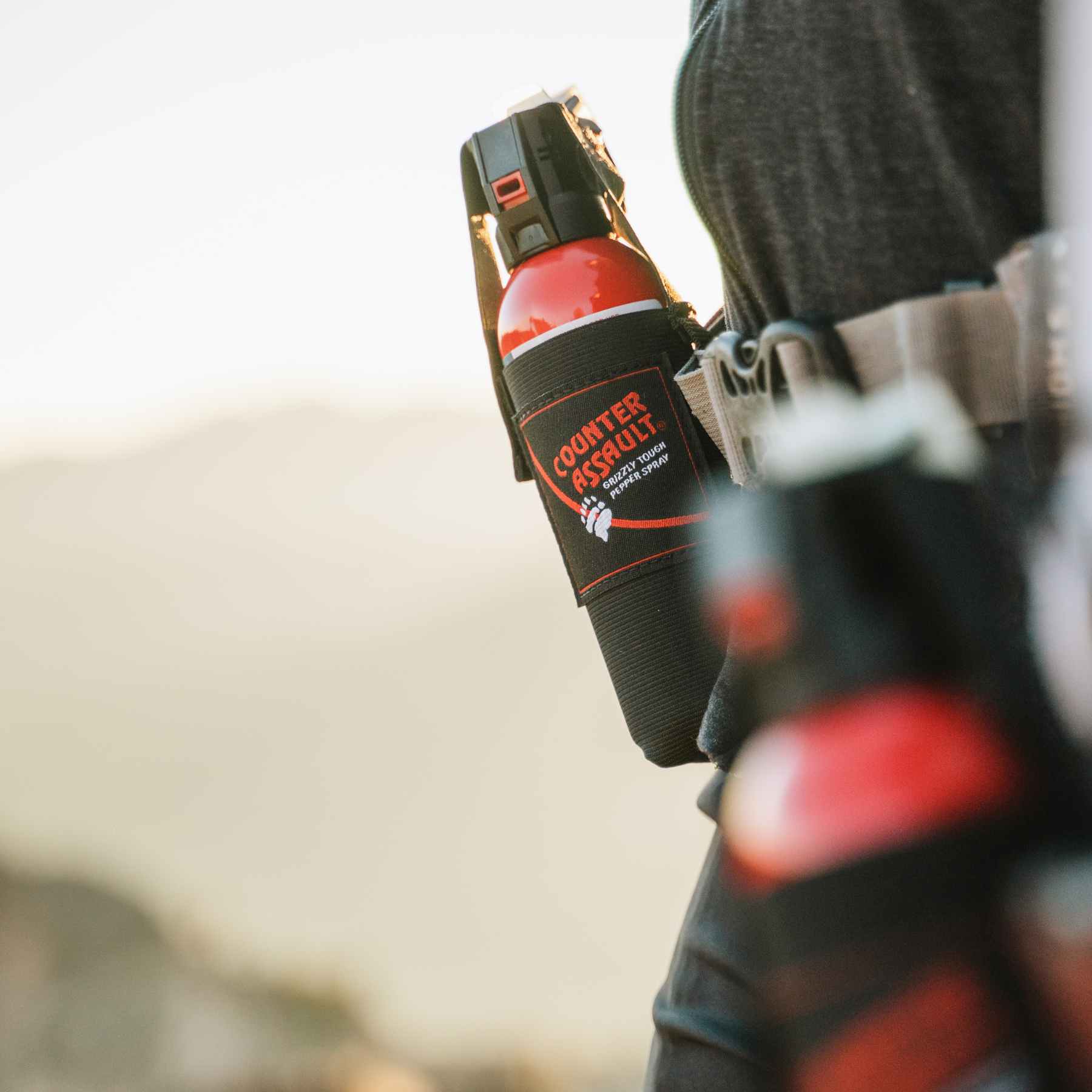
If the bear is holding ground, acting aggressively, or closing distance, get bear spray into hand early. Holstered deterrence is useful only if it can be reached under stress.
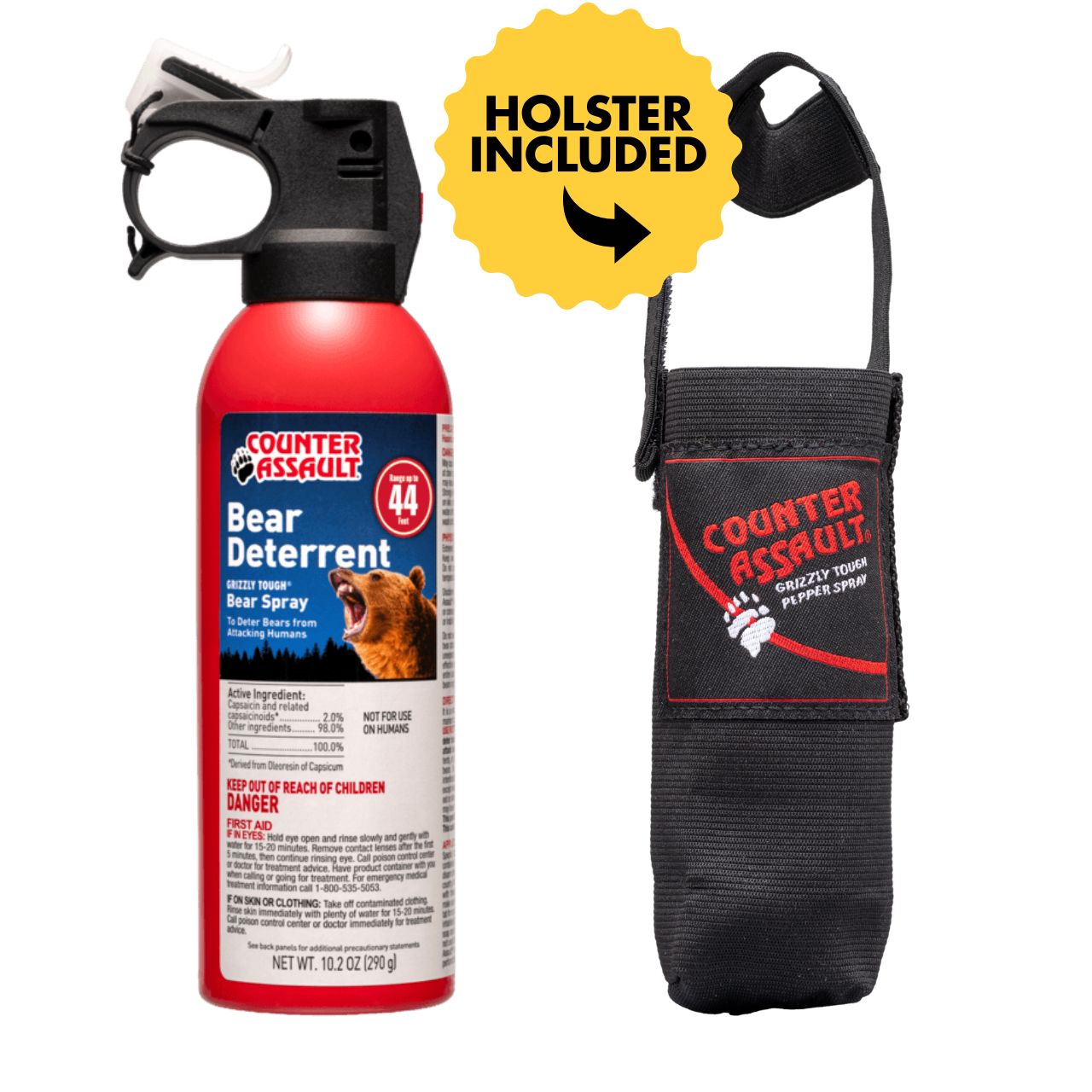
For hikers who want a larger canister with an included carry option, Counter Assault 10.2 oz bear spray with holster is designed for use on bears, mountain lions, and coyotes, and the product page lists a 44-foot spray range. Keep the safety clip accessible, aim slightly downward, and prepare to create a cloud in front of the animal rather than waiting until the last possible instant.
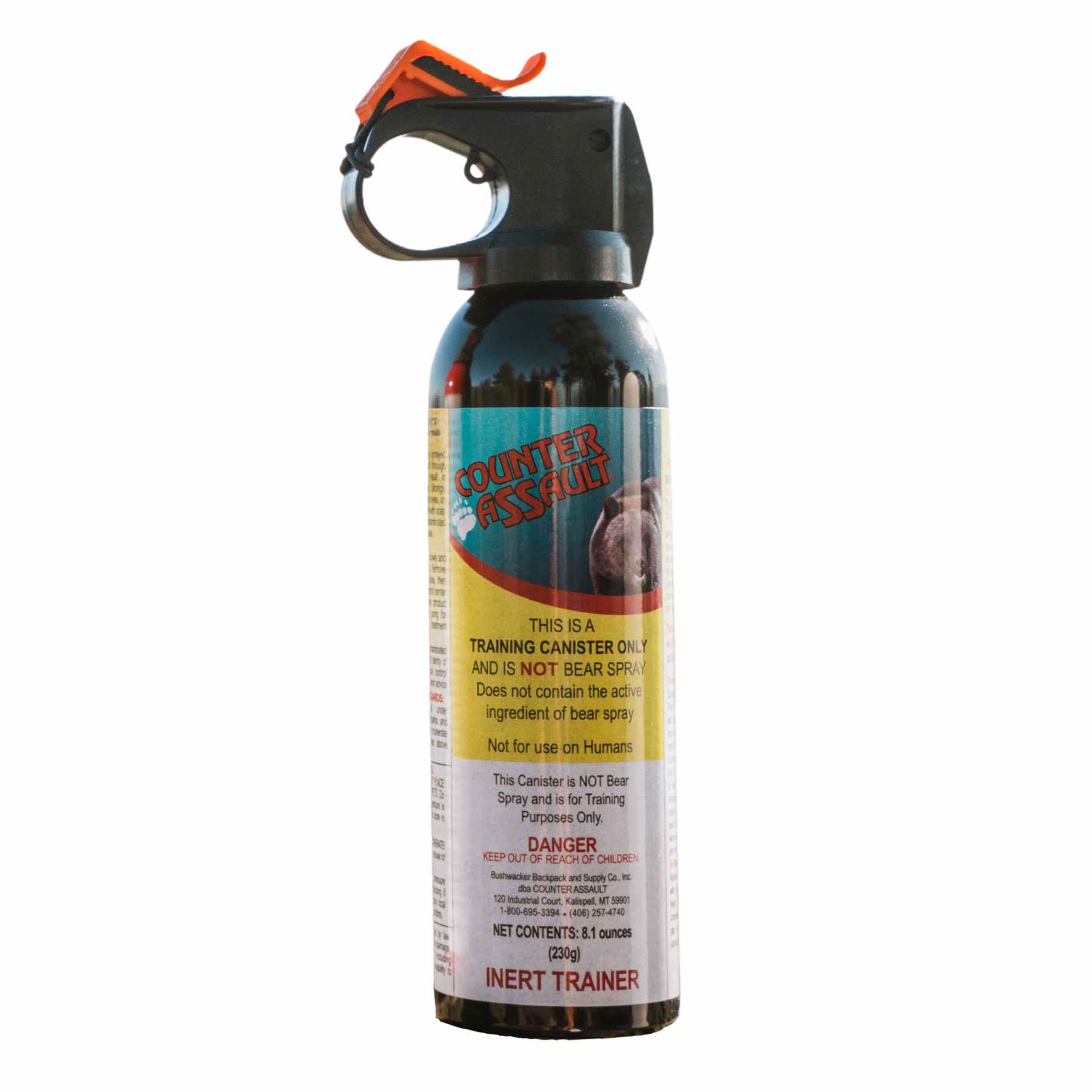
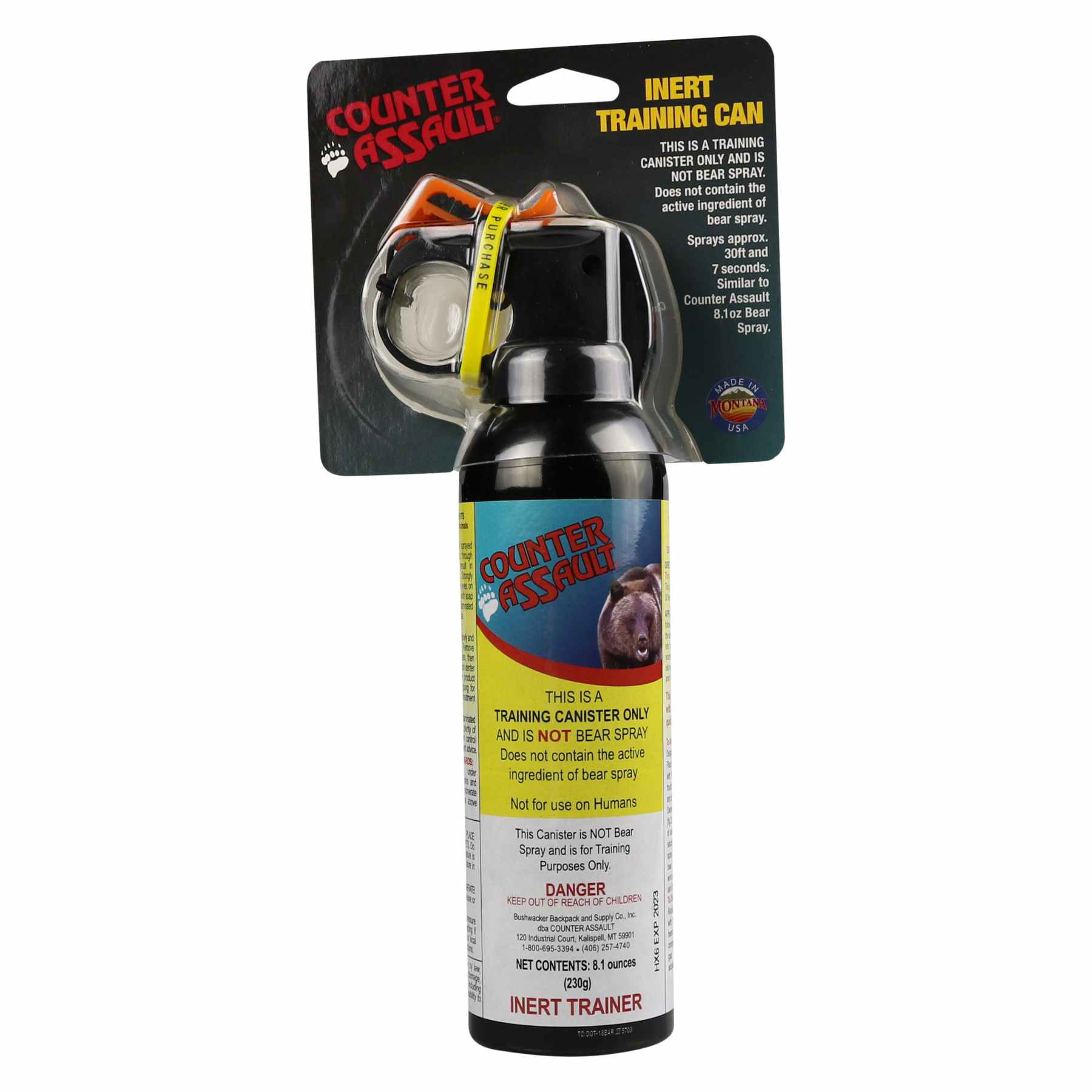
The product page is worth reviewing before a trip so no one is learning the controls during an actual encounter.
A short demonstration can make the sequence easier to remember.
Step four respond to the kind of attack you are facing
If the encounter turns physical, the response depends on the situation.
- Defensive grizzly attack: If contact happens in a defensive encounter, go face down, protect the neck and head, and remain still until the bear disengages.
- Predatory behavior: If the bear continues sustained attack behavior that does not fit a defensive encounter, fight back aggressively.
- After the bear disengages: Leave the area as soon as it is safe to do so.
The Interagency Grizzly Bear Committee's guidance distinguishes these responses because defensive and predatory situations are not the same.
Gear that supports the response
Bear spray is the primary deterrence tool, but it isn't the only piece of preparation that matters.
- First aid backup: A compact wilderness kit from Adventure Medical Kits gives a group the basics for cuts, scrapes, and post-incident care.
- Camp and trail lighting: A rechargeable light from LuminAID helps around camp and during low-light tasks when visibility matters.
- Storage and organization: Basic outdoor preparedness items from Adventure Ready Outdoor can help keep a camp setup orderly and easier to manage in bear country.
Debunking Dangerous Myths About Bear Encounters
Bad advice spreads fast in bear country. Some of it sounds tough. Some of it sounds old-school. A lot of it gets people hurt.

Myth one a growl means the bear is hunting
That's one of the most dangerous misunderstandings in the field. A growl usually means warning, pressure, or defense. Treating every vocalization as predation pushes hikers toward panic responses when de-escalation is needed.
Myth two firearms solve the problem better
The data available here is clear. A 2008 study found bear spray was 90% effective in stopping a bear's unwanted behavior, and 98% of users escaped injury, while firearms were 84% effective and did not reduce the injury rate to the person involved, with some incidents becoming more severe under IGBC bear spray guidance.
That does not mean people should get casual about bear spray. It means they should train with it, carry it where it can be reached, and use it only on bears, mountain lions, or coyotes when a charge or aggressive behavior makes deployment necessary.
Myth three panic movement helps
Running away is not a plan. Climbing a tree is not a guarantee. Playing dead immediately in every encounter is also wrong.
Most bear mistakes start with speed. The safer response usually starts with slowing down and doing the next right thing in order.
The field mindset should be simple. Read the situation. Stand down the panic. Use distance, posture, voice, and deterrence correctly.
Conclusion Be Prepared Not Scared
Hearing grizzly bears growling is serious, but it isn't a reason to lose control. It is a warning signal. The hiker who understands that signal has a real advantage.
The sound means the bear is uncomfortable. The next step is to confirm the rest of the picture. Check distance. Read posture. Stop crowding the animal. Back away calmly if there is room to do it. If the encounter keeps building, get deterrence ready before panic takes over.
Most good outcomes in bear country start long before the encounter. Hike in groups when possible. Make noise in thick cover and around blind corners. Keep a clean camp. Don't push in for photos. Don't treat wildlife warnings like drama.
Preparation keeps the encounter from becoming a crisis. Calm action keeps it from getting worse.
Before the next trip into bear country, review a practical safety setup at Counter Assault and make sure bear spray is accessible, understood, and carried as part of a wider plan to protect both people and wildlife.