
A twig snaps outside camp after dark, and the mind goes straight to the wrong question. The usual question is what made the sound. The better question is what pulled it in.
In bear country, that answer is often food, wrappers, drink mix, toothpaste, sunscreen, or the half-finished bag of trail mix someone left in a camp chair pocket. A lock box for snacks isn't just a tidy way to organize food. It's part of the basic discipline that keeps wildlife from learning that people are an easy source of calories.

That idea didn't appear overnight. The modern sealed snack container grew out of a long packaging history. In 1896, the National Biscuit Company became the first company to use folding cartons for crackers, a step that helped move snack foods toward mass-market, shelf-stable distribution, according to this history of snack packaging evolution. Today's portable snack containers are the result of that longer shift toward sealed, portable, portion-controlled storage.
Outdoors, the job changes. Convenience matters less than containment. A box that keeps granola bars together in a backpack is useful. A box that helps keep bears, raccoons, foxes, rodents, and camp thieves away from human food is responsible.
For readers who also want better ways to sort food, gear, and small camp supplies at home before a trip, this guide to home organization units offers a simple way to think about staging equipment so critical items don't get forgotten on departure day.
Table of Contents
- Introduction More Than Just a Snack Stash
- Why You Need a Secure Snack Box Outdoors
- Key Features of an Effective Wildlife Snack Box
- Comparing Food Storage Options in the Wild
- How to Use Your Snack Lock Box Correctly
- Care Cleaning and Pre-Trip Checklists
- Frequently Asked Questions About Snack Lock Boxes
Introduction More Than Just a Snack Stash
A snack box in town solves one problem. A snack box in the backcountry solves a different one entirely.
In a campground, a trailhead parking lot, or a cabin near thick timber, unsecured food teaches wild animals the wrong lesson. Once they connect human spaces with easy rewards, they come back. Then they check the next campsite, the next cooler, the next car, the next porch.
That's why responsible food storage is less about personal convenience and more about preventing habituation. People often talk about wildlife encounters as if they begin with aggression. Most begin with attraction. An animal smells something easy, investigates, and gets closer to people than it should.
Outdoor food storage is part of stewardship
A proper lock box for snacks creates friction. That's the same core idea behind timed food lock products developed to control access to sweets and impulse foods. Products such as The Kitchen Safe used a timer to block access to sugary snacks, and that same physical-barrier logic also explains why lock boxes help against wildlife investigating food out of convenience and curiosity, as described in this overview of timed lock-box use cases.
Field rule: If an item has odor, residue, or packaging that held food, wildlife may treat it as food.
That includes more than chips and jerky. It includes instant coffee, gum, flavored electrolyte packets, candy wrappers, pet treats, trash, and toiletries with strong scent.
Why the phrase snack box can be misleading
The phrase sounds small and harmless. In the field, it should be treated as part of a larger food-control system.
A lock box for snacks won't replace every approved food-storage method in every setting. But it can fill a real gap for day use, short camp stays, vehicle organization, RV travel, and keeping the most odor-heavy items consolidated in one controlled place. Used correctly, it lowers the chance of careless food exposure and helps people build better camp habits from the start.
Why You Need a Secure Snack Box Outdoors
Wildlife doesn't need a dramatic reason to investigate camp. Convenience is enough.
A secure snack box matters because many outdoor food losses aren't the result of determined attack. They happen because someone left food in a side pocket, in a soft cooler, in a tote left unsecured, or on a picnic table during one distracted minute. Shared camps, trailheads, RV stops, and cabins all create the same pattern. Accessible food invites opportunistic access.
Different places, same problem
In a tent camp, the risk is obvious. Food left near sleeping gear can draw attention where people are trying to rest.
In an RV, the walls feel more secure, but food odors still build around doors, outside tables, trash bins, and storage compartments. At trailheads, people often assume a car is enough. Sometimes it is under local rules, sometimes it isn't, and scent-heavy items left visible or loosely packed still create trouble.
At homes in the wildlife-urban edge, the issue shifts again. Snacks in garages, coolers on porches, and open bins in mudrooms can attract animals close to houses. The habit that works best is simple. Control food access early, before wildlife starts checking the property.
A food problem is usually a storage problem first.
This protects both people and animals
A fed wild animal becomes bolder around human spaces. That puts campers, hikers, pet owners, and the animal itself in a bad position.
A secure food routine reduces the chance that a bear, raccoon, fox, or coyote starts associating camps and vehicles with calories. It also helps visitors follow the spirit of park and forest regulations, which are designed to keep food-conditioned wildlife from becoming a recurring management problem.
For readers who want a clearer sense of why smell drives so much of this behavior, Counter Assault has a useful explainer on a bear's sense of smell. It helps make one point clear. If people can smell the snacks, the animal may already be interested.
Where a lock box helps most
A lock box for snacks is especially useful when the main threat is casual access, repeated handling, and small-item sprawl.
- At camp: It keeps bars, candy, drink mixes, and wrappers from ending up in tents and pockets.
- In vehicles: It groups high-odor foods so they're easier to remove or secure when regulations require it.
- In RVs and vans: It reduces clutter and lowers the chance that food gets left out during stops.
- Around cabins and homes: It adds one more barrier between wildlife and human food habits.
It's not magic. It's a discipline tool. Outdoors, that counts for a lot.
Key Features of an Effective Wildlife Snack Box
Not every box with a latch belongs in bear country. A field-worthy lock box for snacks has to survive rough handling, resist flexing, clean up easily, and stay dependable after repeated opening and closing.

Size should match the trip
Too small, and people leave overflow items outside the box. Too large, and the box turns bulky enough that it gets left in the car or skipped on short outings.
Choose size by use pattern, not by guesswork:
- Day hike or fishing access point: Enough room for snacks, lunch, trash, and scented small items.
- Weekend camp: Space for snack foods plus the easy-to-forget smellables like drink powders and toiletry items.
- Family camp or RV use: A larger box or multiple smaller boxes often works better than one overloaded container.
A practical box should also stack cleanly with the rest of camp gear. If it rolls around, wedges awkwardly, or dumps contents when opened, people stop using it correctly.
Materials decide how the box fails
Material choice matters because most outdoor food boxes aren't defeated by dramatic force. They fail at seams, corners, lids, and latch points.
Industry and laboratory material guidance notes that common lockbox builds use steel with Styrofoam insulation or polymer structures, while higher-security container designs emphasize anti-cutting and drill-resistant features. For snack storage, the key takeaway is simpler. A rigid design that resists flexing at the seams is safer because seam deflection is where pry-based access usually begins, as noted in this container lock-box material datasheet.
Readers comparing latch protection and enclosure design may also find ideas in these durable self storage unit locks. The setting is different, but the lesson carries over. Weak points usually show up where hardware meets the enclosure.
Selection test: Grip the closed box at opposite corners and look for lid twist or seam gap. If it flexes easily in hand, it's not a serious outdoor food box.
Latches matter more than clever extras
A strong body paired with a weak latch is still a weak box.
For shared-fridge lockboxes, guidance emphasizes a rigid enclosure, a tamper-resistant latch, and low-porosity food-contact materials because the main problems are opportunistic access, cross-contamination, and repeated opening cycles. That same design logic transfers well outdoors, where boxes get handled often and need to stay clean and secure under routine use.
Useful features include:
- A positive-close latch: People should feel and hear when it seats correctly.
- Simple operation with cold hands: Tiny fiddly tabs fail in the field because gloves, darkness, and fatigue get in the way.
- Smooth interior surfaces: Easier cleaning means fewer lingering crumbs and odors.
- Tie-down or anchor points: Helpful in vehicles, camps, and rafts where gear shifts around.
Fancy electronics rarely improve an outdoor food box. Reliability does.
For a more complete camp safety loadout, many hikers also carry a first-aid kit such as the Adventure Medical Kits Ultralight Watertight series. Food storage prevents attraction. Medical gear helps when the rest of the trip still goes sideways.
Comparing Food Storage Options in the Wild
Most campers don't start from zero. They already own a cooler, a dry bag, a tote, or a plastic bin and want to know if it's good enough.
Sometimes it is for one narrow job. Often it isn't for the full problem. A lock box for snacks should be judged against the other food-storage methods people use outdoors.
Food Storage Method Comparison
| Method | Best For | Pros | Cons | Counter Assault Solution |
|---|---|---|---|---|
| Snack lock box | Short trips, day use, vehicle organization, RV snacks, grouping smellables | Compact, easy to organize, creates a clear routine, useful for small odor-heavy items | May not meet bear-resistant requirements on its own, limited capacity, security varies by build | Pair with broader food-storage planning |
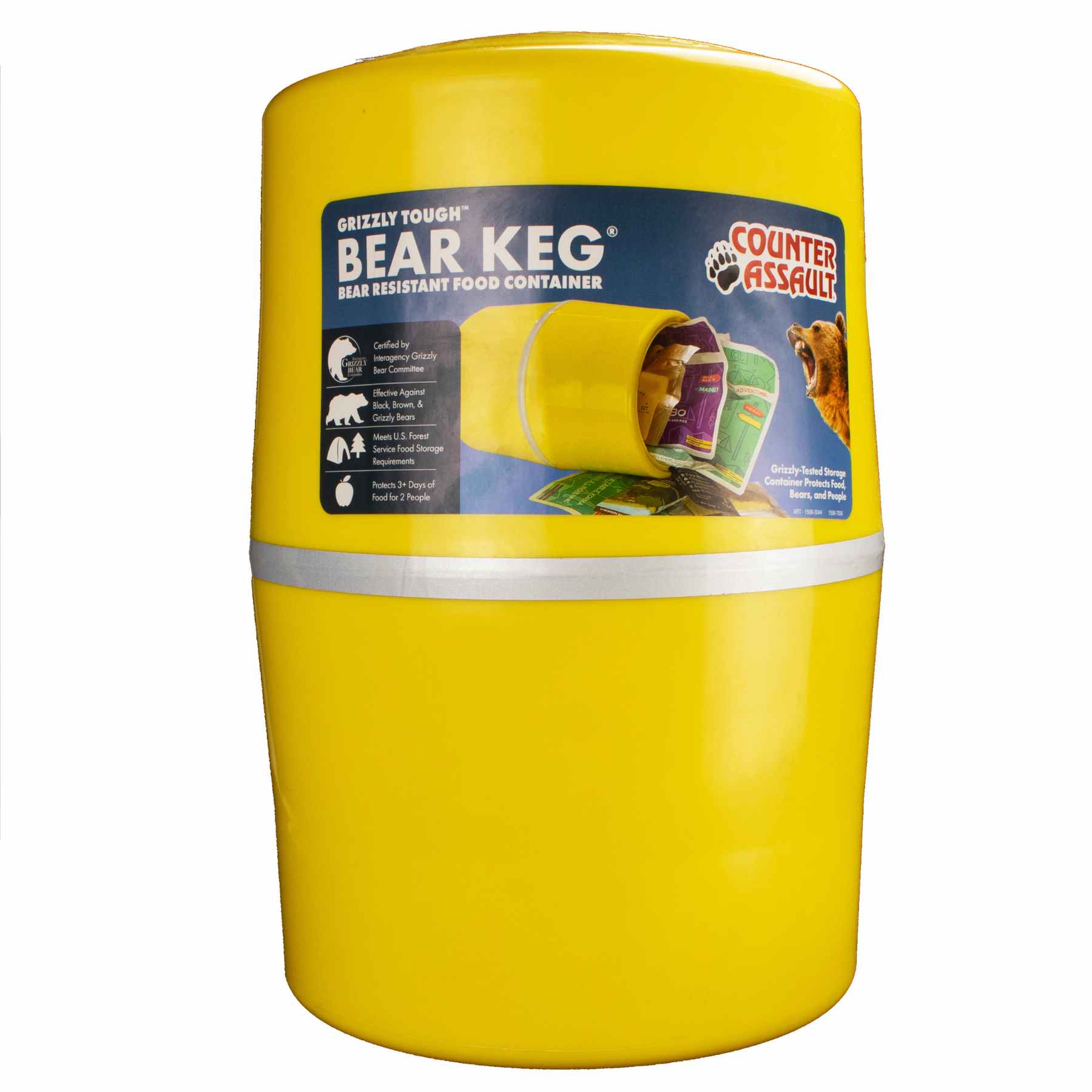
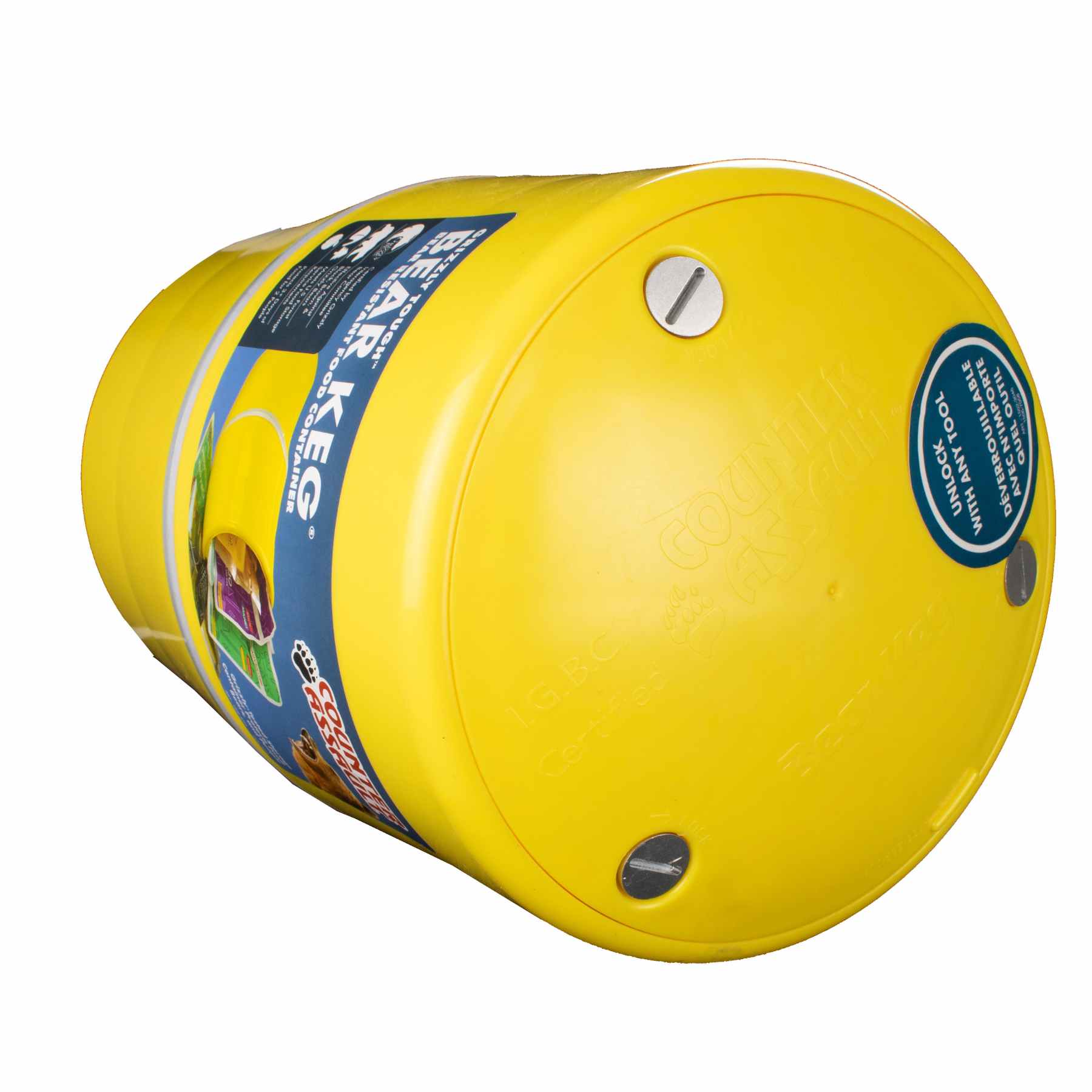
| IGBC-style bear canister | Backpacking and areas that require hard-sided food protection | Strong protection, purpose-built for wildlife resistance, works well away from vehicles | Heavier and bulkier than a simple snack box, can be awkward for quick-access snacks | Counter Assault offers the Bear Keg food storage container |
| Bear bag or food sack | Weight-conscious trips where local rules and conditions allow hangs or soft storage systems | Light, compressible, easy to pack | Requires skill, site suitability, and discipline; less convenient in poor terrain or weather | Consider harder storage where required |
| Vehicle storage | Trailheads, roadside travel, some developed areas where rules allow vehicle storage | Easy, high capacity, no extra carry burden | Rules vary, odors remain inside vehicle, poor choice where local wildlife has learned to target cars | Use only where legal and appropriate |
| Fixed park locker | Developed campgrounds with installed food lockers | Strong, simple, often the most secure on-site option | Not portable, only available where installed, distance from tent can be inconvenient | Use the provided locker whenever regulations require it |
What works and what doesn't
A snack lock box works best as an organization and access-control tool. It shines when the problem is loose snacks, wrappers, candy, and all the little scented items that migrate into tents and packs. It does not automatically replace approved bear-resistant storage where regulations call for a certified canister or fixed locker.
Bear bags and sacks save weight, but they demand more judgment. The wrong tree, poor hanging technique, bad weather, and simple fatigue can turn a good system into a sloppy one. A lock box asks less of the user, which is one reason it helps families and newer campers build better habits.
Vehicle storage is the most misunderstood option. It can be appropriate in some places and a bad choice in others. Local regulations, wildlife behavior, and trailhead conditions matter. When a ranger says use the locker or carry a bear-resistant container, that's the standard.
For a deeper look at hard-sided storage and when it's required, Counter Assault's guide to bear-resistant food containers gives helpful context. The main takeaway is straightforward. The right system depends on the animal pressure, the local rules, and how far the food needs to travel on foot.
How to Use Your Snack Lock Box Correctly
A lock box only works when the routine around it is tight. Most failures happen because the wrong items stay outside, the box gets placed poorly, or the user treats it like a cooler instead of a scent-control tool.

What belongs inside
Think in categories, not brand names. If it smells like food, resembles food, or held food, it belongs in controlled storage.
Pack these first:
- Snack foods and meal extras like bars, jerky, candy, nuts, instant oatmeal, drink powders, and condiments.
- Toiletries with scent such as toothpaste, lip balm, scented wipes, and heavily fragranced skin products.
- Trash and residue items including wrappers, empty pouches, used drink packets, and food-soiled napkins.
Use smaller resealable bags inside the box to separate crumbs, damp items, and strong odors. That makes cleanup easier and keeps one leaking item from contaminating everything else.
Where to place it
The box shouldn't live in the tent, and it shouldn't sit beside the sleeping area. Camp food belongs away from where people sleep.
A common field rule is to place food storage well away from the tent and cooking area. The infographic above uses at least 100 feet as a practical placement guide for camp setup. The exact local standard may vary, so campers should always follow site-specific instructions first.
Placement matters almost as much as the box itself:
- Choose stable ground: Don't set it where it can roll downhill or slide toward water.
- Avoid game trails and obvious animal routes: Brushy corridors and creek edges invite traffic.
- Use available anchors if the design supports it: A secured box is easier to find and harder to knock around.
- Keep it out of direct camp clutter: Lantern cords, chairs, and loose gear create tripping hazards during nighttime access.
Close and lock the box every single time. A latch that's left half-set after dinner is no better than no latch at all.
A small camp light helps people find the box in the dark without scattering food items during a headlamp search. A compact option like the LuminAID PackLite light fits that role well.
What completes the system
Food storage helps prevent attraction. It doesn't replace personal protection if an encounter turns aggressive.
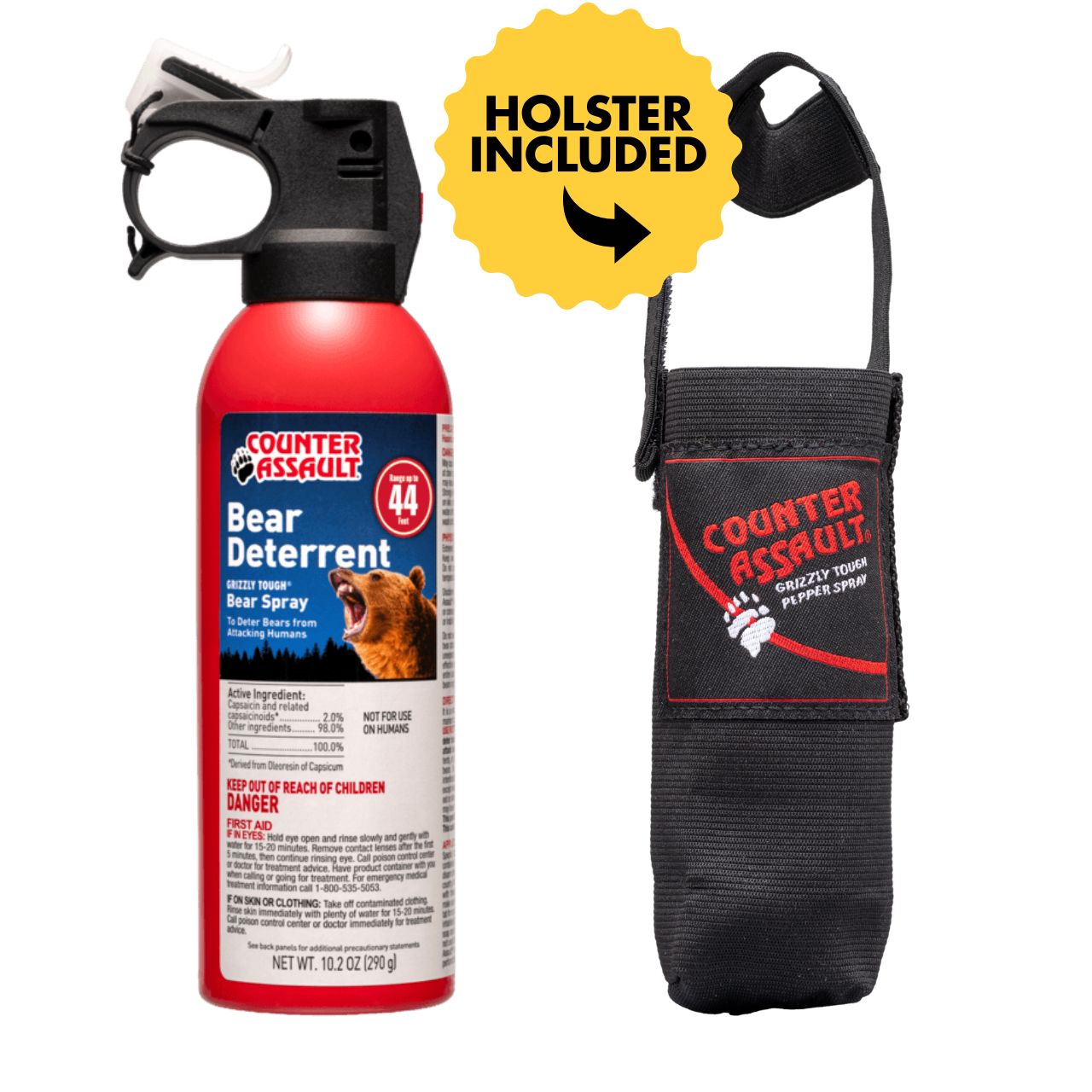
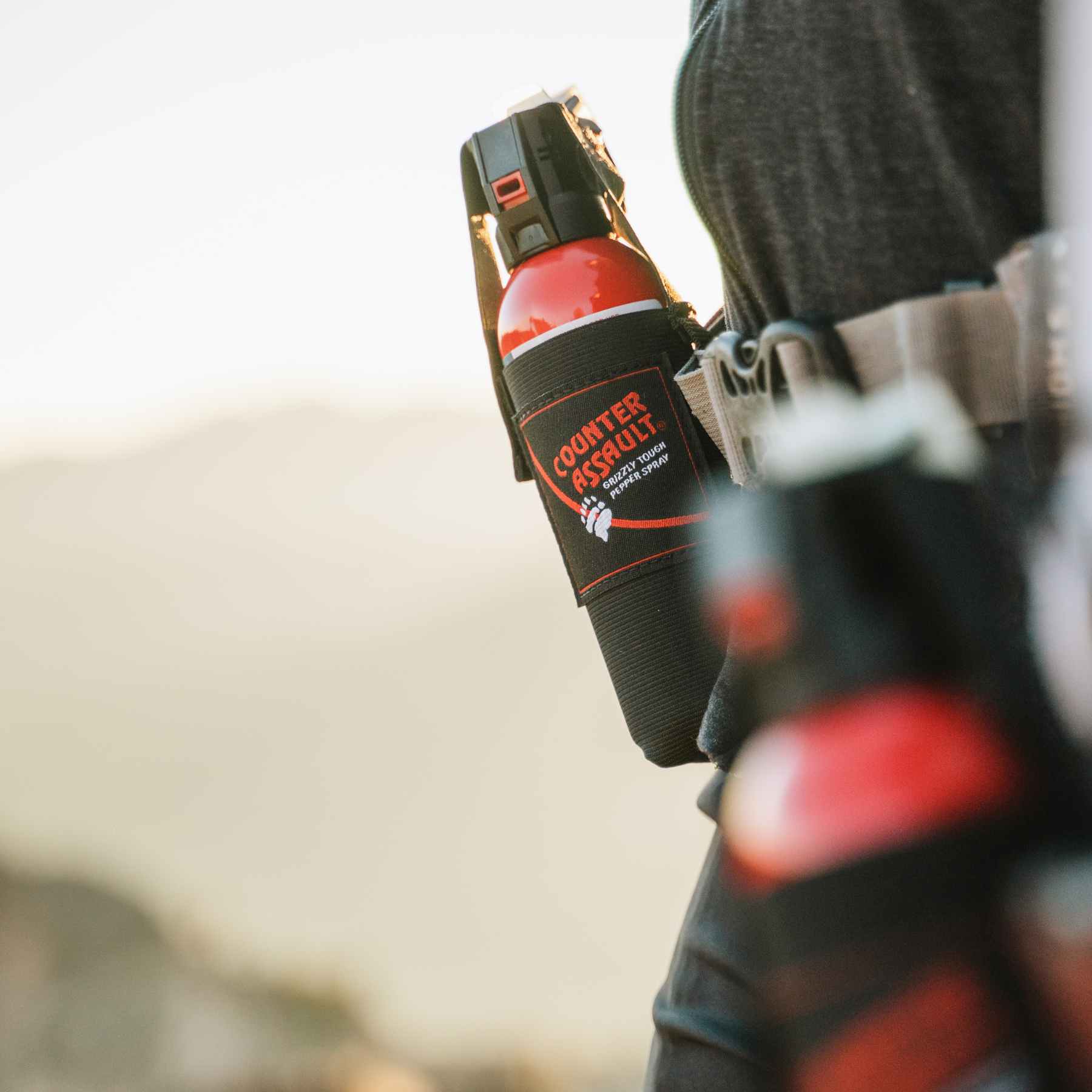
For that reason, many hikers and campers also carry a deterrent for emergency use. One option is Counter Assault's 10.2 oz bear spray with holster, which is made for use on bears, mountain lions, or coyotes when an animal is charging or acting aggressively. It's separate from food storage, but it belongs in the same overall safety plan.
The simple division is this. The box helps keep wildlife out of camp. Deterrent spray is the last line of defense if prevention fails.
Care Cleaning and Pre-Trip Checklists
A dirty food box keeps working against the user after the trip is over. Crumbs in the corners, sugary film on the lid, and stale odor in the plastic all carry into the next outing.
That matters outdoors because lingering smells can still attract wildlife. Practical buying guidance around snack lock boxes highlights the everyday issues people deal with, including crumbs, moisture, odor transfer, and ease of cleaning. A good box should be easy to wipe down and shouldn't hold odors, since residual food smell can attract wildlife on the next trip even when the box is empty, as noted in this snack lock box buyer overview.

Post-trip cleaning rules
Clean the box soon after every trip. Don't let sticky residue bake in the garage for a week.
A solid routine looks like this:
- Empty everything completely: Check pockets, inserts, and corners for wrappers and powder packets.
- Wash and wipe all interior surfaces: Pay attention to lid seams, latch recesses, and textured bottoms where crumbs hide.
- Dry it fully before storage: Moisture leads to stale odors and can affect hardware over time.
- Store it open until fully aired out: That helps reduce odor retention between trips.
Residual smell is still smell. Wildlife doesn't care whether the box is full or empty.
Purchasing checklist
Before buying a lock box for snacks, check the basics against real field use.
- Rigid body: The walls and lid shouldn't bow easily when squeezed.
- Secure latch: It should close positively and resist casual tampering.
- Smooth interior: Cleaning should take minutes, not scrubbing with a brush in tight corners.
- Practical carry shape: It should fit the vehicle, camp bin, or packraft setup it's meant for.
- Weather tolerance: Light rain, dust, and repeated handling shouldn't turn it into a maintenance burden.
Pre-trip packing checklist
A box earns its keep when it's packed before departure, not after camp is already messy.
Include:
- Primary snacks: Bars, nuts, candy, crackers, dried fruit, and trail food.
- Odor-heavy extras: Coffee, drink mixes, seasoning packets, pet treats.
- Scented personal items: Lip balm, toothpaste, wipes, and any item that smells edible or sweet.
- Trash control items: A resealable bag for wrappers and food waste.
- Night access tools: Headlamp or compact camp light.
For a backup survival item that rounds out a small camp system, many hikers also carry an emergency blanket or shelter item from S.O.L. Survive Outdoors Longer.
Frequently Asked Questions About Snack Lock Boxes
Is a regular cooler enough
Not by itself. A cooler may help with organization and temperature, but many coolers are built for insulation first, not wildlife resistance or secure access control. If the latch is weak, the lid flexes, or food gets left around it, the cooler solves only part of the problem.
Is a lock box for snacks the same as a bear-resistant container
No. Those terms shouldn't be treated as interchangeable. A snack lock box may be useful for controlling small food items and reducing careless exposure, but some areas require a purpose-built bear-resistant container or use of installed food lockers. Campers need to follow local rules.
Should all smellables go in the box
If the box is the chosen food-control system for that part of the trip, then yes. Food, wrappers, toiletries, and scented trash should stay together in the controlled storage plan rather than scattered through pockets and tents.
Where should the box stay overnight
Away from the sleeping area, on stable ground, and according to local regulations. The exact setup depends on whether the campsite provides lockers, whether hard-sided storage is required, and what wildlife pressure is present.
Does carrying bear spray mean food storage matters less
No. These tools do different jobs. Proper food storage reduces the chance of attracting wildlife in the first place. Bear spray is for an aggressive encounter, not for preventing one. Both matter, and neither excuses carelessness with food.
A sound food-storage routine protects camps, trailheads, neighborhoods, and the wildlife moving through them. For people traveling in bear country or areas with mountain lions or coyotes, Counter Assault offers bear-safety gear and educational resources that fit into that larger prevention-first approach.