
A hiker rounds a bend into a berry patch. An angler follows a game trail to a creek choked with fish scent. A camper leaves a cooler open for one minute too long. None of those people set out to become part of the bear food chain, but that's exactly what happens when human movement overlaps with bear feeding behavior.
That overlap is where most bear safety mistakes begin. People treat bears like simple top predators, then get surprised when a mostly plant-feeding animal shows up at a carcass, digs a hillside for roots, raids a campsite, or defends a hidden cache near a trail. Bears move through the food web wherever the calories are. Anyone traveling in bear country needs to understand that pattern, because it predicts where encounters happen and which mistakes turn a sighting into a dangerous situation.
Knowledge is the first layer of safety. Clean habits, route awareness, and good timing come next. A non-lethal deterrent belongs on the outside of the pack, ready to deploy, because understanding why a bear is there doesn't remove the risk once one is already closing distance.
Table of Contents
You Are Here On the Bear Food Chain
A person hiking through bear country usually notices the obvious signs first. Torn logs. Tracks in mud. Berry-filled scat. Maybe a hillside scraped open where something powerful went looking for roots, insects, or a ground squirrel. Those aren't random marks. They're feeding sign, and they tell a simple story. A bear has been working that terrain for calories.
That matters because the same places that feed bears often attract people. Trails follow creek bottoms. Camps sit near water. Hunters move toward carcasses and gut piles. Backpackers choose benches near cover and food-rich drainages because those spots also make sense to wildlife. The land isn't divided into human zones and bear zones. It's shared.
Practical rule: If a place offers concentrated food, scent, or easy travel for people, it may also offer the same for a bear.
The mistake isn't being in bear habitat. The mistake is moving through it as if bears are rare, inactive, or easy to predict. A bear feeding on spring greens behaves differently from a bear guarding a carcass. A bear in a fall berry slope behaves differently from one nosing around camp because someone left out food trash. The animal changes with the food source.
Three questions keep people grounded in the bear food chain:
- What is feeding here: berries, carcasses, fish, roots, insects, garbage, or camp food all create different encounter risks.
- What sign is fresh: scent, tracks, digging, overturned rocks, or scavenger activity can indicate a bear is using the area now.
- What is the exit plan: distance, visibility, group spacing, and quick access to deterrence matter more than confidence.
Much of outdoor safety depends on reading the ground accurately. In bear country, food explains behavior. Behavior explains risk.
The Bear's Place in the Ecosystem
People often call bears apex predators and stop there. That label is too simple to be useful in the field. In the bear food chain, a bear can feed low on the web one day and high on it the next. That flexibility is the point.

Why bears don't fit one box
A food chain is a simple line of energy transfer. A food web is the actual version on the ground, where many food chains overlap. Trophic levels describe where an organism feeds in that web. Producers sit at the base. Consumers feed above them. Decomposers recycle what dies.
Bears move across several of those levels because they're omnivores. They eat plant matter, insects, rodents, fish, carrion, and in some places larger prey. That means they aren't locked into one ecological role.
Consider this practical perspective:
| Feeding behavior | Bear's role in the food web | Field meaning |
|---|---|---|
| Eating berries, grasses, roots, or nuts | Lower consumer level | Expect bears in productive vegetation and mast areas |
| Eating insects or rodents | Mid-level consumer | Expect digging, log tearing, and hillside disturbance |
| Scavenging carcasses or taking larger prey | Higher consumer level | Expect food defense and shorter reaction time |
One reason that range surprises people is that a bear can look calm while doing high-value feeding. Calm doesn't mean safe. It often means focused.
For a useful companion read on black bear sign and movement, see tracking black bear behavior and field clues.
How that affects people on the ground
The outdoor takeaway is blunt. People don't need to know every formal ecology term, but they do need to understand that bears follow calories through the season. If the food changes, the encounter map changes with it.
That's why the same valley can feel empty in one month and active in the next. New greens pull bears low in spring. Carcasses, fish, or fawn habitat can concentrate movement at other times. Berry crops can shift activity onto specific slopes and draws. Human food shortcuts the whole system and creates the worst pattern of all, because it teaches bears that camps and trailheads are food sources too.
A bear isn't just “at the top.” It's wherever the best return on effort is that day.
That's the working definition that helps outdoors people make better decisions.
A Tale of Two Bears What They Really Eat
You round a bend and find fresh berry scat on the trail, claw marks on a rotten log, and a stream fifty yards below with spawning fish. That is not one food story. It is three. And each one changes where a bear is likely to be, how long it may stay, and how fast a routine sighting can turn into a close encounter.

Brown bears and grizzlies shift with place and season
Brown bears, including grizzlies, are built to use whatever food gives the best return for the least effort. In one drainage that may mean sedges, roots, and berries. In another it may mean fish, winter-killed elk, or a carcass they can defend. The practical point is simple. A grizzly near a rich food source usually has a reason to hold its ground.
That matters in the field. Feeding grizzlies often look calm because they are busy, not because they are relaxed about your presence. A bear focused on trout in a creek, moths on an alpine slope, or a carcass in the timber may tolerate very little surprise at close range.
Researchers with the Interagency Grizzly Bear Study Team describe grizzlies in the Greater Yellowstone Ecosystem as heavy users of seasonally rich foods such as whitebark pine seeds, army cutworm moths, ungulates, and trout. That pattern gives backcountry travelers something useful. Productive feeding sites concentrate bear activity. They are not random hazards on the map.
A grizzly's nose expands that map well beyond what people notice first. If you want a better read on how a bear locates food before you ever see sign on the ground, review how strong a bear's sense of smell really is.
Black bears are usually plant-focused, until easy animal food appears
Black bears also eat across a wide range, but in many regions they spend much of the year keying on plant foods and insects. The BearWise basics on black bear foods and behavior make that plain. Berries, nuts, grasses, buds, insects, and agricultural foods can all pull black bears into the same valleys, edges, and trail systems people use.
The safety mistake is assuming that a mostly plant-eating bear is a low-risk bear. Risk depends on what it has found and whether that food is concentrated. A black bear feeding across a berry slope may move steadily and keep covering ground. A black bear on a gut pile, deer carcass, calving area, or garbage source can become far more defensive and far less predictable.
The North American Bear Center's overview of black bear diet also notes how strongly black bears track seasonal foods. That helps explain why one area can seem quiet for weeks and then produce repeated sightings once berries ripen or acorns start dropping.
For people on the ground, the useful pattern is this:
- Spring: watch for bears on green-up, winter-killed animals, and young ungulates in meadows, avalanche paths, and open forest edges.
- Summer: expect concentrated use around berry patches, insect-rich deadfall, creek bottoms, and cool timber near food.
- Fall: expect longer feeding bouts anywhere bears can put on fat fast, including nut crops, late berries, agricultural edges, and carrion.
A bear is not just occupying habitat. It is working a food source. Read the food correctly, and you read the risk correctly.
That is why camps, trail breaks, and glassing knobs near berries, fish, carcasses, or game trails deserve tighter food storage, more noise in thick cover, and a deterrent you can reach without fumbling.
The Unseen Work of Bears in the Food Web
Bears don't just move energy through an ecosystem. They reshape the places where they feed. A hillside worked over by a bear isn't only a feeding site. It's also a sign that the animal is changing soil, plants, insects, and access for other species.
Bears reshape ground, plants, and nutrients
When bears feed heavily on plant foods, they spread seeds through scat and deposit them with nutrients. When they rip apart logs, they expose insects and speed decay. When they dig for roots, bulbs, or rodents, they turn soil and disturb vegetation in ways that other animals then use.
Brown bears are especially strong examples of that role because they often feed across a wide range of foods and habitats. Large feeding animals that move between berry patches, meadows, carrion sites, and forest cover affect nutrient flow almost every time they travel. That's why calling a bear just a predator misses what it's doing on the land.
A practical takeaway for hikers is simple. Fresh digging, opened logs, concentrated scat, and torn-up feeding sites don't just mean “a bear passed through once.” They can mark a repeated food source that the bear may return to.
Caching changes the map of risk
One of the least understood parts of the bear food chain is caching. Bears often bury large prey to preserve it from competitors and rot, which reduces food availability for scavengers such as wolves, foxes, and birds and can create danger for hikers who stumble onto a defended cache, as described in this overview of bears and ecosystem roles.
That behavior changes local ecology, but it also changes risk management. A cached carcass may not be obvious from a distance. There may be a disturbed patch of ground, a strong odor, scavenger activity nearby, or a bear bedded close enough to rush back if surprised.
A few signs should change behavior immediately:
- Heavy carrion odor: leave the area. Don't investigate.
- Birds lifting off repeatedly from one patch: something may be hidden there.
- Covered ground with drag marks or disturbed vegetation: possible cache site.
If the ground looks wrong and smells wrong, back out the same way it was entered.
That response prevents a lot of bad outcomes. Curiosity around carcasses is one of the worst instincts a person can bring into bear country.
When Human and Bear Food Chains Collide
Most serious conflicts don't start because a bear sees a person as prey. They start because a bear learns that human spaces produce easy calories. Coolers, garbage, snacks in tents, pet food, fish remains, toiletries, and food-stained clothing all collapse the distance between the wild food web and the human one.

Attractants change bear behavior fast
A bear doesn't need many rewards to change its pattern. Once camps, vehicles, picnic areas, or trail corridors start paying off with food, the animal returns to places it should ignore. That's bad for people and worse for the bear.
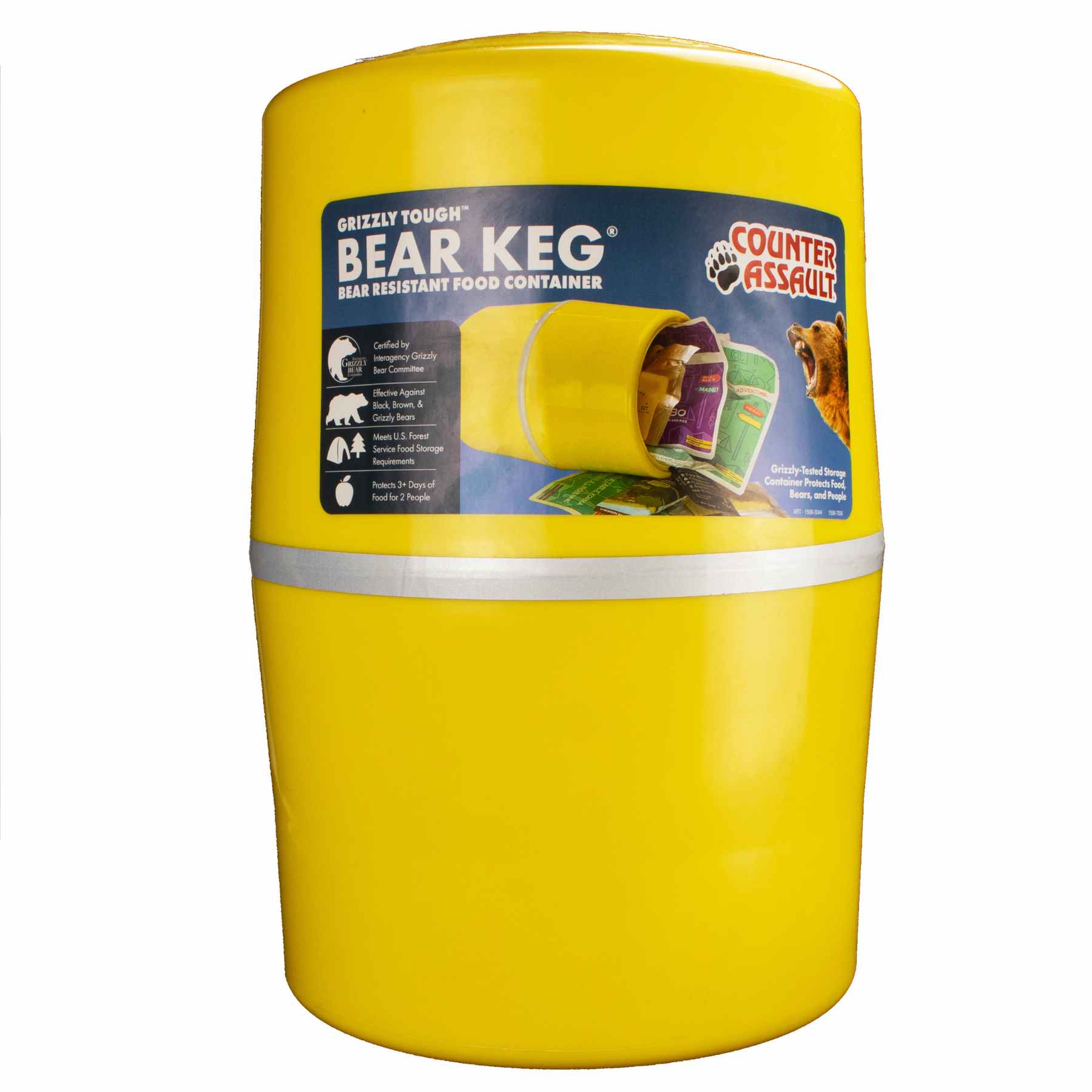
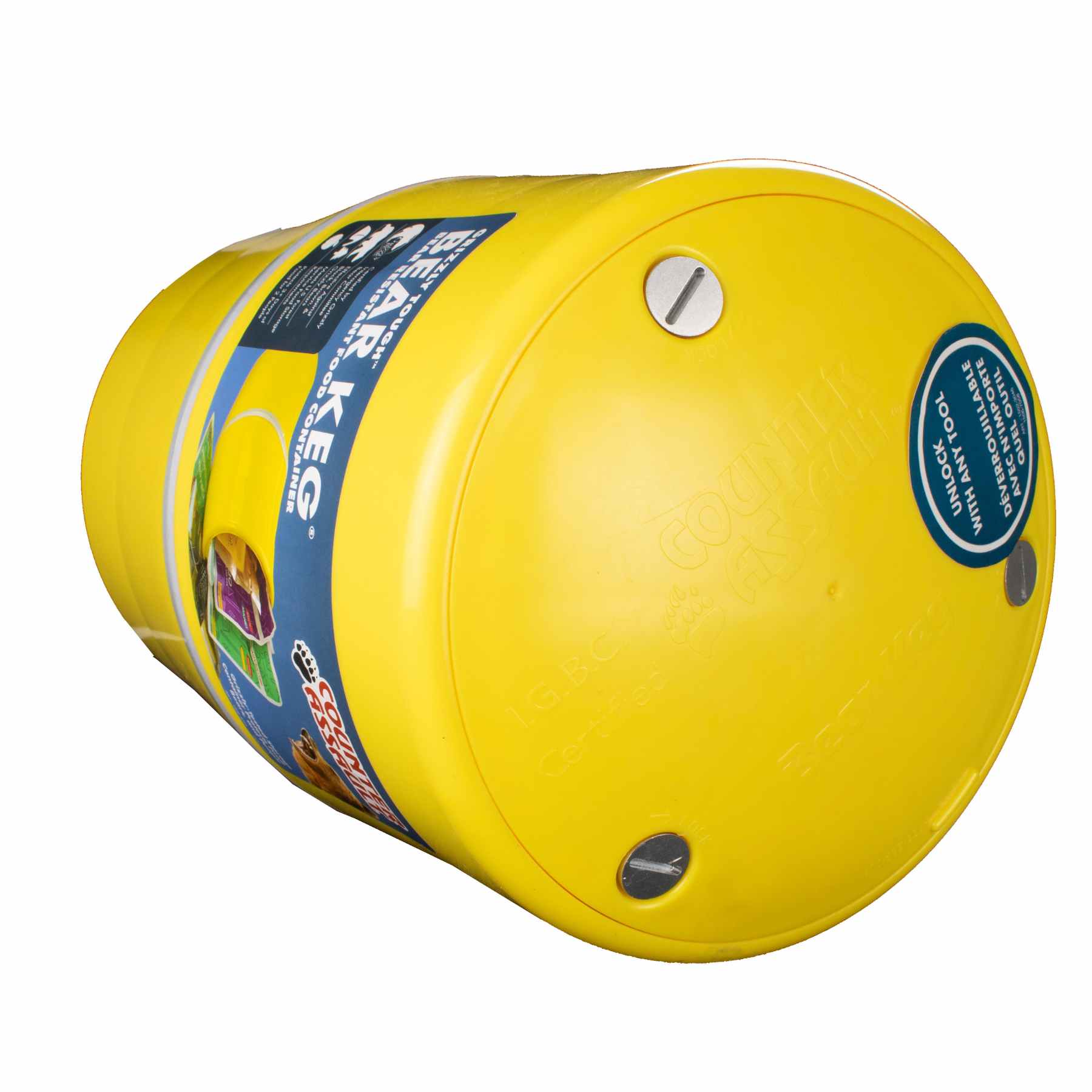
A clean camp isn't a nice extra. It's basic bear management. That means storing food properly, controlling trash, and keeping smellables out of sleeping areas. People who need a refresher on storage options should review bear-resistant food containers and how they fit into camp setup.
A disciplined camp routine usually includes:
- Food control: keep meals compact, sealed, and packed away when not in use.
- Trash discipline: remove wrappers, cans, and leftovers immediately.
- Separate spaces: cook away from where people sleep when conditions allow.
- Night readiness: use reliable camp lighting such as LuminAID outdoor lights so food cleanup doesn't get sloppy after dark.
For bugs and scent management around camp, products like Natrapel insect repellent options can help reduce distractions that lead people to rush camp chores. Repellent won't affect bear behavior, but better camp discipline often starts with fewer preventable annoyances.
Climate and terrain now matter more
Bears aren't just responding to human mistakes. They're also adjusting to shifting natural food conditions. Bears have been observed using moderate-grade, north-facing slopes for moisture-retentive, nutrient-dense berries, and when traditional foods decline, that can push them into lower, more accessible slopes where human encounters become more likely, according to reporting on natural food availability and conflict patterns.
That has direct field consequences. A productive slope near a trailhead, dispersed campsite, or glassing knob may draw both bears and people for entirely different reasons. Dawn and dusk raise that overlap.
The best adjustment is tactical, not dramatic. Avoid camping on active feeding slopes. Don't loiter in berry patches. Keep breaks short where visibility is poor and food sign is fresh. If a place concentrates food, treat it as a place that can also concentrate risk.
Staying Safe with the Right Strategy and Gear
You round a bend into thick timber and catch a bear at close range, head down and feeding. In that moment, your outcome depends less on what the bear is eating than on whether you recognized the food-related risk before you got there, kept your camp and travel routine tight, and can get a deterrent into action fast.
A bear following calories creates patterns people can read. Berry slopes, carcass sites, creek bottoms, gut piles, and camps with food odors all pull bears for the same reason. That gives you a practical advantage if you act on it early. Good bear safety is not just "be careful." It is route choice, spacing, camp discipline, and keeping bear spray where your hand can reach it without digging through a pack.
What works before an encounter
The goal is simple. Reduce surprise. Remove rewards. Keep response time short.
- Travel in groups when possible: several people are easier for a bear to detect and identify.
- Announce yourself in tight cover: use your voice before blind corners, in brushy draws, near running water, and anywhere wind covers your approach.
- Slow down where bears are likely to be feeding: fresh scat, torn-up logs, heavy berry use, carcass odor, or concentrated bird activity all deserve extra caution.
- Give food sources a wide buffer: do not cut through carcass areas, salmon streams, gut piles, or active feeding patches just to save time.
- Control every attractant in camp: food, trash, cooking residue, toiletries, and animal feed all count.
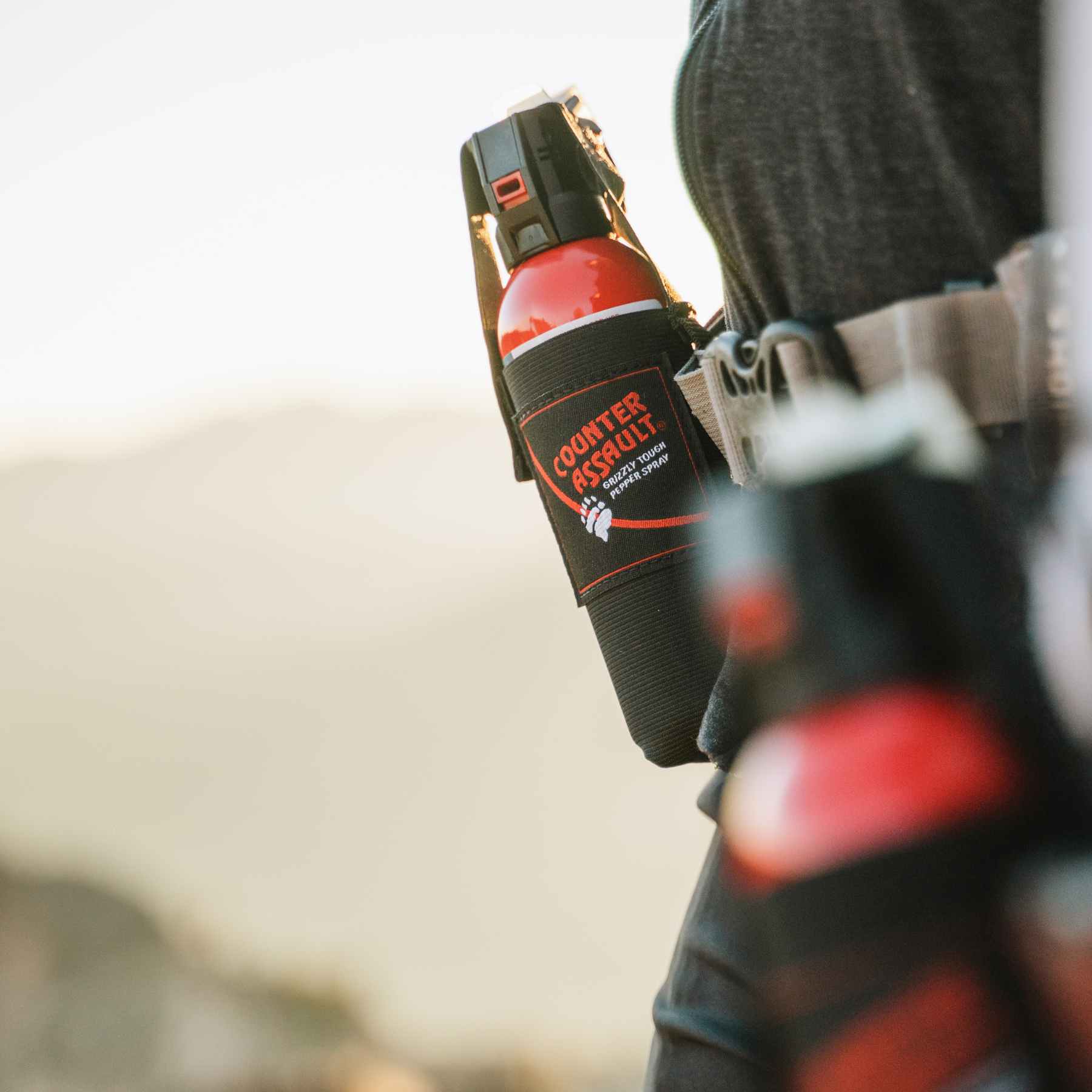
- Carry bear spray on your body or on a pack strap: if you need two hands and ten seconds to reach it, it is too slow.
Trade-offs matter. Hiking in a group can reduce surprise, but groups also spread out and get noisy in the wrong way. A strung-out party on a brushy trail is harder to manage than two or three people moving together and paying attention. The same goes for camp layout. A scenic site near water or game trails may look good at first glance and still be a poor place to sleep if food sign is fresh and visibility is short.
What to do when a bear is close
Distance buys time. Protect it.
If you spot a bear farther off, stop, assess what has the bear's attention, and back out before you crowd a food source or travel route. Speak in a calm, normal voice so the bear can identify you. Keep your group together. Leave the camera alone until the situation is stable.
At close range, actions need to be clean and deliberate:
- Stop and face the bear
- Get your bear spray in hand immediately
- Remove the safety clip
- Back away as conditions allow
- Aim low, toward the bear's path
- Spray when the bear closes into range
- Keep spraying in short bursts until the bear breaks off
- Leave the area once you have space
This video shows the deployment basics clearly:
One mistake shows up again and again. People treat bear spray like a repellent or campsite treatment. It is neither. Do not spray it on tents, clothing, packs, or around camp. It is a defensive tool for an aggressive encounter at close range.
Why non-lethal deterrence is the better tool
Under field conditions, bear spray has a strong safety record in aggressive encounters, and it gives people a margin for error that firearms often do not. That matters because real bear incidents are fast, close, and chaotic. Fine motor skill drops. Visibility may be poor. A bear may appear from cover with only seconds to react.
Non-lethal deterrence also fits the actual problem better in many encounters. A bear investigating food, defending a carcass, or reacting to a surprise at close range is dangerous, but that does not make killing the animal the best first answer. In many cases, the safer goal is to stop the charge, create space, and end the contact without turning a brief encounter into a wounded-bear incident.
A few points are worth keeping straight:
| Misconception | Field reality |
|---|---|
| A gun is always the safer choice | Close-range encounters usually favor the tool that is fastest to deploy accurately under stress |
| Wind makes spray useless | Wind matters, but good positioning and short-range use still make spray effective in many real encounters |
| Only predatory behavior is dangerous | Food defense, surprise encounters, and habituation to human food all create serious risk |
The standard is practical. Carry a deterrent you can reach in one motion, know how to use it, and keep yourself out of places where a bear's next meal is likely to put you in its path.
Frequently Asked Questions About Bear Safety
Are bears predators or mostly plant eaters
They are opportunistic feeders, and that matters more for safety than a simple label.
A black bear feeding on berries, acorns, insects, or carrion can still become dangerous at close range if you surprise it on a food source. A grizzly feeding on roots one day may be on a carcass the next. The practical point is simple. Do not judge risk by whether a bear is usually eating plants. Judge risk by what the bear is doing right now, what food is nearby, and how much room you have.
Should bear spray ever be used on gear or around camp
No.
Bear spray is an emergency deterrent, not a repellent for tents, packs, coolers, or clothing. Spraying camp gear can contaminate your space, irritate people and dogs, and leave you without a full can when you need it. Keep a clean camp instead. Store food properly, keep cooking areas separate from sleeping areas, and carry spray where your hand can reach it fast.
Why carry bear spray if a bear usually wants food, not people
Because food-seeking behavior is one of the main reasons people end up in a dangerous bear encounter.
A bear on a carcass, in a berry patch, along a salmon stream, or working through camp attractants is focused and often defensive. That kind of bear may not be hunting a person, but it can still close distance fast if it feels challenged or surprised. In the field, intent matters less than distance, cover, wind, and reaction time.
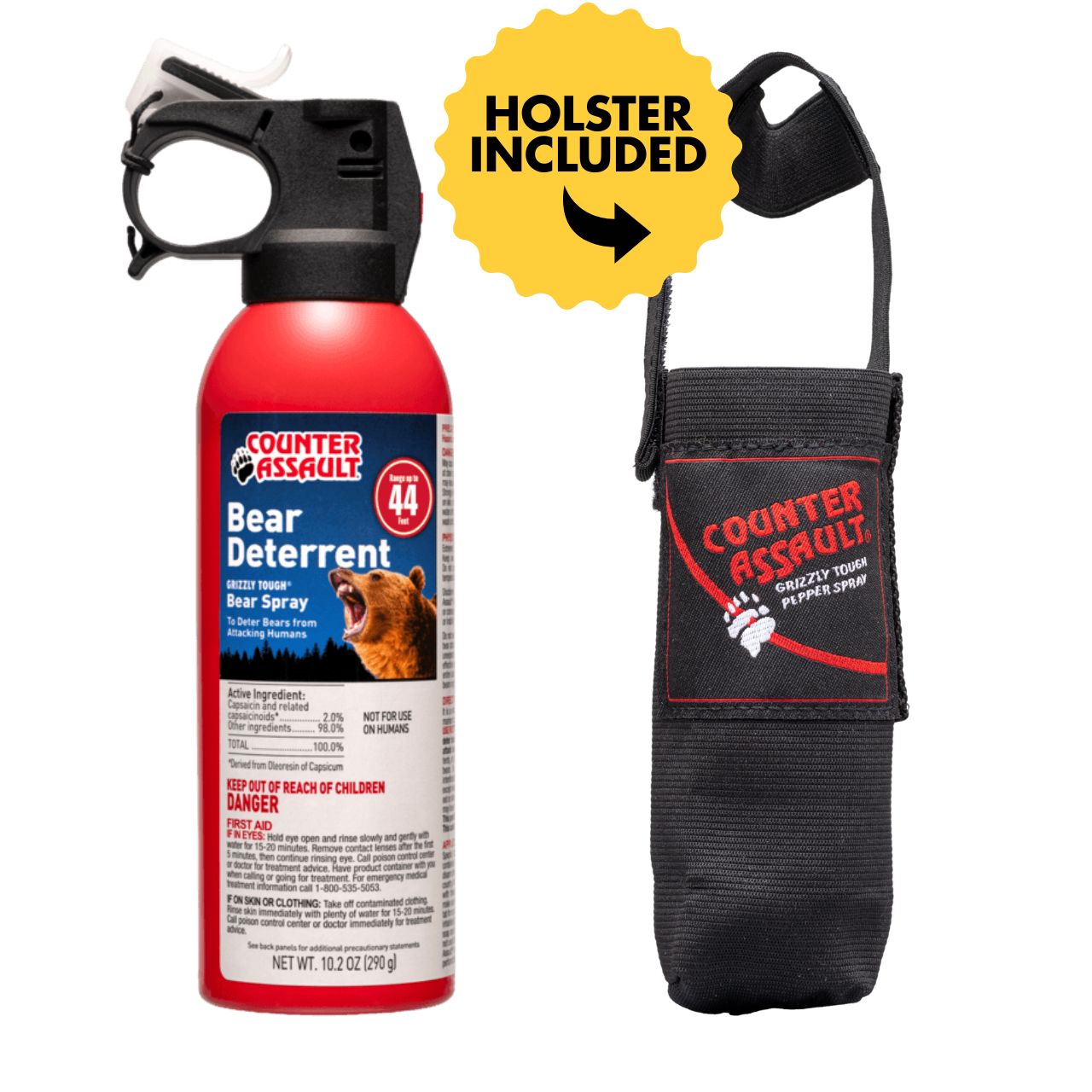
For people who spend serious time in bear country, the right deterrent needs reach, reliability, and field-ready carry. Counter Assault makes a purpose-built option in its 10.2 oz bear spray with included holster, built for fast access when distance collapses. It delivers a 44-foot range and 2% capsaicin and related capsaicinoids, and it's made in Montana as a non-lethal tool for bears, mountain lions, and coyotes. That kind of setup belongs on the outside of the pack, not buried inside it.