
Hike Confidently: Your Guide to Trail Safety
Rounding a bend and seeing a bear on the trail ahead changes the mood fast. The same goes for a washed-out bridge, a wrong turn near sunset, or a twisted ankle miles from the car. Most hikes start with good intentions. Safe hikes start with a system.
This guide gives 10 essential hiking safety tips that work together before the trip, on the trail, and during a real emergency. It focuses on practical prevention first, then on what to do when prevention fails. That includes expert-backed wildlife protocols and the right use of non-lethal deterrents like Counter Assault bear spray.
The priority is simple. Avoid bad situations when possible. Recognize trouble early. Carry tools that work under stress. In bear country, that means group travel, good camp habits, sharp awareness, and bear spray that's immediately accessible, not buried in a pack.
These hiking safety tips are built for hikers, backpackers, campers, families, and outdoor professionals who want direct advice they can use. No fluff. No false confidence. Just field-tested habits that help people come home safe.
Table of Contents
-
1. Hike in Groups and Make Noise to Avoid Surprise Encounters
-
2. Carry and Know How to Use Bear Spray for Emergency Protection
-
5. Respect Wildlife, Maintain Safe Distance and Never Feed Bears
-
6. Master the Encounter, How to Respond to a Bear or Mountain Lion
-
7. Choose the Right Tool, Why Bear Spray Outperforms Firearms
-
8. Pack a Smart First-Aid Kit for Bites, Stings, and Minor Injuries
- 10. Know Before You Go, Research Local Conditions and Wildlife
- 10-Point Hiking Safety Tips Comparison
- Your Ultimate Hiking Safety Checklist
1. Hike in Groups and Make Noise to Avoid Surprise Encounters

The easiest dangerous wildlife encounter to survive is the one that never happens. In bear country, surprise is the problem. Bears often react defensively when people appear at close range with no warning.
Research on bear attack patterns shows that hiking in groups of three or more, staying on designated trails, avoiding running during encounters, and carrying bear spray reduce the risk of fatal bear attacks in places like Yellowstone, and it also identifies defensive attacks from surprise encounters as the most common scenario while maintaining a 100-yard distance and making noise are core prevention practices (bear safety findings summarized in the verified data above). Groups are louder, easier for wildlife to detect, and generally less likely to trigger a close-range defensive reaction.
Make noise before the blind corner
Noise works best before a bear knows people are close. Talking, singing, or calling out as a group gives animals time to move off the trail.
- Call out in low-visibility spots: Raise voices near blind corners, thick brush, creek crossings, and hill crests.
- Keep the group together: A stretched-out group is quieter and easier for wildlife to miss.
- Leave earbuds out: Hearing movement, water, and voices matters.
Practical rule: Noise is preventive. Bear spray is backup. Carry both habits on every hike in bear country.
A common real-world mistake is chatting at the trailhead, then hiking silently once the climb starts. That's when people round a bend and crowd an animal without meaning to. Strong hiking safety tips always start with prevention, and group travel is one of the simplest habits to get right.
2. Carry and Know How to Use Bear Spray for Emergency Protection

You round a bend, spot a bear at bad distance, and get one chance to respond correctly. If your spray is buried in your pack, you are already behind.
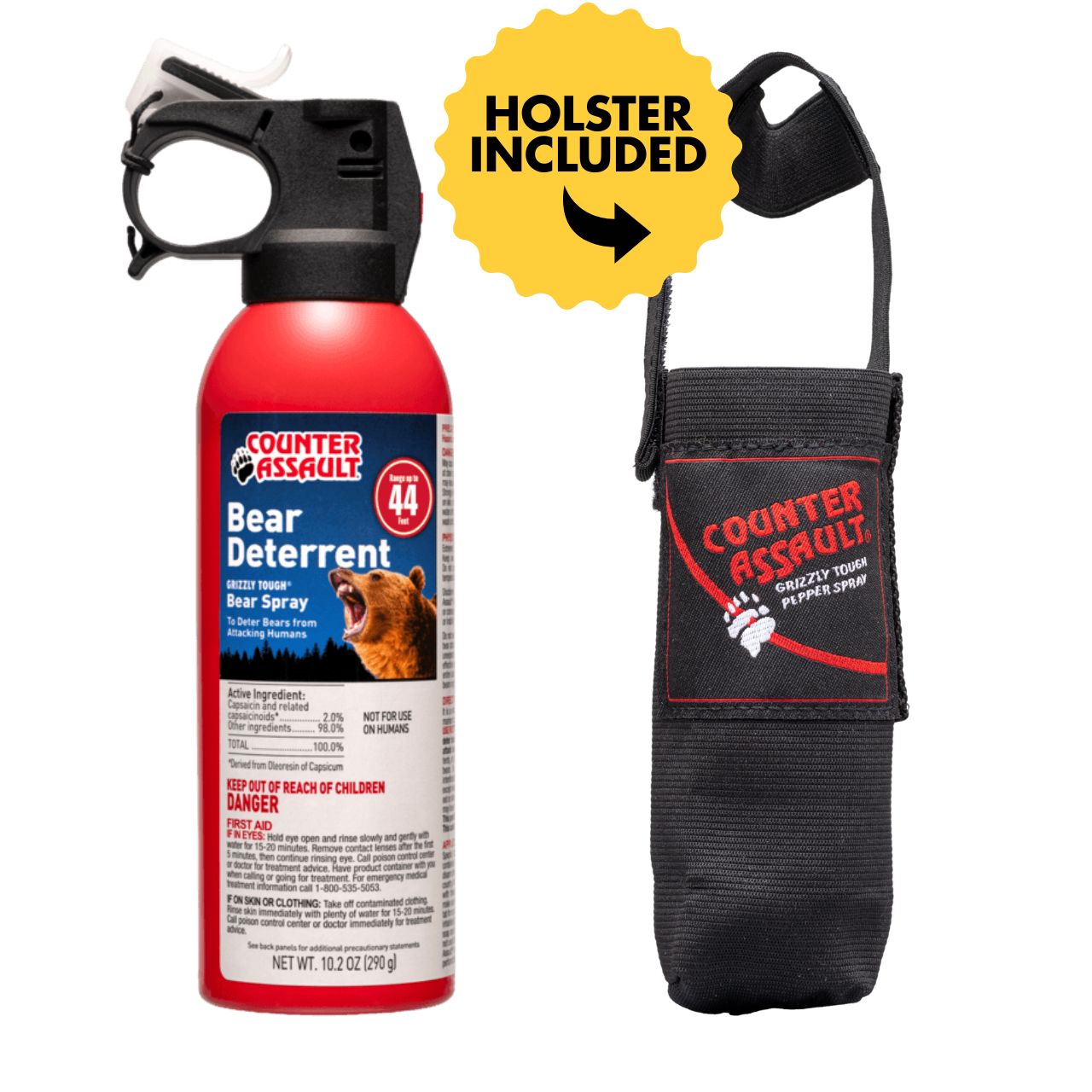
Bear spray is the tool to carry for a fast, non-lethal response to an aggressive bear encounter. It also gives hikers a practical option in other wildlife emergencies where creating distance matters. Counter Assault makes a 10.2 oz canister with a belt holster designed for quick access and a long spray range, which is exactly what you want when seconds count.
Researchers Tom Smith, Stephen Herrero, and colleagues found that bear spray stopped undesirable bear behavior in the vast majority of close-range bear encounters in Alaska, with few injuries to people who used it. Read the study record here: Efficacy of Bear Deterrent Spray in Alaska. Serious hikers should treat spray as standard trail equipment in bear country.
Carry It Where You Can Draw It Instantly
A can on your belt or chest strap can save your life. A can in your backpack cannot.
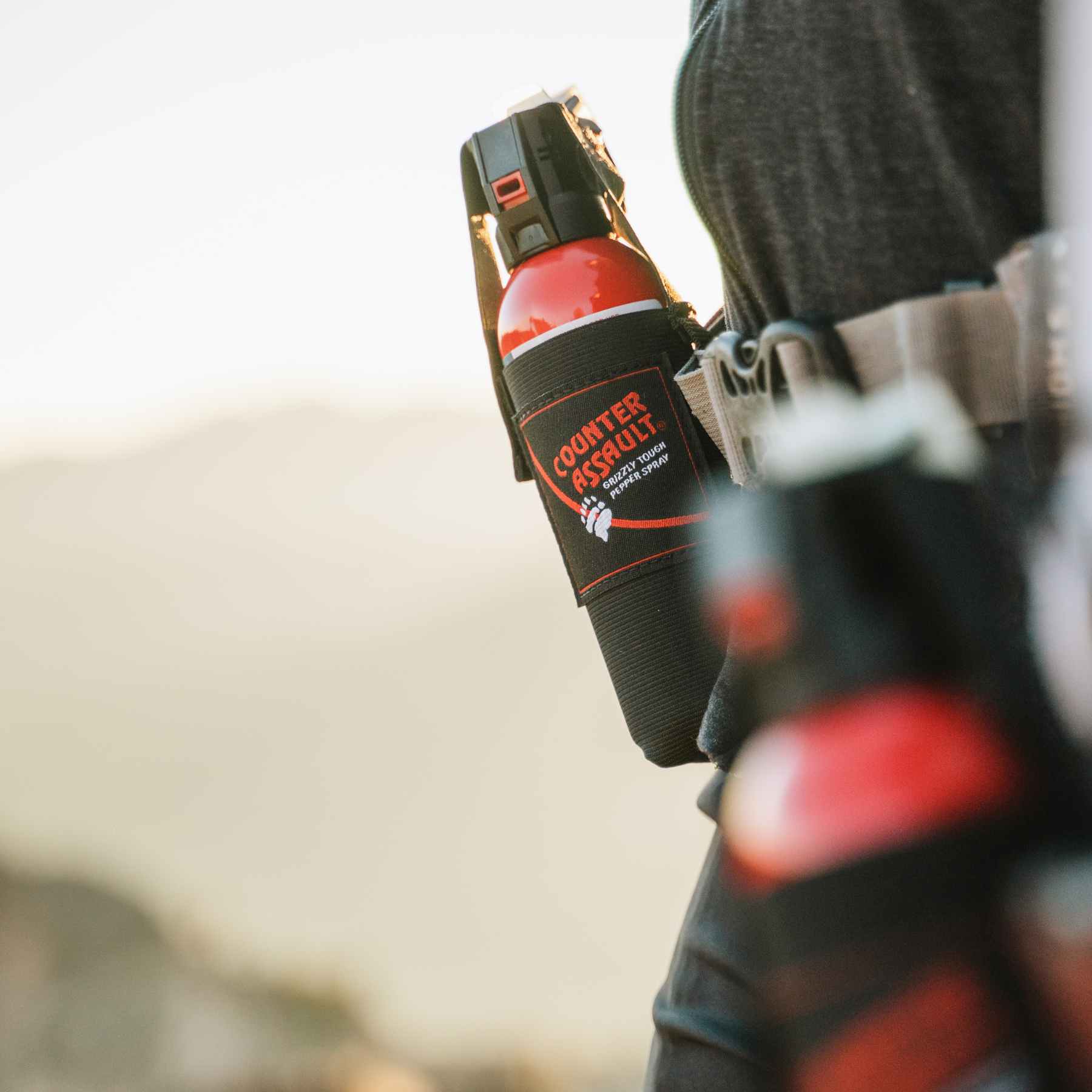
BearWise guidance tells hikers to keep bear spray immediately accessible and to practice using it before heading out: BearWise bear spray guidance. That means a belt holster, chest harness, or pack strap mount you can reach with either hand. Do not stuff it under layers, food, or rain gear and call yourself prepared.
Use it the same way every time you train:
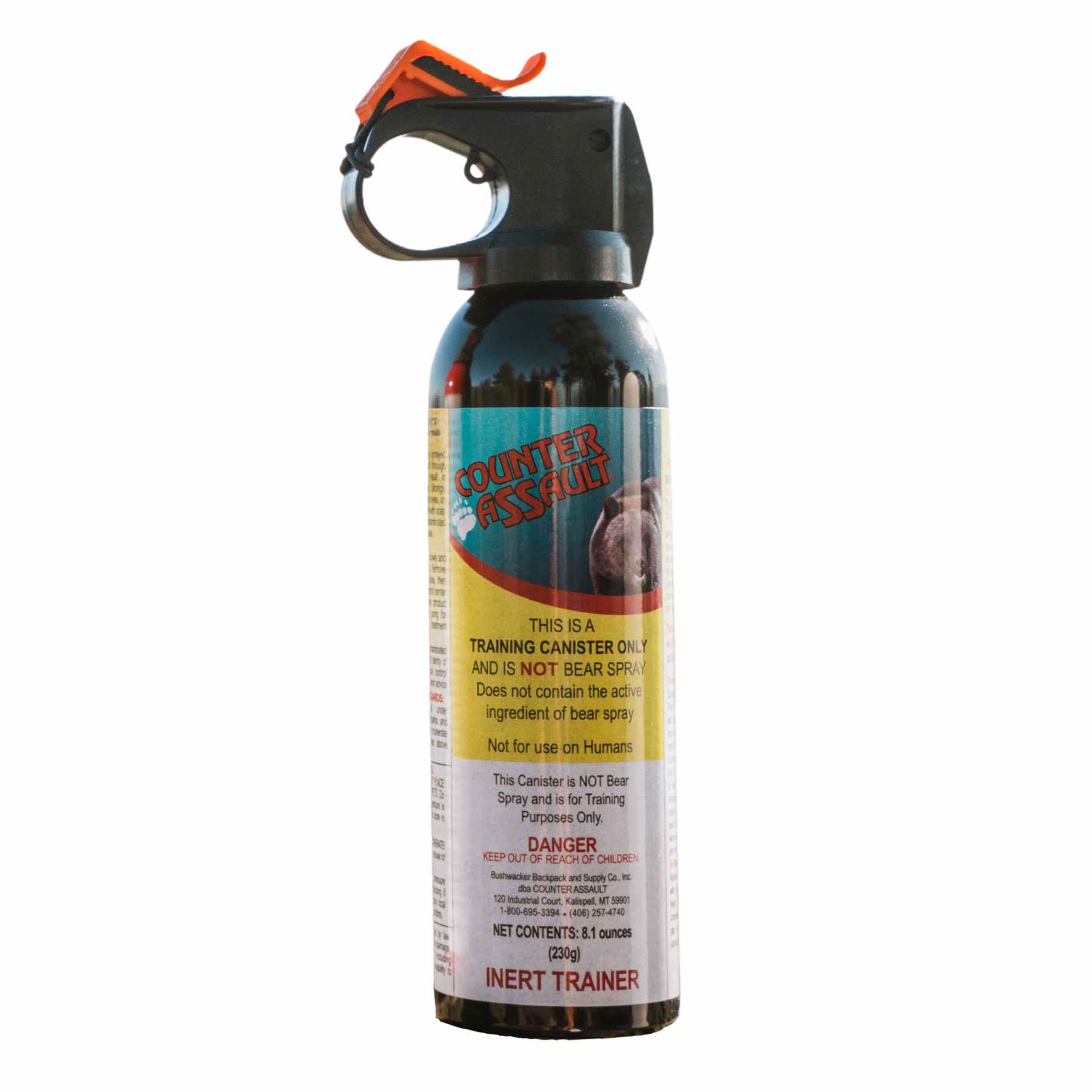
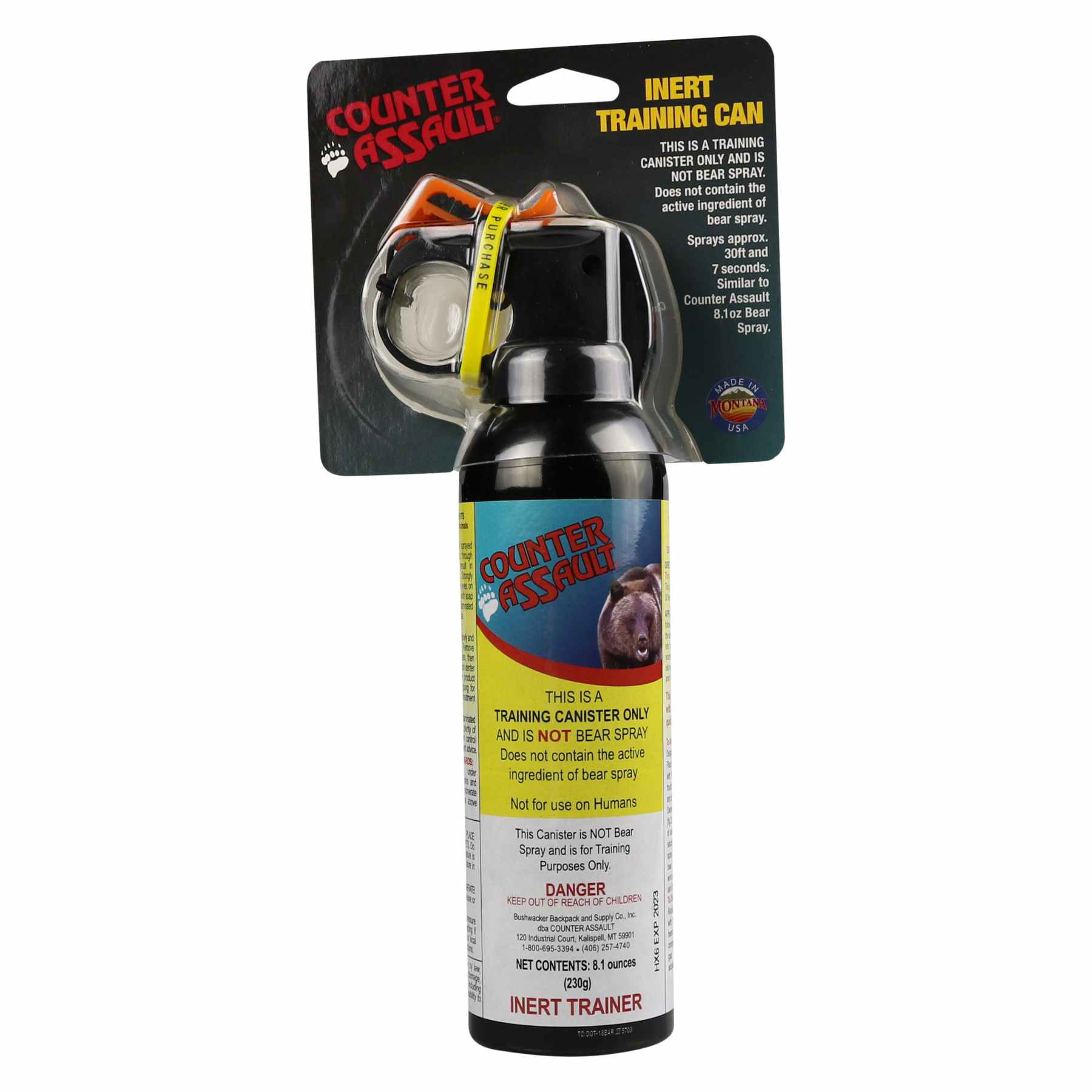
- Practice the draw: Grab the canister, clear it from the holster, and remove the safety clip without looking down.
- Know your working distance: Deploy it before the animal closes the gap, not after it is on top of you.
- Aim slightly low first: Build a cloud in the animal's path, then adjust into the face if it keeps coming.
- Leave after deployment: Back out, create distance, and get out of the area once the animal breaks off.
Good wildlife safety is a system. Prevention comes first. Immediate access, clean deployment, and a calm exit plan are the backup.
For a practical field guide, read what hikers need to know about bear spray.
3. Avoid Hiking at Dawn and Dusk, Prime Bear Activity Hours
Trail timing matters more than many hikers think. Low light reduces visibility, makes noise harder to place, and overlaps with periods when bears are often more active. A route that feels uneventful at midday can feel very different at first light or just before dark.
This isn't a reason to avoid the outdoors. It's a reason to choose better hours. Mid-morning through mid-afternoon usually gives hikers better visibility, more reaction time, and fewer surprise encounters.
Pick Better Trail Hours
A common real-world scenario is the rushed late-afternoon start. A hiker leaves camp too late, reaches a berry patch or dense timber near dusk, and suddenly has poor light, dropping temperatures, and active wildlife all at once.
Better timing prevents layered problems. Good visibility helps with route-finding, footing, and wildlife awareness at the same time.
A simple approach works best:
- Start after full daylight: Give the trail time to brighten so turns, tracks, and movement are easier to read.
- Plan to finish before dark: Don't let the last mile happen in low light if the route crosses brush, creek bottoms, or heavy timber.
- Adjust for season and location: Dawn and dusk shift through the year, and local wildlife patterns do too.
- Keep bear spray accessible anyway: Safer timing lowers risk. It doesn't remove it.
Among practical hiking safety tips, this one is easy to overlook because it feels less important than gear. It isn't. Smart scheduling is one of the cheapest and most reliable safety decisions a hiker can make.
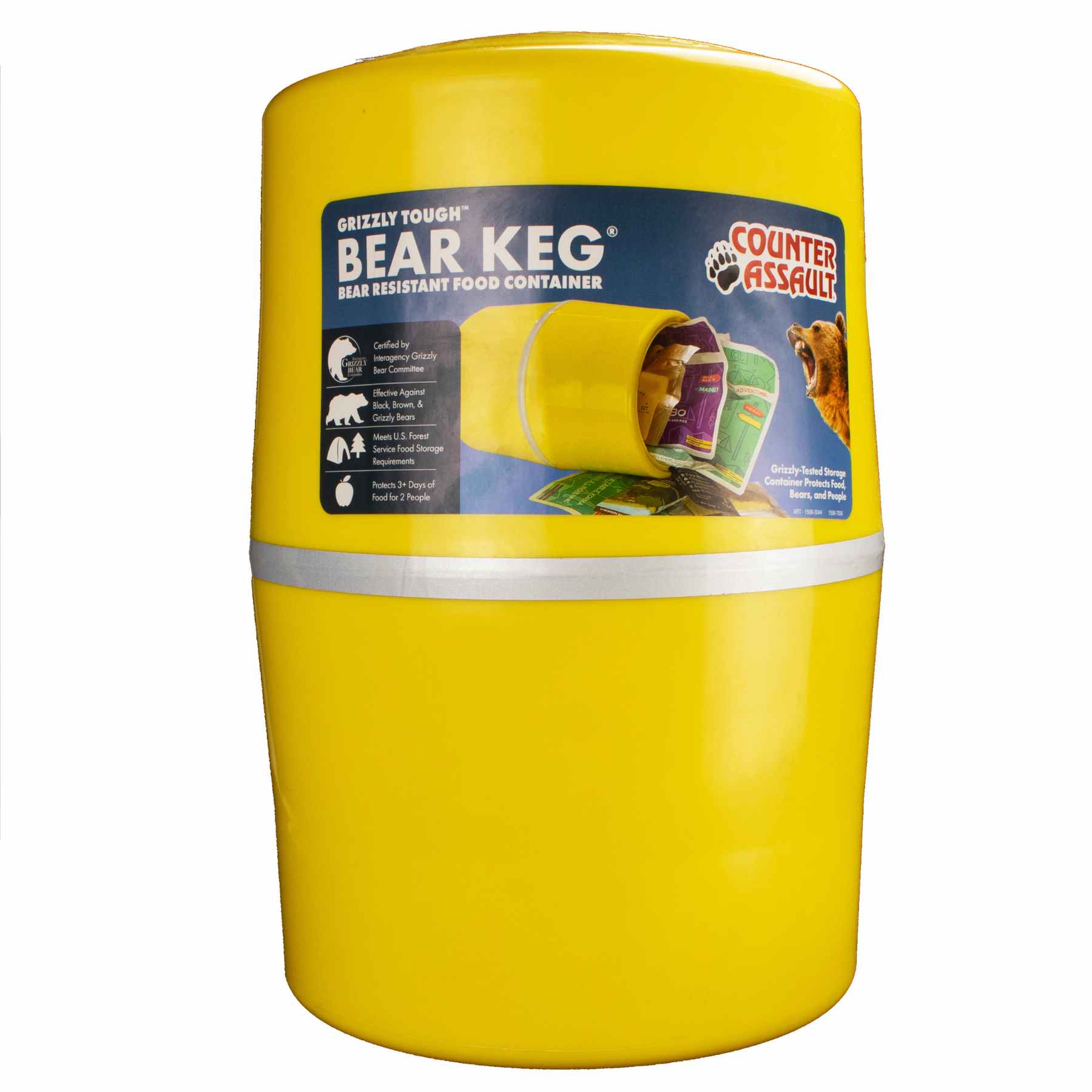
4. Maintain a Clean Camp with Bear-Resistant Food Storage

Camp safety starts with scent control. Bears don't need a steak dinner to investigate a site. Energy bars, toothpaste, drink mix, cookware residue, sunscreen, and garbage all pull wildlife in if they're left out.
Once a bear learns that campsites mean easy calories, everyone loses. The next visitor is at greater risk, and the bear often pays for human carelessness.
Treat scent like food
A messy site creates a predictable pattern. Someone cooks near the tent, leaves wrappers in a side pocket, stores toiletries in the vestibule, and goes to sleep assuming the campsite is fine. It isn't.
- Store all scented items securely: Food, trash, toiletries, pet food, cookware, and flavored drink packets all count.
- Never keep scent items in the tent: Sleeping next to food or toiletries is an invitation.
- Clean up immediately: Wash dishes after use and deal with scraps right away.
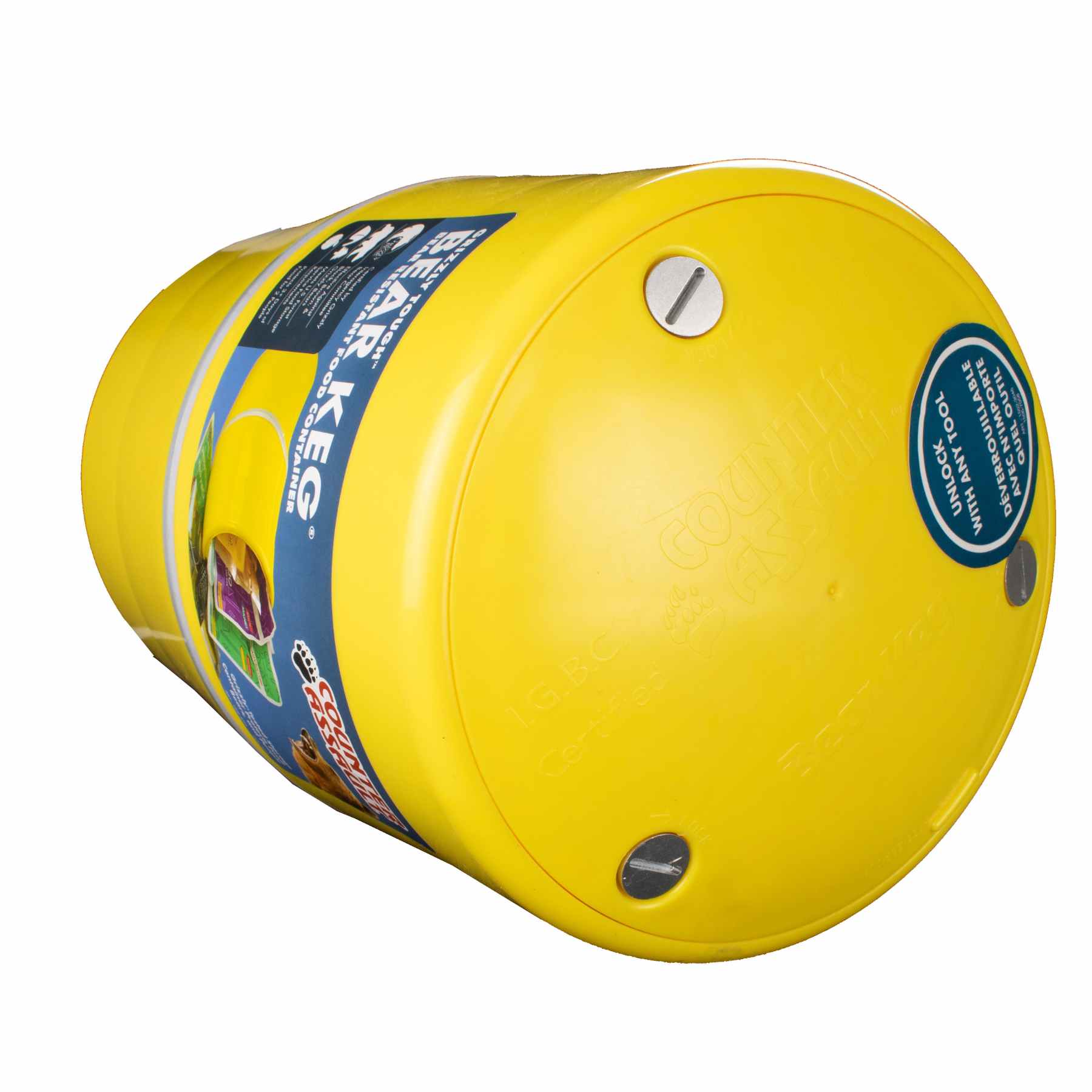
- Use site infrastructure when available: Bear boxes and approved canisters exist for a reason.
A clean camp protects people and wildlife at the same time.
Hikers who camp in bear country should treat food storage rules as paramount. For a practical breakdown of camp food habits, review Counter Assault's camping food storage guide. Strong hiking safety tips don't stop at the trailhead. They continue after the boots come off.
5. Respect Wildlife, Maintain Safe Distance and Never Feed Bears
Wildlife isn't there for close-ups. It isn't there for selfies, snacks, or slow approaches for “just one better photo.” A bear that notices people and keeps feeding is still a wild animal. A bear that gets rewarded by people becomes a management problem fast.
Maintaining distance is basic field discipline. The verified safety guidance above identifies 100 yards as a foundational distance for bears. That space gives the animal room to keep acting like a wild animal and gives hikers room to react if behavior changes.
Use optics, not proximity
The most common bad decision looks harmless at first. Someone sees a bear across a meadow or along a river, decides it seems calm, and starts creeping closer with a phone out. That's how people end up between a sow and cubs, crowding an animal's escape path, or triggering a defensive charge.
- Use binoculars or a zoom lens: Ethical wildlife viewing doesn't require closing the gap.
- Never feed a bear: Food conditioning creates dangerous behavior.
- Don't get between family groups: If cubs or juveniles are present, back out and widen the distance.
- If a bear notices and approaches: Stand ground, don't run, and prepare bear spray.
Some of the best hiking safety tips are really about restraint. Staying back often feels less dramatic than taking action, but in wildlife country, restraint is often the action that keeps things under control.
6. Master the Encounter, How to Respond to a Bear or Mountain Lion
When an animal is already in front of the hiker, the job changes. Prevention is over. Response starts. The wrong move at this stage is usually fast and emotional, especially running.
Running can trigger pursuit. Calm, deliberate behavior buys time, shows the animal it's dealing with a human, and sets up a clean spray deployment if needed.
Control the first ten seconds
The National Park Service notes that bear spray is highly effective, but user error remains a major reason deterrence fails, especially when people wait too long and fail to create a barrier cloud before the bear is within 15 feet, and many beginner guides miss the reaction mechanics needed to use spray within the canister's short discharge window (National Park Service hiking safety guidance).
That means the first seconds matter. A hiker who freezes, fumbles, or waits for a perfect moment gives away the distance needed to make spray work.
- Don't run: Hold ground unless the animal is clearly disengaging and distance can be created safely.
- Avoid direct eye contact: Keep the animal in view without staring it down.
- Speak in a normal voice: Let it identify a human presence.
- Make the body look bigger: Raise arms, hold gear overhead, or step to higher ground if possible.
- Get spray out early: Remove the safety clip before the charge closes.
For a step-by-step response guide, use what to do if a hiker sees a bear.
7. Choose the Right Tool, Why Bear Spray Outperforms Firearms
In a fast charge, the right tool is the one most likely to work under stress. That isn't about bravado. It's about mechanics. A charging bear closes distance fast, and precision shooting under pressure is hard even for trained people.
Bear spray is built for this exact problem. It creates a cloud. It doesn't require perfect shot placement. It gives the hiker a humane defensive option that can stop aggressive behavior without killing the animal.
A wide cloud beats perfect aim
Across multiple field studies, bear spray has shown a 90 to 98% success rate in deterring aggressive bear attacks, while firearms show 76 to 84% effectiveness, and one Journal of Wildlife Management study recorded 98% efficacy with only 2% of cases resulting in minor human injuries (efficacy of bear spray study PDF).
That gap matters because stress punishes fine motor skills. Most hikers won't place a precise disabling shot during a sudden close-range charge. They can, however, present a spray cloud in the animal's path.
An injured bear can keep coming. A well-placed spray cloud gives the animal a reason to stop and turn.
This is one of the clearest hiking safety tips for travel in bear country. Carry the tool with the wider margin for error and the better record for protecting both the person and the animal.
8. Pack a Smart First-Aid Kit for Bites, Stings, and Minor Injuries
Predators get attention, but most trail problems are smaller and more common. Hot spots become blisters. Trekking poles slip on wet rock. Mosquitoes and ticks turn a good day miserable. Small cuts get dirty. A smart first-aid kit handles the routine problems before they grow into bigger ones.
Buying a pre-built kit saves time. Adventure Medical Kits is a strong place to start, especially for hikers who want organized basics instead of loose supplies rolling around a pack.
Build Around Common Trail Problems
A practical first-aid setup should match what usually goes wrong on local trails. For many hikers, that means blister care, bandages, gauze, tape, cleaning wipes, pain relief, and antihistamine support for bites or stings.
A few add-ons make the kit more useful on warm-weather hikes and in buggy terrain:
- Use effective insect repellent: Ben's 30 insect repellent and Natrapel both fit well in a trail kit depending on personal preference.
- Pack bite and sting relief: After Bite helps with the kind of irritation that can distract a tired hiker and lead to poor decisions.
- Customize for the group: Kids, allergy history, and remote terrain all change what belongs in the pouch.
A real-world example is the short family hike that turns into an extra hour because of blisters or stings. The injury isn't dramatic, but the delay pushes the return into heat, fatigue, or darkness. Good hiking safety tips account for small failures before they stack up.
9. Carry the Ten Essentials Including Light and Navigation
A day hike becomes a problem when a hiker loses the trail, gets delayed by weather, or twists an ankle late in the afternoon. That's why the Ten Essentials still matter. Navigation, light, extra layers, first aid, emergency signaling, and backup survival gear turn inconvenience into manageability.
The biggest mistake is assuming a familiar route doesn't require full preparation. Familiar trails are where people often cut corners.
Redundancy Matters
Navigation should never rely on a phone alone. Batteries die, screens crack, and service drops. A paper map and compass still belong in the pack. So does backup light, even on a short outing.
Useful modern additions make this easier to carry:
- Add compact emergency light: A LuminAID solar light gives hikers lightweight illumination for late returns or unexpected overnights.
- Pack grab-and-go emergency gear: Survive Outdoors Longer offers compact preparedness tools that fit small packs.
- Carry a whistle and route plan: Three blasts remain the standard distress signal, and someone at home should know the exact route and return time.
The trail doesn't care whether the delay started with a missed turn or a rolled ankle. Darkness arrives the same way either time.
Among all hiking safety tips, this one has the widest range. It helps with weather, navigation, injury, and wildlife delays all at once.
10. Know Before You Go, Research Local Conditions and Wildlife
You leave the trailhead under blue sky, then hit a washed-out creek crossing, a heat advisory, and fresh bear activity posted at the first junction. That is how routine hikes turn into rescues. Good judgment starts before the drive to the park.
Research is not busywork. It is part of the safety system. It shapes your route, start time, turnaround point, clothing, water load, and wildlife plan. If conditions changed overnight, your plan needs to change with them.
Start with official sources. Park websites, forest alerts, and ranger stations give you closures, fire restrictions, storm damage, snow, and current wildlife notices. Then check recent hiker reports for details that official pages often miss, such as slippery sections, deadfall, bug pressure, or crowded trailheads.
Use a simple pre-trip check:
- Read official alerts first: Closures, hazard notices, and wildlife warnings come before everything else.
- Check same-day weather: Look at temperature swings, wind, lightning risk, and sunset time.
- Review recent trail reports: Adventure Ready Outdoor is one useful source to compare with local reports and ranger updates.
- Inspect deterrent gear: Make sure bear spray is not expired, rides where you can reach it fast, and fits the animals and terrain you may face.
Wildlife research matters just as much as weather research. Know what animals are active in that area, where recent sightings happened, and what behavior triggers trouble. Black bear country, grizzly country, and mountain lion habitat do not call for the same decisions on route timing, group spacing, camp setup, or emergency response.
Bear spray is part of that planning, not an afterthought. As noted earlier, EPA-registered bear spray has specific performance standards for range, spray duration, and capsaicinoid content. If you want a practical field discussion of what those standards mean, read CleverHiker's guide on whether bear spray really works. Counter Assault remains a valid option to carry. The point is simple: pick a canister built for backcountry use, and know exactly how to deploy it under stress.
A trail map shows distance. Current conditions show risk. Check both.
10-Point Hiking Safety Tips Comparison
| Method | Implementation Complexity 🔄 | Resource Requirements ⚡ | Expected Outcomes 📊 | Ideal Use Cases 💡 | Key Advantages ⭐ |
|---|---|---|---|---|---|
| Hike in Groups and Make Noise to Avoid Surprise Encounters | Low, simple behavior change | Minimal, companions, voices | Significantly lower surprise-encounter risk; high preventive value ⭐⭐⭐⭐ | Day hikes, low-visibility trails, group outings | Cost-free, safety in numbers; reduces defensive encounters ⭐ |
| Carry and Know How to Use Bear Spray for Emergency Protection | Medium, requires practice and accessibility | Moderate, purchase canister + holster; training time | Very high chance to stop aggressive animals (~90% in studies) ⭐⭐⭐⭐⭐ | Remote/backcountry, known bear country, solo hikers | Non-lethal, forgiving aim, proven effectiveness ⭐ |
| Avoid Hiking at Dawn and Dusk, Prime Bear Activity Hours | Low, scheduling adjustment | Minimal, planning/time shift | Lower probability of encounters by avoiding crepuscular activity windows ⭐⭐⭐⭐ | Daytime hikes, areas with crepuscular predators | Simple risk reduction; better visibility and comfort ⭐ |
| Maintain a Clean Camp with Bear-Resistant Food Storage | Medium, disciplined routine and setup | Moderate, bear canister/lockers; extra pack weight | Eliminates primary attractants; prevents habituation and campsite visits ⭐⭐⭐⭐ | Overnight/backcountry camping, dispersed campsites | Prevents long-term problems; often legally required ⭐ |
| Respect Wildlife: Maintain Safe Distance and Never Feed Bears | Low, behavioral rule enforcement | Minimal, optics recommended (binoculars) | Fewer close interactions; protects animals and people ⭐⭐⭐⭐ | Wildlife viewing, photography, crowded parks | Ethically sound; reduces habituation and legal risks ⭐ |
| Master the Encounter: How to Respond to a Bear or Mountain Lion | Medium–High, needs rehearsal to overcome instincts | Low, knowledge + readiness (bear spray accessible) | Increases survival and de-escalation rates when encounters occur ⭐⭐⭐⭐ | Sudden close encounters, charged/defensive animal situations | Clear protocol reduces panic; often prevents attacks ⭐ |
| Choose the Right Tool: Why Bear Spray Outperforms Firearms | Medium, informed decision and practice | Moderate, purchase spray; firearms add legal/skill burdens | Bear spray shows superior safety/outcomes vs firearms in studies ⭐⭐⭐⭐⭐ | Most hikers, parks where firearms are restricted | Non-lethal, forgiving under stress; expert-recommended ⭐ |
| Pack a Smart First-Aid Kit for Bites, Stings, and Minor Injuries | Low–Medium, assemble kit and basic skills | Low, lightweight kit, repellents, basic meds | Treats common trail injuries promptly; reduces escalation ⭐⭐⭐ | Day hikes, family trips, insect-prone areas | Immediate care, prevents minor issues from becoming emergencies ⭐ |
| Carry the "Ten Essentials" Including Light and Navigation | Medium, consistent packing + skill to use items | Moderate, map/compass, headlamp, PLB/satellite device | Strongly increases survival & rescue likelihood if lost/overnight ⭐⭐⭐⭐⭐ | Remote/backcountry, potential overnight or variable weather | Broad safety net; enables signaling, navigation, and shelter ⭐ |
| Know Before You Go: Research Local Conditions and Wildlife | Low–Medium, time for research and updates | Minimal, internet, phone calls, ranger contacts | Better route/gear/timing decisions; avoid known hazards ⭐⭐⭐⭐ | All trips, especially new areas or seasonal hotspots | Informed planning reduces risk and unnecessary exposure ⭐ |
Your Ultimate Hiking Safety Checklist
A routine hike can turn into an emergency fast. You miss a junction, daylight fades, your headlamp fails, and a bear shows up at close range because food was handled poorly at camp. The hikers who come home safely are usually the ones who built a safety system before they ever stepped onto the trail.
Use this article that way. Plan the route, timing, weather window, and check-in plan before you leave. On the trail, stay alert, protect your food, manage distance from wildlife, and keep the right gear where you can reach it without digging through your pack. If trouble starts, act early and follow a practiced response instead of improvising.
Bear spray fits into that system. It is not a talisman and it is not a substitute for judgment. As noted earlier, park and wildlife agencies are clear on the basics: avoid surprise encounters, secure food and scented items, and carry bear spray where you can deploy it immediately.
Carry it like you expect to need it. Belt or chest holster. Safety clip checked. Expiration date confirmed. Practice the draw until your hand finds it without thought. If your spray is buried in a pack, you do not have bear spray. You have extra weight.
The same rule applies to everything else. A map helps only if you can read it. A headlamp helps only if it has fresh batteries. A first-aid kit helps only if you packed what you know how to use. Good outcomes in the backcountry come from simple habits done every time.
Counter Assault belongs in that routine as a factual, non-lethal deterrent option for bear country. Counter Assault makes bear deterrent products for backcountry use, including a 10.2 oz canister with holster for immediate-access carry. Build your system before the trailhead, carry your tools where they matter, and treat prevention, response, and rescue planning as one job.