
A trail can look clean at first glance and still carry a serious litter problem. The 2026 Keep America Beautiful National Litter Study found that litter is down 34%, yet 35 billion pieces still remain in parks and public spaces. That matters because litter doesn't stay put. Wind pushes it into brush, rain carries it into drains and rivers, and animals investigate it long before a cleanup crew ever arrives.
That's where many hikers and campers get the issue wrong. They treat litter as an eyesore, when in the field it often becomes a wildlife attractant, a toxin source, and a safety hazard. A food wrapper left at a pullout, a drink container in camp, or a pile of scraps near a trailhead can teach animals that people mean easy calories.
In bear country, that's not a small mistake. It changes animal behavior. It also raises the chance that the next person on that trail meets a food-conditioned animal at close range. Understanding how litter affects the environment means looking at both sides of the problem. It harms habitats and wildlife, and it can make outdoor recreation less safe for people.
Table of Contents
Why a Cleaner Trail Is a Safer Trail
Most litter doesn't announce itself with a giant trash heap. It shows up as the small stuff. A snack wrapper under a log. A bottle cap at a fire ring. A used tissue near a campsite. People step over these items because each one seems minor.
Wildlife doesn't see it that way.
Animals investigate smell, residue, salt, grease, and anything that seems edible or novel. Once that process starts, litter stops being just pollution and starts becoming behavior training. An animal that repeatedly finds food or food scent around people can lose its caution. That puts the animal at risk, and it puts the public at risk too.
Practical rule: If an item has touched food, drink, or scented products, wildlife may treat it as a reward even when a person sees it as empty trash.
This is why a cleaner trail is usually a safer trail. Clean camps reduce attractants. Clean picnic areas reduce scavenging. Clean pullouts reduce the chance that animals begin associating roads, parking lots, and people with easy meals.
For hikers, anglers, campers, and RV travelers, litter control is part of field safety. It belongs in the same category as food storage, camp hygiene, and keeping distance from wildlife. People can't control what every visitor leaves behind, but they can control what happens in their group and how seriously they treat waste.
How Litter Directly Harms Wildlife and Ecosystems
The most immediate damage is physical. Animals eat litter, get caught in it, cut themselves on it, or alter their movement around it. According to Texas Disposal Systems' overview of the real cost of littering, over one million animals die each year after ingesting or becoming entangled in improperly disposed trash, and more than 100,000 marine animals such as dolphins, fish, and whales die annually from plastic.

Those are large-scale numbers, but the field examples are plain and familiar. Fishing line can pin down a bird or cinch tighter as the animal struggles. Plastic rings and loose cord can catch around necks, legs, or wings. Broken glass and sharp metal can slice paws, hooves, and pads. A single discarded bait container or food pouch can trap scent long after the visible contents are gone.
When trash becomes a trap
Some litter injures wildlife because it acts like a snare. Other litter harms wildlife because it looks or smells like food.
A soft plastic scrap in water can resemble prey. Foil, paper, and food packaging often carry odor residues. Even seemingly harmless items can lodge in the mouth or gut. Once an animal swallows trash, it may suffer internal injury, blockage, or false fullness. In plain language, the stomach feels occupied while the body still starves.
A habitat also changes when litter accumulates. Animals may avoid parts of it. Others may be drawn into high-risk areas such as roadsides, parking areas, campgrounds, or boat launches because those places offer easy scavenging.
| Direct effect | What happens in the field |
|---|---|
| Entanglement | Animals lose mobility or suffocate in line, cord, rings, or net-like debris |
| Ingestion | Wildlife swallows trash and suffers blockage, injury, or starvation |
| Physical injury | Sharp litter causes cuts, infection, and reduced mobility |
| Habitat disruption | Animals change feeding and travel patterns around polluted areas |
Why wildlife keeps investigating litter
A common mistake is assuming wild animals know what not to eat. They don't sort trash the way people do. They respond to scent, shape, texture, and opportunity. In areas with frequent human use, that pattern can get stronger fast.
A good example is food-scented garbage in campgrounds or trailhead cans. Bears, raccoons, foxes, coyotes, and birds all learn from repeated access. That's one reason odor management matters so much in outdoor travel. Counter Assault's article on a bear's sense of smell helps explain why scraps, wrappers, and poorly handled trash deserve much more caution than many visitors give them.
Wildlife doesn't need a full meal to form a habit. A repeated food smell is often enough to bring an animal back.
The environmental damage and the safety risk are tightly connected here. Trash changes where animals feed. Once that happens, trails, camps, and roadside stops become part of the ecosystem problem.
The Unseen Threat of Contamination and Microplastics
Not all litter damage is visible. Some of the worst effects begin after the item looks old, faded, or broken down. An estimated 8 million tons of plastic waste enter the ocean each year, and Fish for Garbage notes that this plastic can persist for centuries while degrading into microplastics that wildlife ingest, causing intestinal damage and contaminating the food chain.

How plastic changes after it is discarded
People often think plastic disappears once it becomes brittle and breaks apart. It doesn't. It just becomes smaller.
Sunlight, abrasion, heat, and water wear larger plastic items into fragments. Those fragments keep moving through sand, soil, creeks, storm drains, rivers, and shorelines. That's why a bottle, wrapper, or bait container left inland can still become part of a much bigger pollution pathway later.
This is one of the clearest ways to understand how litter affects the environment. The damage doesn't end when the item is out of sight. It shifts from visible debris to widespread contamination.
Why tiny fragments still matter
Microplastics create confusion because they're easy to underestimate. A large piece of trash looks dangerous. Tiny particles don't. But small particles are harder to remove and easier for animals to ingest.
A useful way to picture this is breadcrumbs. One loaf dropped on the ground is obvious and easy to pick up. Grind that loaf into fine crumbs and scatter it across a field, and cleanup becomes much harder. Plastic works in a similar way, except the fragments can persist in the environment for a very long time.
- In water: Fish and other aquatic animals can ingest fragments while feeding.
- In soil: Particles mix into ground that supports plants, insects, and small animals.
- In the food chain: Once small organisms ingest contaminated material, that exposure can move upward through predators.
Some litter adds chemical risk as well. Texas Disposal Systems reports that cigarette filters and residual ash can contain chemicals such as arsenic and formaldehyde. That's one reason small litter items deserve more attention than they get.
Your Action Plan for Litter-Free Adventures
Good outdoor habits are simpler than people think. Most of them come down to reducing attractants, controlling waste, and leaving a site cleaner than it was found.

What responsible recreation looks like
The Leave No Trace principles give a solid framework for almost every trip:
- Plan ahead and prepare. Bring trash bags, odor-resistant storage, and a system for food scraps before leaving home.
- Travel and camp on durable surfaces. Staying on established routes reduces habitat disturbance and makes cleanup easier.
- Dispose of waste properly. Pack out wrappers, food scraps, hygiene waste, and broken gear.
- Leave what is found. Natural places stay healthier when visitors don't disturb them further.
- Minimize campfire impacts. Burn scars and half-burned trash create long-lasting mess and risk.
- Respect wildlife. Distance matters. Feeding, baiting, or accidental food access all change behavior.
- Be considerate of other visitors. Clean sites are safer and more enjoyable for the next group.
A campsite isn't clean because the visible trash is gone. It's clean when food scent, scraps, and loose waste are controlled too.
For many groups, the most effective routine is a final sweep before leaving. One person checks the fire ring, another scans the cooking area, another checks under picnic tables, logs, benches, and vehicles. Small items hide well in exactly those places.
Waste control in bear country
Bear country raises the stakes. Food wrappers, spilled drink mix, bait packaging, pet food containers, and dishwater residue can all create attractants. The goal isn't just tidiness. The goal is avoiding the lesson that human spaces provide food.
A practical field kit usually includes:
- A dedicated trash bag. Don't mix loose garbage with clean gear where odor can spread.
- Seal-up containers for smellables. Food, toiletries, and garbage belong in secure storage.
- Gloves for cleanup. Picking up other people's litter is safer with basic hand protection.
- A lighting option for camp checks. A compact lantern from LuminAID can make evening cleanup around camp much easier.
- A first-aid kit. Sharp litter and cleanup work create real injury risk. A compact option from Adventure Medical Kits makes sense in any trail or campground setup.
- Reliable insect protection. Less distraction means better camp discipline. Products from Natrapel can help keep attention on safe food and waste handling.
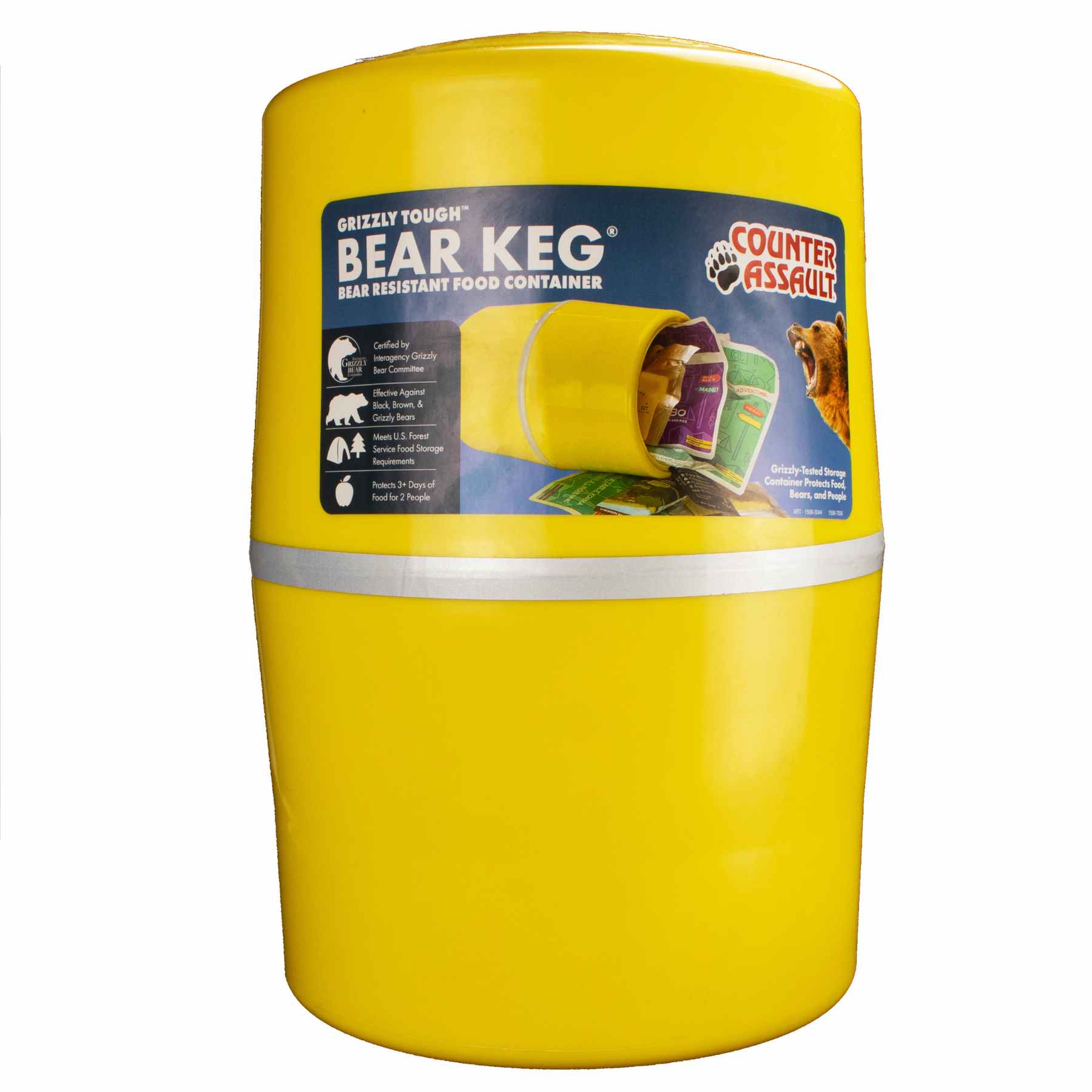
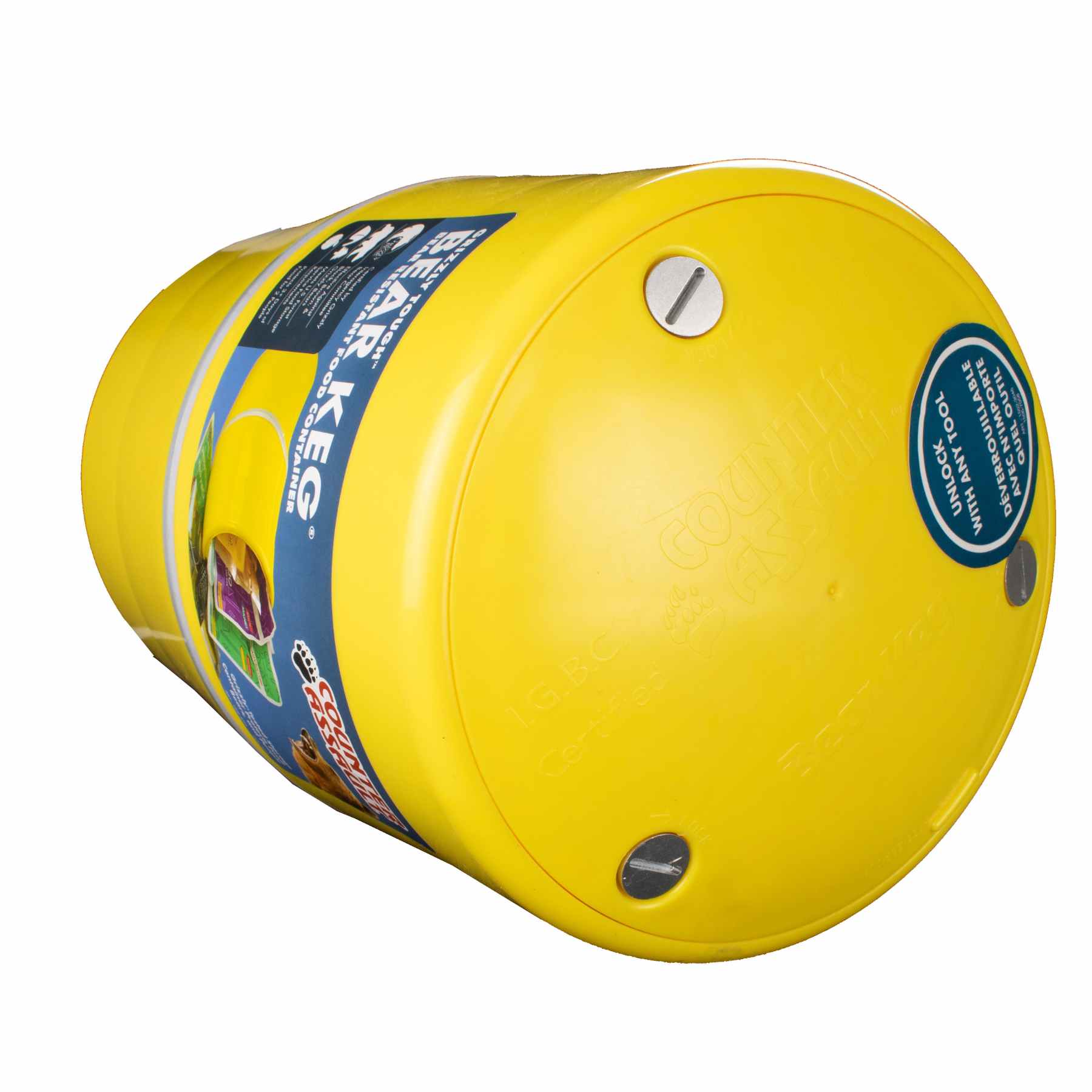
When food storage is part of the plan, proper containers matter. Counter Assault's bear-resistant food containers are worth considering for trips where wildlife pressure is high and clean storage can't be left to chance.
One more field reality matters. A careful group may still enter an area where another visitor has already left behind attractants. That's why wildlife awareness, route discipline, and readiness matter every time.
Expanding Our Impact Beyond Personal Habits
Individual cleanup helps immediately, but long-term change depends on group norms. When trail users, campground hosts, local businesses, and volunteer crews all treat litter as both an environmental problem and a wildlife safety problem, places stay cleaner.

Community habits shape trail conditions
A simple cleanup day can do more than remove trash. It teaches people what tends to accumulate, where it collects, and how quickly litter moves into water and vegetation. Volunteers also notice patterns that casual users miss. Trailheads gather snack packaging. Pullouts collect drink containers. Fishing access points gather line, bait containers, and food waste.
These efforts also help with wildlife conflict prevention. Cleaner public spaces mean fewer food rewards for scavengers. That principle applies to bears, coyotes, raccoons, gulls, and other opportunistic animals.
For readers thinking beyond bears, Counter Assault's article on how to protect against coyotes is a useful companion because it reinforces the same core idea. Human food and trash often shape wildlife behavior long before a direct encounter happens.
Small actions scale. One cleaned campsite prevents one food reward. Repeated across a season, that can change what animals expect from human spaces.
A short film can help community groups frame the issue for new volunteers:
Support systems that reduce waste upstream
Prevention works better than cleanup when people build it into what they buy and how they pack. Reusable containers, lower-waste meal planning, and less disposable packaging all reduce what can blow away, spill, or get abandoned. For groups that want to understand packaging choices better, this guide to sustainable food packaging gives practical context without drifting into jargon.
Businesses, outfitters, and event organizers can help too. They can provide better waste stations, post clear food-storage reminders, and choose products with less throwaway packaging. Families can adopt the same logic for road trips, trail lunches, and campground meals. Less loose packaging usually means less litter risk and fewer wildlife attractants.
Common Questions on Litter and Wildlife Safety
Can one small wrapper really attract wildlife
Yes. Small litter matters because wildlife responds to odor and residue, not just size. A 2024 study on urban litter patterns found that small-format litter such as cigarette butts and paper or cardboard accounted for over 80% of items in many areas. That's a reminder that the little things add up fast, and they're often the easiest for animals to investigate or for wind and rain to spread.
Why are cigarette butts such a problem
They're common, easy to overlook, and chemically active. They can leach harmful substances into soil and freshwater, and they often collect in exactly the high-traffic areas where people, pets, and wildlife overlap.
Does cleaning up litter really improve safety in bear country
It helps because it removes attractants and reduces the chance that wildlife associates people with food. It doesn't replace good travel habits, clean camps, or keeping distance from animals, but it supports all three.
Is bear spray an environmentally responsible option
Used correctly, bear spray is a non-lethal deterrent designed to stop an aggressive charge while reducing the chance of serious harm to both people and wildlife. It should only be used on bears, mountain lions, or coyotes in a real defensive situation, not on people and not as a casual repellent.
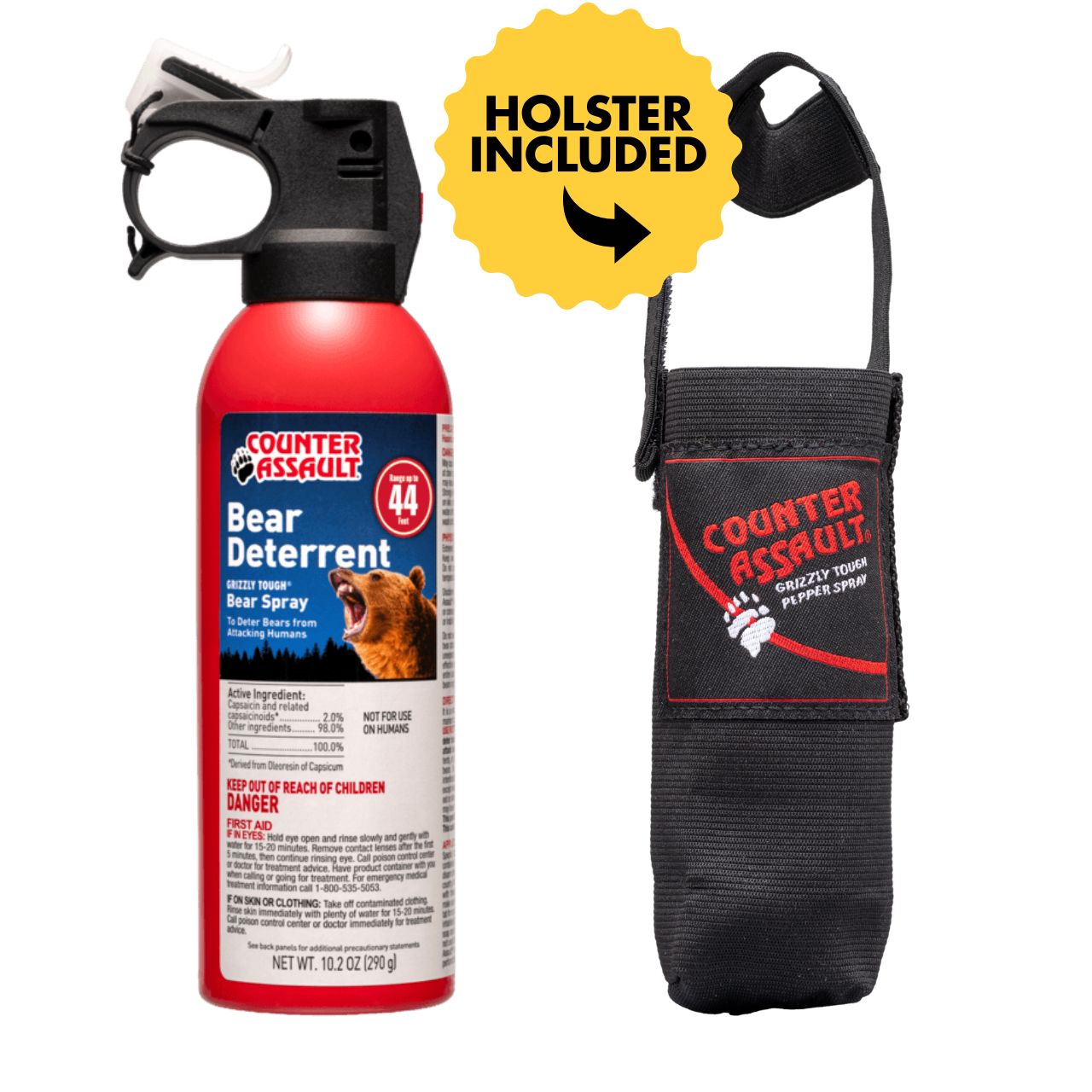
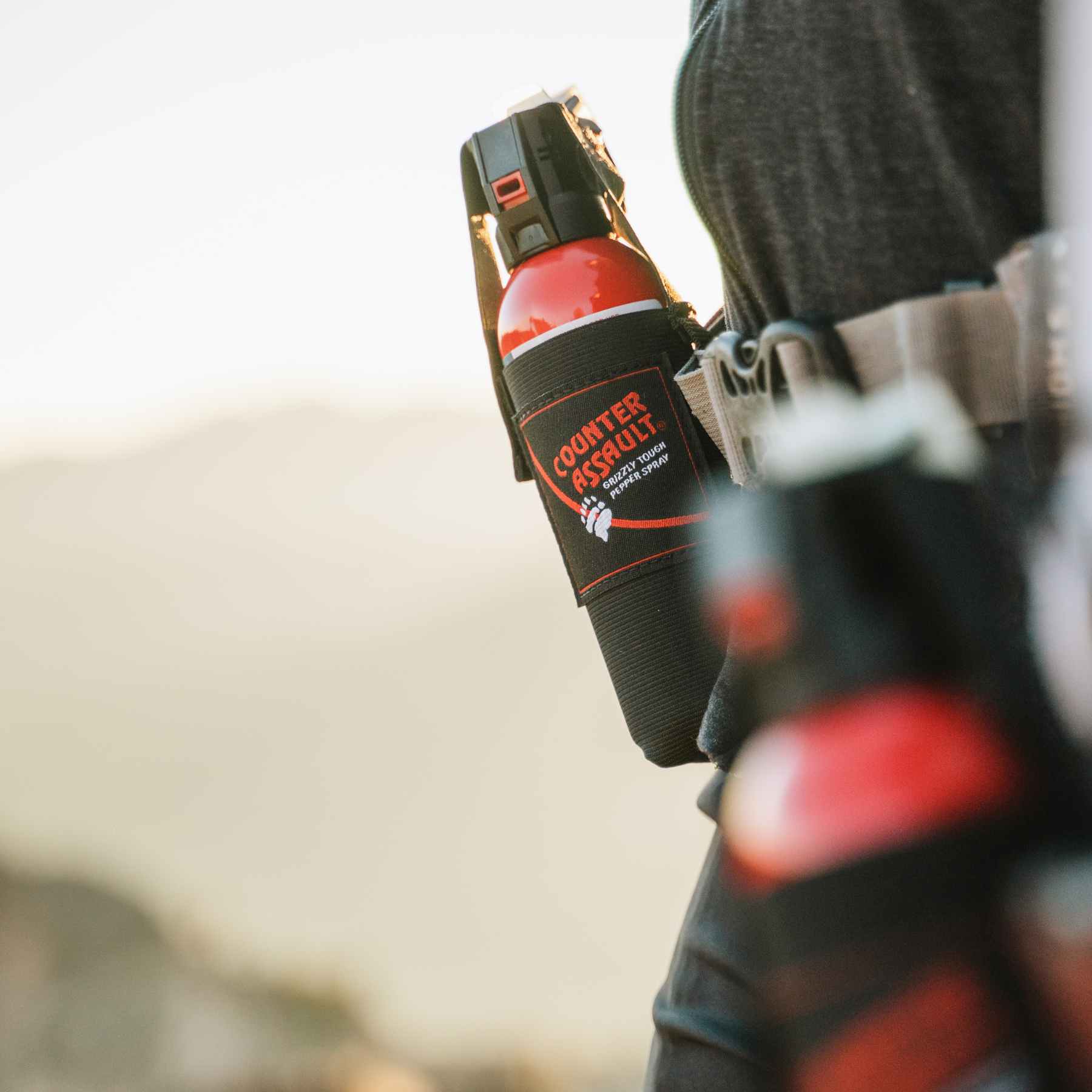
Counter Assault supports the same common-sense principle that keeps trails cleaner and wildlife safer. Prevention comes first, but preparation still matters. For hikers, campers, hunters, anglers, and anyone spending time in bear country, the Counter Assault 10.2 oz bear spray with holster offers a purpose-built, non-lethal deterrent for bears, mountain lions, and coyotes. It's made for real field carry, not as a weapon, and it belongs alongside responsible food storage, clean camp habits, and pack-it-out waste practices.