
A hiker rounds a bend, sees a deer trail cutting through timber, then notices a road sign warning of a wildlife crossing ahead. That small moment raises a bigger question. What are wildlife corridors, and why do they matter so much to the animals moving through the same country people hike, camp, and hunt in?
The short answer is that a wildlife corridor is a connected route that lets animals move between habitat areas that would otherwise be cut apart by roads, neighborhoods, fences, farms, or other development. In plain language, it's a travel lane for wildlife. Sometimes that lane is obvious, like a vegetated overpass above a highway. Sometimes it's less visible, like a riverbank, a strip of forest, or an undeveloped saddle between two larger habitat blocks.
That matters to conservation, but it also matters to public safety. Animals use connected habitats to find food, water, mates, seasonal range, and safer cover. Outdoor travelers who understand those movement patterns make better decisions about where they camp, when they make noise, how they store food, and why they stay alert in travel corridors used by bears, mountain lions, and coyotes. Anyone spending time in predator country should also understand practical encounter response, including guidance on how to protect yourself from coyotes.
Table of Contents
Your Introduction to Wildlife Corridors
Observers often first notice corridors without realizing it. They see elk tracks following a creek bottom, a game trail threading between subdivisions, or a fenced highway section that funnels animals toward an underpass. Those clues all point to the same reality. Wildlife needs room to move, and modern environments often interrupt that movement.
A wildlife corridor connects habitat patches so animals can travel between them instead of getting trapped in isolated pockets. Biologists often compare corridors to highways, but the comparison only goes so far. Animals aren't commuting on a schedule. They're trying to survive by reaching food, water, shelter, breeding grounds, and safer seasonal range.
That's where readers often get confused. A corridor isn't always a narrow strip of untouched land, and it isn't automatically a bridge over a road. It can be a broad forested band, a riparian zone along a stream, a restored grassland linkage, or a purpose-built crossing structure. The form changes with the land and the species using it.
Practical rule: If a landscape forces animals to stop moving naturally, conservationists look for ways to reconnect it.
For outdoor enthusiasts, that knowledge changes how a map is read. Saddles, drainages, river bottoms, and choke points aren't just scenic features. They're places where wildlife movement often concentrates. That doesn't make those areas dangerous by default, but it does mean hikers and campers should move through them with more awareness and better habits.
The Invisible Highways of the Wild
A healthy ecosystem depends on movement. Animals don't stay parked in one place for life. They disperse, search for mates, shift with the seasons, and respond to drought, snowpack, fire, and human disturbance. When roads and development slice habitat into pieces, corridors restore some of that lost motion.

Why animals need connected habitats
One of the clearest reasons corridors matter is genetic diversity. When populations stay cut off for too long, animals have fewer chances to find unrelated mates. Over time, that isolation increases the risks tied to inbreeding and weakens long-term population resilience. Connected habitat patches also retain 14% more species than unconnected ones, which directly supports the role of corridors in maintaining biodiversity and reducing isolation-related decline, as explained in this wildlife corridor overview from Mossy Earth.
Corridors also support migration and routine travel. Some species move long distances between summer and winter range. Others make more subtle shifts, using cover to reach water, denning areas, or better forage. A corridor gives them a safer line through a fragmented environment.
A third function is simple access. Animals need resources that rarely sit in one neat block. Water may be in one drainage, bedding cover on a north slope, and feeding habitat in an adjacent meadow. Connectivity lets those pieces work together.
What that looks like on the ground
A backpacker in canyon country may notice wildlife concentrating near riparian zones. A trail runner near a city edge may pass through a brushy pinch point where coyotes and deer also travel. Visitors curious about regional species can get a useful sense of how habitat and movement overlap by reviewing Grand Canyon wildlife before a trip.
That overlap is why corridors are called invisible highways. They may not appear on a road map, but animals use them consistently. Once that pattern becomes visible, a lot of backcountry advice makes more sense. Quiet creek bottoms at dawn, dense travel cover near roads, and narrow habitat linkages often deserve extra caution from people moving through them.
Corridors help wildlife behave like wildlife. They move, spread out, and use the landscape instead of getting boxed into shrinking islands of habitat.
How Corridors Create Resilient Ecosystems
Wildlife corridors do more than move individual animals from one place to another. They strengthen the whole ecosystem by giving species options when conditions change. A connected system can absorb disturbance better than a set of isolated habitat fragments.

Movement is the first test of success
The most direct measure of a corridor is whether animals use it. A meta-analysis found that wildlife corridors increase species movement between habitat patches by approximately 50% compared to isolated patches, a medium-to-strong effect that shows real value for dispersal and population resilience, according to this habitat corridor meta-analysis.
That kind of increase matters because movement is the gateway to everything else. If animals can't cross an area, they can't recolonize empty habitat, track changing conditions, or maintain healthier populations over time. Corridors don't solve every conservation problem, but they remove one of the most damaging barriers.
A resilient ecosystem also depends on many species doing ordinary work. Pollinators move pollen. Birds spread seeds. Predators influence prey behavior. Herbivores shape vegetation. When movement breaks down, those relationships weaken too.
Why resilience starts with options
Climate pressure adds another layer. As temperatures, moisture, and vegetation patterns shift, species need routes to more suitable areas. In a fragmented area, even short moves can become difficult if highways, subdivisions, or industrial corridors block the path. Connected habitat gives animals more than mobility. It gives them choices.
For readers who want a visual explanation of how connected environments function in practice, this short video is worth watching.
A simple comparison helps:
| Landscape condition | Likely result |
|---|---|
| Isolated habitat patch | Animals are more likely to remain cut off from mates, resources, and new habitat |
| Connected habitat patch | Animals have better chances to move, disperse, and reestablish populations elsewhere |
Field takeaway: A corridor works best when it functions as part of a larger connected landscape, not as a stand-alone strip on a planning map.
From Overpasses to Underpasses Types of Corridors
Some corridors are engineered. Others are restored or protected natural features that animals already prefer to use. Good corridor design matches the structure to the species, terrain, and obstacles involved.

Built crossings
The most visible examples are overpasses and underpasses. Drivers may know them as wildlife bridges or crossing tunnels. These structures guide animals across roads without forcing them into traffic. In places with heavy vehicle pressure, they're often paired with fencing that steers wildlife toward the crossing entrance.
Design details matter. To reduce edge effects and support strong movement for forest-using species, corridors should have a minimum width of 250 meters (about 820 feet). For road structures, larger box culverts intended for significant fauna should be at least 3 meters high and 10 meters wide, according to this fauna corridor assessment report.
That's a point many people miss. A crossing isn't just a hole under a road. If it's too small, too exposed, too noisy, or too narrow, animals may avoid it.
Natural and restored routes
Not every corridor needs concrete and steel. Some of the most important routes are riparian corridors, forest strips, ridgelines, hedgerows, and undeveloped valley bottoms that connect larger habitat blocks. Conservation groups often protect these areas through easements, land purchases, restoration work, and zoning that limits future fragmentation.
Different animals need different scales of connection:
- Smaller species may use relatively narrow cover, especially where vegetation stays dense and disturbance stays low.
- Larger mammals often need broader, quieter routes with enough room to move without feeling trapped.
- Predators usually require more continuous cover than species that tolerate open or human-dominated edges.
Banff National Park is often cited because it helped make wildlife crossing design familiar to the public. The lesson isn't only that crossings can look impressive. It's that they work best when planners treat them as habitat, not just transportation add-ons.
Some of the best corridor design is easy to miss from the road. That's usually a good sign. Wildlife tends to prefer crossings that feel like normal habitat.
Corridors Conflict and Staying Safe Outdoors
Good corridors help wildlife move. That's the point. It also means animals may use the same drainages, saddles, creek bottoms, and brushy travel lanes that hikers, hunters, anglers, and campers like to use. For outdoor safety, that reality should prompt preparation, not panic.

Why good habitat can mean more encounters
Large carnivores need especially substantial movement routes. Corridors intended to sustain animals such as grizzly bears and mountain lions may need to exceed 1,000 meters (3,280 feet) in width, as noted in this discussion of wildlife corridor width thresholds for large carnivores. In practical terms, that means some of the best-connected country is also the kind of country where people should expect sign, scent, and occasional close wildlife presence.
That isn't a reason to oppose corridors. It's a reason to travel more carefully through them. A hiker who understands animal movement is less likely to surprise wildlife at a blind corner, less likely to leave food odors around camp, and more likely to recognize why a creek-bottom campsite can attract animal traffic after dark.
A few simple habits lower risk considerably:
- Hike in groups when possible. Groups are noisier and tend to be more intimidating to bears.
- Make noise before tight turns or in dense cover. That gives wildlife a chance to avoid people.
- Avoid hiking at dawn or dusk in grizzly country when possible. Those periods often increase animal activity.
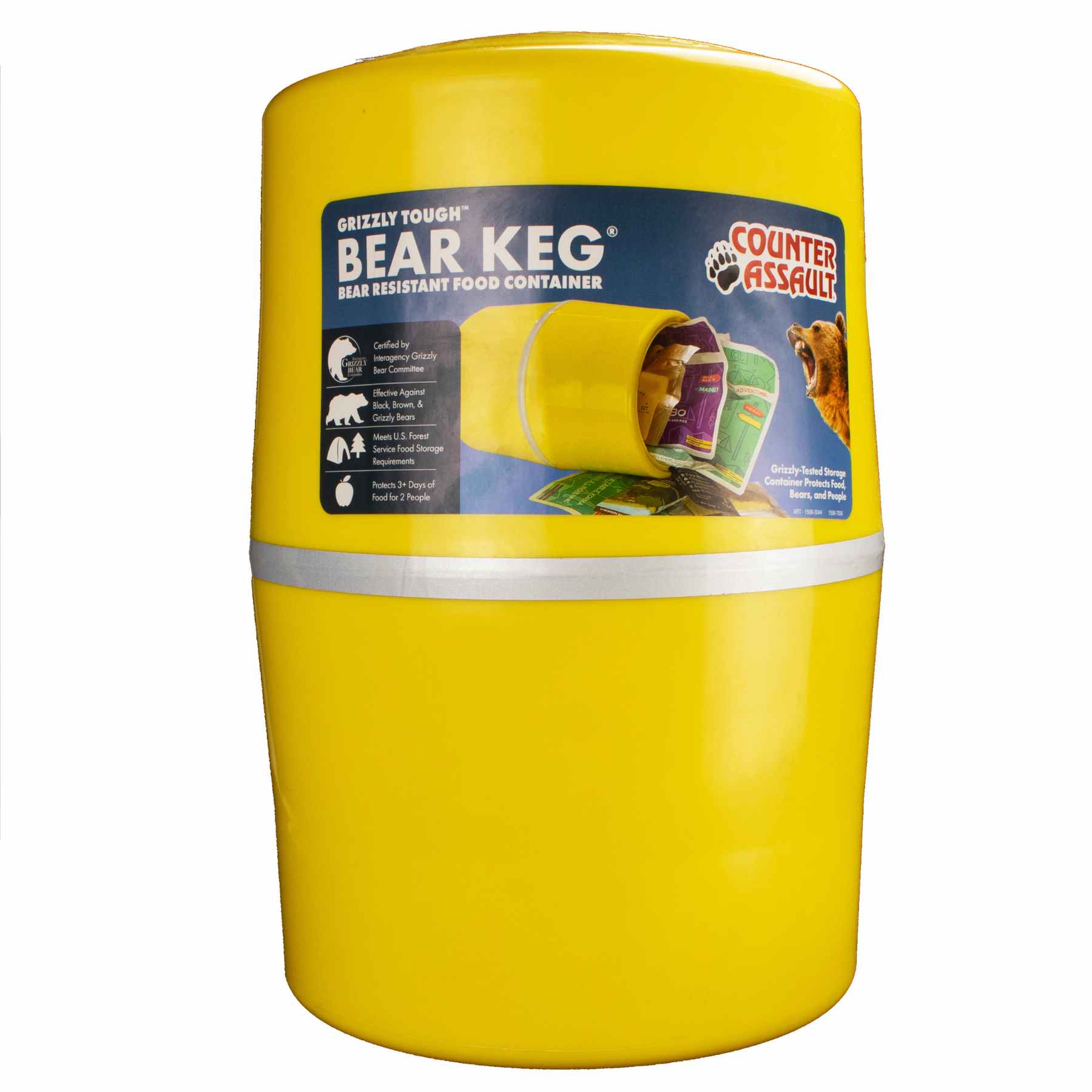
- Keep a clean camp. Food, trash, and scented items should be controlled and stored properly. Bear-resistant storage matters, and so do purpose-built bear-resistant food containers.
- Don't push in for photos. Distance is one of the best safety tools in the field.
Field habits that reduce risk
Camp routine matters as much as trail behavior. A well-lit cooking area helps people notice spilled food, dropped wrappers, and gear left out overnight. Simple camp tools can support that discipline. A compact lantern from LuminAID can make food prep and cleanup easier after dark, and a backcountry-ready first aid kit from Adventure Medical Kits belongs in any serious travel kit.
If an encounter happens, the response should stay calm and deliberate. People should not run. They should avoid direct eye contact, stand their ground, speak in a normal voice, and slowly back away if the animal isn't charging. If the animal acts aggressively, they should prepare deterrent spray immediately.
Bear spray should only be used when a bear is charging or acting aggressively enough that a charge seems likely. It should never be sprayed on people, gear, or campsites. It is not a repellent for casual use, and it is not a weapon for use on people. It is intended as a non-lethal deterrent for bears, mountain lions, and coyotes.
A practical deployment sequence is straightforward:
- Remove the safety clip.
- Aim slightly downward toward the animal's path.
- Begin spraying when the animal is about 30 to 60 feet away, creating a cloud in front of it.
- Continue until the animal breaks off.
- Leave the area as soon as it's safe to do so.
Calm behavior and clean camp habits prevent many problems. Preparedness covers the rest.
How You Can Support Wildlife Corridors
Supporting wildlife corridors doesn't require a biology degree or a land trust budget. It starts with backing projects that protect real connectivity on the ground, then paying attention to whether those projects stay functional over time.
Support the right projects
Funding for corridors has grown, but money by itself doesn't guarantee a working result. A corridor investment analysis notes that global investment rose from about $1.1 billion in 2018 to $2.1 billion in 2025, and in Switzerland over 57% of inventoried corridors showed noticeably to heavily affected functionality, which underscores how design and long-term management matter as much as funding, according to this wildlife corridor investment and functionality review.
That means the most useful support often goes to groups and policies that do more than announce a project. They secure land, restore habitat, maintain crossings, reduce fencing problems, and monitor whether animals use the route.
Practical ways to help include:
- Back local land protection efforts. Easements and strategic land purchases often keep key bottlenecks from being developed.
- Speak up on transportation planning. Highway projects and subdivision proposals can either protect movement routes or cut them apart.
- Join citizen science efforts. Camera trap work, track surveys, and local wildlife reporting can help identify movement zones.
- Reduce everyday wildland damage. Trash and litter degrade habitat quality and create avoidable hazards. This piece on how litter affects the environment is a useful reminder that small daily habits affect wild systems too.
Start close to home
People with yards, small acreage, or shared community space can also help at a local scale. Native vegetation improves cover, food sources, and movement opportunities for many species. For readers interested in practical landscaping choices, this guide on how to attract wildlife with native plants offers a useful starting point.
The best public attitude toward corridors is steady and realistic. Wildlife needs connected habitat. People need informed habits. Both can exist together when communities protect movement routes and outdoor users behave like they're traveling in an active animal environment, because they are.
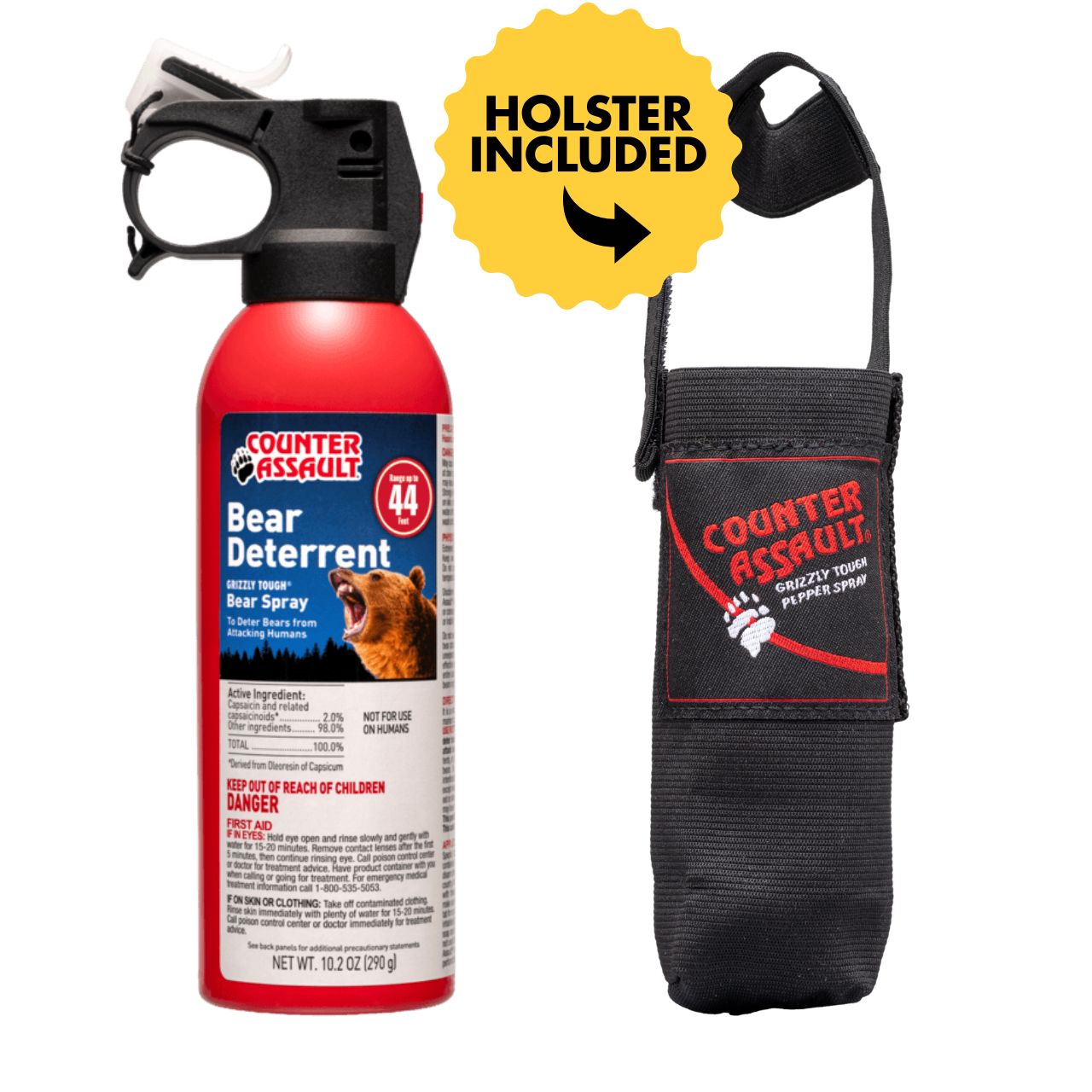
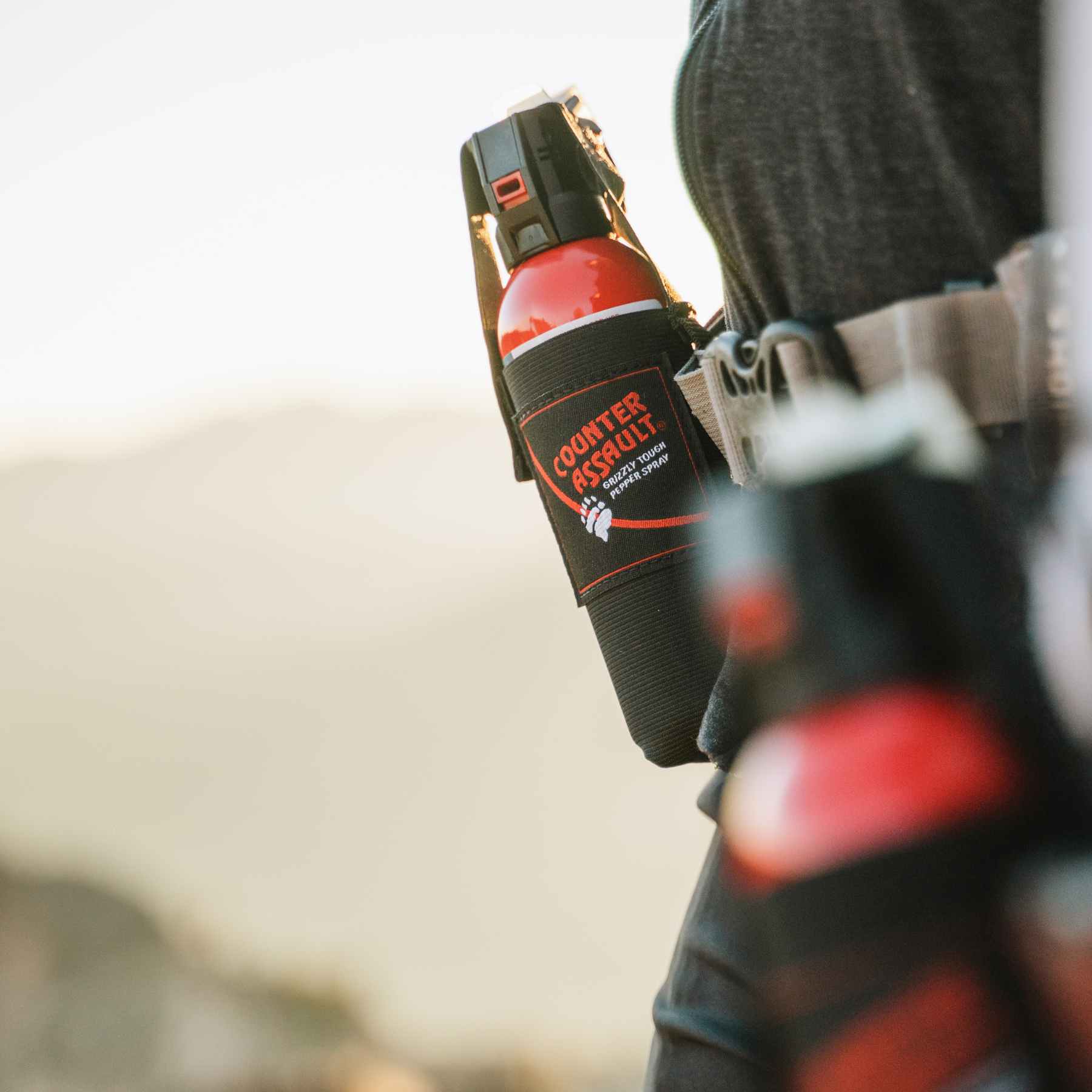
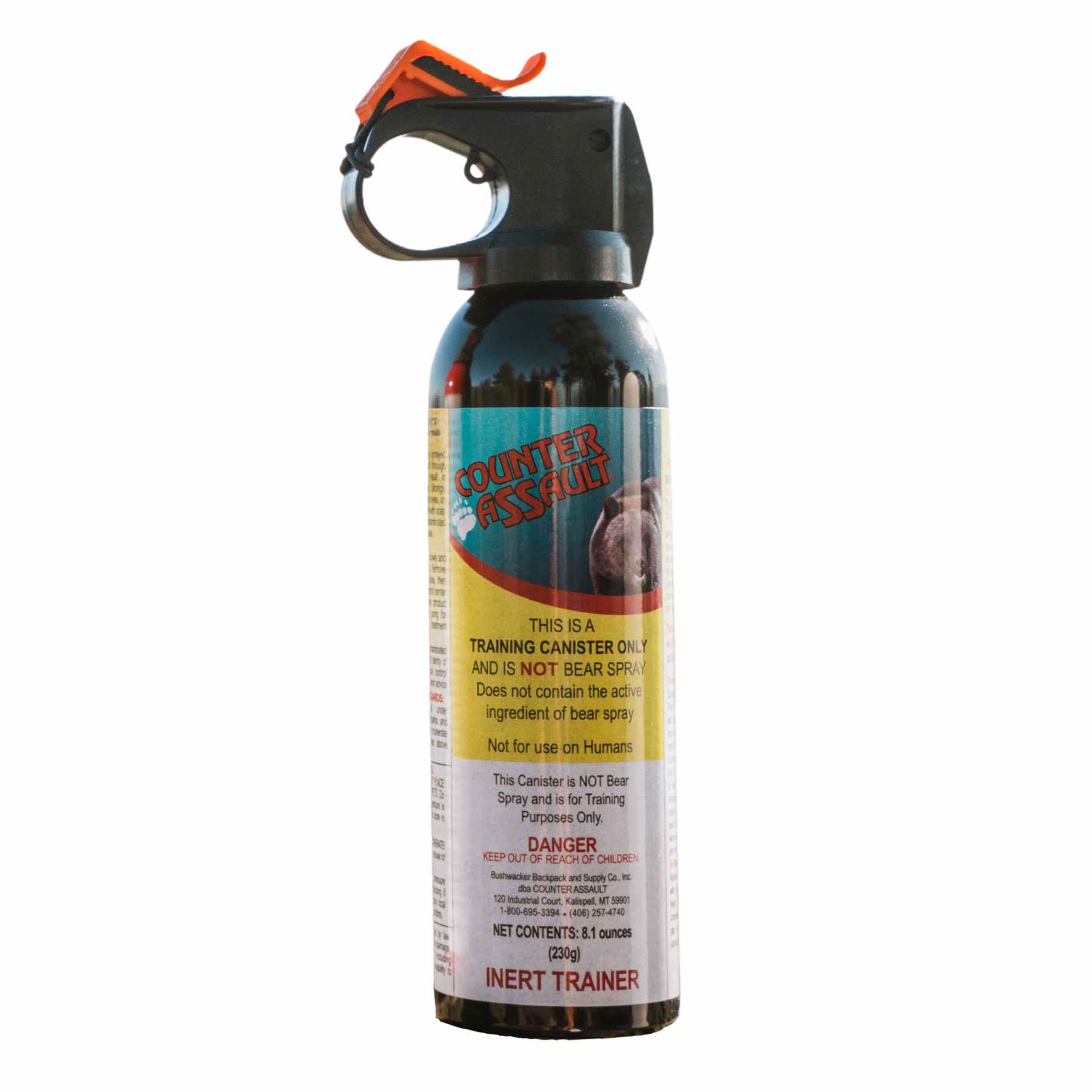
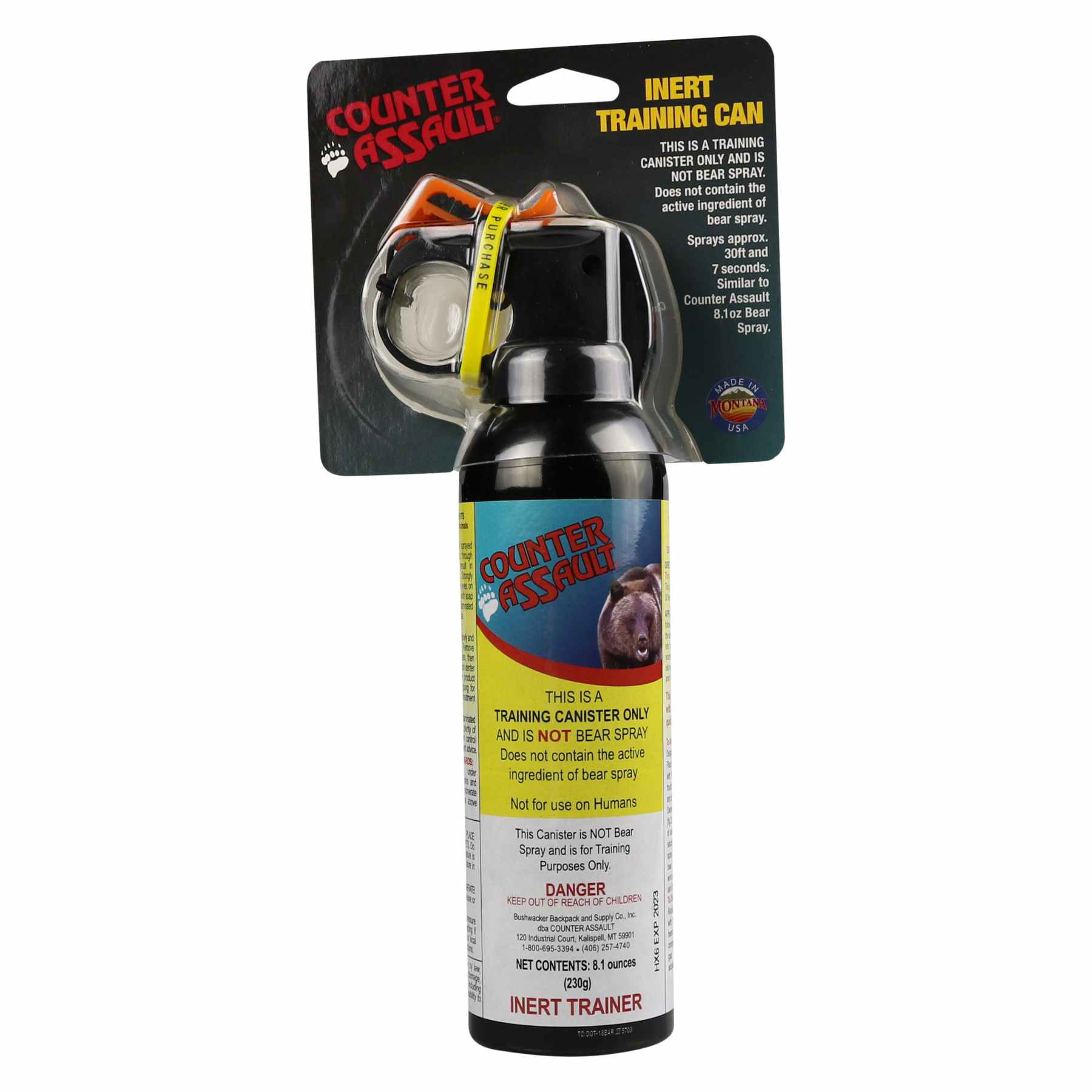
Counter Assault helps outdoor travelers prepare for that reality with bear safety gear built for non-lethal protection in serious wildlife country. The flagship 10.2oz 44-foot bear spray with holster is made in Montana, effective on all bear species, and also intended for mountain lions and coyotes. It delivers the farthest-reaching bear spray range available, uses a maximum 2% capsaicin formula, and is trusted by outdoor professionals who need dependable performance when safety matters most.