
Before anyone zips a tent, loads the cooler, and heads for the trailhead, the same question hangs over the trip, what happens if the day goes sideways? A campsite can feel calm right up until a stove flares, a storm rolls in, or a bear cuts across the trail at dusk. That's why a camping safety checklist is not padding, it's the difference between a manageable problem and a trip that turns into an emergency.
The best checklists work as a system, not a pile of random gear. Public guidance keeps pointing back to the same basics, plan ahead, bring the right equipment, respect wildlife, and arrive with enough daylight to set up safely (U.S. National Park Service camping safety, USDA Forest Service camping guidance).
This list stays practical. It moves through the phases that matter, before departure, on the trail, at camp, and in an encounter. It also centers the one piece of wildlife gear that belongs within arm's reach in bear country, not buried in a pack.
Table of Contents
- 1. Carry Bear Spray as Your Primary Bear Deterrent
-
3. Avoid Hiking During Dawn and Dusk When Bears Are Most Active
- 5. Know What to Do During a Bear Encounter
-
6. Carry Essential Camping Safety Equipment Beyond Bear Spray
- 7. Understand Bear Spray Myths and Misconceptions
-
8. Respect Wildlife Habitats and Practice Ethical Outdoor Ethics
- 10-Point Camping Safety Comparison
- Pack Smart, Stay Safe, and Respect the Wild
1. Carry Bear Spray as Your Primary Bear Deterrent
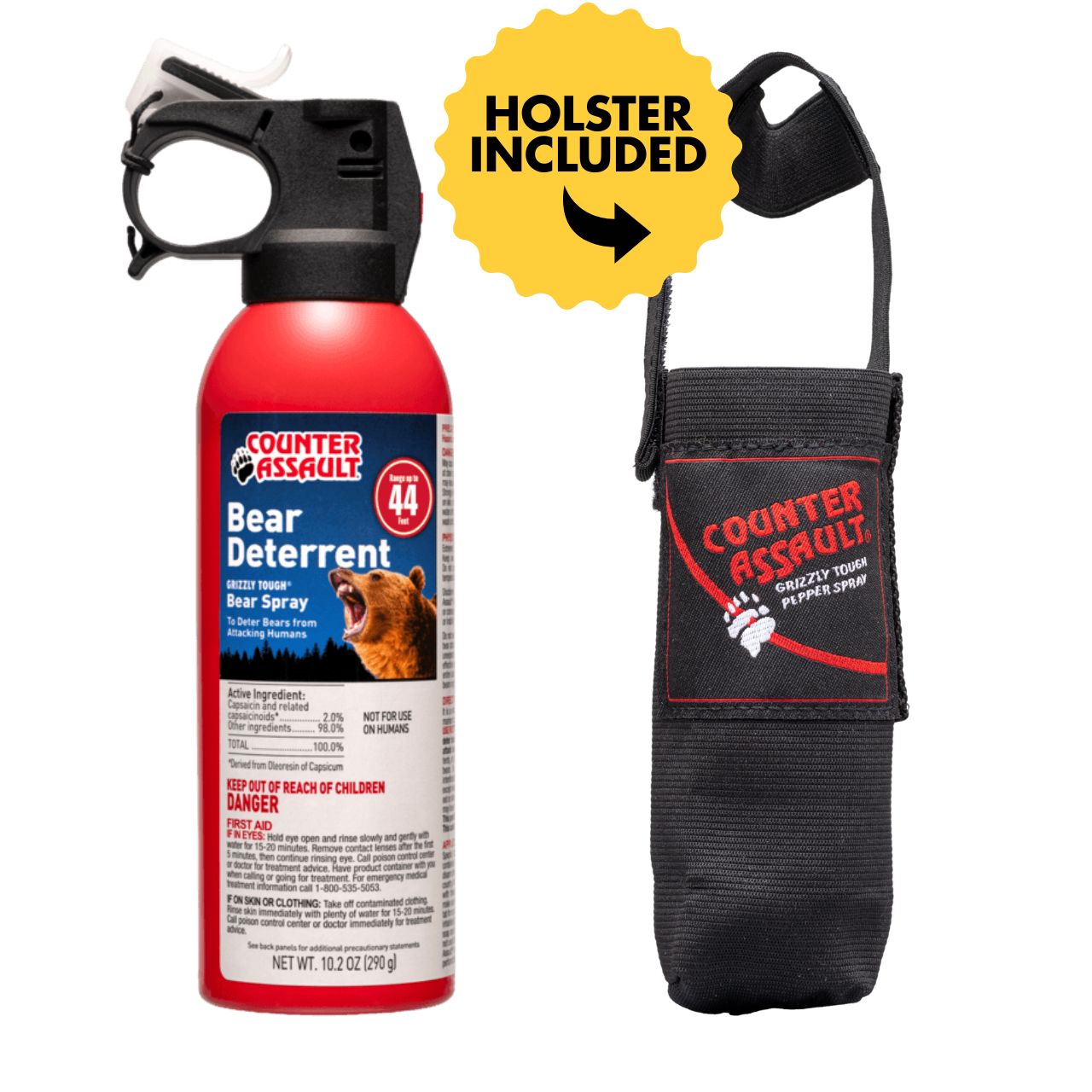
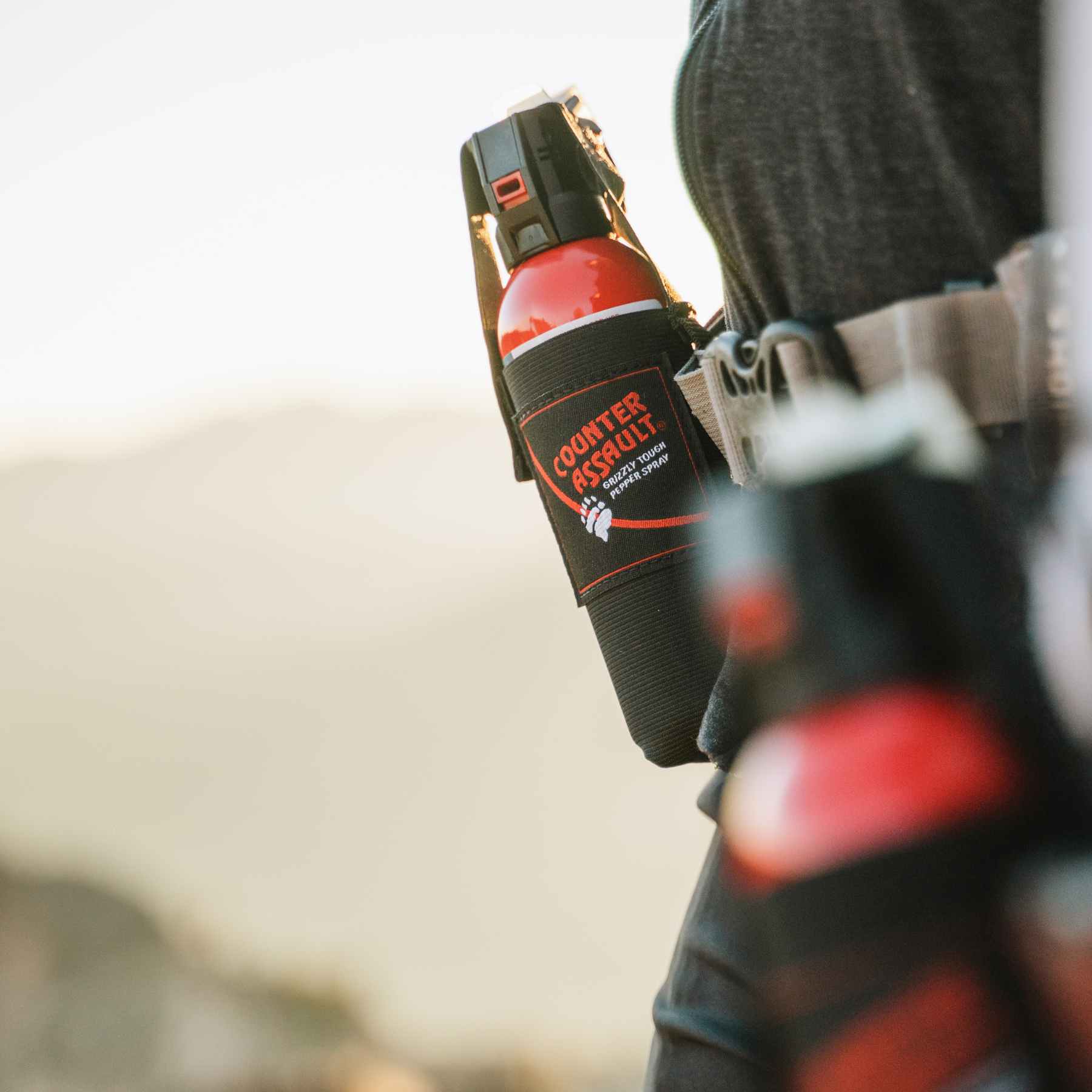
A bear encounter leaves no room for hesitation. The spray needs to ride where a hand can reach it fast, usually on a hip belt or chest-access holster, not buried under food, rain gear, or anything else you might have to dig through under stress. That placement matters more than brand claims because speed is the key trade-off in bear country.
Counter Assault's 10.2oz bear spray with holster is built for that job, with a canister meant for non-lethal deterrence in an encounter with a bear, mountain lion, or coyote. If you want a plain-language breakdown of how to choose a canister and carry system, see this guide to choosing the right bear deterrent spray for field use.
The value of a spray-first setup is distance. Counter Assault says the can projects up to 44 feet, which gives you more reaction room than a short-range tool when an animal closes in fast. The brand also notes a 2% capsaicin formula and manufacturing in Montana, details that matter because you want a deterrent designed for quick deployment, not a general-purpose aerosol.
Practical rule: If the spray is inside a pack, it is in the wrong place.
That rule holds because bear country does not reward good intentions. The U.S. Park Service tells campers to plan ahead, research park-specific risks, follow staff warnings, and choose the right equipment, and it warns, “Do NOT feed wildlife under any circumstances” (U.S. National Park Service camping safety). In the field, the bear spray stays on your body, not in storage, because the first seconds of an encounter decide how much room you have to back away, speak calmly, and avoid a close-range mistake.

2. Maintain a Clean Camp and Store Food Properly
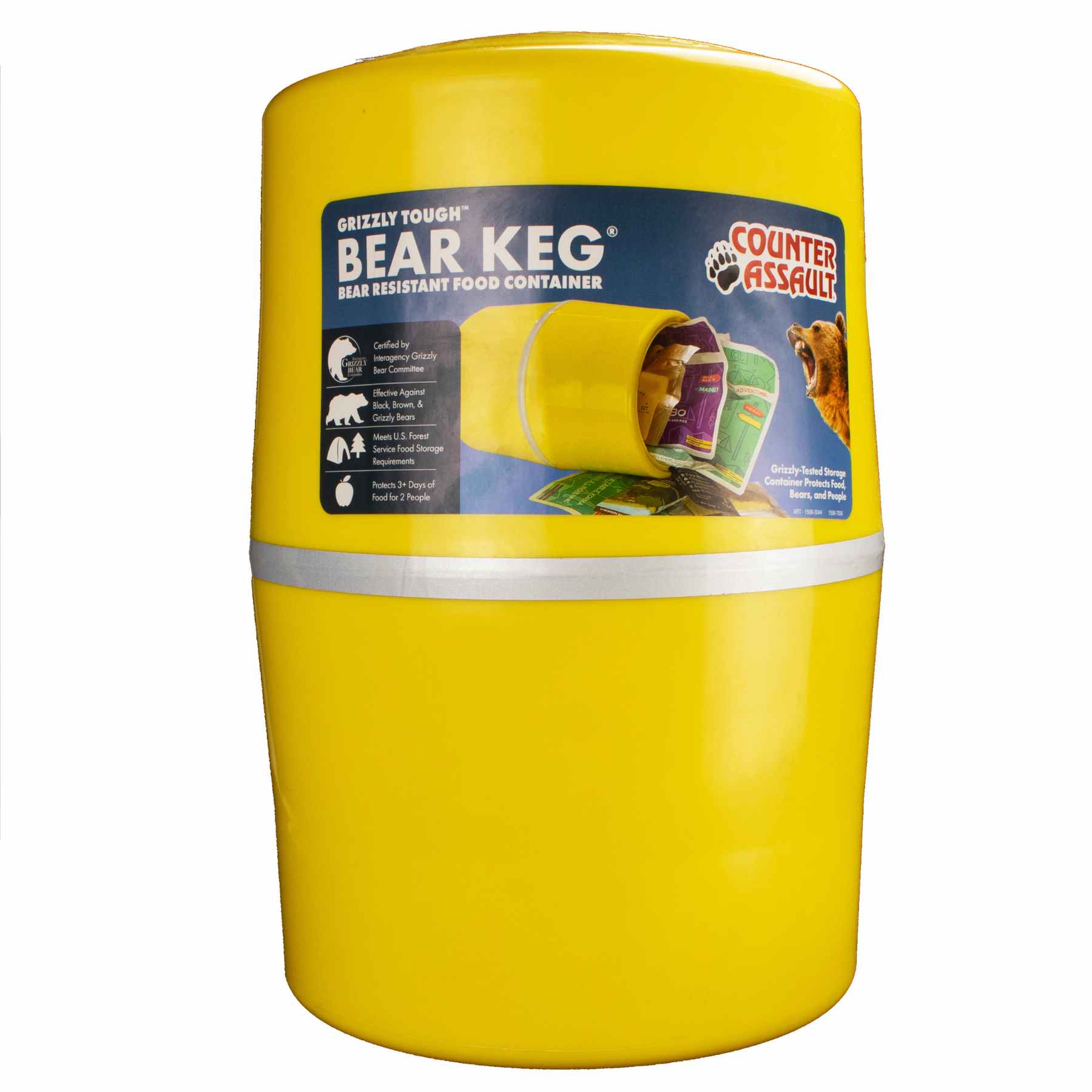
A camp can look orderly and still invite trouble. Food scraps, trash, toiletries, sunscreen, insect repellent, and pet food all leave odors that pull wildlife toward camp and teach animals that people mean an easy meal. The National Park Service puts the rule plainly, do not feed wildlife under any circumstances (NPS camping safety).
Clean camp habits are risk control. Keep attractants packed away before dark, and store anything scented where it cannot reach the tent, the fire ring, or the cooking area. The same logic shows up in Counter Assault's food storage guidance, which focuses on keeping food and other attractants out of camp traffic and away from sleeping space.
What belongs away from the sleeping area
- Food and cookware. Do not cook, eat, or store food in the tent.
- Toiletries and scent-heavy items. Sunscreen, soap, bug spray, and trash all belong with the rest of your attractants.
- Pet food. Dogs change the camp routine, not the bear's behavior.
- Dirty dishes and spills. Clean them fully and immediately.
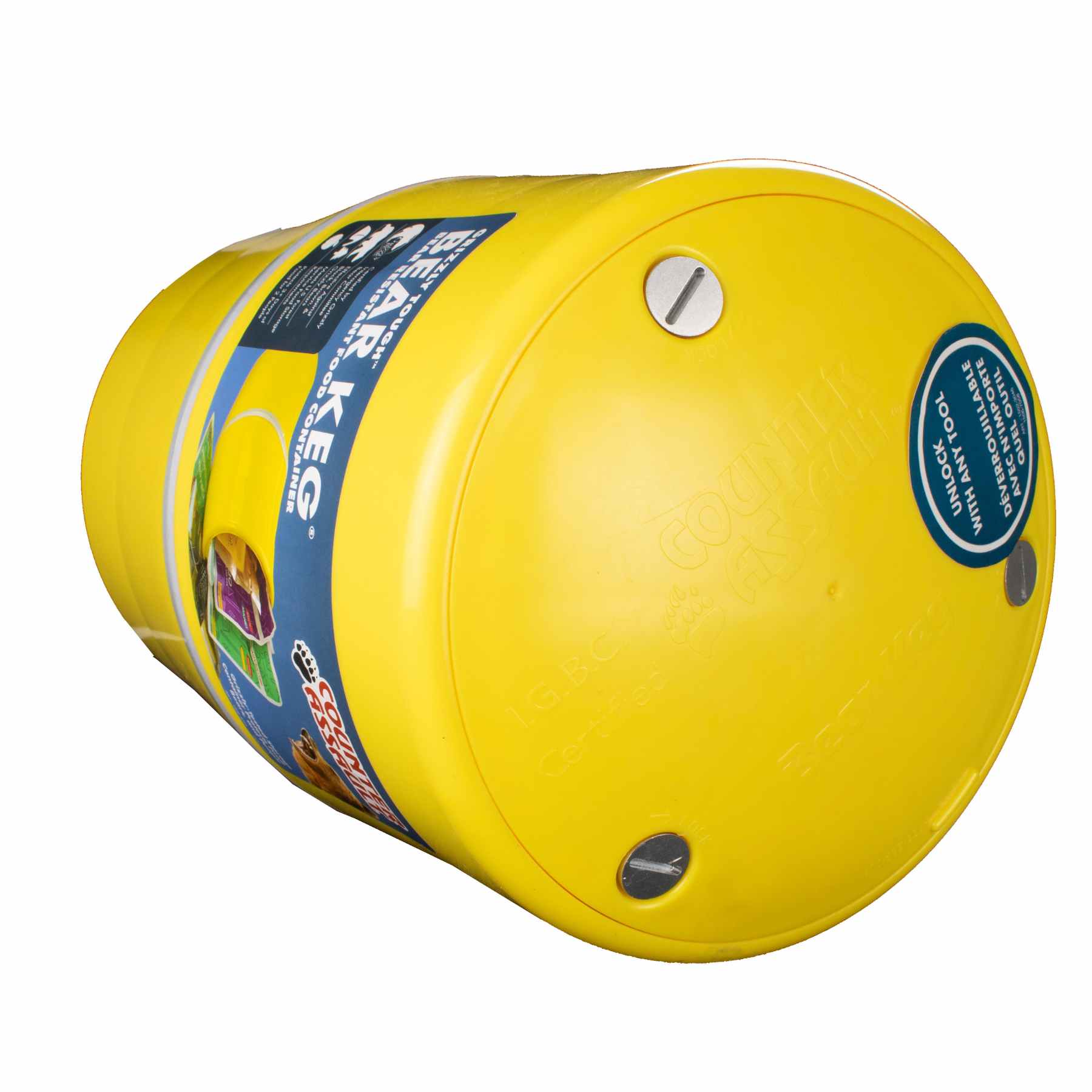
Bear-resistant storage is the first choice where it is available. If you do not have that option, use approved hanging methods or vehicle storage where local rules allow it. The trade-off is simple. A camp that leaves scent out overnight gives wildlife a reason to circle back, while a camp that locks attractants away reduces that pressure before a problem starts.
3. Avoid Hiking During Dawn and Dusk When Bears Are Most Active
Timing is one of the cheapest ways to lower risk. Wildlife movement often picks up in the twilight hours, and low light makes it harder to spot tracks, brush movement, and trail hazards. If you can plan your hiking for mid-morning through mid-afternoon, that is usually the safer choice.
The USDA Forest Service says to arrive early enough to inspect the site and set up before dark, and the University of Rochester gives the same daylight-first advice for camp setup (USDA Forest Service camping guidance). That same daylight rule matters on the trail. Better visibility helps hikers notice uneven ground, water crossings, and wildlife sign before they commit to a narrow route.
A campsite reached in daylight is easier to judge. A hiker who finishes before dusk has more room to change plans if the route feels wrong, the weather shifts, or the terrain slows everyone down. Seasoned trip planners avoid pushing mileage to the edge of darkness for exactly that reason.
Better timing habits
- Start with full daylight. Do not leave the trailhead so late that setup gets rushed.
- Return before dusk. Leave a margin for slow footing, weather, and wrong turns.
- Use local sunrise and sunset times. Daylight changes quickly with the season.
- Carry bear spray regardless of time. Better timing lowers risk, but it does not remove it.
If an early start is unavoidable, wait for full light instead of moving out in half-dark. Poor visibility is where campers miss warning signs and walk into avoidable problems.
4. Know Proper Bear Spray Deployment Technique and Practice
Bear spray only helps if you can use it under stress without hesitating. The can should already be accessible, the safety clip should come off fast, and the spray should go slightly downward toward the front of the charging animal. The aim is to put a cloud in the bear's path at close range, then keep spraying until the charge stops. Counter Assault bear spray with holster makes that access easier because the can stays on the body instead of buried in a pack.
Stress changes hand control, breathing, and judgment. A camper who has practiced drawing the can, finding the clip, and aiming without looking is less likely to fumble when footing is poor and the animal is closing fast. That practice should feel plain and repetitive, because repetition is what turns a fast decision into a usable response. A holster on the hip or chest keeps the spray ready when a pack is on the ground or already off balance.
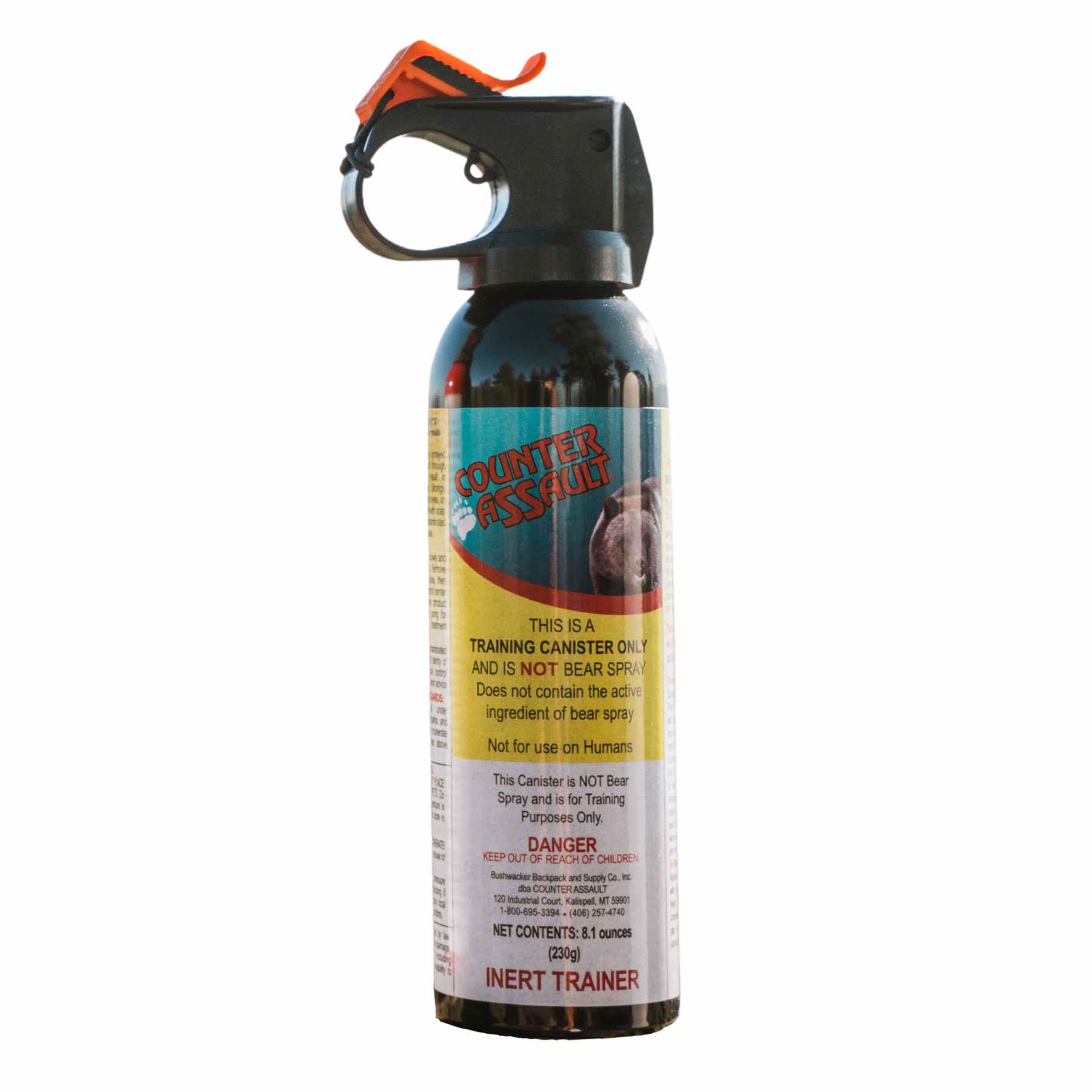
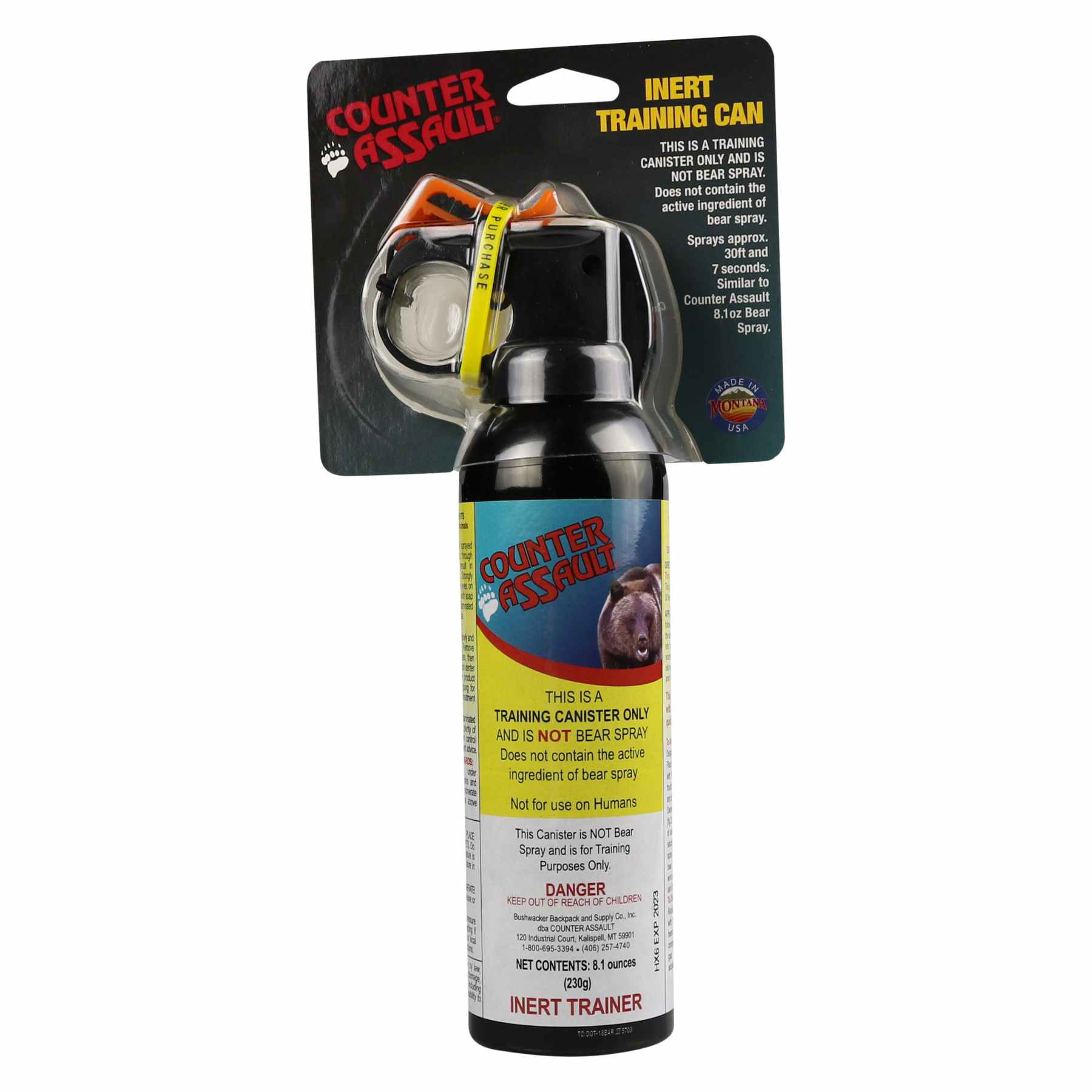
Practice the motion before the trip, then repeat it until it feels automatic. The sequence matters more than confidence.
- Remove the safety clip. Do it only when the bear is charging or acting aggressively.
- Aim slightly downward. Put the spray in the animal's path.
- Use a sweeping cloud. Do not wait for a tiny target.
- Keep spraying if the charge continues. If needed, direct the spray into the face.
- Leave once the bear retreats. Do not stand there filming or calling for others.
If you want a clearer field response plan, read what to do if you see a bear before you head out. That kind of preparation matters because there is no time to figure out the sequence during a real encounter. In the moment, slow hands and clear steps beat panic every time.
The sequence worth rehearsing
- Remove the safety clip. Do it only when the bear is charging or acting aggressively.
- Aim slightly downward. Put the spray in the animal's path.
- Spray in a sweeping cloud. Don't wait for a tiny target.
- Keep going if needed. If the charge doesn't stop, spray directly into the face.
- Leave immediately once the animal retreats. Don't stand and film.
The Misawa Air Force fact sheet notes that improper use of camping gear, especially fuel-burning appliances, can create serious hazards, including carbon monoxide exposure in enclosed spaces, which is another reason gear practice matters across the whole checklist, not just with wildlife tools (Misawa camping safety fact sheet). The broader principle is the same. A tool isn't protection until the user can reach, understand, and deploy it under pressure.
Practice should be dry, not sprayed into the wind as a test. The can stays intact, the motion gets rehearsed, and the user learns the feel of the safety clip before it matters.
5. Know What to Do During a Bear Encounter
A bear encounter is a field problem, and field problems punish hesitation. Keep your voice steady, avoid sudden movement, and give the bear space while you back away slowly and at an angle if it is not charging.
Your posture matters just as much as your words. If the bear closes distance, stand your ground, raise your arms or hold something overhead to look larger, and get your spray ready without losing control of the situation. If the bear stops advancing, keep moving back slowly and leave it an opening to disengage.
That same calm, controlled response is the point of the Counter Assault guide on what to do if you see a bear. Short actions, clear distance, and immediate readiness keep the encounter from turning into a panic response.
Practical rule: A calm voice and a slow retreat work better than frantic movement.
Running is a bad bet. It can trigger chase behavior and makes clean spray use harder. Climbing a tree does not solve the problem either, and it can leave the person in a worse position if the bear stays nearby.
Keep the bear in sight if it is not charging, and move away without backing yourself into a corner. If it does charge, the spray should already be in hand. This step belongs in the checklist before the trip starts, along with the rest of the safety system, from food storage to gear choices like choosing hiking insoles that keep you steady when the ground is uneven.
6. Carry Essential Camping Safety Equipment Beyond Bear Spray
Bear spray covers wildlife conflict. The rest of the kit handles the everyday stuff that can still go wrong after dark, in rain, or on a remote trail. A practical camping safety checklist includes a real first aid kit, emergency lighting, signaling gear, insect protection, and backup shelter or warmth.
For first aid, a trail-focused kit from Adventure Medical Kits is a smart fit because it keeps care organized instead of dumped into a household box. For lighting, LuminAID's solar lanterns are useful around camp where softer area light helps people move without wasting headlamp batteries. For bug pressure, Ben's 30 DEET options or Natrapel repellent belong in the pack, and After Bite aftercare makes sense when bites still break through.
A strong supporting kit usually includes
- First aid supplies. Wound care, blister treatment, medications, and gloves.
- Emergency light. Headlamp, lantern, and spare batteries.
- Signaling gear. Whistle, map, compass, and offline navigation backup.
- Shelter backup. Space blanket or compact emergency shelter.
- Insect control. Repellent and aftercare products.
- Water and repair items. Treatment, tape, cord, and a multi-tool.
These items matter because small problems compound outdoors. A minor cut can turn messy, a dead headlamp can make camp movement risky, and a missed trail junction can drag a simple outing into a cold, stressful night. The smartest kits stay organized by use, not by brand or by whatever fit into the spare pocket.
Survive Outdoors Longer also fits well here for emergency shelter and preparedness items, especially for campers who travel where weather changes fast. That kind of gear doesn't replace good judgment, it gives judgment time to work.
7. Understand Bear Spray Myths and Misconceptions
Bad advice spreads fast in outdoor circles, and bear spray picks up plenty of it. One common myth says firearms are the better option. Verified field guidance points the other way. A 2008 study found bear spray was 90% effective at stopping bear attacks, while firearms were 84% effective, and the same study reported 98% unharmed by the bear when spray was used (Misawa camping safety fact sheet).
Another myth says bear spray does not work. Alaska incident data pushes back hard on that, with 72 incidents involving 175 people and only three people harmed after deploying bear spray, none seriously (Alaska bear spray incidents summary). The point is simple. The tool is not magic, but it has a real record in the field when people carry it where they can reach it and use it correctly.
Wind gets blamed too often. In real camps, terrain matters, trees break up airflow, and the bigger risk is delayed reaction or poor placement. Bear spray belongs on the person who can deploy it fast, not buried in a pack or treated like a backup for bad habits.
Bear spray is for wildlife defense, not for people, and not as a general-purpose spray on gear or clothing.
Before you go, a safety checklist should also cover how you store pet gear and food around camp, since attractants pull in wildlife just as quickly as human snacks do. Nandog Pet Gear safety tips are useful here because they reinforce the same field rule that keeps campers safer. Keep scent sources controlled, keep deterrents accessible, and do not rely on confidence alone.
Counter Assault's position as a bear-focused brand fits the humane side of the equation. Non-lethal deterrence protects both the user and the animal, which is the standard that matters in camp, on trail, and near property edges.
8. Respect Wildlife Habitats and Practice Ethical Outdoor Ethics
Safety doesn't stop at self-protection. Campers who treat wildlife habitats as somebody else's living space reduce conflict before it starts. That means using established sites when possible, packing out waste, controlling attractants, and refusing the shortcut of feeding or crowding animals for entertainment.
Ethics matter because animals adapt to human behavior fast. When bears learn that people equal food, they lose the natural caution that keeps everyone safer. Public guidance already draws that line clearly, including the National Park Service warning not to feed wildlife and the long-standing emphasis on spacing, planning, and staff warnings (NPS camping safety).
Counter Assault's camping safety gear guide makes the same practical point in gear terms. A clean camp, a quick-access deterrent, and an organized response plan work better together than any one item on its own. That's also why Leave No Trace habits and wildlife safety aren't separate conversations, they're the same conversation from different angles.
Ethical habits that protect the next camper too
- Pack out everything. Trash, scraps, wrappers, and food waste all count.
- Use established sites. Reduce unnecessary disturbance where possible.
- Report unusual behavior. Animals that lose fear of humans need ranger attention.
- Keep pets and children close. Ethical choices still need physical control.
- Model distance. Other campers learn from what's tolerated.
The best camps leave the area looking untouched and leave wildlife behaving naturally. That's the standard that keeps public land usable and keeps future encounters from becoming more dangerous than they need to be.
10-Point Camping Safety Comparison
| Strategy | 🔄 Implementation Complexity | ⚡ Resource Requirements | ⭐ Expected Effectiveness | 📊 Ideal Use Cases | 💡 Key Advantages / Tips |
|---|---|---|---|---|---|
| Carry Bear Spray as Your Primary Bear Deterrent | Moderate, requires practice and quick access | Moderate, purchase (spray + holster); periodic replacement | High, ~90% effective in studies | Close-range aggressive encounters; hiking/camping in bear country | Non-lethal, long range (44 ft); store in hip holster and practice draw |
| Hike in Groups and Make Noise to Avoid Bear Encounters | Low, behavioral coordination among group | Low, no special gear (optional bear bells) | High, reduces surprise encounters significantly | Trails with limited visibility, dense vegetation, blind corners | Safety in numbers; talk/clap/use bells; brief group on procedures |
| Maintain a Clean Camp and Store Food Properly | Moderate, planning and consistent habits | Moderate, bear-resistant containers or hoist equipment | Very High, greatly reduces campsite attractants | Overnight camps, basecamps, campgrounds | Use approved bear canisters/hang food 12ft high; pack out trash |
| Avoid Hiking During Dawn and Dusk When Bears Are Most Active | Low, schedule adjustment | Minimal, planning only | Moderate-High, lowers encounter probability by timing | Flexible-day hikes; areas with known dawn/dusk activity | Hike mid-morning to mid-afternoon; increase noise if unavoidable |
| Keep Your Distance from Wildlife and Never Approach Bears | Low, requires discipline and awareness | Minimal, binoculars/telephoto optional | High, prevents approach-caused incidents | Wildlife viewing, trails in known bear habitat | Maintain ≥100 yards; use optics; teach companions distance rules |
| Know Proper Bear Spray Deployment Technique and Practice | Moderate-High, regular training to build muscle memory | Low, practice draws, training courses recommended | High when trained, success rate improves | Users carrying spray; high-stress encounters | Practice draw/remove safety; aim 30-60 ft, sweep to form cloud |
| Know What to Do During a Bear Encounter | Moderate, mental rehearsal and controlled response | Minimal, training/briefing | High, reduces escalation and injury risk | Unexpected close encounters | Do not run; speak calmly, back away sideways, prepare spray |
| Carry Essential Camping Safety Equipment Beyond Bear Spray | Moderate, packing and knowledge of items | High, first aid, lighting, emergency shelter, added weight/cost | Indirect/High, improves overall survival and incident outcomes | Multi-day/backcountry trips, solo travel | Pack first aid, signaling, emergency shelter; know how to use items |
| Understand Bear Spray Myths and Misconceptions | Low, education and review of evidence | Minimal, reading resources or briefings | Indirect, improves choices and confidence | Pre-trip education, public outreach, gear selection | Trust peer-reviewed data; bear spray preferred over firearms in many cases |
| Respect Wildlife Habitats and Practice Ethical Outdoor Ethics | Moderate, habitual behavior and education | Minimal, adherence to Leave No Trace principles | High (long-term), reduces habituation and conflict | All outdoor recreation and camping areas | Follow Leave No Trace, never feed wildlife, report habituated animals |
Pack Smart, Stay Safe, and Respect the Wild
A good camping safety checklist isn't about packing everything that fits into the car. It's about covering the problems that cause trouble, wildlife contact, fire, bad footing, darkness, weather shifts, and the plain fact that help may be far away. The strongest approach is layered, with planning, clean camp habits, daylight setup, and accessible gear all working together.
Bear country makes that layering even more important. The verified guidance is consistent, carry bear spray where it can be reached fast, keep a clean camp, avoid feeding wildlife, and know what to do if an animal closes distance. The Air Force fact sheet on camping injuries, the National Park Service safety guidance, and the fire-spacing rules from California State Parks all point to the same conclusion, the safest campers are the ones who remove common hazards before they become incidents (Misawa camping safety fact sheet, NPS camping safety, California State Parks fire safety guidance).
It also helps to think beyond the campsite itself. If the route may lose cell service, bring navigation backups and a way to signal for help. If allergies or chronic conditions matter, pack extra medication and the right aftercare. If the trip runs through wildlife habitat, keep the deterrent accessible and the camp disciplined from the first setup. That's the difference between hoping things go well and building a trip that can handle a bad moment.
Counter Assault fits naturally into that plan because it's built around non-lethal wildlife deterrence, fast access, and field-ready carry. The 10.2oz canister with holster is a straightforward tool for people who want to be prepared without escalating conflict with animals. It belongs in a checklist that treats safety as a system, not a single item.
Counter Assault offers bear spray, holsters, and educational resources built for non-lethal wildlife deterrence in bear country. If this camping safety checklist is part of trip planning, visit Counter Assault to review the 10.2oz bear spray with holster and choose the setup that matches the terrain, the season, and the people on the trip.