
The trip usually starts the same way. A tent is aired out in the driveway, food bins are stacked by the garage, someone checks the forecast, and everyone is thinking about the fun part. The trail, the fire ring, the quiet after dark. Safety gear often gets packed last, treated like insurance rather than part of the trip itself.
That mindset causes trouble. Good camping safety gear isn't a pile of random extras. It's a working system built from behavior, access, and practice. A first-aid kit buried under sleeping bags won't help much. A headlamp with dead batteries is just weight. Bear spray left in a tote at camp does nothing on the trail.
The strongest setup is layered. The first layer is behavior that lowers risk. The second is gear that's chosen for the place, weather, and wildlife. The third is readiness, meaning each person knows where the gear is, how it works, and when to use it. That approach matters because more than 30,000 camping-related injuries are treated in U.S. emergency departments each year, with an additional estimated 75,000 handled by physicians outside emergency settings, and nearly all are preventable with proper preparation, according to camping safety guidance summarized by CampSafe.
Table of Contents
- Why Safety Gear Is Your Most Important Companion
- The Core of Your Kit Essential Gear Categories
- Wildlife Deterrents Understanding and Choosing Bear Spray
- Mastering Your Deterrent How and When to Use Bear Spray
- Beyond Gear Proactive Safety Tactics in Wildlife Country
- Customizing Your Safety Plan for Your Adventure
- Frequently Asked Questions About Camping Safety Gear
Why Safety Gear Is Your Most Important Companion
A camp feels safe right up until something small goes wrong. A stove flares. A child trips on a root at dusk. A hiker takes the wrong spur trail and ends up finishing by headlamp. Most outdoor incidents don't begin as dramatic emergencies. They begin as ordinary mistakes that weren't buffered by the right gear.

Preparation changes the trip
The value of camping safety gear is that it gives people room to respond calmly. A weather-rated shelter turns a cold front into an inconvenience instead of a crisis. A stocked first-aid kit changes a bad cut from a trip-ending problem into a manageable one. A whistle, space blanket, and headlamp can keep a delayed return from becoming an overnight exposure incident.
That's why seasoned trip leaders don't separate safety from enjoyment. Preparation is what allows the trip to stay enjoyable. The camper who packs lighting, shelter backup, medical basics, and wildlife deterrents isn't expecting disaster. That camper is making sure one problem doesn't cascade into five.
Practical rule: The gear that matters most is the gear that buys time, visibility, warmth, and distance.
A layered safety system works better than a checklist alone
A checklist helps, but it doesn't think. A layered safety system does. It asks a few hard questions before the trip starts.
- What can injure someone here: Fire, weather exposure, falls, cuts, contaminated water, wildlife encounters, and getting stranded after dark.
- What stops the small problem from growing: Fast access to first aid, reliable light, dry layers, emergency shelter, signaling tools, and clean camp habits.
- Who needs the gear most accessible: The adult supervising children, the slowest hiker, the person carrying navigation tools, and anyone responsible for wildlife deterrents.
That last point matters more than is often acknowledged. Gear placement is part of gear selection. If a whistle is clipped inside a pack, it might as well not be there. If the med kit is in the trunk during a roadside stop, it's unavailable. If bear spray is packed away instead of holstered, it isn't part of the safety system.
Camping safety gear works when it's matched to real conditions and carried in a way that supports quick decisions. That's the difference between owning safety gear and being prepared.
The Core of Your Kit Essential Gear Categories
A dependable kit starts with categories, not brand loyalty. The old Ten Essentials model still holds up because it forces coverage across the problems most likely to hurt campers and hikers. Light, navigation, shelter, water, fire, repair, food, insulation, first aid, and signaling all belong in the planning conversation.

The non-negotiable categories
Outdoor safety guidance for professionals treats lighting, sun protection, and compact signaling tools as survival-critical, not optional comfort items. That guidance includes headlamps with at least 50 to 100 lumens, sun protection, and signaling tools such as whistles and thermal space blankets, because they help prevent hypothermia, disorientation, and delayed rescue, as outlined in this backcountry safety equipment overview.
A practical base kit should cover these categories:
| Category | What to carry | What it solves |
|---|---|---|
| Navigation | Map, compass, offline navigation plan | Wrong turns, poor visibility, unfamiliar trail systems |
| Illumination | Headlamp, spare batteries, camp light | Late returns, tent tasks, emergency movement after dark |
| Sun protection | SPF 30+ sunscreen, UV-protective sunglasses, brimmed hat | Burns, glare, fatigue, snow or water reflection |
| First aid | Blister care, wound dressings, medications, gloves | Minor injuries before they become evacuation issues |
| Fire and heat | Waterproof ignition source, tinder, stove plan | Warmth, hot drinks, emergency morale, controlled cooking |
| Repair and tools | Multi-tool, patch kit, cordage, tape | Broken straps, torn shelter, stove issues |
| Emergency shelter | Space blanket, bivy, tarp, weather-rated tent | Exposure during delay or unexpected overnight |
| Water and treatment | Bottles or reservoir, filter or purifier | Dehydration and unsafe water |
| Food reserve | Extra snacks beyond the meal plan | Delays, long hikes, low energy |
| Insulation | Dry extra layers, rain shell, sleep system matched to conditions | Heat loss, wet weather, inactive time at camp |
For lighting around camp, inflatable solar lights such as LuminAID camping lanterns are useful because they spread soft area light without replacing a true headlamp. For medical supplies, Adventure Medical Kits offers trail-focused kits that are easier to organize than generic household boxes.
How to pack so the gear is usable
The smartest gear still fails when it's packed badly. A clean packing layout beats a giant “safety bag” full of loose items.
- Keep life-saving tools on the body: Whistle, light, and weather protection should stay in a pocket, belt pouch, or top-of-pack location.
- Separate camp comfort from emergency access: Camp shoes and coffee gear can ride deep. First aid, rain shell, and emergency shelter should not.
- Build water into movement plans: A day hike from camp often causes more dehydration problems than the drive in. Campers comparing bottle systems and reservoirs may find this 2026 guide to hydration bladders useful when deciding what works for hiking pace, pack layout, and refilling habits.
A good safety kit is arranged by urgency, not by category alone.
One final point gets missed often. Duplication matters, but selective duplication matters more. A group doesn't need five trowels or five repair kits. It may need multiple lights, multiple ways to make noise, and more than one way to stay warm if the lead pack is lost or separated. That's how camping safety gear becomes a system instead of a pile.
Wildlife Deterrents Understanding and Choosing Bear Spray
Wildlife deterrents are often discussed too narrowly. People ask which can to buy before they ask where they'll carry it, what terrain they travel in, or whether they've practiced drawing it. A deterrent only works inside a broader plan that includes awareness, spacing, camp hygiene, and calm decisions.
What matters in a deterrent
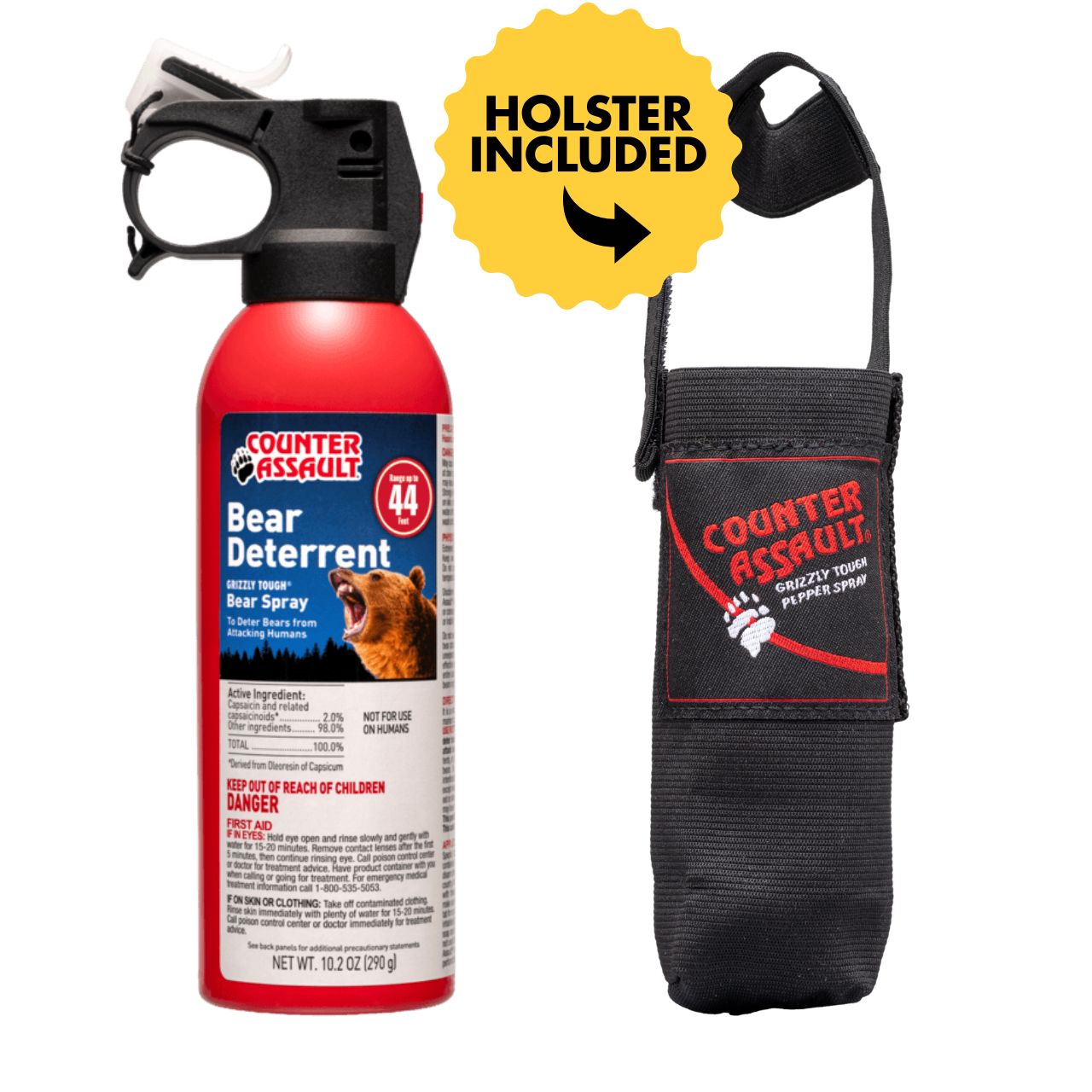
Range matters because distance is time. The Interagency Grizzly Bear Committee recommends bear spray that can project a deterrent cloud at least 20 to 30 feet, and one option on the market exceeds that standard: Counter Assault 10.2 oz bear spray with holster, which is listed at up to 44 feet of range and about 10 seconds of continuous discharge in camping safety guidance referenced by the National Park Service.

That kind of specification matters in real terrain. A longer spray pattern can create more usable space when visibility is uneven, footing is poor, or the encounter happens fast. It also aligns with the recommendation that spray be deployed before the animal closes too much distance.
A good deterrent choice should be judged on practical criteria:
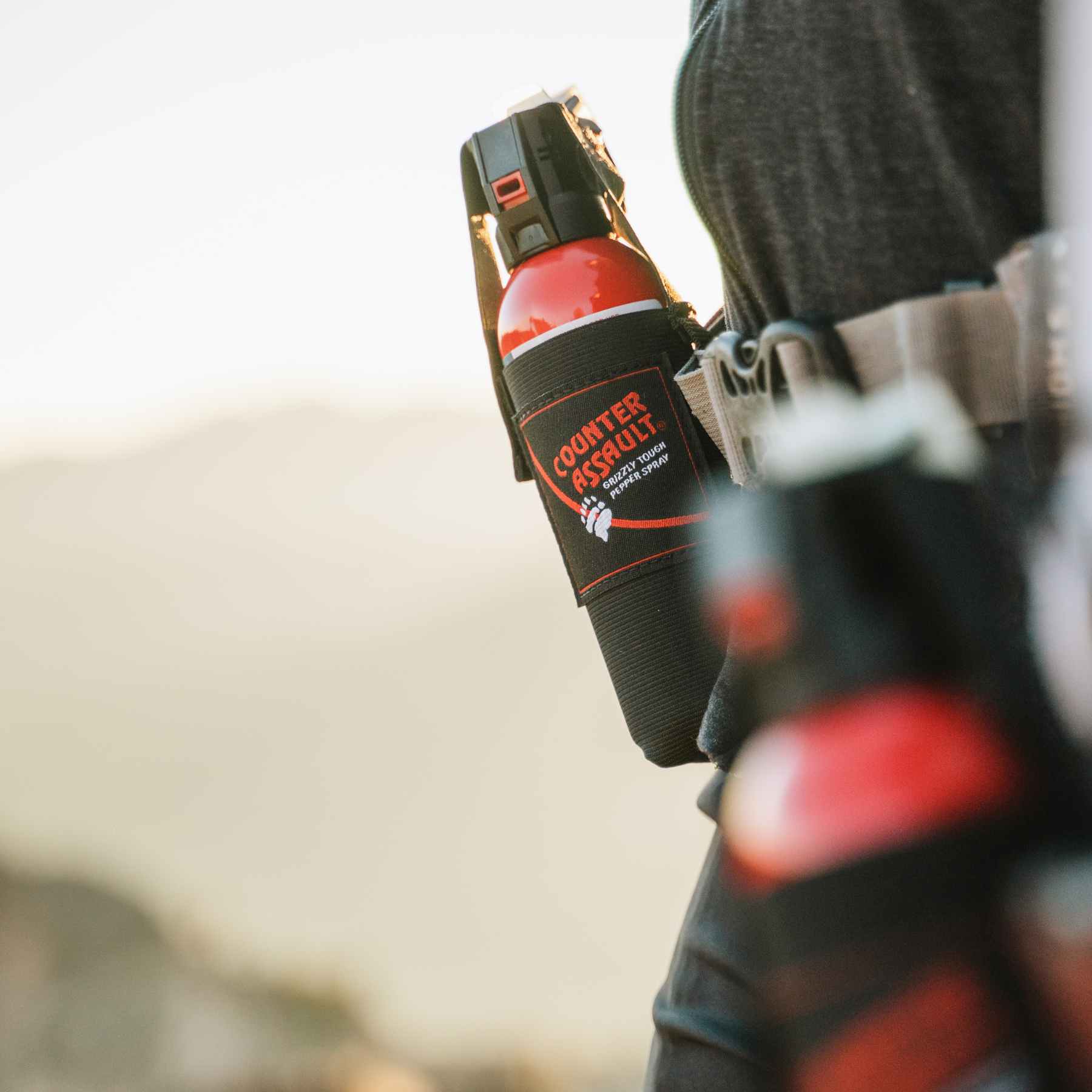
- Carry method: A holster or chest-access position is more important than deep-pack storage.
- Usable range: More reach gives a little more decision space.
- Discharge time: A can should provide enough spray duration to create a cloud rather than forcing a rushed, one-shot response.
- Species relevance: In many areas, deterrent planning isn't only about bears. It may also need to account for mountain lions or coyotes.
What to look for before carrying it
Bear spray is a non-lethal wildlife deterrent. It is not for people, not for routine camp use, and not something to apply to gear or clothing. It belongs in the same category as a fire extinguisher. Ready, visible, and untouched unless the situation crosses a clear threshold.
A few purchase mistakes are common.
- Buying for storage instead of carry: The best can on paper is the wrong can if a hiker won't holster it.
- Treating all spray options as interchangeable: Range, discharge time, and access make a real difference.
- Using a can as a substitute for behavior: No deterrent replaces noise-making, group travel, and food control.
For readers narrowing options for trail travel, this guide to the best bear spray for hiking does a useful job of framing selection around carry style and field use rather than marketing language.
Distance, access, and familiarity matter more than shelf appeal.
Another useful distinction is purpose. Insect repellent, odor-control products, and bear deterrents solve different problems. Products from brands such as Ben's insect repellents or Natrapel insect protection belong in a family camping kit for bugs, but they are not wildlife deterrents. The reverse is also true. Bear spray should never be treated like insect repellent or a general-purpose defensive spray.
The strongest wildlife setup is layered. Deterrent in reach. Food secured. Camp kept clean. Group spacing sensible. Attention up on blind corners and noisy water. That combination does more than a checklist ever will.
Mastering Your Deterrent How and When to Use Bear Spray
Carrying a deterrent without knowing the use sequence creates false confidence. Under stress, people revert to what they've rehearsed. If they haven't rehearsed anything, they fumble with clips, aim too high, or wait too long.
The basic sequence is straightforward when it's practiced before the trip.
Use sequence under stress

Use this order:
- Recognize the threshold: Bear spray should only be used when a bear is charging or behaving aggressively in a way that suggests a charge may follow.
- Remove the safety clip: This step needs to be smooth and automatic.
- Aim slightly downward: The goal is to place the spray in front of the animal so it runs into the cloud.
- Start when the animal is about 30 to 60 feet away: That creates the best chance of forming a barrier before the distance collapses.
- Continue until the charge diverts: If it keeps coming, direct the spray into the face, then leave the area immediately.
This demonstration helps make the sequence easier to visualize:
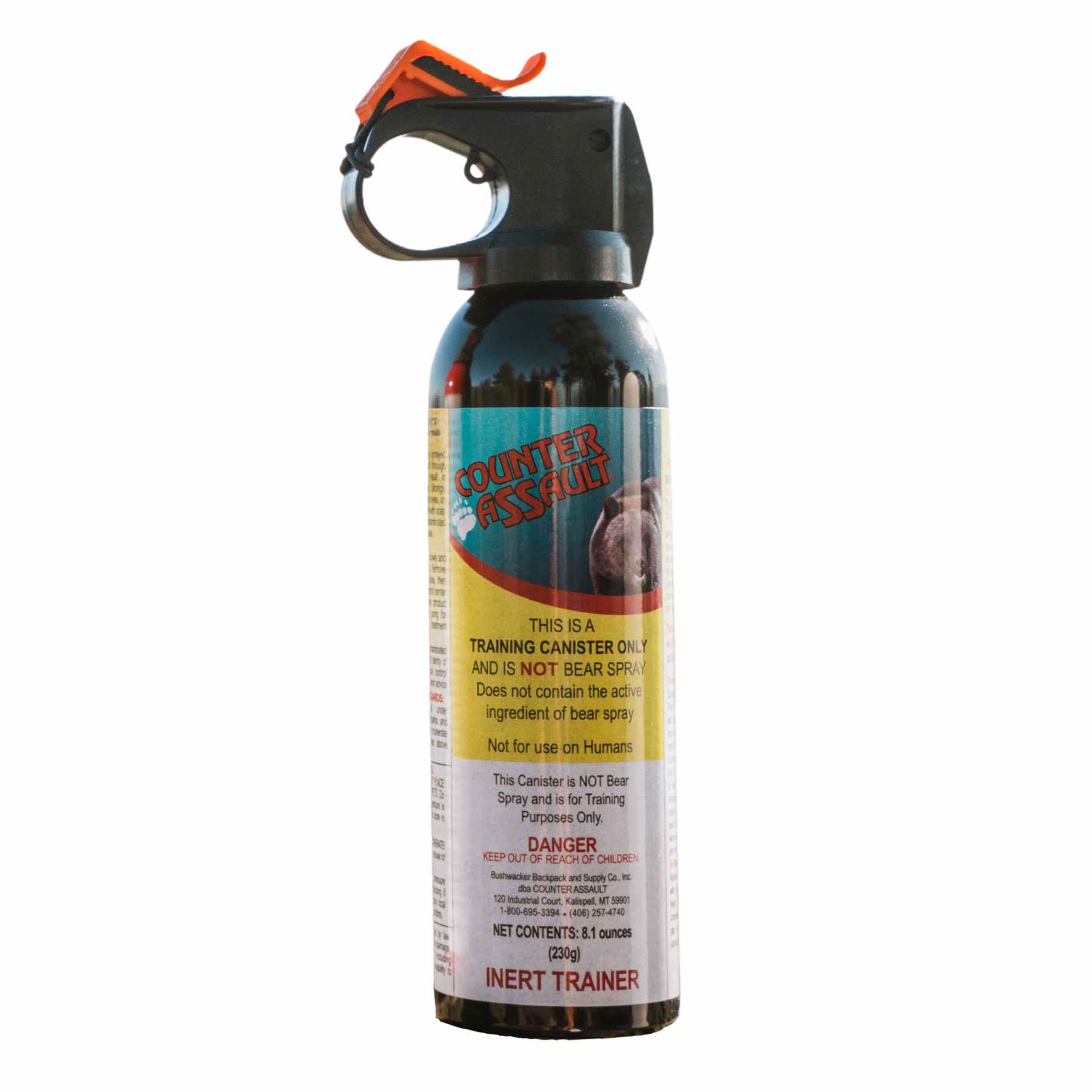
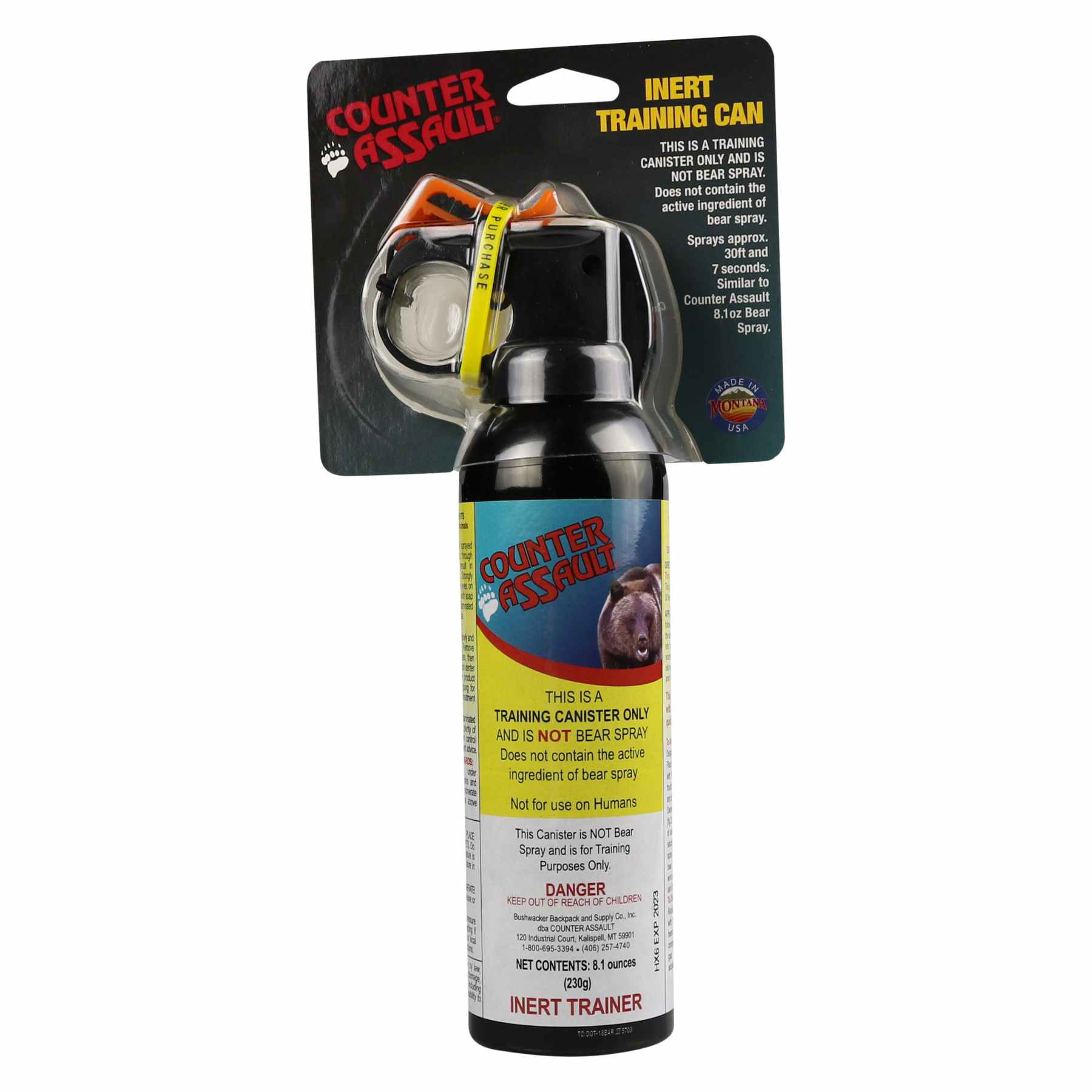
A few physical habits improve performance. Carry the can where the dominant hand can reach it without looking. Practice the draw with an inert or training routine if available. Rehearse from standing still and from a trail-walking posture, because people rarely meet wildlife in a tidy stance.
What people get wrong
The most dangerous mistakes are usually conceptual.
- Spraying gear or clothing beforehand: Bear spray is not a repellent coating. It should never be sprayed on a person or on equipment.
- Waiting until the last instant: Delay reduces the size and usefulness of the spray cloud.
- Running during the encounter: Running can escalate the situation and makes controlled spray use harder.
- Screaming instead of speaking calmly: A normal voice helps communicate that the person is not prey when the animal isn't yet charging.
Calm hands come from repetition, not optimism.
If a bear or mountain lion is encountered before a charge begins, the response changes. Don't run. Avoid eye contact. Walk away slowly and sideways if the animal isn't charging. Stand ground if needed, make the body look larger, speak in a normal voice, and prepare the spray.
Wind is another point people misunderstand. It can affect any aerosol, but that doesn't make the tool useless. The answer isn't to leave the deterrent behind. The answer is to aim properly, start at the right distance, and understand that most encounters are chaotic enough that broad cloud placement matters more than perfect marksmanship.
Knowledge matters here because a deterrent is one of the few tools in camping safety gear that may need to be used under seconds of pressure. That's why access and rehearsal count as much as the can itself.
Beyond Gear Proactive Safety Tactics in Wildlife Country
The safest wildlife encounter is the one that never develops. That usually comes down to behavior long before it comes down to equipment.
Behavior is the first deterrent
Research on human-wildlife conflict supports a layered strategy. Food management, spatial separation, and deterrents work better together than technology-only solutions, as discussed in this overview of camping safety mistakes and wildlife conflict prevention. That matches what field staff teach every season. Clean camps and predictable human behavior prevent more trouble than any single item ever will.
The habits that matter most are simple:
- Hike in groups: Groups are noisier and less likely to surprise animals.
- Make noise in low-visibility areas: Blind corners, thick brush, and rushing water all reduce the warning an animal gets.
- Avoid peak activity periods when possible: Dusk and dawn can be higher-risk travel times in some bear country.
- Keep a clean camp: Food, trash, cookware, and scented items need disciplined storage and handling.
- Give wildlife space: Don't approach, feed, or crowd animals for photos.
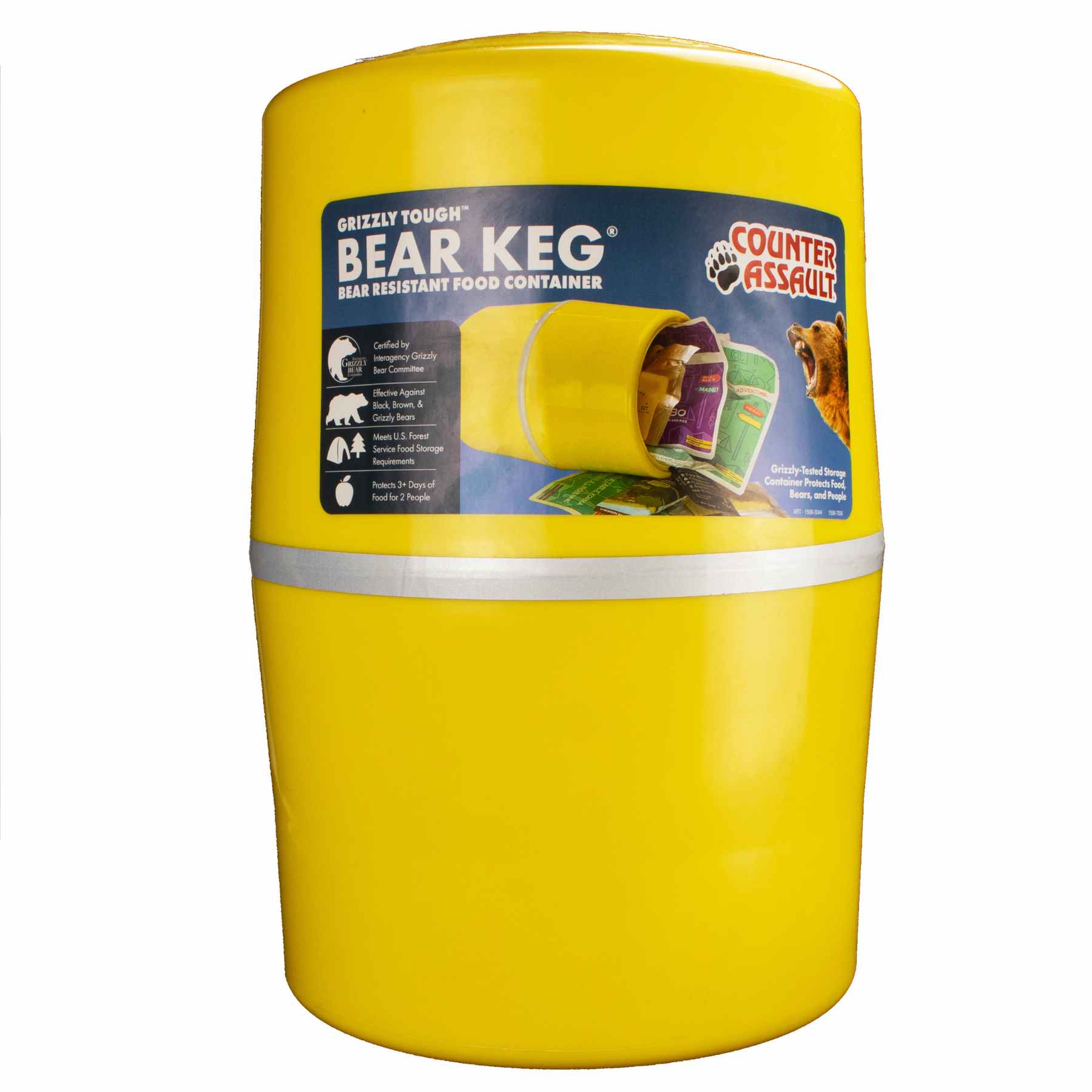
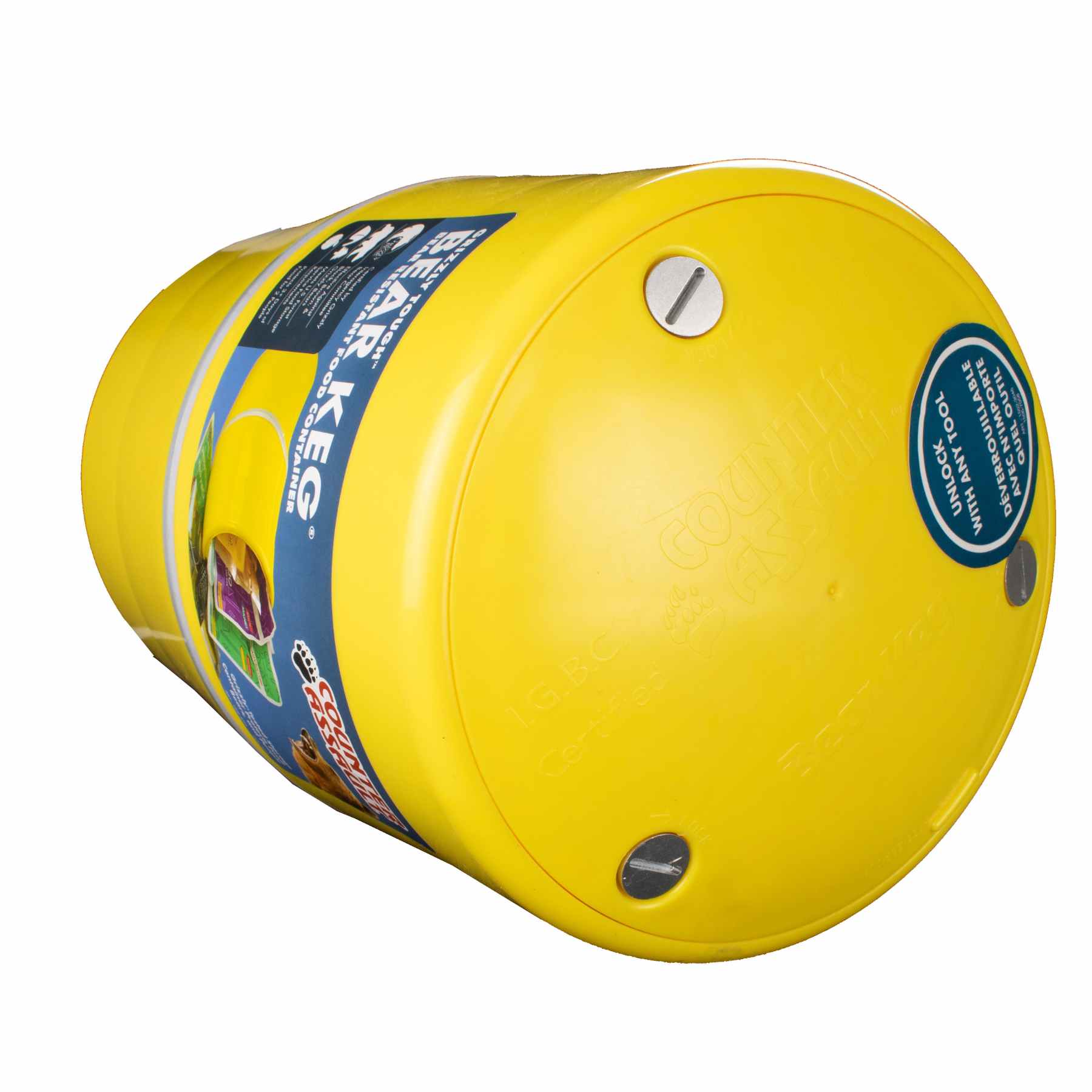
Food control deserves extra attention because campers often think of it as a tidiness issue rather than a safety issue. It's both. This guide to bear-resistant food containers is a useful reminder that food storage isn't separate from deterrence. It is deterrence.
If an animal is seen before it charges
Many encounters don't begin with a charge. A bear may be feeding, moving across a slope, or standing alert after noticing people. A mountain lion may be watching from cover. In those moments, behavior is the first safety tool.
A calm response looks like this:
| Situation | Better response | Poor response |
|---|---|---|
| Animal is aware but not charging | Stop, group up, speak normally, back away slowly | Run, crowd it, shout wildly |
| Animal is near camp | Secure attractants, create space, prepare deterrent | Leave food out, try to film closely |
| Limited visibility on trail | Make noise and travel deliberately | Move silently around blind corners |
The goal isn't to win a confrontation. The goal is to break the sequence before one starts.
That's the heart of a layered safety system. Good camping safety gear supports good behavior. It doesn't replace it.
Customizing Your Safety Plan for Your Adventure
A good safety plan matches the trip, the people, and the problems most likely to happen. A family at a drive-in campground needs a different setup than a solo hiker on a long trail or a cabin owner dealing with wildlife near a back porch. The gear matters, but placement, maintenance, and practiced routines matter just as much.
That is the difference between a gear list and a layered safety system.
Families and mixed-age groups
Family trips break down when adults assume everyone can respond the same way under stress. Children move slower, get distracted, and may freeze when something unexpected happens. Older adults and people with limited mobility may need gear placed where it can be reached without bending, climbing, or crossing camp.
The camping safety fact sheet from Misawa Air Base points to a practical gap. Generic camping advice often assumes one healthy adult user, not a mixed group with different speeds, strengths, and responsibilities.
Set the camp around that reality.
- Adults carry the gear that solves immediate problems: medical kit, communication device, and deterrent stay with the adults who know how to use them.
- Children carry simple, low-risk items: light, water, snack, and an extra layer are reasonable jobs.
- Hazardous items stay controlled: stove fuel, medications, knives, and deterrents should be secured from children but still quickly accessible to adults.
- Assign roles before dark: one adult handles first aid, one manages children, and older kids learn where to go and who to stand with if wildlife or weather becomes a problem.
Insect protection often belongs in that plan too, especially in campgrounds where bites, stings, and skin irritation are more common than large-animal encounters. Products such as After Bite itch relief may have a place in a family kit if they fit the group's needs.
Solo hikers and remote campers
Solo travel narrows your margin for error. If you drop a light in a creek, twist an ankle, or miss a turn near dark, there is no partner to absorb the mistake. That changes how safety gear should be carried.
Keep the items that buy time on your body, not buried in your pack. A whistle, light, weather layer, map or navigation backup, and fire starter are far more useful if you can reach them after a fall or pack separation.
A solo plan should include:
- Redundancy for small failure points: one backup light and one backup fire source solve common problems.
- On-body carry for immediate survival items: signaling, insulation, and communication tools should stay with you.
- A clear trip plan left with a reliable person: route, destination, expected return, and when to call for help should be specific.
- A maintenance check before every outing: inspect batteries, straps, water treatment, and aerosol dates.
If you carry an aerosol deterrent or any time-limited spray product, check age and condition before the trip. This guide on how long pepper spray is good for is a useful reminder that pressurized safety tools do not last forever. The same inspection habit applies across your kit.
Homes, cabins, and property edges
Some safety plans start at a campsite. Others start at a cabin door, a shed, a trailhead parking area, or a stretch of driveway where wildlife shows up regularly.
The priorities shift a little, but the layered approach stays the same. Start by reducing what draws animals in. Trash, pet food, bird seed, outdoor freezers, coolers, and dirty grills create repeat visits. Then look at movement routes around the property. Paths with brush, blind corners, and poor lighting give both people and animals less reaction time.
For these settings, a better plan usually includes:
- Attractant control: secure food, garbage, and animal feed.
- Clear lines of sight: trim brush near doors, paths, and work areas.
- Deterrent placement where encounters occur: near the exit you use, in an outbuilding, or on your belt during chores, not stored across the property.
- Simple household rules: who responds, who gathers children or pets, and where people retreat if an animal lingers.
The best setup is the one people can use correctly when tired, cold, or surprised. Match the gear to the user. Match the user to the task. Match both to the setting.
Frequently Asked Questions About Camping Safety Gear
How often should safety gear be checked
Check it before every trip. That includes light batteries, med kit restocking, damaged buckles, weather protection, water treatment, and the condition of aerosol canisters. A quick driveway inspection catches most failures while they're still cheap and easy to fix.
A practical rhythm works best. One check when the trip is planned. Another when the vehicle is loaded. A final check at the trailhead or campsite before people spread out.
Can bear spray go on a plane or in checked luggage
Air travel rules can be restrictive, and travelers shouldn't assume a deterrent can be packed like other gear. The safest approach is to review the airline and relevant transportation rules before departure, then buy locally at the destination if needed. That avoids confiscation, delays, and bad last-minute decisions at the airport.
Is bear spray the same as pepper spray
No. Bear spray is a wildlife deterrent designed for use on bears, mountain lions, or coyotes in emergency situations. It should not be treated as a personal defense spray for use on people, and it should never be presented or carried as a weapon.
That distinction matters for legal, ethical, and practical reasons. The purpose is to stop an animal encounter while reducing harm to both people and wildlife.
Where should bear spray be stored
Store it where adults can access it quickly, while keeping it away from children, unnecessary heat, and accidental discharge risk. In the field, that usually means a holster on the body or pack strap. At home, it means a secure location that remains easy for the responsible adult to reach.
Avoid the common mistake of leaving critical gear loose in a hot vehicle for long periods or buried under camp supplies. Access and condition are part of safety.
Camping safety gear works best when it's chosen with restraint and carried with intention. Most trips don't need more stuff. They need better placement, cleaner routines, and more honest thinking about what can go wrong.
For campers, hikers, and property owners spending time in wildlife country, Counter Assault offers bear safety tools and educational resources built around non-lethal deterrence, quick access, and responsible use.