
Bears usually spend about 3 to 7 months in winter dens, but that range shifts a lot by species, latitude, food supply, and weather. They also do not sleep the whole time. They enter torpor, a controlled state of reduced metabolism that still allows them to wake, shift position, and respond fast if disturbed.
That matters because the usual campfire version of this topic gets the practical part wrong. People hear “hibernation” and assume bears are unreachable, unconscious, and irrelevant until spring. In the field, that assumption creates sloppy shoulder-season habits in late fall and early spring, which is exactly when people let their guard down.
A better question than “how long do bears sleep during hibernation” is this: how long are bears denned, and what does that mean for anyone traveling through bear country? The biology explains the timeline. The timeline explains the risk. And the risk explains why hikers, hunters, anglers, and cold-weather campers still need to move carefully around likely den habitat.
Table of Contents
Do Bears Really Sleep All Winter?
No. Bears don't spend winter in one uninterrupted sleep cycle.
The better word is torpor. In torpor, a bear cuts energy use hard, stays in the den for extended periods, and lives off stored fat. But it still shifts, rouses, and monitors its surroundings enough to protect itself if something crowds the den or creates a threat.
That distinction changes the answer to how long do bears sleep during hibernation. A person imagining months of total unconsciousness will misunderstand both the biology and the safety implications. A denned bear isn't out of service. It's conserving energy with remarkable efficiency.
Why the simple answer misleads
When people want a number, they usually want a calendar answer such as “all winter” or “from November to March.” Sometimes that's close. Often it isn't.
Some bears den for shorter periods in milder coastal areas. Others stay in dens much longer in colder northern country. Females with newborn cubs may remain denned longer than other bears. Food availability also changes timing, which means shoulder-season travel always comes with uncertainty.
Practical rule: Treat denning season as a period of reduced bear activity, not a period of guaranteed absence.
Sleep isn't the right frame
Sleep suggests passivity. Torpor is a survival strategy.
That difference is why winter travelers shouldn't assume a den area is harmless. A bear that appears inactive can still react if approached at close range, especially around dens, carcasses, sheltered drainages, or thick cover with limited visibility. Respecting that fact keeps both people and bears out of bad encounters.
The Science of Torpor A Bear's Superpower
The useful question is not whether a bear is "asleep." It is how a bear stays alive for months with almost no food and still remains capable of reacting if a person or dog gets too close. That is what torpor explains, and it matters most in the weeks when hikers tend to let their guard down.
Torpor keeps a bear efficient and reactive
Bears enter a low-metabolism state that cuts energy use hard enough to survive winter on stored fat. Heart rate and breathing slow. Body temperature drops some, but not to the extreme levels seen in small hibernators.
That difference shapes behavior in the field.
A bear in torpor can rouse, shift position, defend cubs, or leave a den if conditions change. From a ranger's standpoint, that is why den habitat deserves extra space in late fall and early spring, especially in thick timber, rocky slopes, root wads, and brushy drainages where visibility is poor.
What the body is doing all winter
Metabolic control is an impressive feat. Bears stretch fat reserves across the denning season while limiting muscle loss, reducing heart and breathing rates, and getting by without normal feeding or drinking.
Biologists pay close attention to this because bears do something few large mammals can do. They remain in torpor for long stretches without the full temperature crash seen in smaller species. That gives them a practical survival advantage in harsh winters and helps explain why denning length varies with weather, food conditions, sex, and region rather than following a simple calendar.
If you want a better feel for how bear behavior changes before and after denning, this field guide to tracking black bear movement and sign helps connect seasonal biology to what hikers see on the ground.
Why hikers should care about the biology
This is the part many articles miss. Torpor explains why shoulder seasons can still produce serious bear encounters.
In late fall, some bears are still feeding hard before they den. In early spring, some are already up, hungry, and covering ground before green-up fully arrives. Others may still be denned nearby. That overlap creates uncertainty, and uncertainty is where sloppy assumptions get people into trouble.
The practical takeaway is simple. Quiet trails, patchy snow, and cold mornings do not mean bears are out of the picture. Carry bear spray where bears live, keep it accessible instead of buried in a pack, and give likely den habitat a wide berth. Respect for torpor is not trivial. It changes how smart hikers move through bear country.
Hibernation Timelines By Species and Region
Start with the field rule that helps on the trail. Bears do not den by a neat calendar, and a species name alone will not tell you much about what is happening in one drainage, one valley, or one slope aspect.
Region usually drives the timeline. Long, cold winters tend to keep bears denned longer. Milder coastal climates and lower elevations often produce shorter denning periods, later den entry, and earlier movement in spring. For hikers, that matters more than trivia. A bear that is still feeding hard in late fall or already moving in early spring can be every bit as relevant to your safety planning as one in midsummer.
Black bears
Black bears show some of the widest variation because they occupy such a broad range of habitats. In northern interiors with sustained snow and cold, denning commonly lasts much of the winter. In more temperate country, black bears may den for a shorter stretch and stay active later into fall.
That is why month-based advice fails so often. A black bear in the southern Appalachians, coastal forest, or low-elevation foothills may be operating on a very different schedule from a black bear in the northern Rockies or interior Canada.
If you want trail-level context instead of generic dates, this guide to tracking black bear movement and sign is a useful companion because it ties seasonal behavior to what you can observe on the ground.
Brown bears and grizzlies
Brown bears and grizzlies follow the same basic pattern. Colder regions usually mean longer denning. Areas with milder winters or better late-season food can shorten that window.
Sex and reproductive status matter too. Pregnant females generally den earlier and stay in longer, while some adult males enter later and emerge earlier. That is one reason spring conditions can feel unpredictable to hikers. One bear may still be denned in suitable habitat while another is already traveling and looking for food.
What about polar bears
Polar bears do not fit neatly into the usual public shorthand about bear hibernation. For this article, the practical point is simple. Blanket statements about “bears sleeping all winter” are weak guidance if you travel between regions.
Different species, different climates, and different food conditions produce different denning timelines. Build your plans around local bear activity, not a phrase you remember from grade school.
Typical bear hibernation durations
| Bear Species | Typical Hibernation Duration | Geographic Notes |
|---|---|---|
| Black bears | Several weeks to several months, depending on winter severity and food conditions | Often longer in colder northern interiors and shorter in milder regions |
| Grizzly and brown bears | Often a few months, with longer denning in harsher northern areas | Interior and high-latitude populations usually den longer than coastal populations |
| Bears in far northern climates | Long denning seasons are common | Severe winter conditions usually extend time in the den |
| Coastal bears | Shorter denning seasons are common | Milder temperatures and different food patterns can shorten time in the den |
Use the calendar as a rough starting point. Use terrain and local conditions to make real decisions. North-facing slopes, dense timber, root wads, rock cavities, avalanche edges, and remote creek breaks deserve extra caution in late fall and early spring. Carry bear spray where bears live, and keep it on your belt or chest strap instead of buried in your pack.
What Makes Bears Wake Up Early or Sleep In Late
Calendar dates do not control den emergence. Conditions do.

A bear in torpor is still managing its body and its surroundings. It can shift position, rouse for periods, and respond if the den becomes unsafe. For hikers, that is the point that matters. "Still denned" does not mean "out of the picture."
Weather and den conditions
Warm weather can shorten a bear's time in the den. Flooding, poor insulation, human disturbance, and unstable snow cover can do the same. A den only works if it stays dry, sheltered, and quiet. Once those conditions break down, a bear may leave, return later, or start moving before people expect it.
Food also changes the schedule. A bear that finds calories late into fall may delay den entry. A bear that comes out into an early spring with little to eat may travel more, cover ground faster, and react harder if surprised at close range.
That is why shoulder season mistakes happen. People see patchy snow or a warm March afternoon and assume the woods are empty. In reality, those are the exact conditions that can put a groggy, hungry bear and a hiker on the same trail.
Travelers should also remember how fast a bear can key in on scent. This guide to the bear's sense of smell is a good reminder to secure food, game meat, trash, and scented gear, even when bear activity seems low.
Body condition and reproduction
Body fat matters. So does reproductive status.
Pregnant females den with a bigger physiological job ahead of them than lone adults. They need enough stored energy to make it through winter, give birth, and nurse cubs in the den. A bear in poor condition may enter late, leave early, or use a lower-quality den. A sow with cubs may also be especially defensive if disturbed near the den area.
As noted earlier, bear torpor is not ordinary sleep. It is a controlled metabolic state that lets the animal conserve energy while keeping enough function to survive months of cold and food scarcity. That biology explains the timing. It also explains why late fall and early spring deserve more caution than many hikers give them.
This wildlife footage gives a good visual sense of denning behavior and seasonal transition:
Why this changes hiker risk
The practical takeaway is simple. Bears on the edge of denning are often stressed, calorie-depleted, and easier to surprise in thick cover.
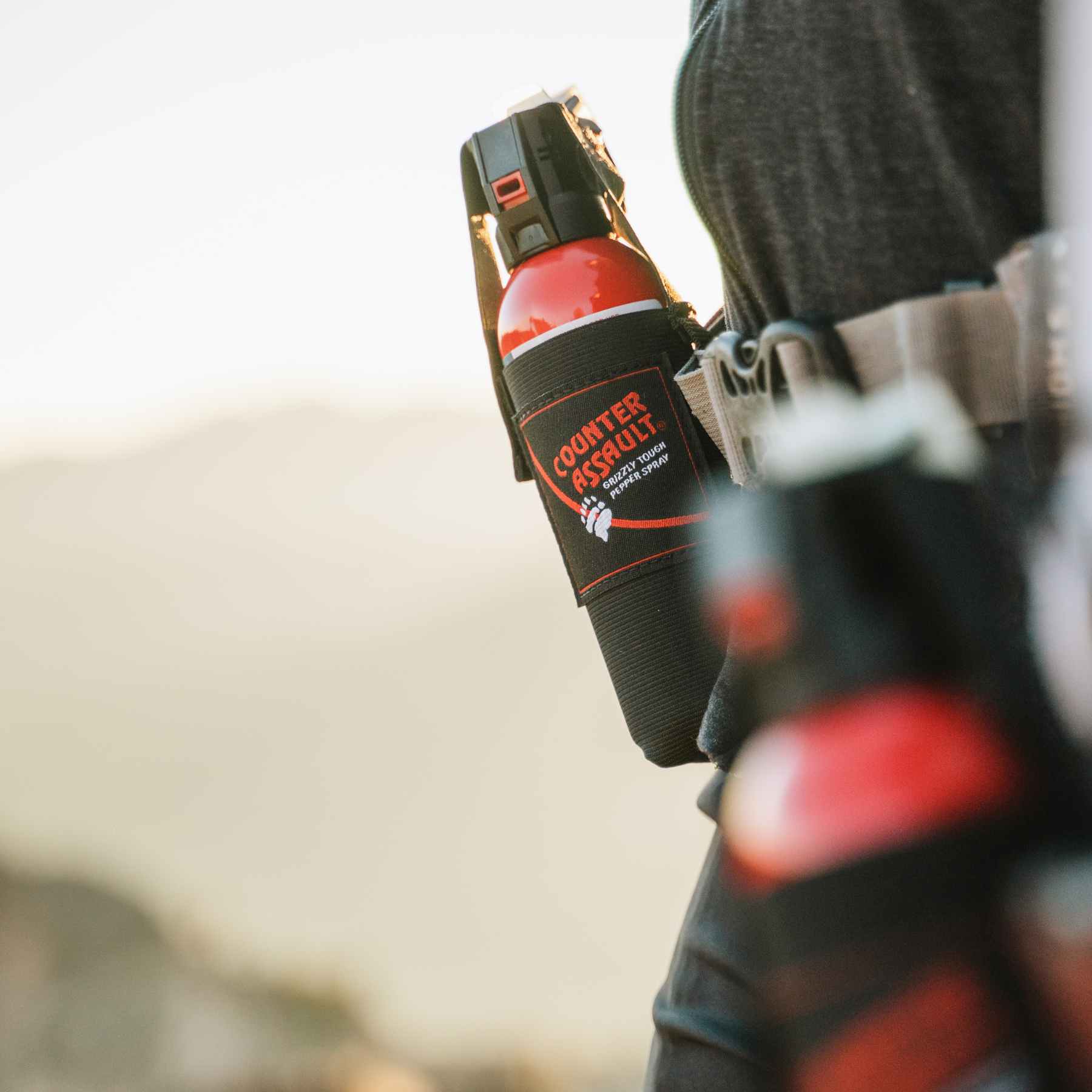
Late fall and early spring call for tighter field habits than many people use. Slow down near brushy creek bottoms, north-facing slopes, root tangles, rock pockets, and blowdown. Keep dogs close. Make noise before you enter blind cover. Carry bear spray where you can reach it fast, on a belt or chest holster, because a can buried in a pack does nothing for you in a close encounter.
Give likely den habitat extra room in shoulder seasons. A few more yards of distance can prevent the kind of surprise that turns a quiet hike into a bad situation.
Myths and Truths About Bears in Winter
Bad bear advice often survives because it sounds tidy. Winter strips away the tidy version fast.
Myth hibernating bears can't wake quickly
False. A denned bear isn't unreachable.
As noted earlier, bears in torpor can arouse rapidly if disturbed. That means a person who crowds a den, cuts through thick shelter, or lets a dog range ahead in likely den habitat can trigger an encounter at very close distance. Distance and awareness matter more than season labels.
Myth winter means zero bear risk
False again. Winter usually reduces visible bear activity, but it doesn't erase risk.
The biggest problem here is overconfidence. Shoulder seasons produce some of the sloppiest field habits because people assume the animals are absent. In practice, those seasons reward the same basics that work the rest of the year:
- Travel with awareness: Make noise, especially near blind corners, creek bottoms, and thick timber.
- Respect likely den habitat: Avoid poking into rock cavities, root tangles, brush piles, and sheltered slopes.
- Keep camp clean: Store food and scented items carefully, and don't leave scraps or attractants around camp.
- Don't crowd wildlife: If a bear is seen, back out calmly and give it room.
Myth a firearm is the better backup plan
That claim doesn't hold up well in close, chaotic encounters. Bear spray is designed to create a cloud that doesn't require the same precision shot placement a firearm does under stress.
The product guidance in this space should stay simple and safety-focused. Bear spray is a non-lethal deterrent for bears, mountain lions, and coyotes. It is not for spraying on people, and it is not something to apply to gear or clothing like a repellent.
From the verified material provided by the publisher, the best-supported field takeaway is that bear spray has been shown to stop aggressive bears at a very high rate, while also reducing the chance of severe outcomes and avoiding lethal harm to the animal. That matches what experienced outdoor professionals already know. In a fast charge, simplicity and access matter.
If a bear is charging or acting aggressively and a charge seems likely, standing ground and deploying bear spray correctly is a safer plan than assuming winter made the encounter impossible.
Your Safety Guide for Hiking in Shoulder Seasons
Late fall and early spring demand a different mindset. Not panic. Not paranoia. Just disciplined habits.

A short shoulder-season checklist
- Hike in groups when possible: Groups are noisier and easier for bears to notice and avoid.
- Make noise before tight turns: Don't sneak up on a bear in brush, timber, or along creek edges.
- Skip dawn and dusk when practical: Low light reduces your margin for spotting wildlife early.
- Watch attractants carefully: Food, garbage, and game remains pull bears into places people don't expect.
- Never run from an encounter: Back away slowly, avoid crowding the animal, and prepare deterrent spray if the situation escalates.
- Know what to carry: A canister that's accessible on a belt or chest is useful. A canister buried in a pack isn't.
For readers comparing carry options and deployment priorities, this guide on the best bear spray for hiking is worth reviewing before the next trip.
Smart gear for low-light cold-weather travel
Shoulder seasons also punish poor gear choices. Days are shorter, trail conditions change fast, and a small delay can turn into a cold exit.
A few additions make a real difference:
- Reliable camp and emergency light: A compact LuminAID solar lantern helps with early sunsets, camp tasks, and unplanned delays.
- First aid that fits backcountry travel: A field-ready Adventure Medical Kits first aid kit covers the basics better than a loose collection of bandages.
- Clean water backup: A RapidPure water treatment option is a practical hedge when shoulder-season runoff or freezing conditions complicate water access.
The common thread is simple. Bears don't “sleep through winter” as many might imagine. Because denning is flexible, seasonal awareness and fast access to the right deterrent still matter.
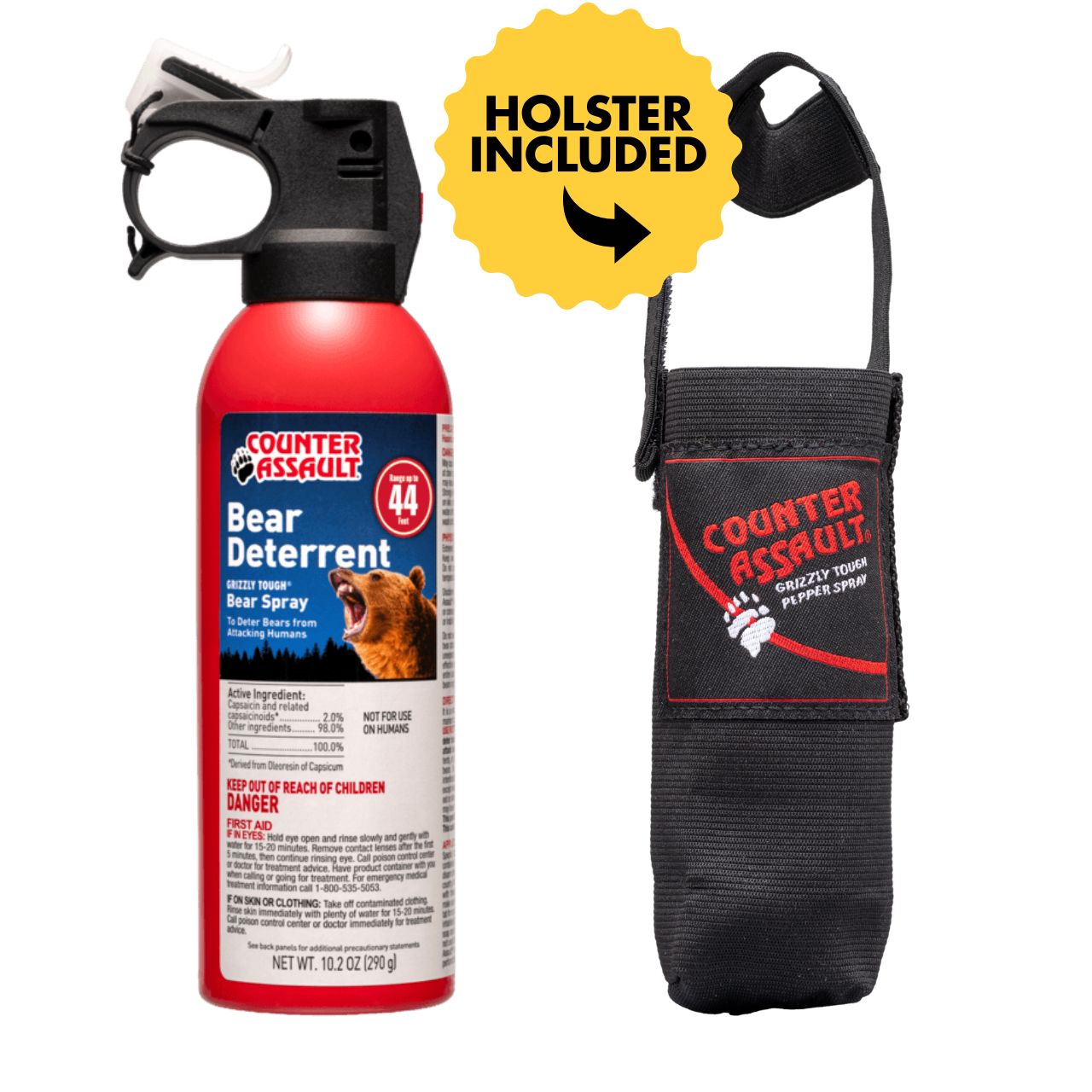
If bear country is on the map this season, carry gear built for the reality of close-range wildlife encounters. Counter Assault makes a 10.2 oz bear spray with holster that delivers a 44-foot spray range and a maximum 2% capsaicin formula, making it a strong choice for hikers, campers, anglers, and hunters who need a non-lethal deterrent for bears, mountain lions, or coyotes. The included holster matters just as much as the can. Fast access is what counts when seconds matter.