
A tipped trash can at daylight tells the same story in neighborhoods, campgrounds, and trailhead parking lots. Something found an easy meal. The mess on the ground is only part of the problem. Once an animal gets rewarded by trash, it tends to come back, and the next visit is usually bolder.
That's why how to keep animals out of trash starts with prevention, not punishment. The most reliable approach is simple in concept and strict in practice. Remove food attraction, contain odor, and block access. That protects people, pets, camps, and the wildlife that learns too quickly where the calories are.
Table of Contents
- The Foundation of Wildlife-Proofing Your Trash
- Securing Bins From Raccoons Coyotes and Rodents
- Essential Bear-Proofing Measures for Home and Camp
- Using Deterrents and Fencing Effectively
- Your Ultimate Wildlife and Trash Safety Checklist
The Foundation of Wildlife-Proofing Your Trash
Wildlife problems around garbage usually start long before an animal touches the lid. They start when a bin smells like dinner and sits where an animal can work on it undisturbed. Wildlife guidance is consistent on this point. Physical exclusion plus sanitation works better than repellents, and the practical basics are to keep garbage indoors until pickup, use wildlife-proof containers anchored securely, and place trash curbside only near collection time, as noted by WildlifeHelp's guidance on handling garbage to avoid animal problems.

Start with scent and access
Food scraps are the main attractant. That means the first job isn't finding a stronger spray or a louder gadget. It's cutting down odor.
A sound routine looks like this:
- Bag food waste tightly: Double-bag meat scraps, leftovers, and other high-odor waste.
- Rinse recyclables: Containers with residue still advertise a meal.
- Freeze the worst-smelling scraps: If pickup isn't soon, holding fish, meat, or greasy food waste in a sealed bag inside a freezer keeps odor from building in the can.
- Clean the bin itself: Lid seams, handles, and the bottom of the can often smell stronger than the bag inside.
Practical rule: If a person can smell the trash from a few steps away, wildlife can detect it much sooner and from farther off.
Cleaning matters more than most homeowners think. Residue under the lid and leaked liquid in the bottom tray turn an otherwise decent bin into a reliable feeding station. For more detailed housekeeping ideas, this guide on preventing pests in your garbage cans is useful because it focuses on the odor and residue problems that draw repeat visitors.
Build a routine that animals can't exploit
Timing is the other half of the job. A secure can left outside all week gives animals time to test it. A secure can rolled out shortly before collection gives them far less opportunity.
The strongest home setup is usually boring. Store bins in a garage, shed, or enclosed area. Roll them out close to pickup. Bring them back promptly. If the bin has to stay outside, keep it against a hard surface or inside a simple enclosure so it can't be dragged or tipped as easily.
A few upgrades help:
| Tactic | Why it works | Trade-off |
|---|---|---|
| Garage or shed storage | Cuts access and reduces scent spread outdoors | Needs space and discipline |
| Locking lid | Stops casual opening and keeps the lid seated | Must be re-latched every time |
| Anchoring the container | Prevents tipping and dragging | Takes setup and hardware |
| Morning-of setout | Reduces the time wildlife has to investigate | Requires a routine |
Homeowners in bear country should also understand how far scent can matter. Counter Assault has a helpful explainer on a bear's sense of smell, which reinforces why sloppy waste handling creates trouble long before a bear is visible.
Securing Bins From Raccoons Coyotes and Rodents
Raccoons, coyotes, rats, mice, and neighborhood scavengers don't all attack trash the same way. Raccoons manipulate. Rodents chew. Coyotes tip and tear. A can that defeats one may fail against another.
The practical method here is still a combination of odor control, exclusion, and timing. Guidance collected by Plasticplace notes that keeping organic waste inside until collection day, using tight-fitting or locking lids, and washing bins frequently are more reliable than scent repellents like mothballs or ammonia, which are treated as secondary measures in Plasticplace's responsible trash management advice.

What beats clever paws and sharp teeth
Raccoons are the locksmiths of the nuisance-animal world. Loose lids and lightweight bungees often buy only a little time. A rigid latch or purpose-built locking lid is usually more dependable because it doesn't rely on tension alone.
Rodents create a different problem. If the bin material is flimsy or the lid seam leaves a chewable edge, they'll work at it over time. Hard-sided containers with snug lid fit are the safer choice. Overflowing bags left beside the can are an open invitation.
Coyotes usually don't need to open a bin cleanly if they can knock it over. That's why anchoring matters. A decent lid doesn't help much once the can is on its side and split bags are on the ground.
A trash can should resist three things at once. Smell leaking out, the lid being opened, and the whole container being moved.
A quick comparison of common fixes
Different fixes solve different failure points:
| Method | Good for | Weak point |
|---|---|---|
| Tight locking lid | Raccoons, loose dogs, casual scavengers | Doesn't stop tipping on its own |
| Anchored bin | Coyotes, heavier animals, windy sites | Useless if the lid is weak |
| Metal or thick hard-sided can | Rodents and repeated chewing pressure | Heavier and often less convenient |
| Bungee cord | Temporary lid support | Often too easy to defeat |
| Scent repellent | Minor added nuisance factor | Unreliable as a primary control |
A few tactical habits matter more than homeowners expect:
- Don't leave pet food outside: Trash isn't the only reward source. Food bowls train the same visitors to patrol the area.
- Don't stack bags beside the can: Animals will always take the easy target first.
- Don't let compost become a backup trash pile: Open or poorly managed compost draws rodents and scavengers fast.
- Do raise where practical: A bin platform or protected stand can make access harder for smaller ground-level pests.
For households that also deal with pets, trail walking, or coyotes near yards and greenbelts, Counter Assault's article on how to protect yourself from coyotes is a useful companion read because garbage control and coyote behavior often overlap in the same areas.
Essential Bear-Proofing Measures for Home and Camp
You wake up to a trash can flattened in the driveway or a campsite that looks like it was raked over in the dark. That is not a raccoon problem with bigger tracks. It is a bear attractant problem, and the standard for fixing it is much higher.
Bears are strong, persistent, and quick to repeat a food reward. A latch that slows a raccoon or a light that startles a coyote does not solve that risk. In bear country, garbage control has one job: deny access completely and keep rewards from ever happening. Guidance from EnviroBinz makes the same point in this discussion of what actually works in bear country.

Bear country requires a different standard
For raccoons, "good enough" sometimes works. For bears, it usually fails.
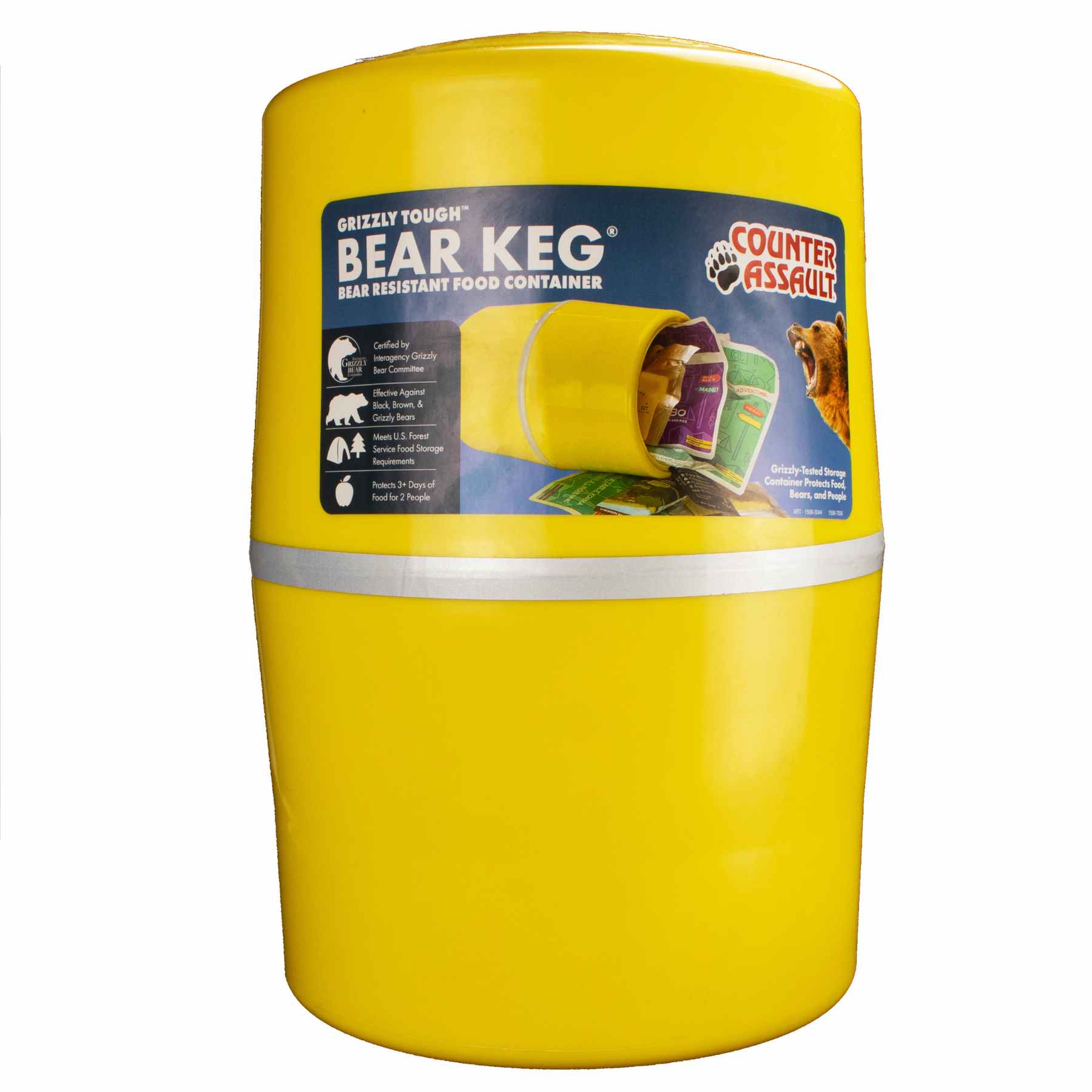
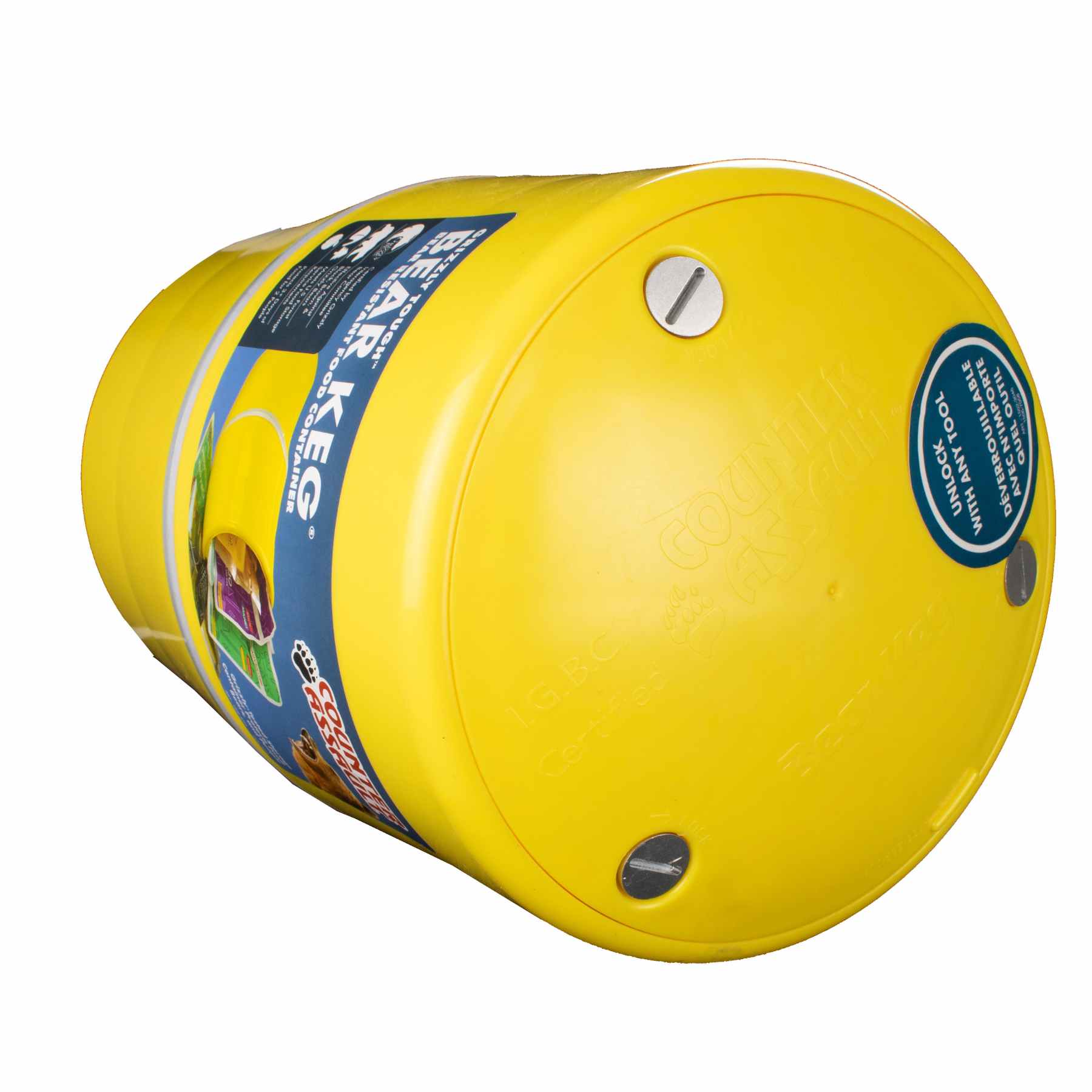
A bear-resistant setup starts with hardware made for bear force, not just household convenience. That can mean a certified bear-resistant container, a rigid bear box, or a locked building that fully separates trash from outside access. A heavy can with a strap may look serious, but if a bear can crush it, peel the lid back, or roll it off, it is still a food source.
For homes, cabins, and rural properties, the practical priorities are straightforward:
- Use bear-resistant containers where bears are active: Weight alone is not the test. The container has to resist prying, crushing, and repeated attempts.
- Add a second barrier whenever possible: A garage, shed, or hard-sided enclosure cuts down access and odor spread.
- Put trash out as late as allowed on pickup day: Overnight exposure gives bears hours to investigate without people around.
- Clean up adjacent attractants: Grease on a grill, spilled birdseed, pet food, and fish-cleaning waste can pull a bear to the same part of the property even if the bin is secure.
At camp, habits matter as much as equipment. I have seen well-equipped campers create problems because they treated trash as an afterthought once dinner was over. A bear does not separate food, wrappers, dishwater, and scented toiletries the way people do. If it smells edible or interesting, it belongs in secure storage.
At home versus at camp
Homeowners can improve the site itself. Campers usually work with whatever storage options the location provides.
At home, inspect the property the way a bear would. Where does odor escape? Can the bin be reached from a deck, carport, or open shed? Is there a path of smaller attractants leading to the trash area? One weak point often matters more than a strong container.
At camp, separate activities and stay disciplined after dark. Cook in one area. Eat there. Store food and trash away from where people sleep. Never keep garbage in or beside a tent, and do not leave coolers, cookware, drink containers, or snack bags in a truck bed or under a picnic table.
Small mistakes train bears fast.
Campers who need a refresher on approved storage methods should review bear-resistant food containers for camp storage and backcountry travel, because food and trash fall into the same risk category once scent is involved.
A quick field reminder is worth watching before a trip:
When prevention fails and distance closes
Good trash control lowers the chance of an encounter. It does not remove it.
In bear country, carry plans matter when taking garbage to a shared dumpster, walking a dog at dawn, or moving through camp after dark. Bear spray is a last-resort tool for a close, aggressive encounter. Do not spray it on trash cans, coolers, or campsites as a deterrent. It is meant for a charging or aggressive animal, not for scent-marking gear.
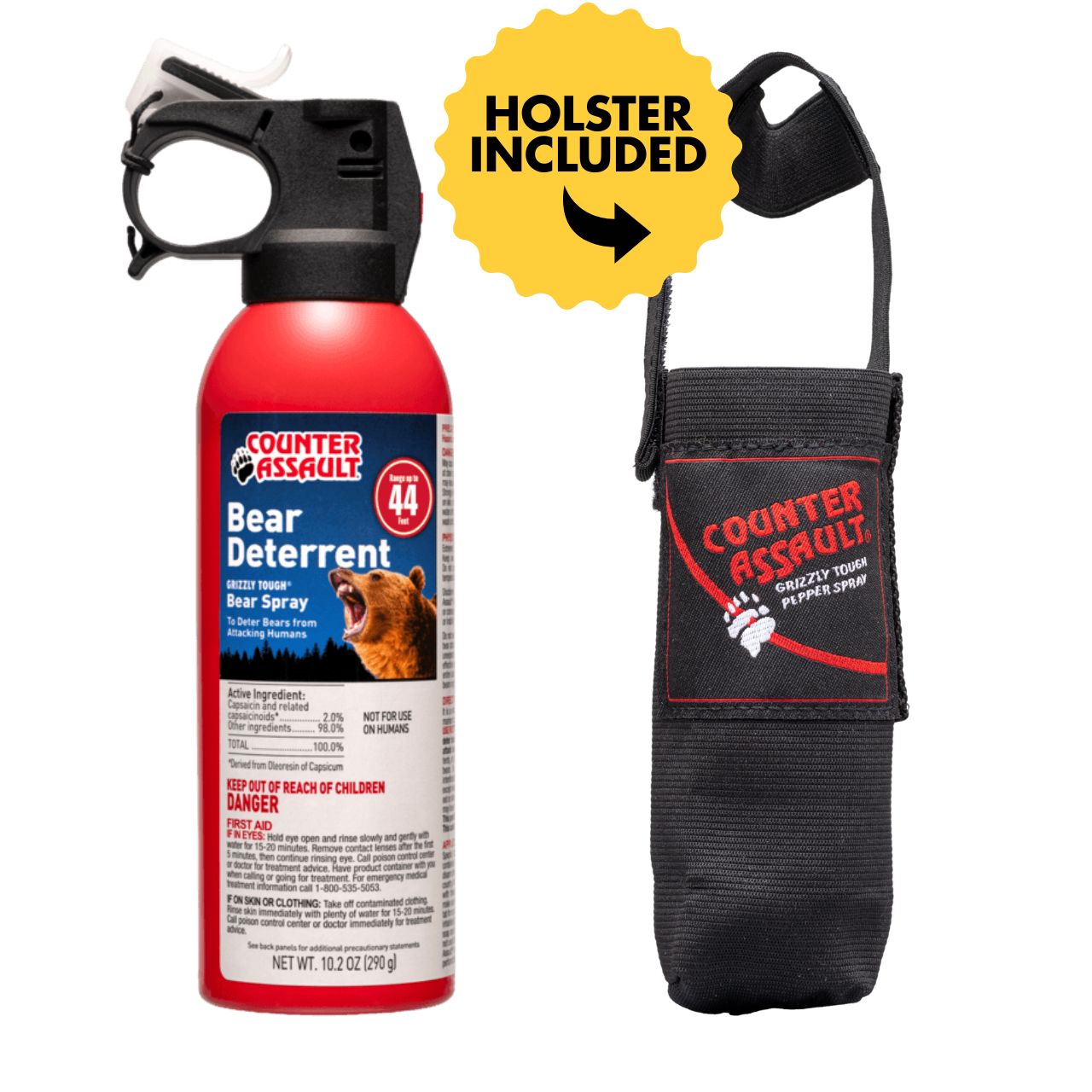
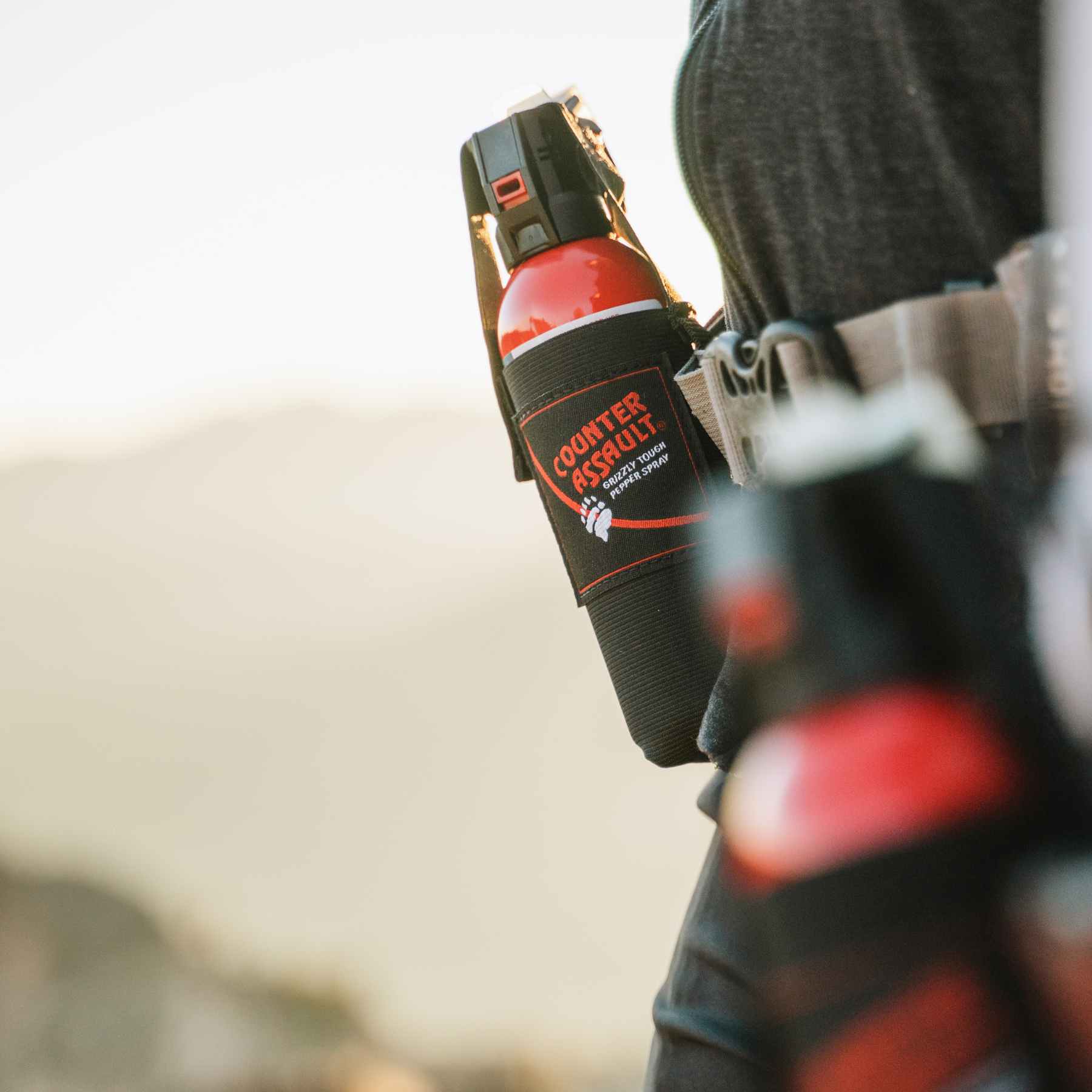
One option is Counter Assault's 10.2 oz bear spray with holster, which is made for quick carry access and is intended for use on bears, mountain lions, and coyotes, not on people.
Basic handling rules matter:
- Keep it accessible: If it is buried in a pack, it is not ready.
- Know how the safety clip works: Under stress, fine motor mistakes are common.
- Aim slightly downward in front of the animal: Put the spray cloud in its path.
- Leave once the animal breaks off: The goal is to create space and get out safely.
Using Deterrents and Fencing Effectively
A raccoon testing a curbside bin is a nuisance problem. A bear working the same area is a safety problem. That difference should decide how much trust you place in deterrents.
Lights, sprinklers, and noise can push a cautious animal off for a night or two. They do not fix a bad setup. If trash still smells strong, lids still fail, or scraps are left around a bin pad, animals keep coming back and they usually learn fast.
What deterrents actually do
Use deterrents to make an area less inviting, not to protect an easy food reward.
Motion-activated lights and sprinklers can help with raccoons, coyotes, foxes, and other scavengers that are still assessing the space. They work best near approach routes, gate openings, and the side of the bin animals hit first. Sound devices are less useful in neighborhoods because they often disturb people more than wildlife.
Deterrents also fade with time. Animals habituate. Sprinklers miss targets in cold weather or poor placement. One blind spot beside a fence or shed can undo the whole setup.
A practical ranking looks like this:
- First-line controls: clean bins, tight lids, locked or latched containers, odor reduction, secure storage
- Support tools: motion lights, sprinklers, visual disturbance, enclosed bin areas
- Low-value add-ons: scent cover-ups, improvised repellents, random banging or one-time scare tactics
For camp, good lighting still matters for people. It helps with cleanup, sorting, and catching small mistakes before they turn into an attractant. Bug spray from Natrapel or itch relief from After Bite may make evening chores easier, but neither product secures trash and neither should be treated as wildlife control.
Where fencing makes sense
Fencing earns its keep around repeat attractants. Dumpster pads, compost sites, outdoor kitchens, chicken feed storage, apiaries, and cabin outbuildings are common examples.
For raccoons and neighborhood scavengers, a fence helps most when it removes easy access and forces an animal into a more exposed approach. For bears, fencing is a different category altogether. A standard decorative fence does little. Persistent bear pressure calls for a properly installed electric fence with enough charge, good grounding, and regular vegetation control under the wires. If the fence is off, poorly grounded, or buried in weeds, it becomes an expensive suggestion instead of a barrier.
Placement matters as much as hardware. Leave enough space inside the fence to work safely around bins or storage. Protect gates as carefully as corners. Check voltage often during the season when natural foods are scarce and animals test human sources harder.
Homes with dogs need one more layer of planning. Pet fencing should not funnel wildlife toward trash storage, feeding stations, or narrow side yards where a dog can trigger a close encounter through the fence. Homeowners comparing safer yard layouts can review FenceScape dog fencing expertise for practical design considerations.
Deterrents buy time. Good fencing and secure containers remove the reward. That is the standard to aim for.
Your Ultimate Wildlife and Trash Safety Checklist
Unsecured waste is a growing problem far beyond one street or campground. The United Nations notes that the world generated about 2.01 billion tonnes of municipal solid waste in 2016, and projects 3.40 billion tonnes by 2050, a trend highlighted by NOAA's discussion of trash and wildlife impacts in this overview of marine debris and garbage threats. That scale is one reason secure storage matters. Small daily habits determine whether trash stays contained or becomes a wildlife attractant.

Home checklist
Use this if the problem is a yard, alley, garage pad, shared dumpster area, or curbside can.
- Store bins inside when possible: A garage, shed, or enclosure beats an exposed can every time.
- Put trash out close to pickup: Don't give wildlife all night to test the lid.
- Double-bag food waste: Especially meat scraps, greasy packaging, and leftovers.
- Wash the can regularly: Lid seams and the bottom of the bin hold the worst odor.
- Use hard-sided, tight-latching containers: Flimsy lids fail first.
- Anchor bins in problem areas: This matters where coyotes or larger scavengers tip cans.
- Remove backup attractants: Pet food, dirty grills, bird seed spill, and open compost all undercut the trash plan.
- Check the ground around the bin: Spills train repeat visitors faster than many homeowners realize.
Campground and RV checklist
This is the list for campgrounds, trailhead overnights, roadside stops, and RV sites.
- Use the site's bear box or food locker: If one is provided, use it.
- Keep trash and food in the same security system: If food is locked up but garbage isn't, the site still smells rewarding.
- Never store trash in a tent: Not for a few minutes, not overnight.
- Separate cooking and sleeping areas: Keep odors and residue away from where people sleep.
- Pack cleanup gear: Trash bags, wipes, and a simple scrub setup keep grease and crumbs from spreading.
- Secure coolers and scented items: Drinks, toothpaste, wrappers, and cookware count.
- Carry a first aid kit: A compact Adventure Medical Kits outdoor medical kit belongs in every camp and RV loadout.
- Bring simple support gear: SOL emergency essentials can help with weather and roadside contingencies that make cleanup harder.
Personal safety checklist
This applies when walking to communal dumpsters, handling garbage around dawn or dusk, or moving through wildlife habitat on foot.
- Stay alert near trash areas: Dumpsters, fish-cleaning stations, and campground bins attract more than insects.
- Don't run from a bear or mountain lion encounter: Back away slowly if the animal isn't charging.
- Speak calmly and stand your ground: Let the animal identify a human presence.
- Make space early: Distance solves more encounters than bravado.
- Carry bear spray where it can be reached: Belt, chest, or other immediate-access carry beats a pack pocket.
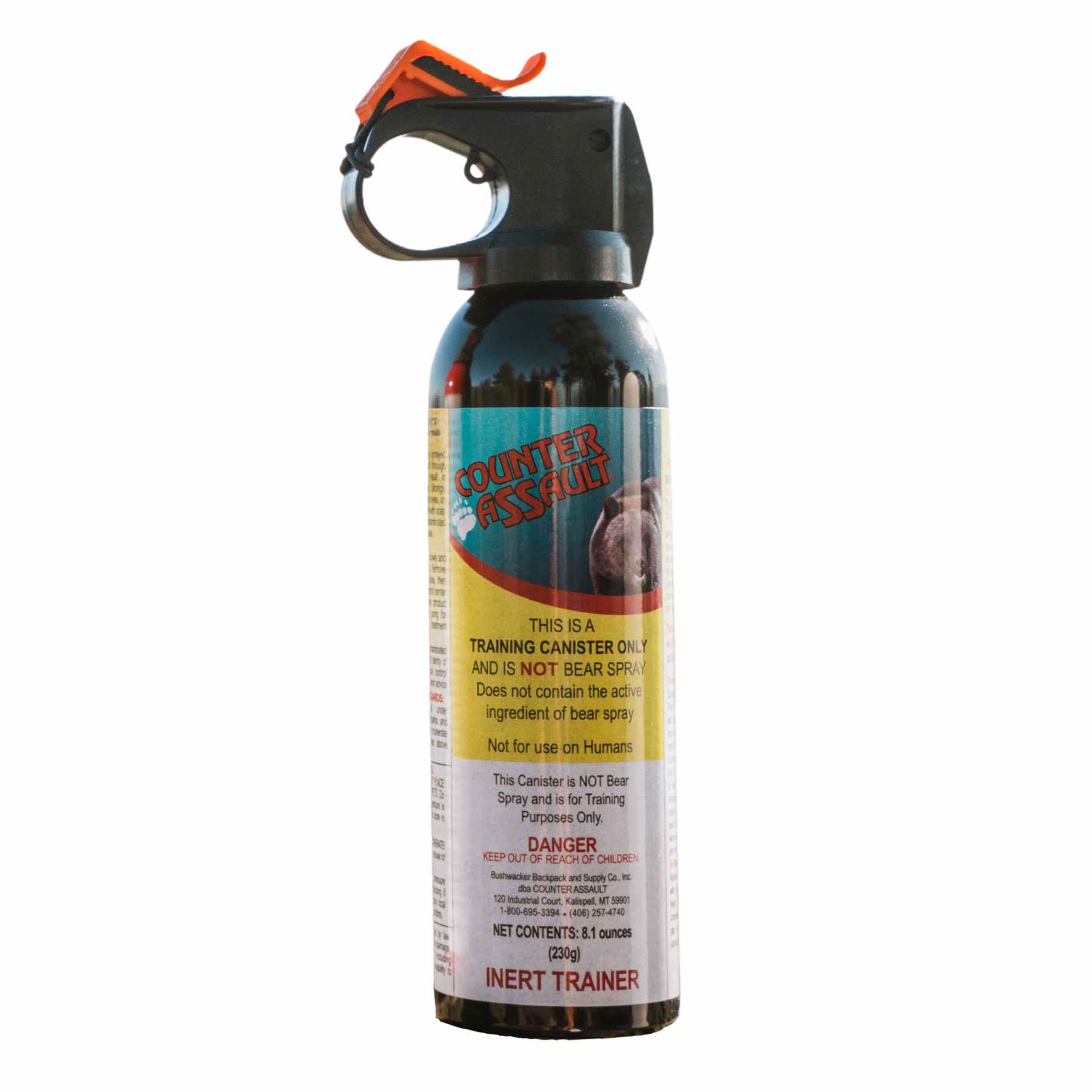
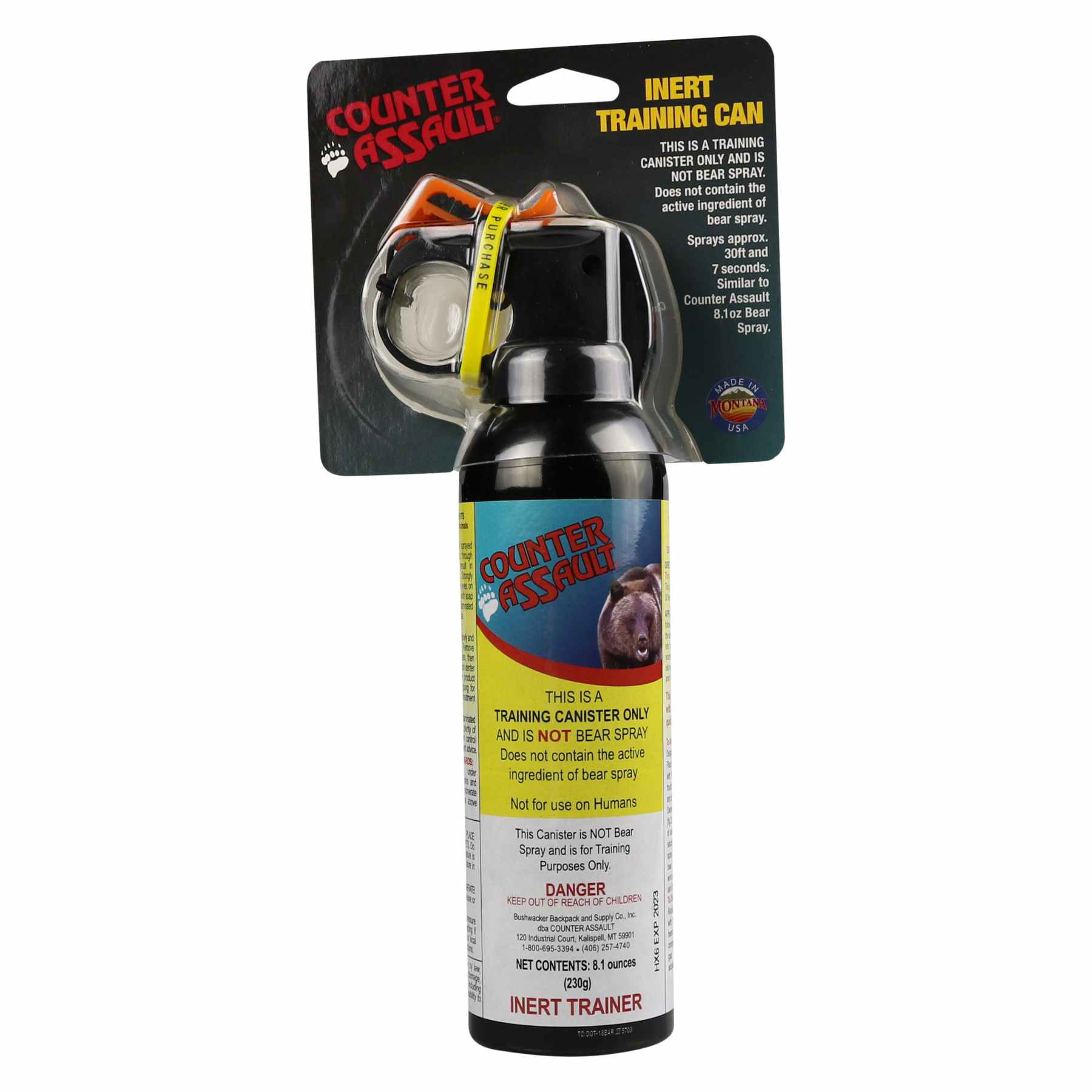
- Know the tool before a trip: Practice removing the safety clip and presenting the canister.
- Use spray only for an aggressive encounter: It isn't a perimeter treatment or gear coating.
- Leave once the animal breaks off: The objective is to create a safe exit.
Neighborhoods work better when the whole block follows the same standard. A clean yard next to a chronic food source still gets visitors. Shared expectations around waste storage, pet food, and fencing reduce that problem faster than any single gadget.
Counter Assault focuses on non-lethal wildlife safety tools for people traveling and living in bear country. For readers who want to add a last-resort safety option to a broader trash-prevention plan, Counter Assault offers bear safety resources, storage information, and bear spray intended for bears, mountain lions, and coyotes.