
A hiker at a trailhead has a simple choice to make, clip a bear spray canister to the belt or leave it in the pack. That choice looks small, but it already reflects wildlife management principles, because it weighs risk, distance, habitat use, and the goal of avoiding harm before a problem starts. The same logic shows up on a ranch edge, in a guide truck, or beside a cabin in cougar country.
These principles are not just for agency biologists. They're the working rules behind when to camp, how to store food, whether to haze a coyote, and when to step back and let a system settle on its own. Read plainly, they're about keeping wildlife, habitat, and people in a workable balance, not about controlling nature for its own sake.
Table of Contents
- Why Wildlife Management Principles Matter in the Outdoors
- Carrying Capacity and Habitat as the Ecological Foundation
- The Formal Planning Process Behind Every Wildlife Program
- Adaptive Management as a Feedback Loop, Not a Philosophy
- Human-Wildlife Conflict and the Non-Lethal Deterrent Toolkit
- Legal and Ethical Foundations Every Practitioner Should Know
- When Less Intervention Is the Stronger Principle
- Putting the Principles Into Practice on Your Next Trip
Why Wildlife Management Principles Matter in the Outdoors
A person heading into bear country is already making wildlife decisions, even if no permit office is involved. Choosing a campsite away from a berry patch, packing food in a secure container, or deciding to carry deterrent spray all reflect the same basic idea, that wildlife encounters are shaped by preparation, habitat, and restraint.
That's why wildlife management principles matter outside the classroom. They help a backpacker think like a land manager, a homeowner think like a habitat steward, and a guide think like a risk assessor. The goal isn't to turn every outdoorsperson into a biologist, it's to make everyday choices line up with the science of coexistence.
The outdoors runs on the same logic as management plans
A hiker who makes noise on a brushy trail is doing more than avoiding surprise. That person is reducing the chance of a close encounter by respecting an animal's space and the way wildlife responds to pressure. A ranch owner who keeps cover, forage, and water in mind is doing the same thing on a larger piece of ground.
Those choices connect to the public-trust and science-based framework described by Oregon State University's overview of wildlife management and by the FAO's definition of science-based stewardship for the benefit of both the environment and society (Oregon State University, FAO wildlife management framework). In practical terms, wildlife management is not just about animals, it's about how people use land without pushing the system past its limit.
Practical rule: if a choice reduces surprise, reduces food attractants, or reduces unnecessary disturbance, it usually fits the logic of good wildlife management.
The rest of this article follows that logic in order. It starts with habitat and carrying capacity, moves into planning and adaptive monitoring, then lands in the tools people use when bears, cougars, and coyotes enter the picture.
Carrying Capacity and Habitat as the Ecological Foundation
A pasture can only carry so many cows before the grass gets hammered and the herd starts to suffer. Wildlife works the same way. The boundary is not a fence line, it is habitat quality, and the warning signs show up in body condition, breeding success, and juvenile survival long before anyone sees a sudden crash.
That is the core idea behind carrying capacity. Managers try to keep wildlife populations at or below what the habitat can support, and they do not get there by counting animals alone. The field picture includes habitat quantity, habitat quality, breeding stock, breeding success, and long-term population trends, because those are the pieces that show whether the system can hold steady (Intro to Wildlife Management PDF).
What healthy habitat actually looks like
Good habitat is not just more plants. It is a usable mosaic of food, water, cover, and space, the four things animals need in order to stay present without wearing out the ground they depend on. University of Montana Extension guidance ties that idea to practices like controlled burning, selective forestry, and food planting, all of which can keep habitat diverse over time (University of Montana Extension).
For a landowner, the central question is not only how many deer or elk show up. It is whether the property still offers the right mix of browse, hiding cover, and room to move through the season. For a hiker, the same pattern shows up in berry patches, fresh scat, game trails, and heavily used drainage bottoms. Those are signs that an area is doing important ecological work.
If forage or cover starts to pinch, the system can slide into stress long before anyone sees a visible population collapse.
That is why habitat work often comes before direct population pressure. A manager who improves cover, restores forage, or reduces fragmentation is fixing the cause instead of trimming the symptom. For readers who want to see the livestock analogy in a ranch setting, find your stocking rate shows the same pressure point from a grazing perspective, which makes the wildlife version easier to picture.

For a field-oriented example of how managers think about bears specifically, see this guide on tracking black bear behavior. The point is not only where an animal was last seen, it is how habitat features shape movement, feeding, and risk.
The Formal Planning Process Behind Every Wildlife Program
A wildlife plan starts on paper, not in the truck. That may sound boring, but it's the difference between a working program and a series of random field actions that never build on each other.
The written process is straightforward. First, define the objectives and expectations. Then inventory the resource, divide the area into management compartments, record objectives and descriptive notes for each compartment, select habitat-improvement practices, schedule them, implement them, and refine the plan from results (State Library guidance).
Why the written step matters
Writing goals down forces clarity. A private landowner might want better elk holding cover near one ridge and fewer conflicts near another, while a guide operation might want safer food storage, cleaner camps, and predictable travel routes for clients. Those are different objectives, and a written plan keeps them from getting muddled.
The same process also protects against memory drift. Without notes, it's easy to forget which clearing was burned, which drainage was planted, or which compartment had the best browse last season. Record keeping turns the property into a readable system instead of a vague impression.
Here's the useful mental picture: the plan is a map of decisions, not just a map of land.
Planning rule: if an action can't be described clearly enough to record, schedule, and evaluate, it usually isn't ready for field use.
The strongest plans also separate compartments because conditions aren't uniform. One slope may be good escape cover, another may be too exposed, and a third may need temporary rest. That compartment approach is what lets managers change one piece of the area without assuming the whole property behaves the same way.

The reason this matters to hikers and guides is simple. Good field behavior usually starts as someone else's written process, whether that's a park plan, a refuge rule set, or a ranch management document. When the plan is clear, people on the ground can make faster, safer decisions without guessing.
Adaptive Management as a Feedback Loop, Not a Philosophy
A bear corridor on a summer trail can look quiet one week and crowded with sign the next. A grazing allotment can hold steady through one season, then shift after drought, fire, or a change in use. Adaptive management exists for those kinds of situations, where the field is always giving back new information.
The core idea is simple. Set an objective, take an action, check what the system does, then change the next decision based on what you saw. That loop keeps managers from treating a first guess like a permanent answer.
The value of that loop is that uncertainty becomes something you can measure. Instead of assuming a harvest rule, habitat treatment, or conflict response will work, managers define metrics in advance and follow how the population or habitat responds. Common indicators include survival, recruitment, age structure, movement, and habitat use.
What gets measured, gets managed
If a change is made but nothing is tracked, nobody learns much from it. A bear-aware campground might add food lockers, change signs, and tighten trash handling, but the useful question is whether those changes reduce bear visits, lower food-conditioning risk, and ease human-wildlife tension over time.
That is why adaptive management is more than trying something and hoping for the best. It is a controlled process. Managers use the first round of data to revise predictive models, then adjust the next decision. In a bear corridor, that might mean shifting where people travel, changing when closures happen, or deciding how often an area gets monitored.
The wider planning perspective matters too, because species and ecosystem processes move across larger areas than a single parcel or trail segment. That becomes obvious when a property owner fixes one fence line but ignores the drainage next door, or when a guide company handles one trailhead without seeing pressure points across the whole valley.

The same logic helps hikers and guides make sense of changing conditions. If the map changes, the plan has to change too. Fixed rules break down in systems where weather, food, predation, and human pressure shift from season to season. When less intervention is the better choice, adaptive management is what helps you see that clearly, because the evidence can show that restraint is working better than another round of disturbance.
Human-Wildlife Conflict and the Non-Lethal Deterrent Toolkit
A quiet camp can turn risky in a few minutes. Food stays out, someone drops a wrapper near the tent, another person walks around a blind corner too fast, and an animal that was avoiding people suddenly has few options left except to hold its ground or move in closer.
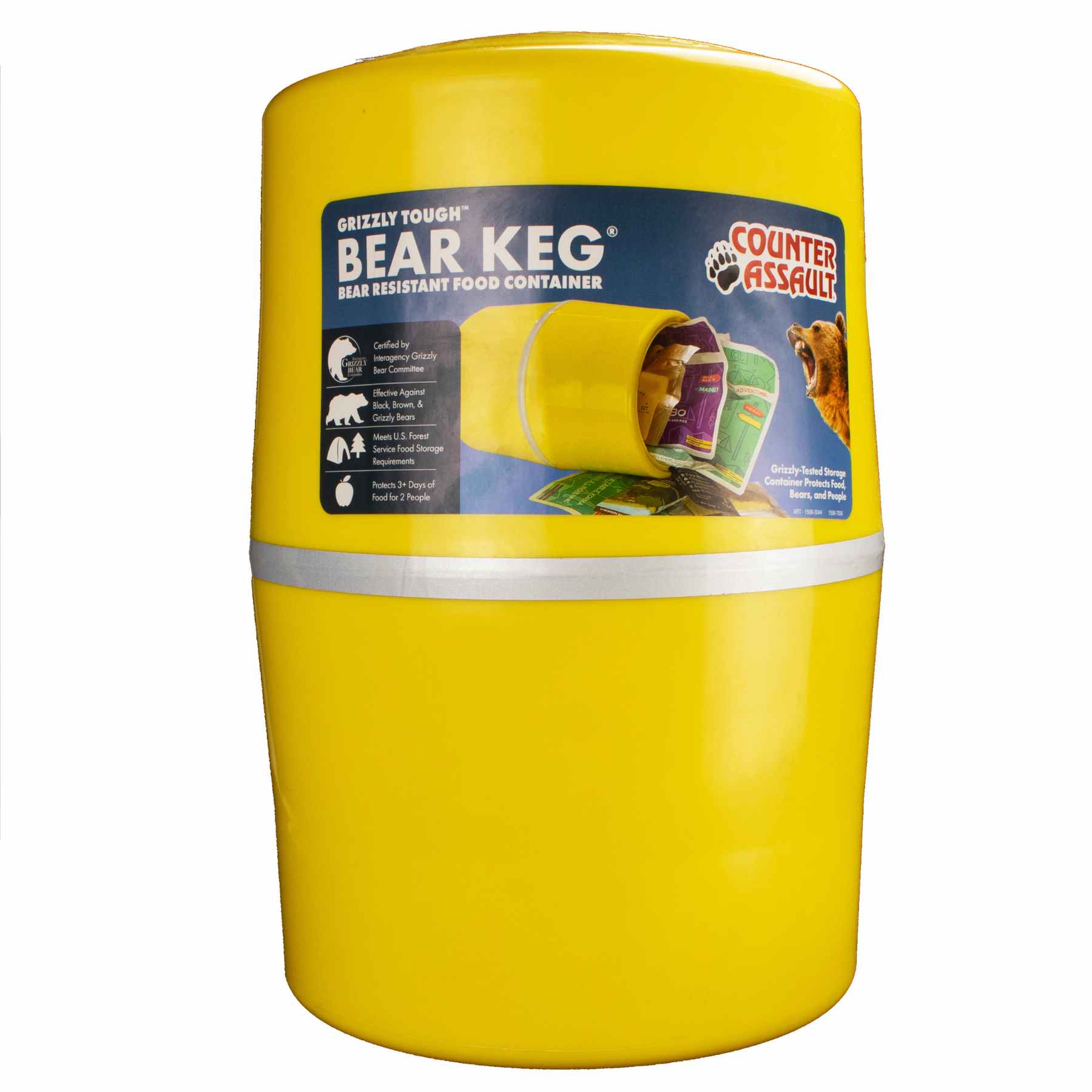
The safest first response is usually the least dramatic one. Hiking in groups, making noise, avoiding dawn and dusk in grizzly country, keeping a clean camp, and storing food and other strong-smelling items away from sleeping and cooking areas all reduce the chance that a conflict starts. It also means keeping distance and resisting the urge to chase a photo or video when a wild animal has already signaled that it wants space.
Tier 1, prevent the encounter
Prevention sits at the top of the toolkit because it lowers the odds that anyone has to react at all. A person walking a brushy trail can talk, clap, or call out before reaching blind corners, the same way a ranch hand checks a gate before livestock drift into a lane. A camper can place food in bear-resistant storage instead of treating a cooler like a secure locker. A dog walker in cougar country can avoid silent, isolated routes when visibility is poor.
The same idea applies to coyotes around neighborhoods and trail corridors. A guide or homeowner who makes the area less attractive, less predictable, and less rewarding is already doing wildlife management, even without a formal permit. For that kind of field guidance, see how to protect yourself from coyotes, which follows the same prevention logic used in everyday conflict reduction.
Tier 2, prepare for an encounter
Once an animal is close enough that prevention has failed, readiness matters. A person should not run, should avoid screaming, should speak in a normal voice, and should stand their ground or back away slowly if the animal is not charging. Making oneself look larger can help, but panic usually makes the situation worse.
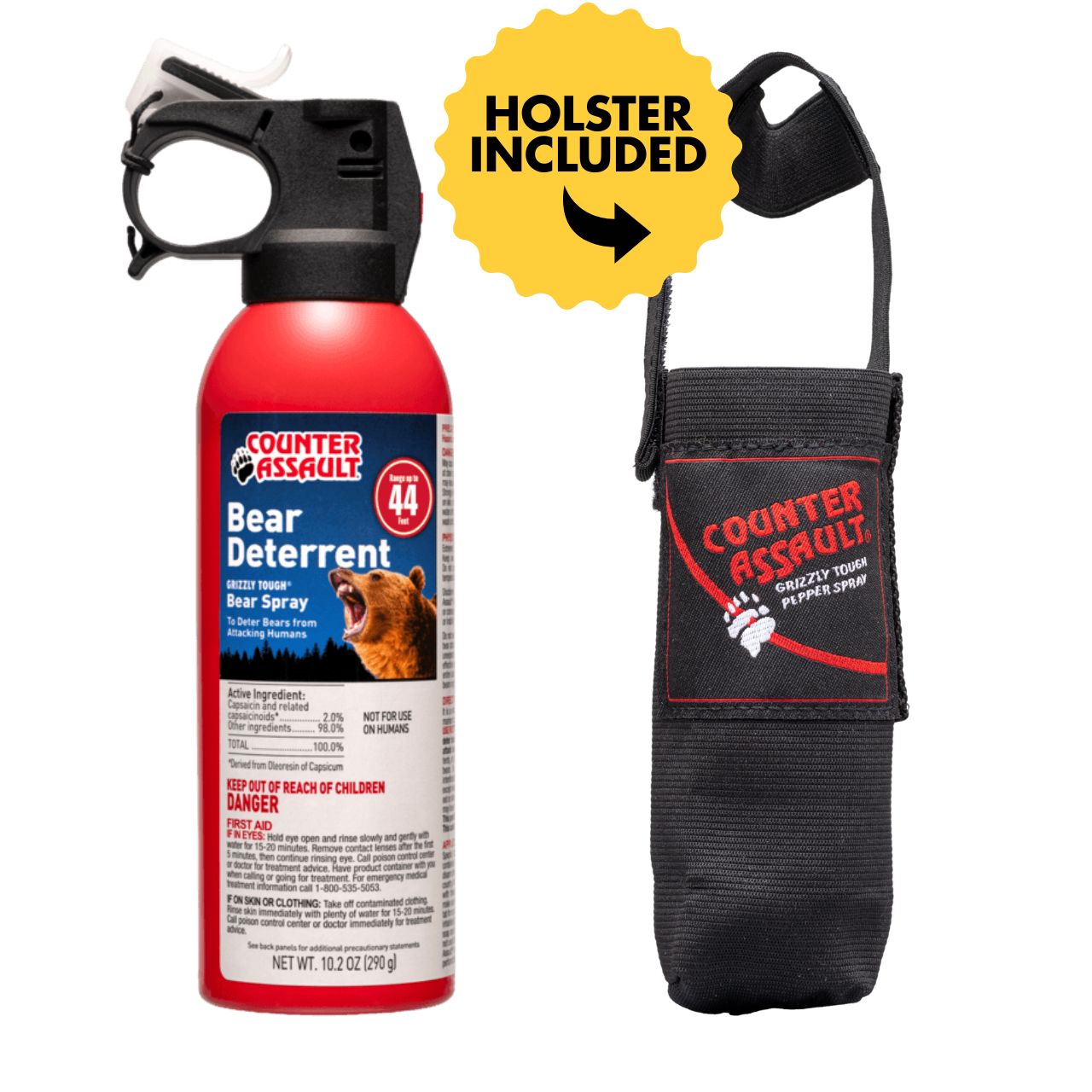
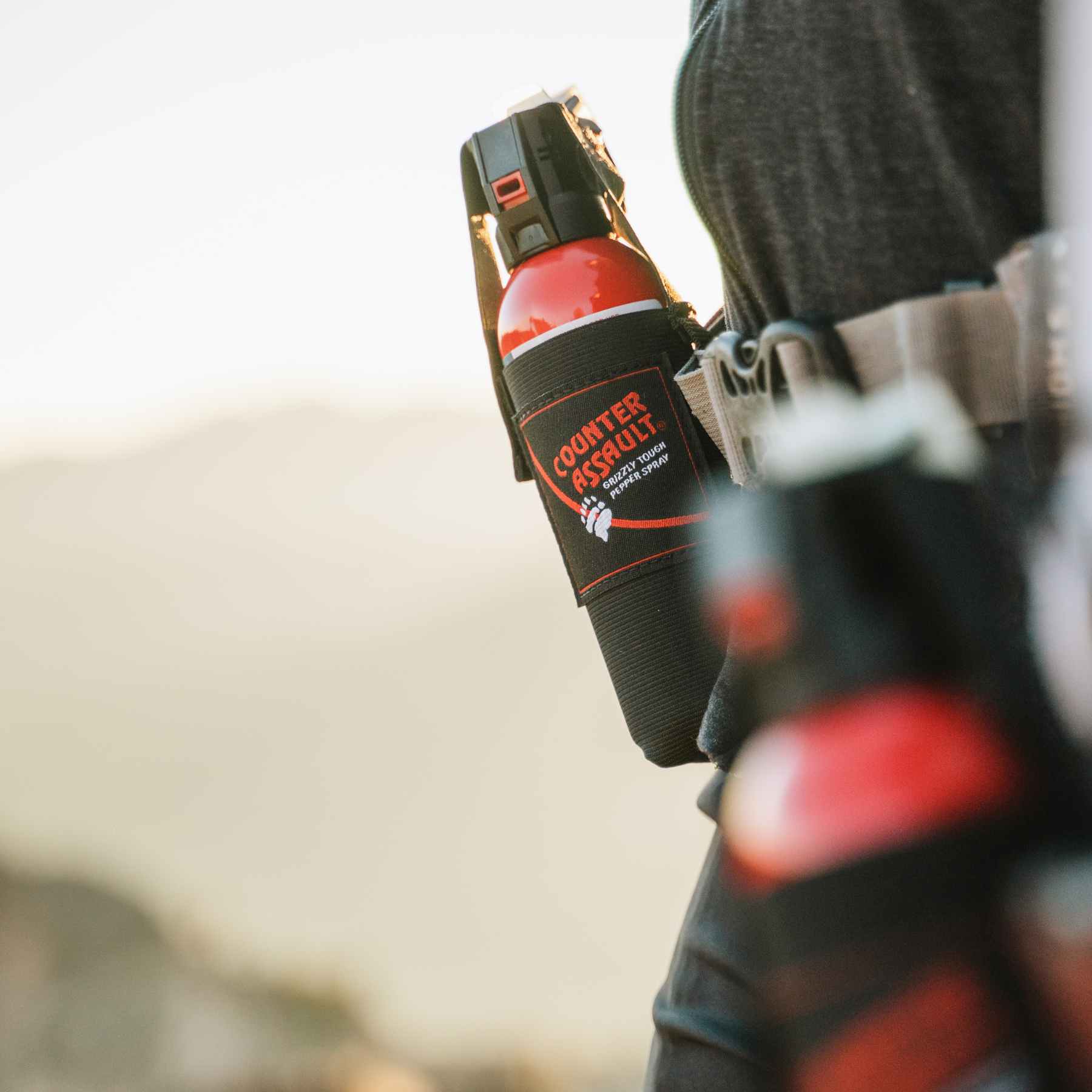
Bear spray belongs in this tier because it is an emergency deterrent, not a daily repellent. It should be used when a bear is charging or acting aggressively and appears likely to charge, with the canister ready before contact closes in. The goal is to create a cloud the animal runs into, not to treat the canister like insect spray or to apply it to gear or people.
Tier 3, use a non-lethal deterrent
When a situation escalates, a non-lethal deterrent is the right tool because it is designed to stop the encounter without turning the animal into a casualty. A long-reach spray matters in brush, wind, and close-range panic because the goal is to create a buffer fast enough to interrupt the charge.
A 2008 study comparing bear spray and firearms found that spray stopped attacks effectively and left most people unharmed, while firearms also stopped many attacks but did not reduce the chance of injury in the same clear way. That comparison matters because wildlife management is supposed to reduce harm, not just shift it.
Legal and Ethical Foundations Every Practitioner Should Know
A hiker sees fresh bear sign near camp, a rancher finds wildlife moving through private pasture, and a guide is asked whether to haze an animal or leave it alone. Those decisions feel local, but they sit inside a regulated public system built on law, science, and a long conservation tradition. The North American Model of Wildlife Conservation frames wildlife as a public trust resource, insists on the rule of law, says wildlife should be killed only for a legitimate purpose, treats wildlife as an international resource, and requires scientific management, along with the other core principles recognized in the model (North American Model summary).
That same logic runs through the FAO's definition of wildlife management as science-based stewardship of wild animal populations and their habitats for the benefit of both the environment and society. The practical point is simple. A trail choice, a hunting season, or a conflict response is never just a one-off judgment. It sits inside a larger legal and ethical structure that shapes what managers can do, what they should do, and when restraint is the better choice.
What this means on the ground
If wildlife is public trust property, then the public does not get to treat it as private property. Managers have to weigh habitat, harvest, migration, and long-term viability, not just immediate convenience. Migratory species add another layer because they cross borders, which is why coordination across jurisdictions matters.
Public education also belongs in this picture. People support what they understand, and they are more likely to follow science-based regulations when those rules make sense to them. A guide who explains food storage rules, a landowner who explains access limits, and a ranger who explains seasonal closures are all doing management work, not just passing along instructions.
| Framework | Scope | Core Focus | Practical Implication |
|---|---|---|---|
| North American Model of Wildlife Conservation | North America | Public trust, scientific management, rule of law | Hunting, trapping, and conflict response are regulated, not improvised |
| FAO wildlife management framework | Global | Science-based stewardship, adaptive management, landscape planning | Decisions need monitoring, coordination, and habitat-level thinking |
| On-the-ground stewardship | Property, trail, camp, or guide operation | Prevention and coexistence | Food storage, distance, and deterrents matter as much as formal rules |
A useful takeaway is that ethics and safety belong together here. A non-lethal deterrent, used correctly, fits these frameworks better than a response built around avoidable harm. The legal system does not just permit restraint, it supports it when restraint still protects people.
When Less Intervention Is the Stronger Principle
A hiker sees a bear near camp and wants a quick fix, food in a pile, a louder scare tactic, a trap, anything that makes the problem feel controlled. A rancher facing repeated wildlife visits can feel the same pressure. The first response is often to do more.
That instinct can miss the cause. The issue may be habitat quality, seasonal movement, social tolerance, or behavior that belongs to the species itself. In those cases, more force can treat the symptom while leaving the cause in place.
The stronger choice is often restraint. Wildlife management works better when the response fits the problem, not when the response feels active. As noted earlier, management is meant to keep populations within what the habitat can support and to track results so decisions can change when conditions change.
A useful filter for that choice is simple. First, watch for a pattern before acting. One sighting does not always justify a broad response. Second, match the scale of the response to the scale of the problem, because a site-wide issue usually needs a site-wide answer. Third, use local knowledge from the people on the ground, since they often notice movement, timing, and repeated conflict before a distant plan does. Fourth, choose the least harmful tool that still works.
That last point matters in practice. If a non-lethal method solves the problem, it belongs first. A fence, a change in food storage, a timing adjustment, or a deterrent may do the job without creating new risk. If the lower-impact option fails and the evidence clearly shows a bigger problem, then escalation makes sense.
Restraint becomes evidence-based rather than passive when managers use monitoring, adjust to what they find, and keep people involved, usually handling conflict more cleanly than those who jump straight to removal. Local experience and traditional knowledge can also reveal why a problem keeps returning, especially where people and wildlife share tight spaces.
The same idea applies on the trail or at camp. A deterrent that stops an encounter without making it worse respects both human safety and animal behavior. For a practical example of how prevention changes the outcome before conflict starts, the guide to camping food storage fits naturally here. That is not softness. It is precision.
Putting the Principles Into Practice on Your Next Trip
A good field checklist is short enough to remember and strict enough to use. Start by asking what the area can support, then think about what your presence changes, and then choose the least disruptive action that still keeps people safe.
The compact version looks like this, know the carrying capacity of the place you're entering, plan before you go, watch what changes, use the lowest-tier intervention that works, escalate only when needed, and stay inside the legal and ethical framework that governs the land. Restraint counts as a deliberate tool, not as doing nothing.

For a deeper look at camp preparation, the article on camping food storage fits naturally with this checklist because food discipline is one of the most reliable ways to keep people and wildlife apart. Readers who want a fuller visual walkthrough can also watch the embedded field video below.
The last thing to remember is that wildlife management principles aren't a barrier to enjoying the outdoors. They're the reason a trail stays open, a campground stays usable, and a mountain setting remains safe enough for the next group that comes through.
Ready to put these wildlife management principles to work in the field? Explore Counter Assault for bear spray, trail safety gear, and practical resources that help you prevent conflict, respond fast, and spend time outdoors with more confidence.