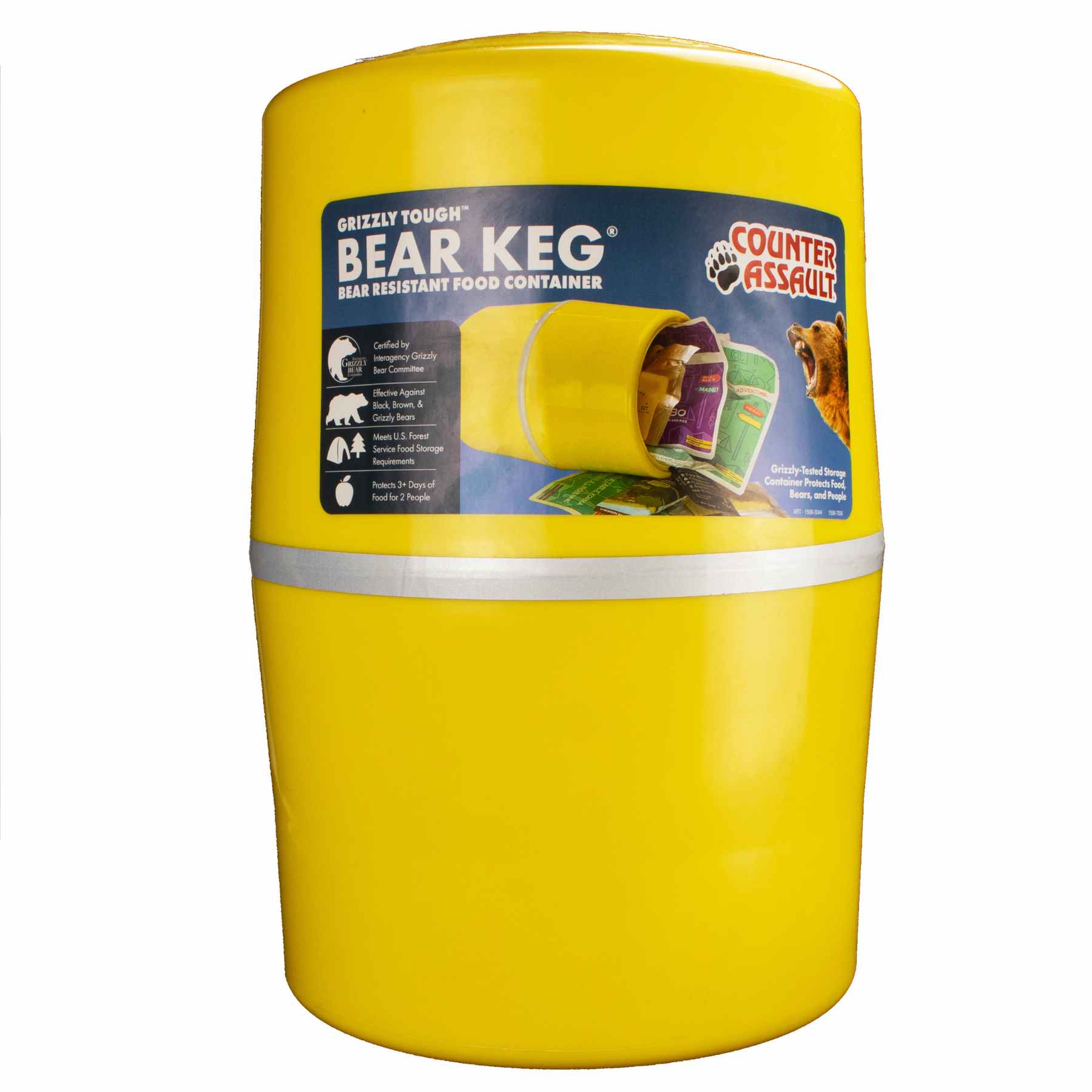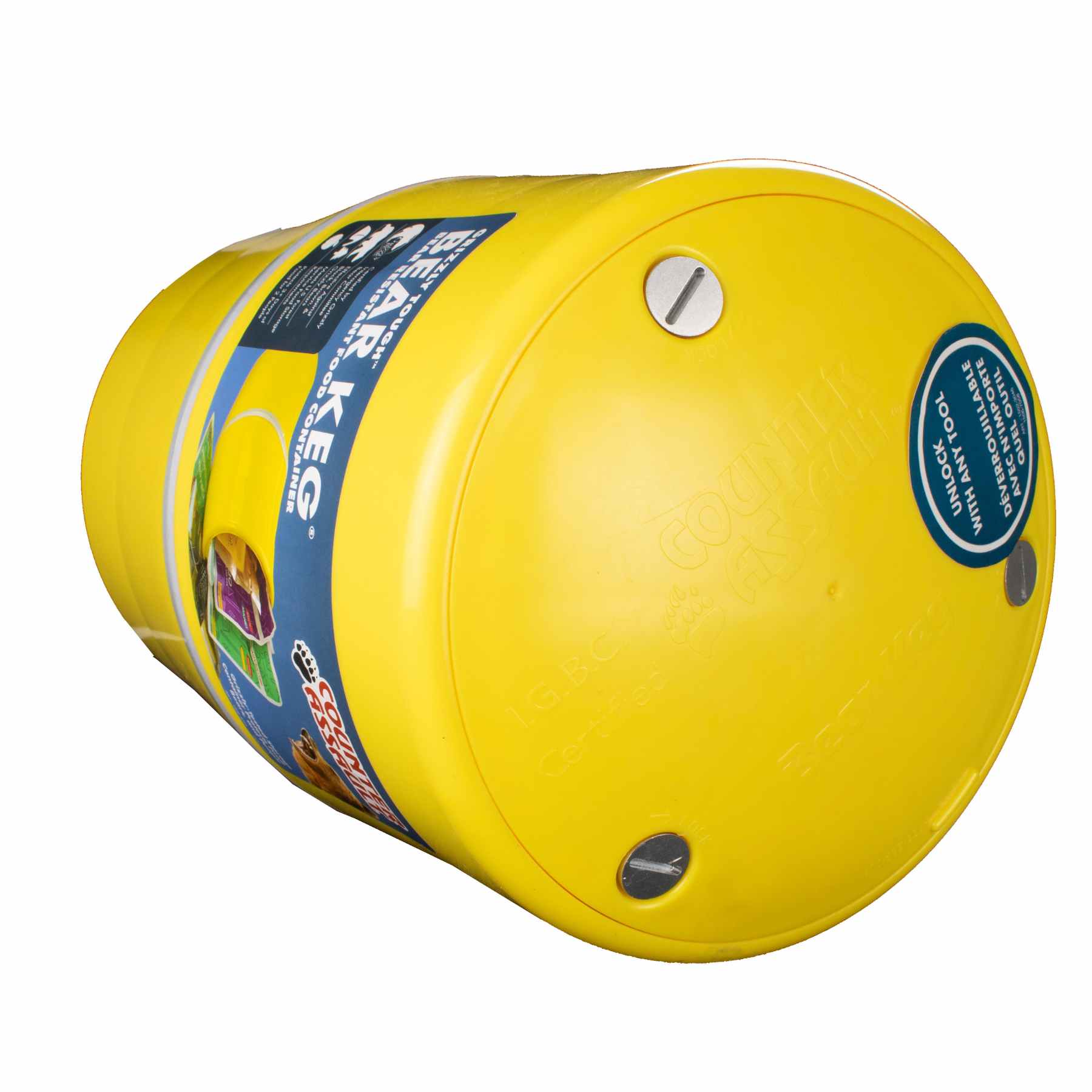

Most gift guides for hikers and campers miss the point. They lean toward novelty, comfort, or campfire fun, but they skip the gear that keeps someone alive when a trip goes sideways. That gap matters because a frequently asked but poorly answered question is what practical, non-glamorous gift prevents injury or death in the wild, and one summary of the problem notes that 62% of outdoor injuries in 2024 involved wildlife encounters or lack of emergency preparedness according to the cited description at Fresh Off The Grid.
The best gifts for outdoor lovers aren't always the most exciting to unwrap. They're the items a person clips on before leaving the trailhead, carries without fail, and hopes never to use. That's what real care looks like in bear country and anywhere remote enough that help won't arrive quickly.
Table of Contents
- Why Practical Safety Gifts Matter Most
- The Ultimate Safety Gift Bear Spray Explained
- How to Choose and Use Bear Deterrents
- Debunking Common Bear Safety Myths
- Gift Ideas for Every Outdoor Enthusiast
- Beyond the Gift Personalizing Outdoor Safety
- The Best Gift is a Safe Return
Why Practical Safety Gifts Matter Most
Outdoor people usually buy their own luxuries. They already have opinions about stoves, coffee kits, camp chairs, and insulated mugs. What many of them put off is replacing worn safety gear, upgrading old emergency equipment, or building a kit that matches the places they travel.
That makes safety gear one of the smartest categories in any list of best gifts for outdoor lovers. It isn't glamorous, but it gets used. More important, it addresses the part of the trip that trend-driven gift guides often ignore: wildlife risk, low light, bad weather, and the delay between an emergency and outside help.
Good gifts solve real field problems
A practical outdoor gift should answer one question clearly. What problem does this item solve in the field?
A decorative camp gadget solves boredom. A good safety gift solves exposure, navigation trouble, wildlife encounters, or injury management. That's a better standard.
- For hikers: fast-access deterrent, reliable lighting, first aid.
- For campers: camp lighting, food storage discipline, bite relief, emergency shelter.
- For families: simple gear that can be used correctly under stress.
- For professionals and frequent backcountry travelers: tools that stay accessible on the move.
Practical rule: If an item can't help a person avoid injury, manage a problem, or get out safely, it shouldn't be the first gift bought for someone who spends real time outdoors.
The care behind the gift matters
Safety gifts work because they respect how the outdoors behave. Bears don't care whether someone packed a premium enamel mug. Darkness doesn't care whether a lantern looked good in a catalog. Trails punish poor lighting, poor preparation, and gear that rides buried in a pack.
A useful gift says something simple: come home safe.
That is why the strongest gift list starts with deterrence, medical basics, dependable light, and a few field-tested support items. Everything else can come later.
The Ultimate Safety Gift Bear Spray Explained
The strongest single gift for anyone traveling in bear country is bear spray. Not because it's dramatic, and not because it belongs in every hand by default, but because it fills a very specific role when an aggressive animal closes distance and a person needs a non-lethal deterrent immediately.
Emergency data summarized by Counter Assault states that bear spray has a 92% success rate in preventing bear attacks when used correctly, and the same source notes a 2025 projection of a 35% increase in sales among hikers and campers, driven by products using a 2% capsaicin formulation that can project up to 44 feet.

Why specifications matter in the field
A long spray distance isn't a vanity number. It creates more buffer between the person and the animal. In a real charge, extra reach means more room to put a cloud between the threat and the user before the animal closes in.
A concentrated formula matters for the same reason. It isn't there to cause permanent harm. It's there to create a strong enough deterrent effect to interrupt aggressive behavior and give people a chance to leave the area safely.
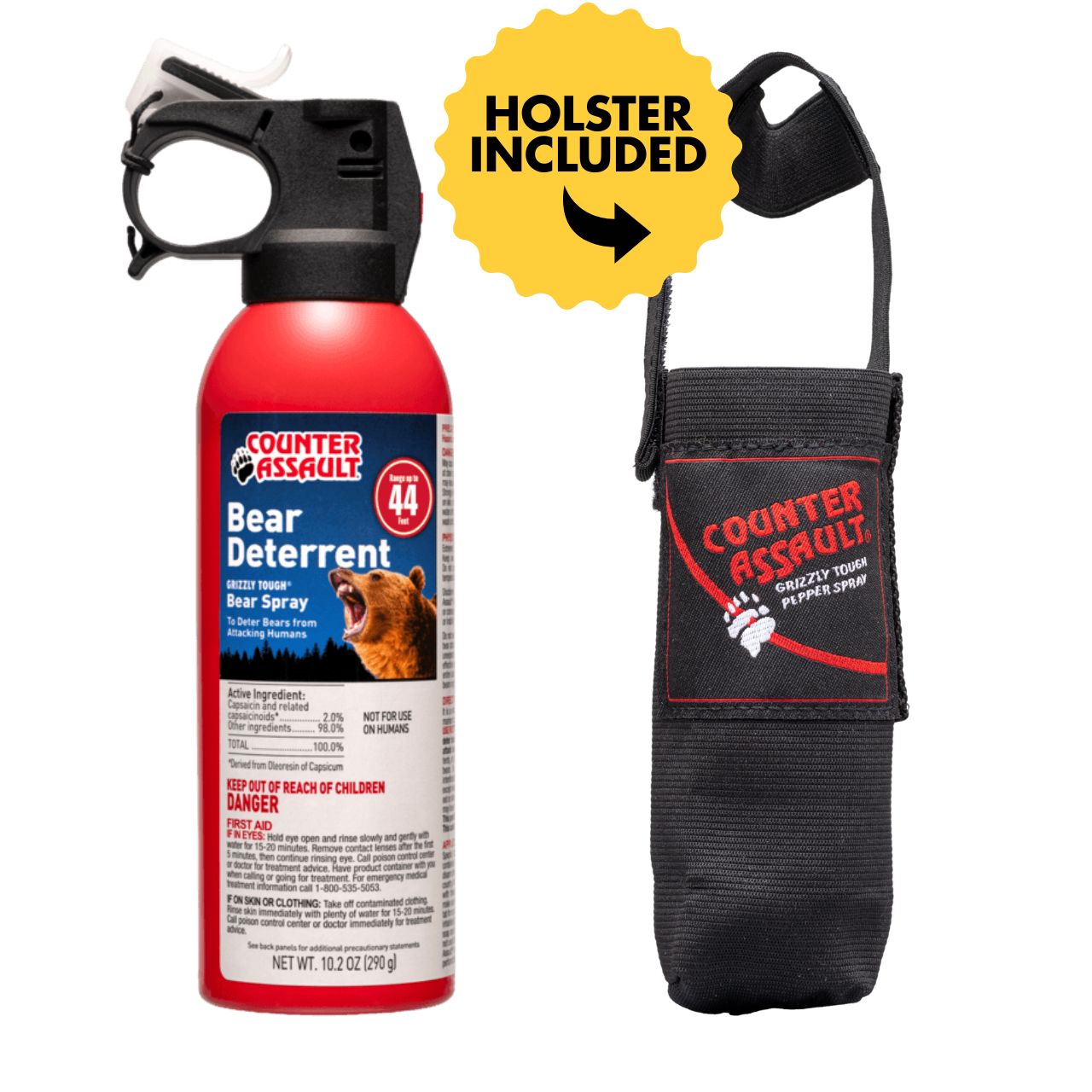
The 10.2 oz bear spray with holster from Counter Assault fits that practical standard. The canister carries a 2% capsaicin and related capsaicinoids formulation, projects up to 44 feet, includes approximately 10 seconds of continuous discharge, and comes with a holster so it can ride where it belongs: accessible, not buried in a pack.
What makes a safety gift worthwhile
A good deterrent gift isn't just the canister. It's the complete setup.
| Feature | Why it matters |
|---|---|
| Holster included | Access is critical under stress. |
| 10.2 oz size | Full-size carry is easier to deploy effectively than undersized novelty options. |
| Made in Montana | Relevant for buyers who want U.S.-made field gear from a bear safety brand. |
| Use on bears mountain lions and coyotes | Broadens usefulness for people in mixed wildlife country. |
Bear spray should only be used on bears, mountain lions, or coyotes. It isn't for people, and it should never be treated like general-purpose pepper spray.
What doesn't work as a gift in this category
Poor choices are easy to spot.
- Tiny canisters marketed for convenience: easy to stash, harder to trust.
- Gear with no carry solution: if it rides inside a backpack, it may be unreachable.
- Products bought for fear instead of training: ownership without basic use knowledge creates false confidence.
The right gift in this category balances reach, volume, legal compliance, and quick access. That combination is what gives a deterrent real value in the field.
How to Choose and Use Bear Deterrents
Choosing bear deterrents isn't complicated, but sloppy choices create problems. The buyer needs to think about volume, access, expiration date, and whether the person receiving it will carry it where it can be reached in one motion.
This visual covers the basics well.

What to look for before buying
The first filter is size. The EPA minimum cited by Field & Stream is 7.9 ounces (225 grams) because smaller canisters may not produce an effective cloud.
That matters more than packaging style or shelf appeal. A deterrent must put enough spray into the air to interrupt an aggressive charge.
Use this quick checklist:
- Check canister size: stay at or above the EPA minimum.
- Check expiration date: old product shouldn't be given as safety gear.
- Check carry method: belt or chest access beats pack storage.
- Check local rules: some parks, flights, and venues have restrictions.
A deeper buying guide is available in this breakdown of bear spray for hiking.
After the buying step, demonstration matters. This field video helps show how deployment works.
How to carry and deploy it correctly
Bear spray only works if the person can get to it fast. A can in the top lid of a backpack is effectively not there during a charge.
The correct basics are straightforward:
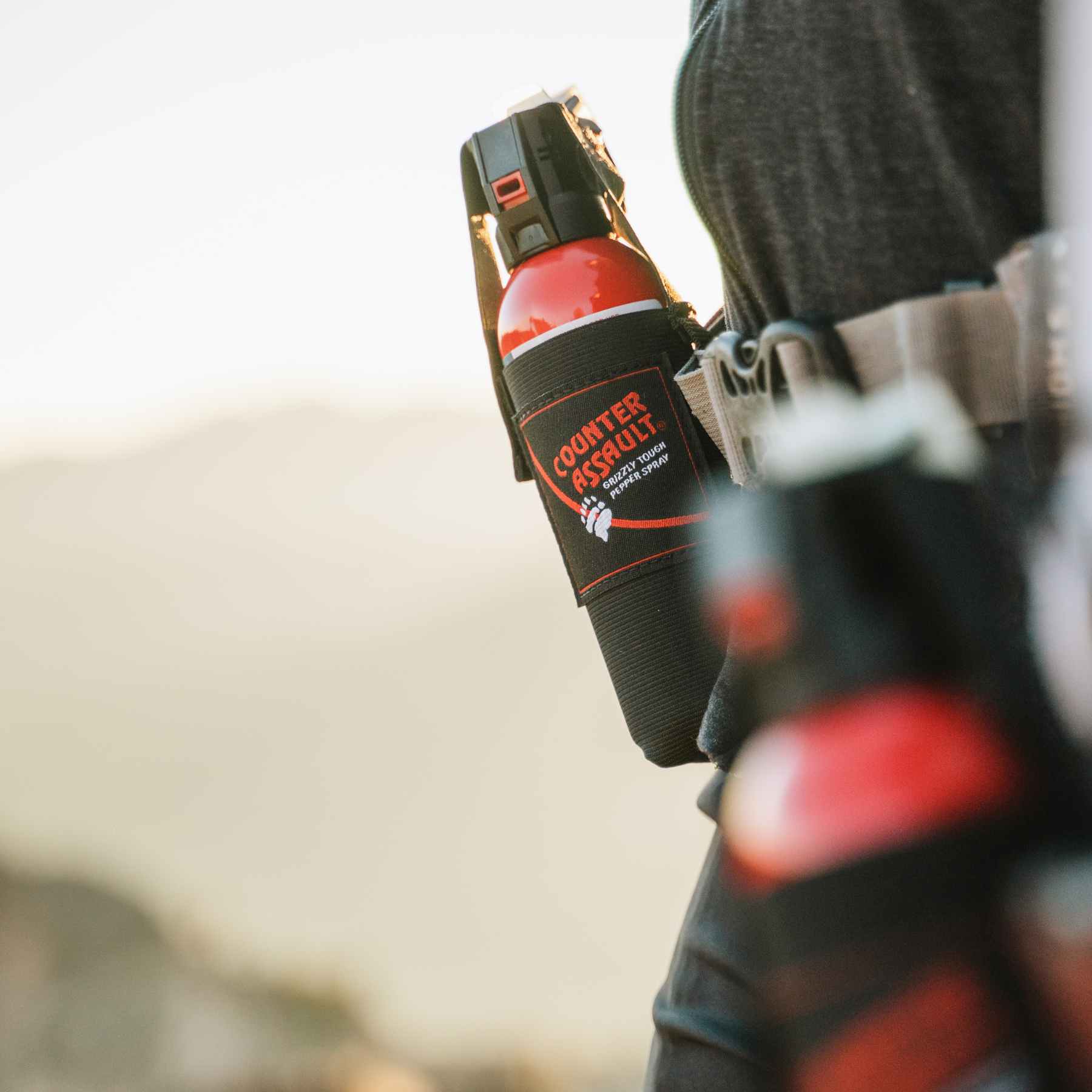
- Keep it accessible: hip belt, chest harness, or belt holster.
- Practice the draw: unloaded practice builds clean movement.
- Remove the safety clip first: this has to happen before anything else.
- Aim slightly downward: place the cloud in front of the animal's path.
- Start spraying at 30 to 60 feet: create a barrier the animal runs into.
- Continue until the animal diverts: if needed, direct the spray into the face.
- Leave the area immediately: the goal is escape, not standing around after deployment.
A deterrent carried deep in a backpack is storage, not protection.
What to do during an encounter
People often make the same dangerous mistake. They run.
That can trigger pursuit. The better response depends on the animal's behavior, but the field rules are consistent: don't run, avoid direct eye contact, stand ground if the animal is advancing, speak in a normal voice, make the body appear larger, and prepare the spray.
Another critical point gets missed in casual advice. Bear spray is not insect repellent. It should never be sprayed on clothing, skin, tents, or gear as a preventive coating. It is for an active aggressive encounter only.
Debunking Common Bear Safety Myths
Bad wildlife advice spreads fast because it sounds simple. Real field guidance usually sounds less dramatic and more conditional. That's a good thing. It reflects how bear encounters unfold.

Myth one guns work better
This myth is persistent, and it gives people confidence they often haven't earned. Under stress, precise shot placement on a fast-moving animal is difficult. A non-lethal cloud doesn't require the same level of precision.
A 2008 University of California and U.S. Forest Service study summarized here found that bear spray was 90% effective in preventing bear attacks, and 98% of individuals using it remained unharmed by the bear.
That same body of guidance also makes the conservation point clear. Non-lethal deterrence is better for both people and bears when it works as intended.
Myth two bear spray does not work
This usually comes from people who have never carried it or who confuse misuse with product failure.
The field record says otherwise. As noted earlier, bear spray has documented success when used correctly. The key phrase is used correctly. Access, timing, and willingness to deploy matter.
What usually fails is not the tool. It's one of these mistakes:
- Spray packed away: too slow to access.
- No familiarity with the safety clip: delay under stress.
- Waiting too long: the animal closes distance too much.
- Using it like repellent: complete misuse.
The useful question isn't whether spray works. The useful question is whether the user can reach it and deploy it before the animal arrives.
Myth three wind makes spray useless
Wind can affect any aerosol. That doesn't make the tool useless.
Most encounters happen in terrain where brush, timber, and broken ground reduce strong crosswind effects. Blowback can happen, but field guidance doesn't support the claim that wind usually cancels out the deterrent. Proper aim and timing still matter more.
A better way to think about the issue is this:
| Claim | Reality |
|---|---|
| Any wind makes spray pointless | Wind is a factor, not an automatic failure. |
| A direct hit is the only way it works | The goal is often to build a cloud in the animal's path. |
| Spray should be saved until contact is close | Starting within the recommended distance gives the cloud time to form. |
Myths make people passive. Useful instruction makes them prepared.
Gift Ideas for Every Outdoor Enthusiast
Good outdoor gifts solve predictable problems before they turn into incidents. Start with exposure, terrain, wildlife pressure, and how the person travels. A backpacker covering miles on foot needs different gear than a family unloading at a campground, and both have different needs than someone walking a dog along the edge of town.

Across those groups, one gift keeps earning its place. Reliable bear spray carried on the body, not buried in a pack. In bear country, that is a higher-value gift than another camp gadget because it directly addresses a low-frequency, high-consequence problem. Good lighting matters too. OARS points out that poor lighting raises the risk of falls and disorientation, which is why a bright headlamp belongs in almost every kit.
For hikers and backpackers
Backpackers need gear they will still carry at mile eight, in rain, and on the last climb back to the trailhead. Weight matters. Access matters more.
Useful gift combinations include:
- Bear spray with a chest or belt holster: fast access matters more than pack organization.
- Compact first aid kit: Adventure Medical Kits makes trail-sized kits that fit day hikes and overnights.
- High-output headlamp: enough output for route-finding, camp tasks, and unexpected late finishes.
- Emergency bivy or heat-reflective shelter: Survive Outdoors Longer offers compact options that make sense for shoulder season and remote routes.
For someone who camps, hikes, and spends regular time in wildlife country, practical outdoor gift ideas for dads who actually use their gear can help narrow the list.
For campers and RV travelers
Campers benefit from gifts that reduce common mistakes after dark and around food. The useful items are rarely flashy. They are the ones people reach for when weather turns, a child trips near camp, or the power goes out.
A strong setup often includes:
- A bright area light or lantern for camp chores
- A first aid kit that stays in the vehicle or trailer
- Food storage and cleanup supplies that support a clean camp
- Bite relief from After Bite for trips where insects are part of the deal
Families who mix campground use with rough-access travel also need to think about the vehicle itself. A practical overview of Solana EV's premium off-road vehicles is useful for readers comparing electric options built for more demanding terrain.
For hunters anglers and field workers
This group usually knows the difference between gear that looks good in a catalog and gear that survives mud, frost, blood, and truck beds. Buy for reliability and quiet efficiency.
Good options include:
- Fast-access wildlife deterrent for work or travel in brush country
- A weather-ready first aid kit
- Lighting that can handle pre-dawn setup and after-dark pack-out
- Insect protection from Natrapel for warm-weather seasons
- Preparedness supplies from Adventure Ready Outdoor
The trade-off here is simple. Lightweight gear is easier to carry. Heavier gear often lasts longer. For hunters and field crews, durability usually wins.
For dog walkers and edge of town adventurers
This group gets overlooked, even though short outings create a false sense of security. A thirty-minute dog walk near open space can put someone in low light, near brush, with one hand occupied by a leash.
A practical gift bundle could include:
- A hands-free light or headlamp
- A compact first aid pouch for cuts, paw injuries, and minor scrapes
- Wildlife deterrent carried where it can be reached fast
- A small backup light kept in the car, coat pocket, or dog-walking bag
The goal is simple. Give people gear they will carry on ordinary days, because ordinary days are when complacency shows up.
Beyond the Gift Personalizing Outdoor Safety
A safety gift gets better when it comes with context. Recipients don't need more stuff. They need gear that's ready to use, easy to understand, and matched to the conditions they face most often.
Bear spray, for example, remains reliable in cold conditions. BearWise notes that bear spray is effective in temperatures as low as -14°F (-26°C), with no performance degradation above freezing. That makes it appropriate for winter trail users, shoulder-season campers, and hunters who spend time out in cold weather.
Build a system not a pile of gear
A thoughtful gift package should work as a system.
Instead of wrapping a single item and stopping there, pair gear with small practical upgrades:
- Add an emergency contact card: laminate it and place it in a first aid kit.
- Add a carry note: show where the deterrent should ride on body, not in a pack.
- Add a camp checklist: food storage, clean camp rules, and where to keep lights at night.
- Add a date reminder: expiration dates matter for deterrents, batteries, and medications.
These details often matter more than extra accessories.
Add knowledge with the gear
The smartest personalization is instruction.
A printed card with core wildlife guidance is useful:
- Hike in groups
- Make noise, especially at blind corners
- Avoid hiking at dusk or dawn when grizzlies are most active
- Keep a clean camp
- Keep distance from wildlife and never approach for photos
Another card can cover encounter behavior:
- Don't run
- Avoid direct eye contact
- Walk away slowly if the animal isn't charging
- Stand ground if needed
- Speak normally
- Make the body look larger
- Prepare the spray
Good safety gifts reduce hesitation. The recipient shouldn't have to guess what to do.
A workshop, local wildlife talk, or family review of backcountry basics can also turn a present into something more durable than equipment alone. Knowledge weighs nothing, and it gets carried every trip.
The Best Gift is a Safe Return
A thoughtful outdoor gift does one job well. It helps the person you care about get home safely.
In the field, flashy gear gets talked about. The items that matter get carried, reached fast, and used under stress. That is why bear spray, a reliable light, and a real first aid kit deserve higher priority than novelty items, especially for hunters, anglers, hikers, and campers who spend time in bear country or remote terrain.
Good intentions are not enough. Shelf life matters, access matters, and so does choosing gear built for actual use. Before giving deterrent gear, review how long pepper spray is good for so the canister is current and ready, not expired in the bottom of a tote.
Trip planning matters too. Families building outdoor habits can get useful planning ideas from Kona Snorkel Trips family travel, especially the reminder that safe adventure starts before anyone leaves home.
If the gift is meant for bear country, Counter Assault is a practical place to start. Their bear deterrents, holsters, and safety gear are built for carry and quick access outdoors.
A good present adds enjoyment. A smart one reduces risk. The one people remember most is the one that helped someone return to the trailhead, camp, or truck unhurt.