
You roll into camp late, dinner smells good, and one bad storage decision turns a simple meal into a wildlife problem. That is why food planning starts before the first bag goes in the tote. Good camping food has to do two jobs at once. It needs to keep people fueled, and it needs to stay controlled, contained, and uninteresting to bears.
A workable camp menu is built around shelf-stable food, tight portions, low mess, and storage that holds up after dark and in bad weather. Weight matters. Calories matter. Odor matters too. Tuna packets, instant oats, jerky, nut butter packets, and dehydrated meals all solve different problems, but every one of them needs a storage plan that fits the campsite, local regulations, and the amount of scent it creates once opened.
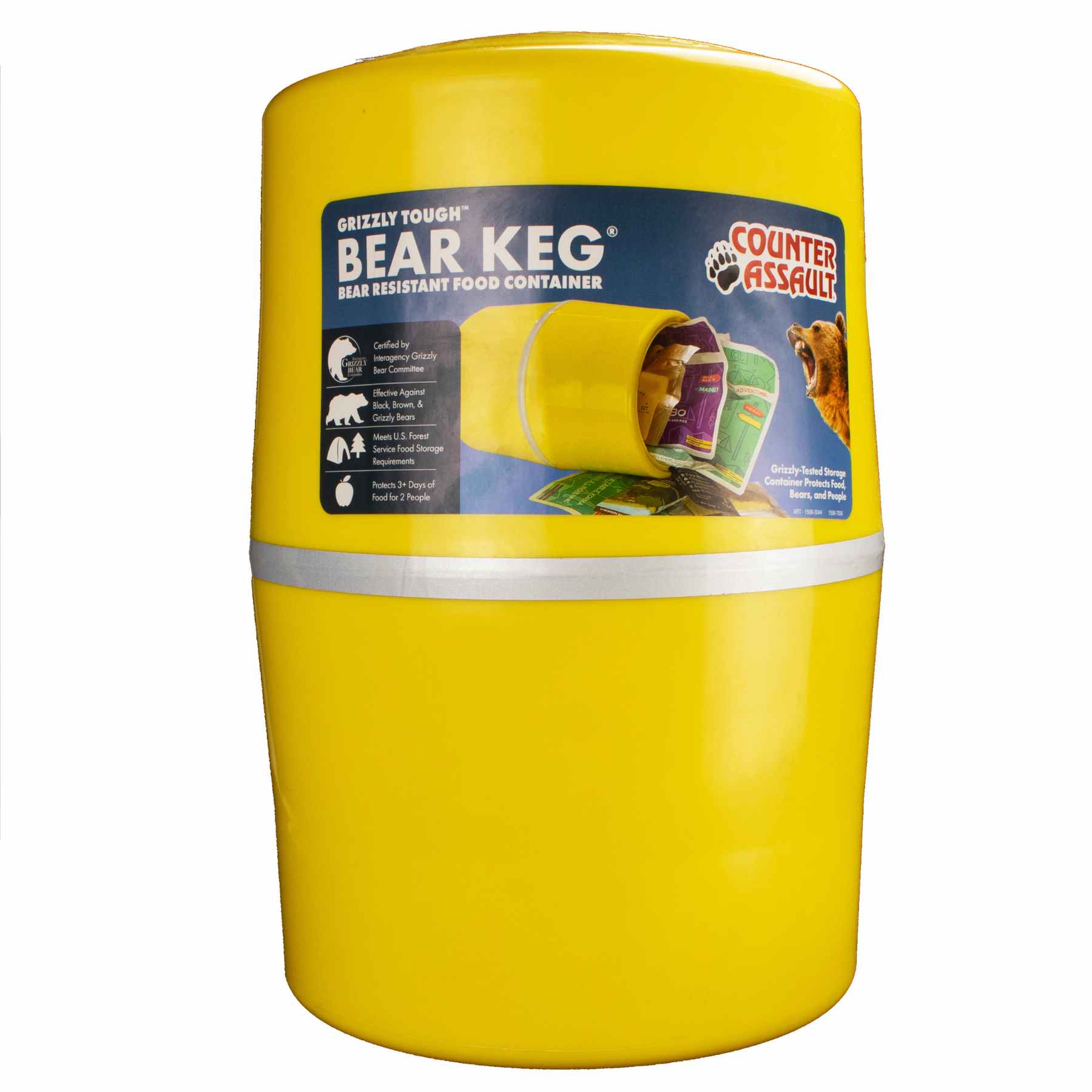
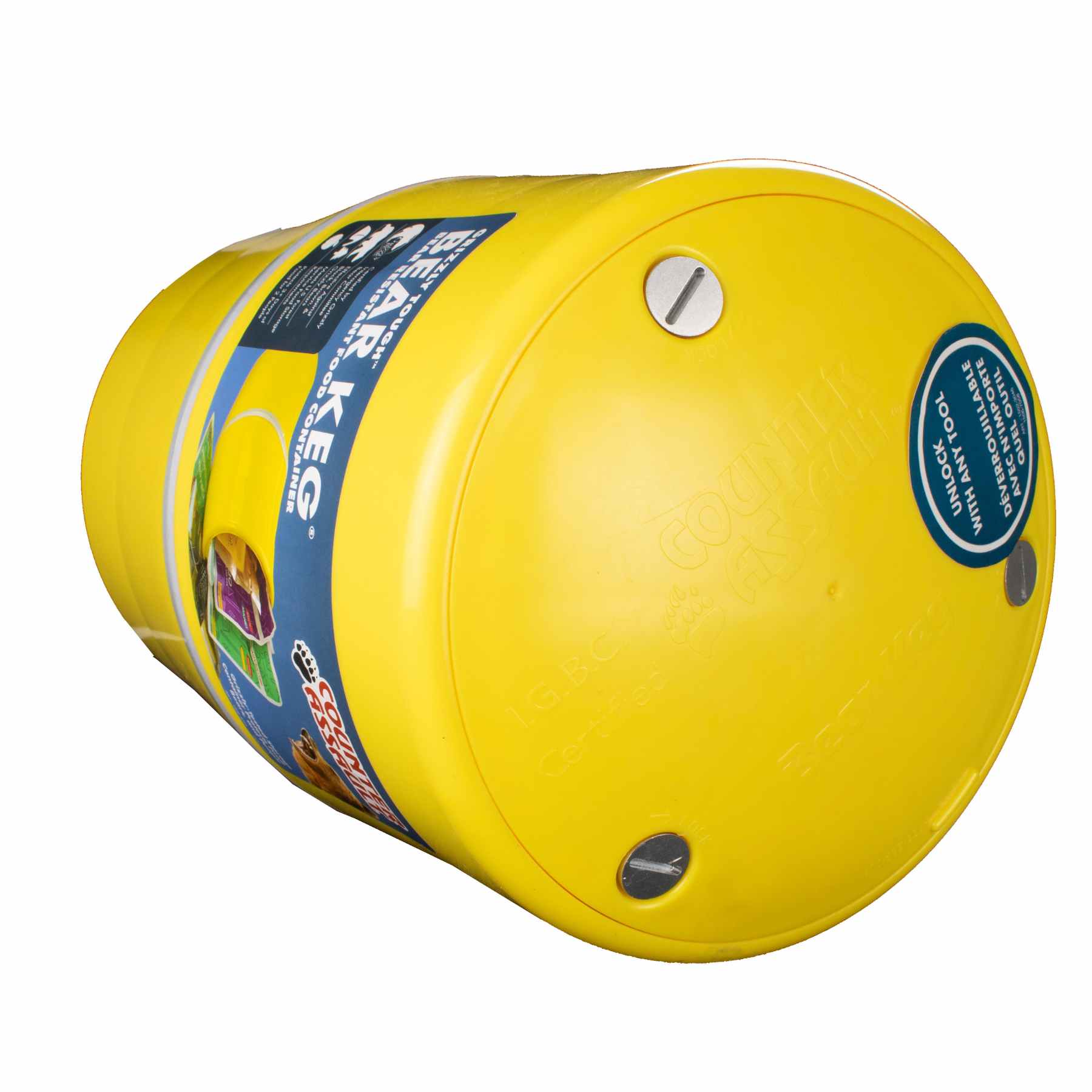
In bear country, the menu and the safety plan are the same plan. Choose foods that pack small, leave little residue, and do not spread grease, crumbs, or sweet smells through camp. Repackage where appropriate, keep daily rations separated, and store all food, trash, cookware, and scented items in a bear-resistant canister, campground locker, or a bear-resistant lock box for snacks and scented food storage when that setup matches the site rules.
Small mistakes add up fast. A sticky wrapper in a pocket, fish pouch liquid on a table, or breakfast spilled near a tent can draw the wrong kind of attention.
The foods below are worth bringing because they travel well, cook fast, and fit real-world camp routines. Just as important, each option comes with trade-offs. Some save weight but need more water. Some give fast calories but create more odor once opened. The right food list is the one you can eat, pack, clean up, and secure without giving wildlife a reason to investigate.
Table of Contents
- 6. Jerky and Dried Meat Products
- Top 10 Camping Foods: Nutrition & Bear-Safe Comparison
- Camp Confidently Your Food Plan Is Your Safety Plan
1. Trail Mix and Energy Bars
You finish a late hike, drop your pack beside camp, and reach for a half-open bag of trail mix in the side pocket. That small mistake is how snack food turns into a bear problem. Trail mix and energy bars belong on almost every camping food list, but only if they are packed, eaten, and stored with the same discipline as the rest of your food system.

These are reliable trail foods for one reason. They deliver fast energy without cooking, cleanup, or fuel use. A good mix usually combines nuts, seeds, and dried fruit for steady calories, with chocolate used carefully in cooler weather because it melts, smears, and leaves odor on hands and gear. Bars work better than loose snacks during cold, wet, or windy breaks because you can eat one quickly without exposing the rest of your food bag.
Choice matters. Bars with soft fillings, strong candy coatings, or fragile wrappers create more mess than they are worth in bear country. I prefer compact bars that stay intact after a day in a pack and trail mix packed in small, single-use portions instead of one large bag. If you need ideas for calorie-dense options that still make sense on foot, start with these high-calorie hiking foods for long trail days.
Pack it like part of your bear protocol
Snack food causes more camp sloppiness than full meals.
- Pre-portion everything before the trip: Small servings reduce time spent digging through food and limit crumbs at camp.
- Use crush-resistant containers or heavy zip bags inside a hard-sided food bin: This keeps powder, chocolate, and broken nuts from coating the inside of your pack.
- Carry one day-use ration only: What you plan to eat on the trail can stay accessible. The rest belongs in a bear-resistant canister, food locker, or properly managed hang.
- Account for wrappers and sticky residue: Empty bar wrappers, nut dust, and fruit scraps need the same secure storage as uneaten food.
- Keep snacks out of the tent: A protein bar in a jacket pocket or hip belt is still food storage, and bears do not care whether it was forgotten by accident.
One more trade-off deserves attention. Homemade mix gives better control over ingredients and cost, but store-bought bars usually win on portion control and cleaner handling. In established campgrounds, that cleaner handling often matters more than gourmet variety. If dinner is pasta-heavy later in the trip, you can browse gourmet Italian pasta for home meal planning, but in camp the better choice is the one that leaves less odor, less residue, and less chance of a wildlife encounter.
For campers who want a better system than loose snack bags, this guide to a lock box for snacks in camp is worth applying to food organization. It's especially useful on family trips where snack access and wildlife safety can easily conflict.
2. Dehydrated Meals and Instant Rice Pasta
Dinner decisions matter most when camp is going in low light, rain is moving in, and you need hot calories fast without turning the cooking area into a scent problem. Dehydrated meals, instant rice, couscous, and quick pasta earn their place because they cook with minimal handling, short boil times, and predictable cleanup.

Freeze-dried pouch meals are especially useful in bear country because the food stays contained before cooking and the empty pouch is easier to seal and store than a greasy pan full of residue. Instant rice and pasta can work just as well, but only if you build the meal around low-mess habits. The trade-off is simple. Homemade combinations cost less and let you control salt, protein, and portions. Commercial pouch meals usually create less prep waste and less odor spread across camp gear.
Mountain House is a common example because the format is straightforward and widely available. Similar logic applies to instant rice with curry packets, couscous with dehydrated vegetables, or small pasta shapes that cook quickly. If you want more ideas for high-calorie hiking foods for longer days outside, pair this dinner category with snacks and lunches that do not require extra cookware.
What works better in camp
A smart camp dinner does three jobs. It refuels you, limits fuel use, and keeps scent contained.
- Choose meals with short cook times: Instant rice, couscous, ramen bricks with added protein, and small pasta shapes reduce stove time and keep food odors active for fewer minutes.
- Add protein with low-mess ingredients: Pouched chicken, tuna, lentils, or freeze-dried meat turn a starch base into a meal that holds up better overnight and on cold mornings.
- Use pouch cooking when possible: Rehydrating in the original meal pouch or a dedicated freezer bag cuts pot scrubbing and leaves less residue in camp.
- Portion seasonings ahead of time: Single-use packets of spices, powdered cheese, or sauce mix work better than full containers that collect grease and smell like dinner for the rest of the trip.
- Plan for waste before you cook: Empty pouches, sauce packets, and food scraps go straight into your bear-resistant canister, campsite food locker, or approved hang system after the meal.
Plain noodles still have a place, but they are a weak dinner on hard trips unless you add fat or protein. Rice sides and pasta packets also deserve a label check. Some are compact and efficient. Others are bulky, fragile, and loaded with powdered sauce that ends up on your hands, pot grips, and storage bags if you rush the prep.
For campground trips, I usually steer people toward one-pot dinners with a defined serving size and a clear storage plan for leftovers. For backpacking, the cleanest system is often one fully cooked meal per person with no shared pot at all. Less handling means less scent transfer. If your home menu planning runs pasta-heavy, you can still browse gourmet Italian pasta, but in camp the better choice is pasta that cooks fast, packs tight, and does not leave a sticky cleanup problem.
3. Nuts and Nut Butters in Packets
Nuts are one of the cleanest answers to the energy-to-weight problem. They're dense, stable, and easy to portion. Nut butter packets add the same benefits without requiring a jar, a knife, or extra cleanup.
Packets are the smarter format in camp. A peanut butter jar gets greasy on the outside, ends up half-closed sooner or later, and usually spreads scent onto other gear. Single-serve packets stay contained, work well with crackers or oats, and limit how much food is exposed at one time.
Best uses in camp
A packet of almond or peanut butter can turn a weak snack into a real lunch. Spread it on pilot bread, squeeze it into oatmeal, or pair it with dried fruit after a steep climb. For youth trips and family camping, that kind of flexibility matters because people don't always want the same food at the same time.
Keep nut products sealed until they're being used, then return every wrapper and unfinished portion to the food storage system immediately. Convenience only helps if cleanup is just as disciplined.
A mixed nut bag also works better when it's broken into small daily portions instead of one large sack. That prevents overeating on day one and cuts the amount of loose food exposed in camp kitchens. Unsalted or lightly seasoned versions are easier to tolerate over several days and usually leave less residue on hands and gear.
This category also helps close a common long-trip gap. Many campers can cover carbohydrates for a week, but struggle to maintain steady protein without a cooler. Nuts and nut butters aren't the whole answer, but they're one of the easiest shelf-stable ways to keep meals from turning into all-starch, low-satiety camp food.
4. Canned or Pouched Fish and Protein
Shelf-stable protein is where many camp menus fall apart. People pack enough snacks, enough carbs, and almost no real meal protein once refrigeration disappears. Pouched tuna, salmon, and chicken fix that quickly.
Pouches beat cans for most hiking and backpacking use. They weigh less, pack flatter, and leave less rigid trash to haul out. For base camp or car camping, cans are still workable, but only if campers are disciplined about empty containers and rinse water. Food residue left on a picnic table or in a fire ring is exactly the kind of mistake that turns a quiet site into an attractant.
The trade-off is odor control
Fish is effective nutrition. It's also one of the more obvious smell producers in camp.
- Use pouches over cans for mobility: They reduce bulk and simplify pack-out.
- Choose water-packed options when possible: Less oil usually means less mess on hands and equipment.
- Build fast meals: Tuna with crackers, chicken with instant rice, or salmon stirred into couscous keeps prep time short.
- Seal waste immediately: Empty pouches, used utensils, and any food-soiled trash need the same storage treatment as food itself.
A tuna pouch over crackers makes a strong lunch on travel days. A chicken pouch folded into rice or noodles turns a weak dinner into something more functional after a long hike. Sardines and oily fish can still work, but they're better reserved for trips where storage and cleanup are very controlled.
For bear-country family trips, this category needs judgment. Shelf-stable protein helps meet calorie needs, but stronger-smelling items demand sharper camp discipline. If the group struggles with cleanup or tends to leave food out, milder shelf-stable proteins are usually the safer choice.
5. Oatmeal Instant Grits and Breakfast Cereals
A cold morning in bear country is when breakfast choices start affecting more than morale. The food that gets people fed fast, with little mess and little scent spread, is usually the food that keeps camp cleaner too.
Oatmeal, instant grits, and plain breakfast cereals earn their place because they store well, cook fast, and are easy to portion before the trip. That last part matters. Pre-measured servings cut open-package time at camp, which helps limit spills, loose crumbs, and food handling around sleeping areas.
Build breakfast around low mess and fast cleanup
Oatmeal works best as a base with controlled add-ins, not a free-for-all from several half-open bags. I prefer packing each breakfast in its own freezer bag or reusable container so the full meal comes out once, gets cooked once, and gets packed away once.
- Instant oatmeal plus a nut butter packet: Better staying power than plain oats, with less chance of leftover food.
- Instant grits with cheese powder or seasoning: A solid savory option, but use powdered add-ins carefully because spilled powder carries odor and attracts attention from small animals.
- Granola or cereal for no-cook mornings: Useful before an early start, though crumb-heavy cereals need more discipline than oats or grits.
- Cream of wheat with cinnamon or dried fruit: Fast hot food for cold weather, with less chewing and easier eating for kids or tired hikers.
Sweet and savory options both help. A trip stocked with only sugary cereal gets old quickly. A trip stocked with only plain oats usually leads to uneaten packets by day three.
Hot cereal also reduces camp drift. People eat, clean up, and move on instead of standing around snacking from open food bags. In bear country, that routine is safer.
Cereal choice changes the cleanup burden. Oats and grits usually leave one pot and one spoon to wash. Flaked cereals and granola scatter crumbs into tents, vehicle seats, and camp chairs if the group is careless. For families or larger groups, that trade-off matters more than flavor variety.
One more point. Breakfast trash counts as attractant. Empty oatmeal packets, sugar wrappers, and sticky spoons go into the same bear-safe storage as the rest of the food and trash, not into a side pocket or on the table for later.
If you already use dehydrated foods on trips, the same storage logic applies across breakfast and protein items. The benefits of dehydrated meat for dogs article is pet-focused, but it highlights why dried foods stay useful in the field: lower moisture, longer shelf life, and easier packing. For campers, that only pays off if every opened item is sealed again and stored properly before leaving camp.
6. Jerky and Dried Meat Products
A bag of jerky earns its place when the weather turns, the stove stays packed, or the group rolls into camp too tired to cook. It gives quick protein with no prep, but it also creates one of the easiest scent-control mistakes in camp. Meat smells travel. In bear country, that means jerky belongs in your food system, not in random jacket pockets, cup holders, or the top lid of a daypack.

Beef jerky is the standard pick, but turkey jerky, biltong, and dried meat sticks help prevent menu fatigue on longer trips. That variety matters. If the group gets tired of chewing the same salty strips every afternoon, the protein gets ignored and the easier junk food gets eaten first.
Jerky works well as a controlled add-on to meals. Chop it into instant rice, eat it with crackers and cheese, or use a small portion as lunch protein on the move. What does not work is passing around a large open bag for an hour while everyone grazes. That habit spreads grease, drops crumbs, and leaves the package sitting out long after the food break is over.
A few field rules keep jerky useful without turning it into an attractant problem:
- Pack it in daily portions: Small zip bags or vacuum-sealed servings limit repeated exposure and cut down on odor.
- Choose lower-grease products when possible: Oily meat sticks and heavily glazed jerky leave more residue on hands and packaging.
- Seal opened portions right away: The half-eaten bag stuffed into a backpack side pocket is a common mistake.
- Store it with all food and trash: Use the bear canister, bear locker, or properly hung food bag every time.
- Keep it out of tents: That includes hip-belt pockets, coat pockets, and any clothing worn while snacking.
Texture is a key trade-off. Jerky is durable and lightweight, but it can be too tough for kids, tired hikers, or anyone who is already behind on hydration. Softer biltong or thinner-cut jerky is usually easier to eat late in the day. Salty dried meat also pushes water needs up, so it fits better when the group has reliable water access and is already drinking enough.
The preservation logic is straightforward. Lower moisture helps meat pack and carry better in the field, which is part of why dried products remain popular. The benefits of dehydrated meat for dogs article is pet-focused, but the same dehydration basics apply to camp food. Reduced moisture helps shelf life and portability. None of that helps if opened meat stays exposed at camp or rides around all day in clothing that later goes into the tent.
Used correctly, jerky is efficient trail protein. Used carelessly, it is a high-odor shortcut to sloppy bear practices.
7. Dried Fruits and Vegetables
Dinner is ten minutes out, hands are cold, and the last thing the group needs is another pot of starch with no texture or color. Dried fruit and vegetables fix that fast. They add sweetness, fiber, and variety without the bruising, leaking, and short shelf life that make fresh produce harder to manage in camp, especially where every food item also has to fit a bear-safe storage system.
Their real value is control. A small portion of raisins, apricots, mushrooms, peppers, or peas can be packed by meal, used completely, and sealed back up without leaving sticky scraps around camp. That matters in bear country. Loose apple cores and half-used produce bags create more odor, more waste, and more opportunities for sloppy storage.
Pack them for meals, not for grazing
Dried produce works better when each item has a job. Raisins belong in oatmeal. Dried mushrooms belong in noodles or rice. Peppers and corn belong in soup, couscous, or instant beans. Random handfuls from a large shared bag usually mean more handling, more crumbs, and a bag that stays open too long.
- Portion by day or by meal: Small zip bags or reusable containers reduce repeated opening at camp.
- Choose unsweetened or lightly sweetened fruit: Heavily sugared fruit gets tiresome on longer trips and leaves more sticky residue on fingers and packaging.
- Use vegetables that rehydrate easily: Mushrooms, peppers, peas, onions, and corn do well in hot water and simple one-pot meals.
- Skip anything soft or damp: If it feels tacky at home, it is more likely to clump, spoil faster after opening, and create a mess in your food bag or bear canister.
Texture is the main trade-off here. Some dried fruit is easy to eat on the move. Some is leathery enough that people stop reaching for it unless they are sitting down with water. Banana chips and apple rings can also get crushed and scatter bits through a pack if the bag is not sealed well. For hiking days, I prefer fruits that stay contained and vegetables that go straight into the pot.
This is also one of the easiest categories to match with odor discipline. Strong-smelling freeze-dried vegetables are usually less of a problem than greasy snacks or fish, but they still belong with the rest of the food, trash, and scented items once dinner is over. Apricots, mango, and sweetened fruit mixes can leave sticky hands, which means the cleanup matters too. Wipe hands, police the ground for dropped pieces, and get every package back into the bear canister, locker, or proper hang before the group settles in.
A simple meal proves the point. Couscous with dried apricots and almonds gives quick carbs and texture without much bulk. Oatmeal with raisins and pumpkin seeds works the same way at breakfast. Good camp food should feed the group and keep the campsite clean. Dried produce does both when it is portioned well and stored like any other attractant.
8. Lightweight Camping Bread and Crackers
Crackers, flatbreads, pilot bread, and sturdy tortillas do an unglamorous job well. They provide structure. Without them, camp meals turn into spoon food and snack food, which gets old quickly.
Harder breads travel better than soft sandwich loaves. Pilot bread, crisp crackers, and dense flatbreads tolerate pack pressure, humidity changes, and rough handling. They also work with almost every other item on this list, from nut butter to pouched chicken to instant soup on the side.
Choose durability over familiarity
Soft bread sounds nice at home and often disappoints outside. It gets crushed, damp, or stale, sometimes all in the same day.
- Pack moisture-resistant bases: Crackers and pilot bread keep longer than sliced bread.
- Pair them with contained toppings: Nut butter packets and pouch proteins reduce mess.
- Keep them away from wet gear: One leaking bottle can ruin several meals.
- Use them for no-cook lunches: That reduces stove time and keeps midday stops efficient.
Some campers like tortillas because they pack flatter and don't shatter. That's a fair trade if the trip doesn't involve extreme compression in the pack. For car campers, crispbread and sturdy whole-grain crackers often feel more satisfying.
Bread items also help spread stronger flavors across a meal. A small amount of tuna, chicken, nut butter, or cheese powder goes farther when there's a solid base under it. That matters on longer trips when food variety gets thin and everyone starts reaching for easy calories instead of balanced meals.
9. Electrolyte Drinks and Rehydration Beverages
Water isn't always enough. Long hikes, heat, and repeated sweating can leave campers flat even when they're drinking regularly. Powdered electrolyte mixes solve that without adding much weight or bulk.
This category works best in packets. Single servings prevent overuse, protect the rest of the supply from moisture, and make it easier to ration across the trip. A few sleeves tucked into the food kit can rescue a rough afternoon faster than another sweet snack.
Use them with restraint
Electrolyte drinks help. They don't replace normal hydration and they don't need to show up in every bottle.
A good pattern is simple. Plain water most of the day, electrolyte mix during heavy exertion or after a sweaty climb, then back to water.
A practical setup includes one packet for the hike out, one for hot afternoons, and one reserve packet left untouched unless conditions justify it. Families should also test drink mixes before the trip. A child refusing an unfamiliar flavor at camp turns useful gear into dead weight.
Supporting items matter here too. A compact Adventure Medical Kits first aid kit belongs in the same planning conversation as hydration, and a dependable LuminAID camp lantern and charger helps with late meal prep and water organization after dark. Campers dealing with bugs around water sources should also look at Natrapel insect repellent products rather than letting mosquitoes push hydration breaks into a rushed, sloppy routine.
Electrolyte powders don't answer what food to bring camping by themselves, but they support every food choice on the trip. People digest, recover, and perform better when hydration stays on track.
10. Camping Nutrition Planning with Bear Safety Integration
Dinner is over, the fire is down to coals, and everyone wants to crawl into a sleeping bag. That is the point where bad food planning causes trouble. One sticky drink packet, a fish pouch left in the trash, or a pot with food residue can pull wildlife into camp faster than any menu mistake made at the store.
Good camping food does two jobs. It fuels the trip, and it fits a bear-safe routine you can follow when you are tired, cold, wet, or packing in the dark. That means choosing meals with controlled portions, limited grease, low cleanup, and packaging you can seal and store without fuss.
For a short trip, keep the menu tight. Breakfasts like oatmeal with dried fruit, lunches built around crackers, nut butter packets, and a protein pouch, and simple dehydrated dinners all work because they create less mess and fewer leftovers. That matters in bear country. Cleaner meals are easier to cook, easier to secure, and less likely to leave odor on tables, packs, or hands.
Longer trips require more discipline, not just more calories. Menu fatigue makes people careless. I have seen otherwise competent campers get sloppy with wrappers and dish cleanup by day three because every meal felt repetitive and nobody wanted to deal with one more sticky food bag. A better rotation solves part of that problem. If meals are easy to finish and easy to store, camp stays cleaner.
Bear country changes the standard packing list. Food, trash, toothpaste, lip balm, drink mixes, fish pouches, cookware, and anything else with odor belong in the same storage plan. If it smells, store it like food.
Required camp food habits
- Store food and scented items away from sleeping areas: Keep food, trash, toiletries, and dirty cookware out of tents and away from where people sleep.
- Use the storage method required at your campsite: In many areas that means a bear-resistant canister, food locker, or a proper hang. This guide to camping food storage in bear country is a useful planning reference.
- Portion food before the trip: Single-meal bags reduce handling, speed up cooking, and leave less waste and scent around camp.
- Cook and clean right away: Finish eating, secure the trash, and deal with dishwater before camp settles down for the night.
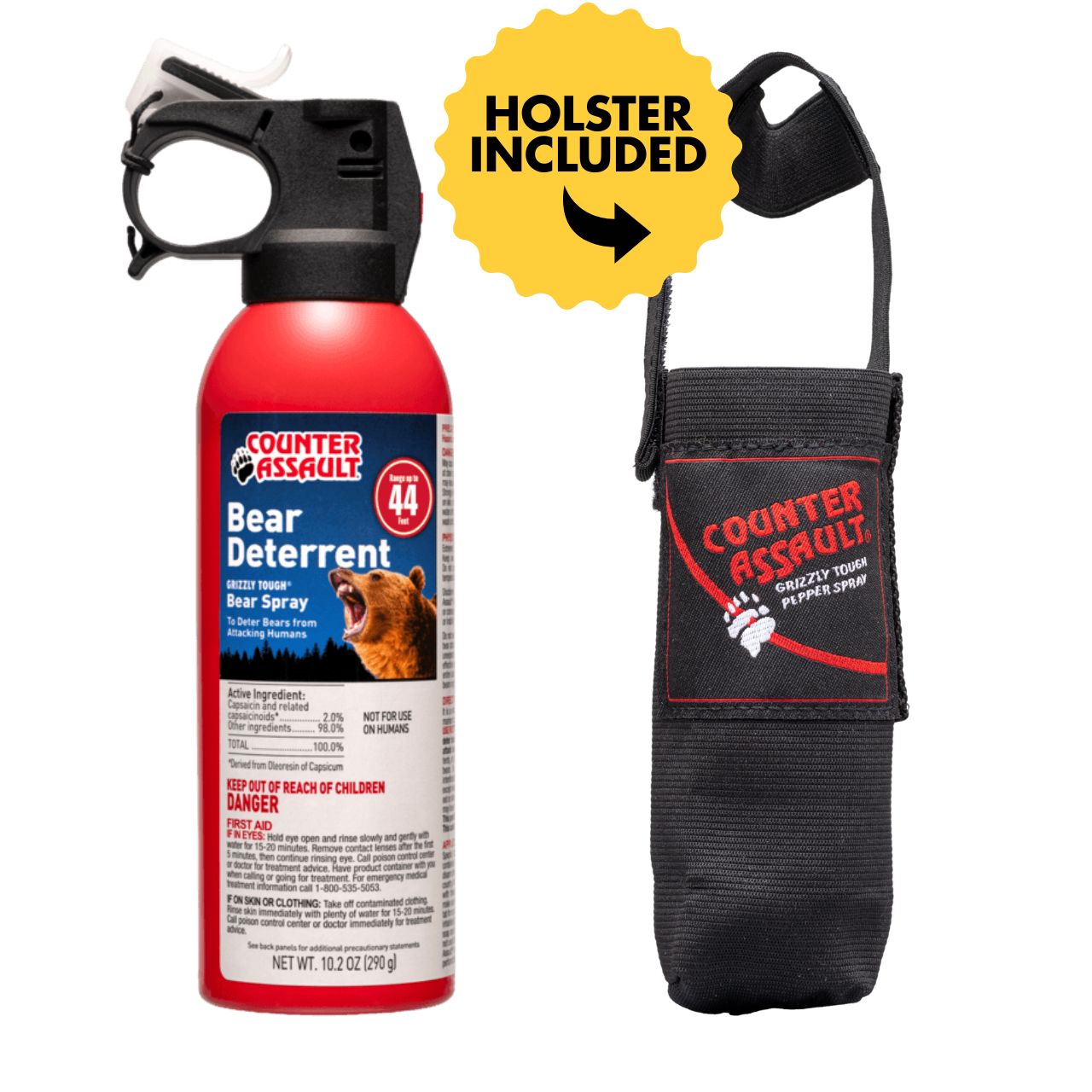
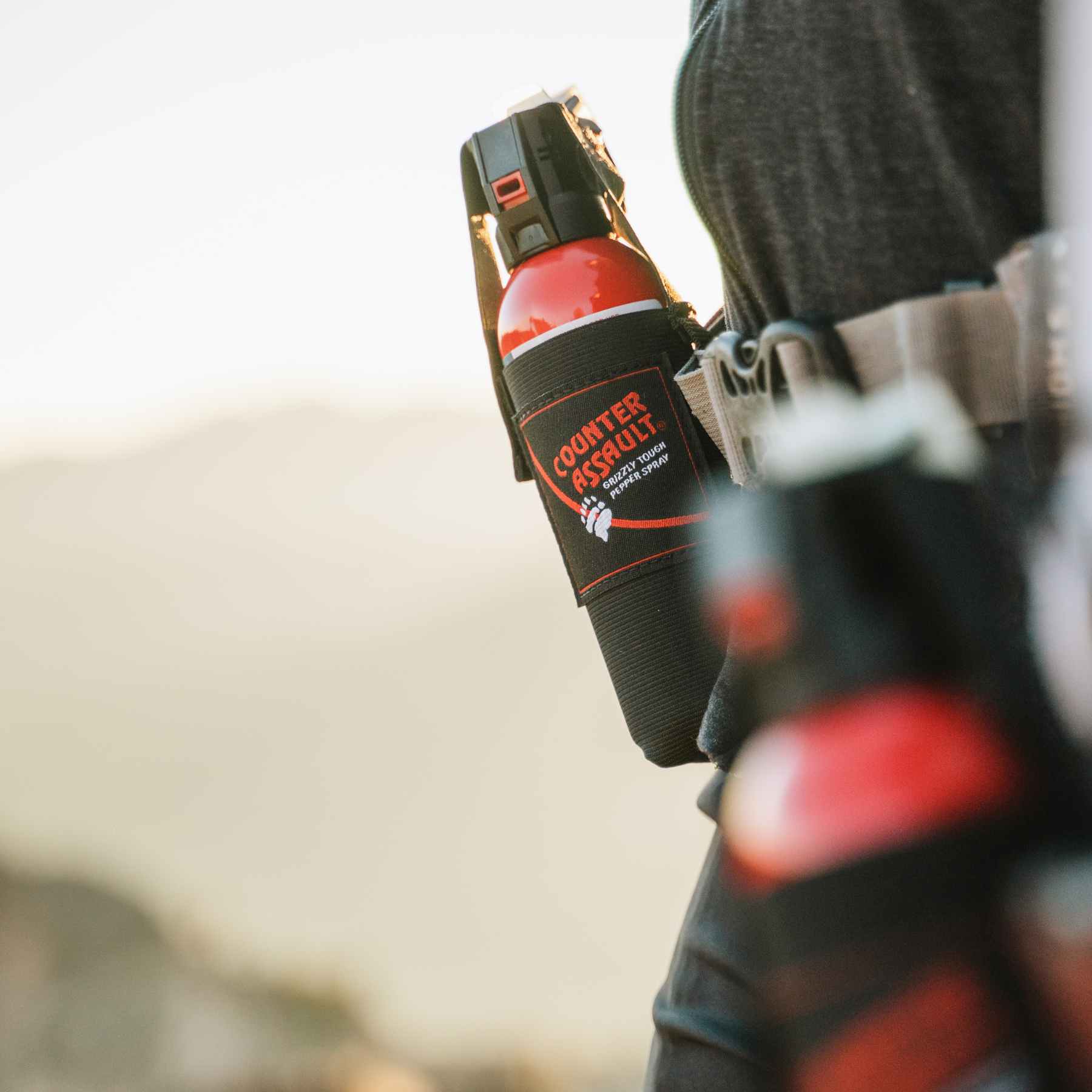
- Keep bear spray on your body or within immediate reach: It cannot help if it is buried in a duffel or clipped to the food bag.
Counter Assault's 10.2 oz bear spray with holster fits this setup because it is made for accessible carry instead of pack storage. The REI product listing for Counter Assault bear deterrent spray notes the EPA-registered formulation details. Bear spray is for aggressive wildlife encounters. It is not a cleanup tool, and it is not something to spray on gear, tents, or food areas.
Your food plan is part of your safety plan. Choose meals you can portion cleanly, cook with minimal residue, and lock down every time. Camp confidence starts there.
Top 10 Camping Foods: Nutrition & Bear-Safe Comparison
| Item | 🔄 Complexity | ⚡ Resource requirements | 📊 Expected outcomes | ⭐ Ideal use cases | 💡 Key advantages |
|---|---|---|---|---|---|
| Trail Mix and Energy Bars | Low, no cooking; simple portioning | Minimal, lightweight, no stove or water | Sustained quick energy between meals | Day hikes, quick energy boosts | High calorie density; customizable; long shelf life |
| Dehydrated Meals & Instant Rice/Pasta | Low–Moderate, requires hot water/stove | Moderate, water, stove/fuel, resealable pouches preferred | Complete, hot meals with balanced macros | Backpacking dinners; multi-day trips | Compact full meals; low waste; quick prep |
| Nuts & Nut Butters (Packets) | Very low, grab-and-eat packets | Minimal, lightweight; sealed packets; bear storage advised | Sustained satiety and slow-energy release | High-exertion days; emergency calories | Protein & fat dense; single-serve portion control |
| Canned or Pouched Fish & Protein | Low, ready-to-eat (pouches preferred) | Moderate, heavier than dehydrated; requires bear-safe storage | High protein; nutrient-dense, satiating | Quick camp lunches; protein supplementation | Complete protein; omega-3s; no cooking required |
| Oatmeal, Instant Grits & Cereals | Low, hot water needed; quick prep | Low, water and minimal fuel | Morning carbohydrate energy; comforting start | Breakfast before long hiking days | Affordable, customizable, fast to prepare |
| Jerky & Dried Meat Products | Very low, no prep | Minimal weight; strong aroma requires bear canister | Highest protein-to-weight; long-lasting energy | Sustained protein on long hikes | Best protein-to-weight ratio; durable shelf life |
| Dried Fruits & Vegetables | Very low, ready-to-eat or rehydrate | Minimal, lightweight; optional water to rehydrate | Micronutrient boost and quick natural sugars | Add variety/snacks; rehydrated meal components | Lightweight source of vitamins; versatile |
| Lightweight Camping Bread & Crackers | Very low, no prep | Minimal, keep dry; waterproof packaging recommended | Stable carb base for meals; quick assembly | Lunches, pairing with spreads/proteins | Versatile base; long shelf life; easy to pair |
| Electrolyte Drinks & Rehydration Mixes | Low, mix with water | Low, powder packets; clean water required | Replenishes electrolytes; improves endurance | Hot/humid days; high-exertion & recovery periods | Prevents dehydration; encourages fluid intake |
| Camping Nutrition Planning with Bear Safety Integration | Moderate–High, requires advance planning | Higher, time, bear-resistant containers, varied provisions | Optimized nutrition, weight efficiency, reduced bear risk | Multi-day/backcountry trips in bear country | Holistic approach balancing calories, safety, and storage |
Camp Confidently Your Food Plan Is Your Safety Plan
A strong camping menu does more than fill a cooler substitute or check a packing-list box. It supports movement, recovery, focus, and judgment. On an easy overnight, that might just mean a smoother morning and a better dinner. On a longer trip in rough weather or bear country, it can mean the difference between a settled camp and a sloppy one.
That's why the best answer to what food to bring camping is never just a pile of random snacks. Good camp food has a job. Trail mix and bars keep energy accessible. Oatmeal and grits make breakfast reliable. Dehydrated meals and quick-cooking grains reduce fuel use and cleanup. Pouched proteins, nuts, dried fruit, crackers, and jerky fill the gaps that usually appear once perishables are gone. Each food earns its place by being durable, practical, and easy to manage.
The bear-safety side is just as important. Food choice and food handling can't be separated in wildlife country. A smart menu uses shelf-stable staples not only because they travel well, but because they're easier to control. Smaller portions, contained packaging, low-mess prep, prompt cleanup, and disciplined storage all reduce the chance of teaching wildlife that camp means calories.
Campers should also remember that scented items don't stop at food. Trash, drink powders, toothpaste, cookware, wrappers, and even the clothes worn while cooking can become part of the attraction picture. That's why tidy camp systems work better than casual habits. Everyone in the group needs to know where food goes, where trash goes, and what never enters the tent.
If a bear, mountain lion, or coyote does become a threat, people need a non-lethal deterrent that's immediately accessible. Counter Assault's 10.2 oz bear spray with holster is one relevant option for campers building a complete bear-country setup. Counter Assault states that it projects up to 44 feet, and the formula uses the maximum 2% capsaicin and related capsaicinoids allowed for EPA-registered bear deterrents in the United States, as noted earlier. Counter Assault also explains that quality bear spray works by irritating the animal's nasal passages, mouth, throat, lungs, and eyes, causing temporary sensory and respiratory distress without lasting injury (Counter Assault explanation of how bear spray affects a bear).
Bear spray is not a substitute for good camp habits. It's the backup plan when prevention fails. It should be carried where it can be reached fast, used only on aggressive wildlife, and never treated like insect repellent or sprayed on gear.
The best trips usually feel simple once they're underway. Breakfast is easy. Lunch is packed. Dinner is quick. Food stays secured. Camp stays clean. Wildlife stays wild. That kind of simplicity doesn't happen by accident. It comes from planning the menu and the safety system as one thing.
For campers heading into bear country, Counter Assault is worth considering as part of a full food-and-safety setup. Pair a disciplined meal plan with proper food storage and accessible bear spray, and camp can stay focused on the trail, not on preventable wildlife problems.