
The trip is on the calendar, the weather looks decent, and the gear pile still doesn't make sense. A tent is obvious. Water is obvious. After that, many campers start guessing, and guessing is how a simple overnight turns into a cold, disorganized, or unsafe camp.
A reliable camping gear list solves that problem before the vehicle leaves the driveway. It also fixes a bigger issue that too many checklists still miss. Most camping gear lists neglect the critical angle of bear country-specific preparedness, despite 78% of U.S. campers in forested regions unknowingly entering bear habitats annually without dedicated deterrents (OutdoorGearLab). That gap matters for hikers, family campers, RV travelers, and anyone setting up camp where wildlife moves through the same area.
A strong list isn't just about comfort. It's about carrying the right shelter, sleep system, food and water tools, navigation, first aid, and wildlife safety equipment so camp works when conditions don't.
Table of Contents
Your Adventure Starts with the Right Gear
A good camping trip starts long before camp is set. It starts when every essential item has a place on the list, every critical safety need is accounted for, and nothing important is left to memory. Campers rarely get into trouble because they forgot a luxury item. Trouble starts when they forget insulation, light, water treatment, navigation, or wildlife precautions.
Many checklists cover the obvious basics and stop there. That approach works at developed campgrounds in mild weather, but it breaks down fast on shoulder-season trips, remote roads, and forested sites where animals regularly pass through. A practical camping gear list has to treat wildlife safety as part of the foundation, not as an optional add-on.
Practical rule: If a campsite requires planning for weather, darkness, and distance from help, it also requires planning for food security and animal encounters.
The most useful way to build a list is by category, not by impulse. Shelter, sleep, kitchen, food, water, clothing, lighting, safety, and personal gear create a system that catches omissions before they become problems. Once those categories are in place, the list can be adjusted for car camping, backpacking, or RV travel without losing the essentials.
That's the difference between packing more gear and packing the right gear.
The Complete Camping Gear Checklist
A checklist earns its keep when conditions get busy. Rain starts, daylight drops, dinner still needs to be cooked, and scented items need to be secured before bed. In that moment, a gear list organized by camp functions works better than a loose list of favorite items.
Use nine standard categories, then treat bear country preparedness as a required tenth category whenever wildlife food-conditioning is a real possibility. That includes many forest campgrounds, roadside sites, dispersed camps, and trailhead overnights. Bear spray and food storage are not specialty items in those places. They belong on the same level as shelter, water, and lighting. Campers comparing options can review this guide to the best bear spray for hiking before the trip, not after a close encounter.
The core categories that matter
Each category answers a practical camp question. Where do you sleep? How do you stay warm and dry? How do you cook, store food, handle water, and manage problems after dark?
- Shelter: Tent, rainfly, stakes, guylines, ground protection, and a mallet or hammer for tent pegs. The New Zealand Department of Conservation also includes rubbish bags, food storage containers, and a gas cooker with fuel on its DOC camping gear list because many campsites require campers to be fully self-supported.
- Sleep system: Sleeping bag suited to expected temperatures, sleeping pad, pillow or stuff-sack pillow, and dry sleep clothes reserved for camp.
- Kitchen and food: Stove, fuel, ignition source, cookware, utensils, mug, bowl or plate, cooler or food box, trash bags, and meals that are simple enough to prepare in poor weather.
- Water: Water containers, bottles or reservoir, and a treatment method if you will refill on site. Carry more storage than you expect to need if the spigot is far from camp or unreliable.
- Lighting and safety: Headlamp, spare batteries or charge source, first-aid kit, map, and vehicle support items if you are driving to camp.
Clothing and personal gear fill in the gaps that turn an uncomfortable trip into a manageable one. Dry socks, rain gear, sun protection, medications, and insect protection solve common problems before they grow.
The same planning discipline shows up in destination trip guides like best car camping in Australia, where route style and campsite access shape what you can bring, but the core categories still hold.
Categorized Camping Gear Checklist
| Category | Essential Items | Recommended Extras |
|---|---|---|
| Shelter | Tent, rainfly, stakes, guylines, ground protection | Tarp, spare stakes, repair tape |
| Sleep | Sleeping bag, sleeping pad, pillow, sleep clothes | Liner, hot water bottle, extra blanket |
| Kitchen | Stove, fuel, lighter, pot or pan, utensils, mug | Wash basin, biodegradable soap, cutting board |
| Food | Planned meals, snacks, cooler or food container, trash bags | Spice kit, coffee setup, extra ice |
| Water | Bottles or reservoir, water containers, treatment method | Backup container, electrolyte mix |
| Clothing | Base layers, insulating layer, rain gear, socks, hat | Camp shoes, gloves, sun shirt |
| Lighting | Headlamp, flashlight or lantern, spare batteries | Tent light, rechargeable backup light |
| Safety | First-aid kit, map, navigation tools, emergency contacts | Multi-tool, whistle, jump starter |
| Personal gear | Toiletries, sunscreen, insect repellent, medications | Quick-dry towel, lip balm, hand sanitizer |
| Bear country preparedness | Bear-resistant food storage, bear spray, accessible holster, clean-up bags | Odor-control storage habits, camp layout plan, extra food storage separation |
A few items deserve more respect than they usually get.
- Headlamp over handheld flashlight: Hands-free light matters while pitching camp, cooking, or treating a cut.
- Rubbish bags: They control clutter, contain odors, and make it easier to leave a clean site.
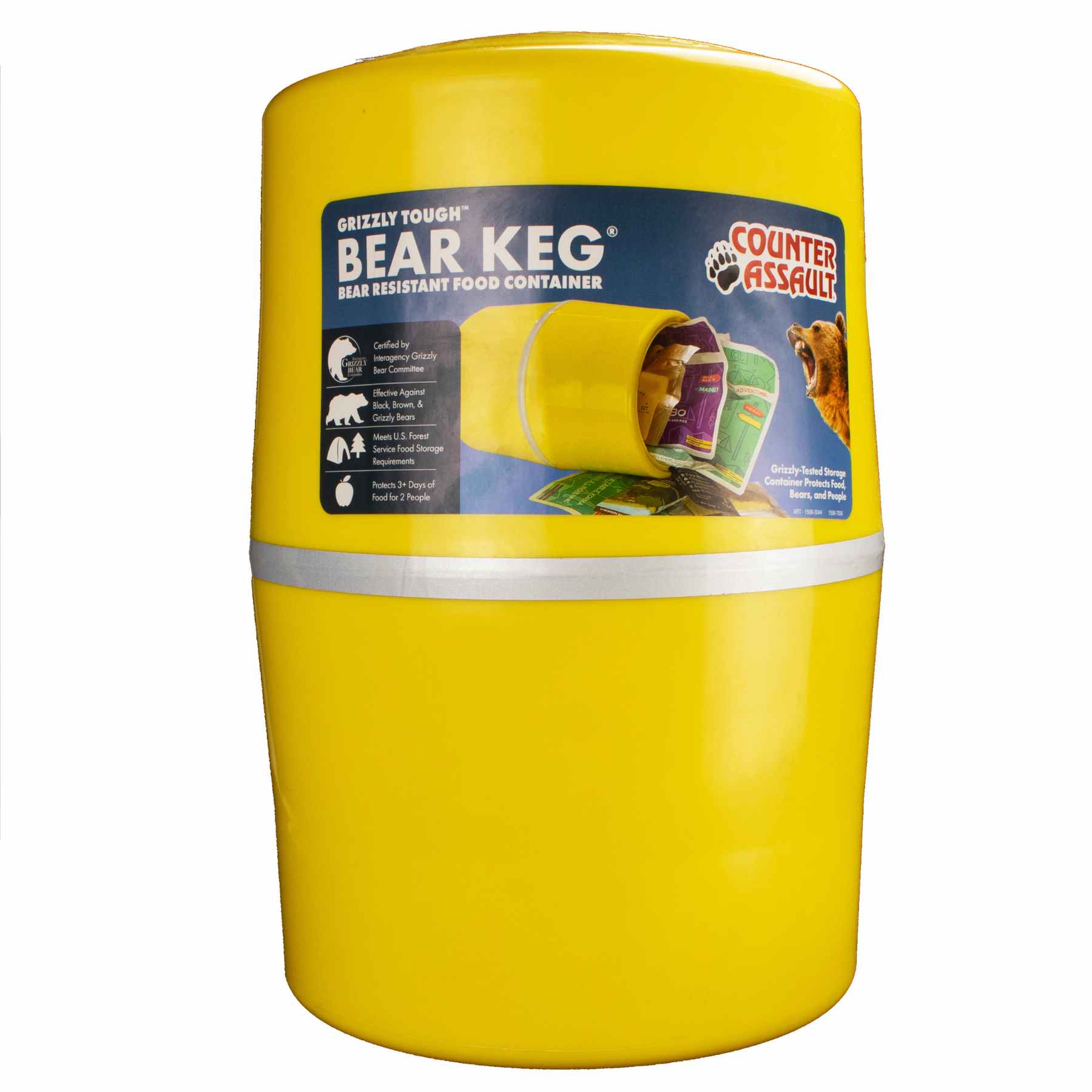
- Dedicated food container: A thin grocery bag or loose cooler in the back seat does not count as wildlife-safe storage.
- Spare batteries or backup power: Light failures tend to happen during setup, cleanup, or emergencies.
- Quick-drying layers: Wool and synthetic fabrics keep performing in damp conditions better than cotton.
Clean camp habits belong on the checklist. Food storage, trash control, cookware cleanup, and a clear place for scented items reduce the chance of attracting wildlife.
Keep the list plain enough that it gets used every trip. A good checklist should work at the picnic table, in the dark, and under time pressure.
Tailoring Your List for Your Trip Type
A master list is the foundation. The trip type decides what gets added, what gets trimmed, and what has to work harder. Weight, bulk, comfort, and access always pull against each other.

Car camping versus backpacking versus RV camping
Car camping forgives bulk. A larger tent, thicker sleeping pad, full-size cooler, extra clothing layers, and a more capable cook setup can all make sense because the vehicle carries the weight. Campers planning destination-style road trips can get useful route ideas from guides like best car camping in Australia, especially when the trip mixes remote driving with established campground stops.
Backpacking punishes duplication. Every item must justify its weight, volume, and function. One pot is enough. Extra shoes usually aren't. A large lantern, oversized chair, and heavy cotton hoodie become dead weight quickly.
RV camping changes the equation again. The vehicle handles shelter, sleep, and kitchen support, but that doesn't remove the need for a day-use safety kit. Once people leave the RV to hike, fish, or collect firewood, they're operating like any other backcountry visitor. The essentials still need to travel with them.
Adjustments that actually matter
The sleep system is one of the biggest decision points. For optimal comfort in variable conditions, a sleeping pad should have an R-value of at least 3.0 to 5.0. For temperatures below 20°F (-6°C), an R-value of 5.0 or higher is required to prevent ground heat loss and ensure your sleeping bag performs effectively (REI family camping checklist). A warm sleeping bag can't do its job if the ground pulls heat away all night.
A few practical trade-offs make trip planning easier:
- For car camping: bring more comfort, but keep setup efficient. Huge camp furniture and excess kitchen gear slow down arrival and departure.
- For backpacking: choose multi-use gear. A dry bag can organize gear and protect clothing. Trekking clothes can double as sleep support layers when clean and dry.
- For RV travel: avoid assuming the rig solves every problem. Keep a separate grab-and-go kit for trail use with water, navigation, headlamp, first aid, and wildlife precautions.
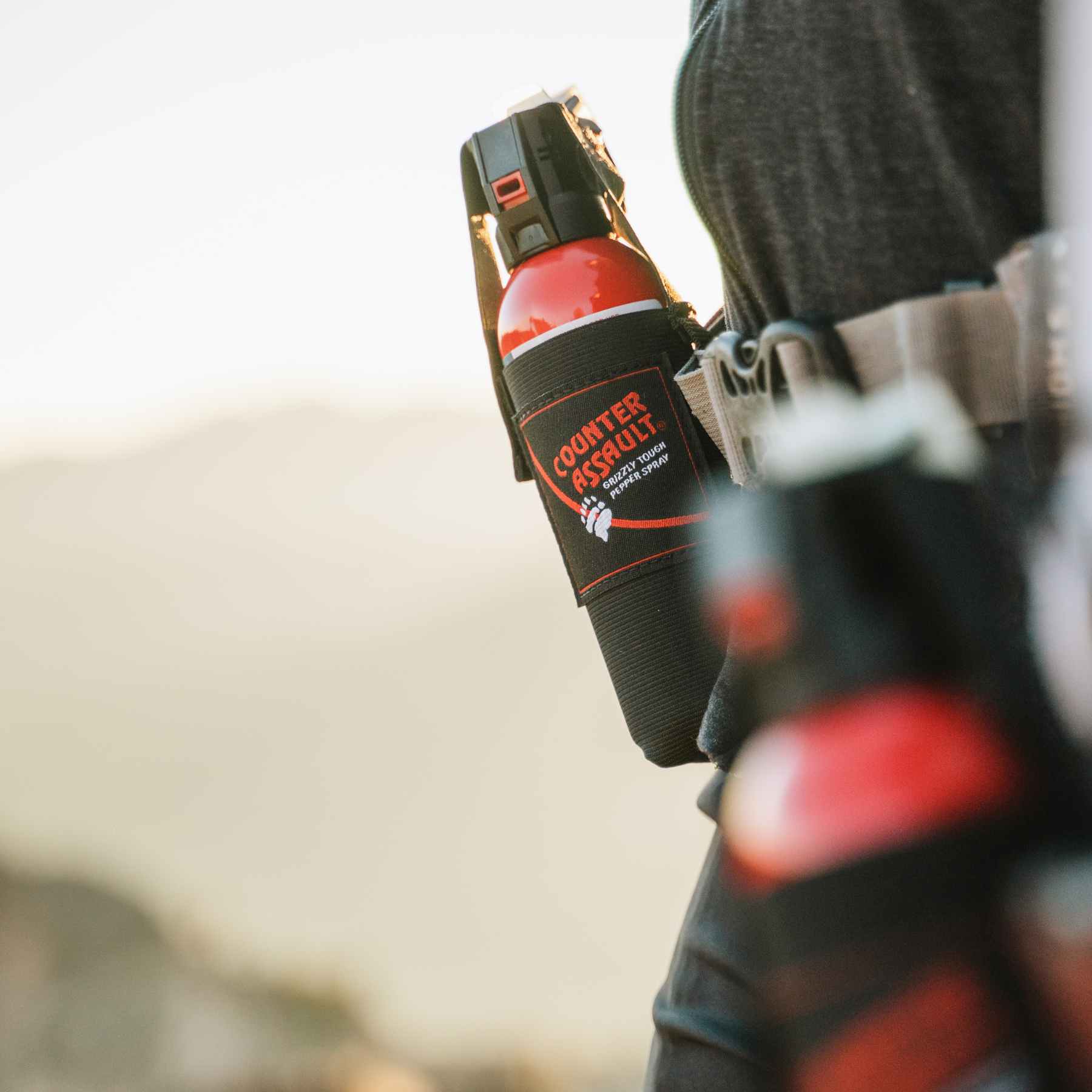
Campers heading into habitat where predators may be present should also carry a deterrent that stays accessible, not buried in a pack. For a focused breakdown of carry options and use considerations on foot, this guide to the best bear spray for hiking is a useful companion read.
The wrong gear isn't always low quality. Often it's good gear packed for the wrong style of trip.
The best adjusted list is the one that matches how camp will function in practice, not how the trip looked in the planning phase.
A Deeper Dive into Bear Country Safety
A campsite in bear country isn't dangerous by default. It becomes risky when people treat wildlife precautions as optional. Food left out, scented items in a tent, sloppy trash handling, and inaccessible deterrents create the problems that disciplined camp routines prevent.

What prevents most problems at camp
Bear safety starts before an encounter. Hike in groups when possible. Make noise, especially around brushy bends and blind corners. Avoid hiking at dusk or dawn when grizzlies are often more active. Keep distance from wildlife and never approach for a photo.
Camp discipline matters just as much.
- Store food properly: Use bear-resistant storage when required or strongly recommended.
- Separate smells from sleep: Food, trash, toiletries, and other scented items shouldn't spend the night in a tent.
- Keep camp clean: Wipe down tables, manage dishwater, and seal trash promptly.
- Plan food handling before dark: Disorder increases when campers improvise late.
The food side of this deserves a dedicated system, not a vague reminder. This article on camping food storage is a strong reference for setting up that system correctly.
A clean camp doesn't guarantee a quiet night, but a dirty camp invites problems that didn't need to happen.
When bear spray belongs in your hand
Bear spray is for aggressive animal encounters, not for routine wildlife sightings. It should only be used when a bear is charging or behaving aggressively enough that a charge appears likely. It is not insect repellent, and it should never be sprayed on people, clothing, tents, or gear.
The response sequence needs to be simple enough to remember under stress:
- Don't run. Running can trigger pursuit.
- Stand your ground. If the animal isn't charging, back away slowly and sideways.
- Avoid direct eye contact and don't scream. Speak in a normal voice.
- Make yourself look larger. Raise arms, use terrain, or hold an object overhead.
- Prepare the spray. Remove the safety clip.
- Aim slightly downward toward the front of the charging animal.
- Deploy when the animal is within range, creating a cloud it must pass through.
- Leave the area immediately once the charge breaks.
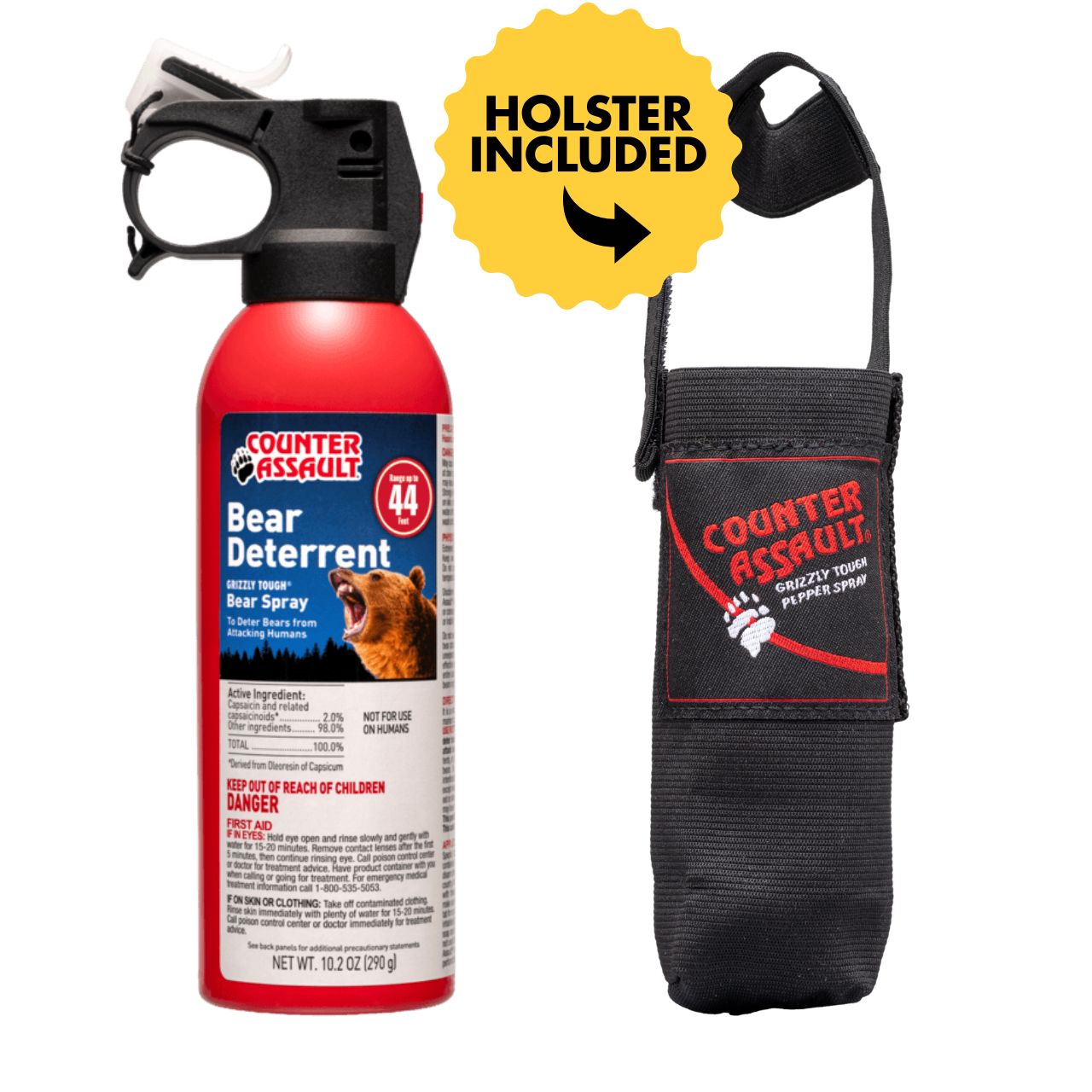
EPA-registered bear sprays must contain at least 7.6 oz (215 grams) of active ingredient and project a minimum distance of 25 feet, while the Counter Assault 10.2 oz option delivers up to 44 feet with 10 seconds of continuous discharge (REI product details for Counter Assault). That extra reach creates more working distance when an animal closes ground quickly.
A short field demonstration helps make the mechanics clearer:
Why spray is the safer tool
The most persistent misconception in bear country is that firearms are the better answer. The evidence doesn't support that. According to a 2008 study, bear spray is 90% effective in deterring bear attacks, with 98% of users remaining unharmed. In contrast, firearms are less reliable and often result in injury to both the person and the bear (Counter Assault resource citing the 2008 study).
That result makes sense in the field. Spray creates a cloud, not a single impact point. Under stress, against a fast-moving animal, a wide deterrent pattern is more forgiving than precision shooting. It's also the responsible choice for people who want to stop the encounter without killing wildlife.
A few mistakes show up repeatedly:
- Burying spray in a pack: If it takes time to reach, it won't be available when needed.
- Treating it like a camp perimeter product: It doesn't work that way.
- Waiting too long: Hesitation reduces distance and margin.
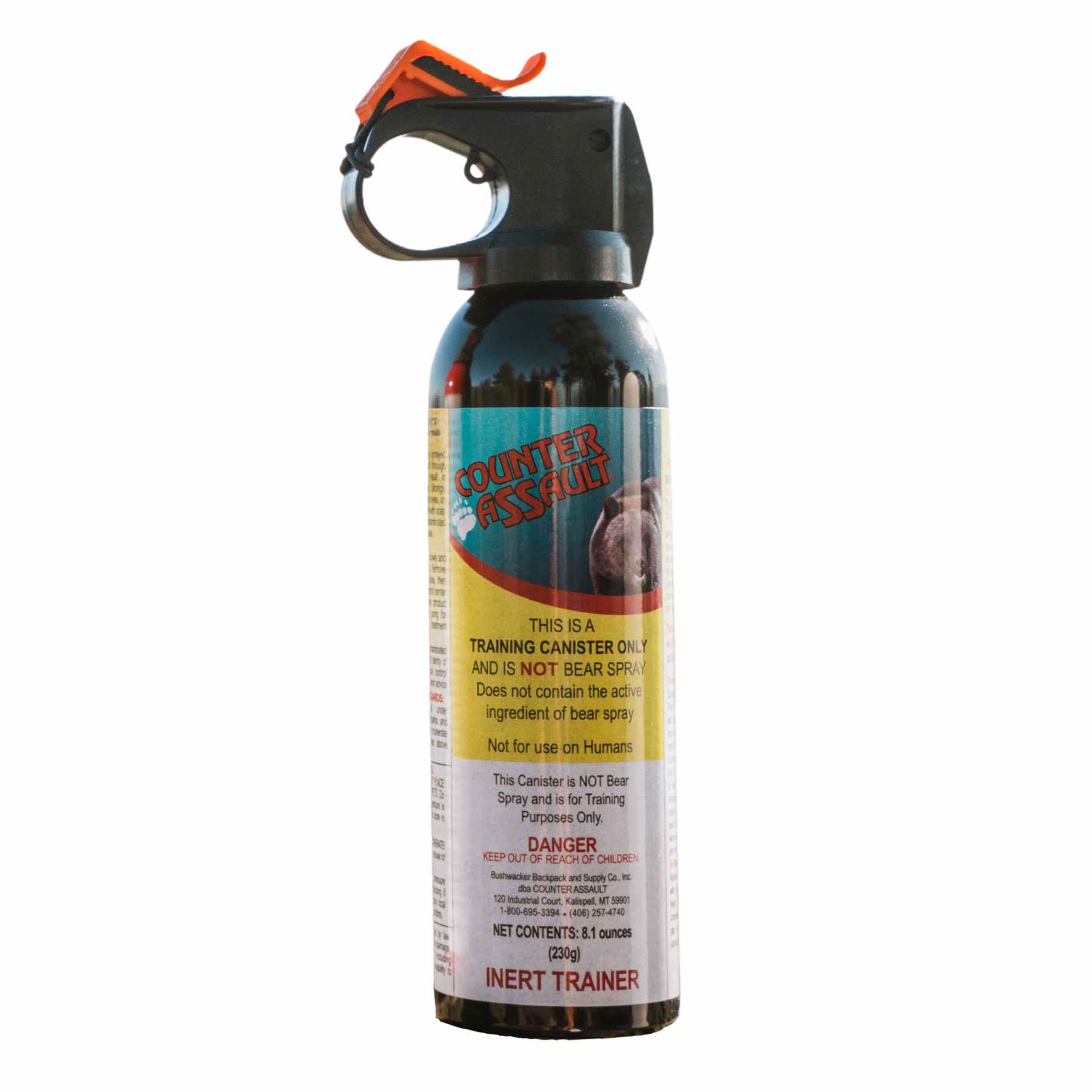
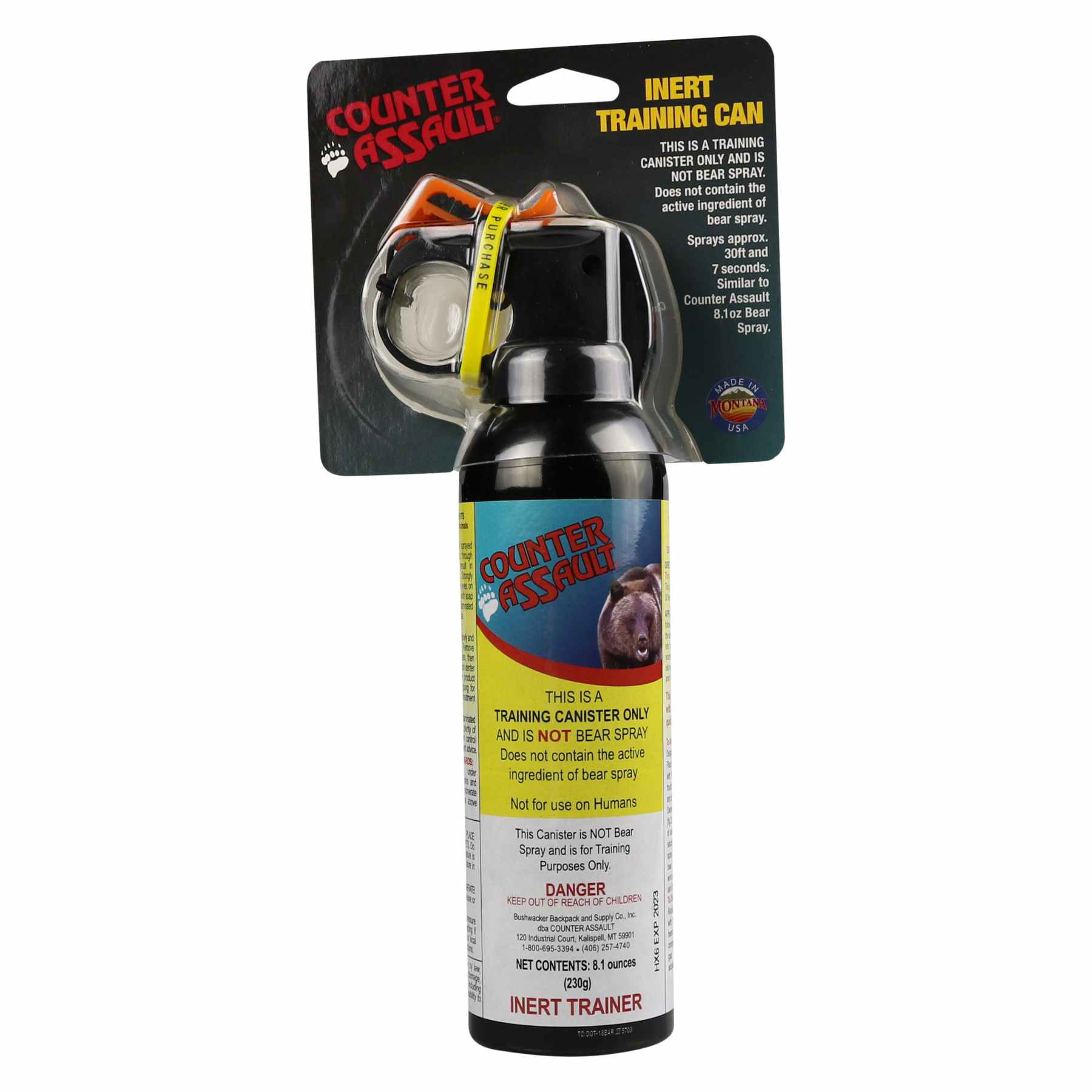
- Skipping practice with the carry method: A holster only helps if the user can draw from it smoothly.
Bear country preparedness belongs in the core camping gear list because animal encounters don't care whether the trip is a day hike, family campground weekend, hunting camp, or RV stopover. The same rules apply. Clean camp. Respect distance. Keep deterrent accessible. Use it only when behavior turns aggressive.
Smart Packing and Gear Organization Tips
Good gear packed badly becomes hard to use. Campers feel this when rain gear is buried, the stove is trapped under sleeping gear, or first-aid supplies vanish into the bottom of a duffel. Organization isn't cosmetic. It affects speed, comfort, and safety.

Pack for access before packing for neatness
The simplest system is the most reliable. Keep frequently used items where a person can reach them without unloading half the pack.
- Top or outer pocket: rain layer, snacks, map, headlamp, gloves
- Side pockets: water bottles, small tools, quick-grab items
- Center close to the back: dense, heavy gear for balance
- Bottom: sleep gear and items that won't be needed until camp
This principle applies in vehicles too. Families who stage camp bins in the garage often use floor protection and packing surfaces to keep gear cleaner during loading.
The right item in the wrong place is the same as not having it when conditions turn.
Use a repeatable organization system
Packing improves fast when every category gets its own container. Stuff sacks, dry bags, pouches, and small cubes keep categories from mixing and help campers find what they need in low light or bad weather.
A practical setup looks like this:
- One bag for sleep gear: sleeping clothes, beanie, socks, liner
- One bag for cooking gear: stove, lighter, utensils, scrubber
- One bag for hygiene: toothbrush, toiletries, towel, soap
- One bag for emergency gear: first aid, repair items, navigation backup
Several specialist brands make useful camp support items for this system. An inflatable camp light from LuminAID works well as a compact lantern for tent or table use, and a compact first-aid option from Adventure Medical Kits fits neatly into a dedicated safety pouch.
The final step is compression without overpacking. Fill empty spaces with soft items like clothing, but don't ram gear so tightly that urgent items become inaccessible. A backpack should feel stable, not stuffed.
Maintaining Your Gear for Lasting Adventures
A trip ends at home, not at the trailhead. Wet fabric, dirty cookware, clogged filters, and neglected safety items shorten the life of expensive equipment and create avoidable failures on the next outing.
What to do when the trip ends
Start with moisture. Dry the tent completely before storage, including the rainfly, floor, and stake bag. If dirt is packed into seams or zippers, brush it out gently before the tent goes back into storage.
Sleeping gear comes next. Air out sleeping bags and pads, then store them dry and uncompressed when possible. Cooking gear should be cleaned, dried, and checked for missing parts before it disappears into a bin for months.
A simple post-trip routine works best:
- Empty everything: pockets, stuff sacks, coolers, and first-aid kits
- Dry everything: especially tent fabric, towels, and footwear
- Clean food gear: remove residue and odor before storage
- Restock consumables: fuel, batteries, medications, repair tape
What to inspect before the next outing
Maintenance isn't only about fabric and metal. Safety gear has its own shelf life and inspection needs. Check lights for battery condition, inspect water treatment tools, and verify that first-aid contents still match the trip type.
For deterrents and aerosol safety products, expiration and condition matter. This guide on how long pepper spray is good for is useful for understanding storage life and replacement timing for bear spray products. The key point is simple. Don't assume a canister that has rolled around in a vehicle for years is still trip-ready without inspection.
Other small steps pay off every season:
- Check zippers and buckles: failures usually show warning signs first
- Count stakes and repair pieces: tents often come home incomplete
- Rebuild the checklist bin: replace what was used, not later but now
- Store gear where it can dry and breathe: garages and sheds can create mildew if the setup is damp
Well-maintained gear performs more reliably, packs faster, and reduces the chance that a preventable failure will become the trip's defining memory.
Camp Confidently Be Prepared
A camping gear list is more than a reminder sheet. It's a decision tool that turns a loose plan into a safe, functional camp. When the categories are clear and the gear matches the trip style, campers spend less time correcting mistakes and more time enjoying the natural environment they came to see.
The strongest lists also reflect the reality of where people camp now. Forest roads, national parks, trailhead overnights, family campgrounds, and RV basecamps all overlap with wildlife habitat. That's why bear country preparedness belongs in the main checklist, right alongside shelter, sleep, water, and first aid.
Prepared campers don't need the most gear. They need the right gear, packed with purpose, maintained after use, and easy to reach when conditions change. That approach supports comfort, reduces avoidable risk, and respects the wild places that make camping worth doing in the first place.
For practical camp add-ons, products from Survive Outdoors Longer, insect protection options from Natrapel, and bite relief tools from After Bite can round out a kit without complicating it. The goal is still the same. Keep the system simple, dependable, and easy to repeat.
Use the checklist, refine it after every trip, and camp with the kind of preparation that makes confidence feel earned.
The right bear deterrent belongs where it can be reached fast and used responsibly. For campers, hikers, hunters, and anyone traveling in bear country, Counter Assault offers a Montana-made, non-lethal safety option designed to help protect both people and wildlife. The flagship 10.2 oz bear spray with included holster stands out with a 44-foot range, 10 seconds of continuous discharge, and a maximum 2% capsaicin formula, making it effective on all bear species, as well as mountain lions and coyotes. It's made in the USA, trusted by outdoor professionals, and built for the moments when access, range, and reliability matter most.