
You get to camp hungry, your legs are done, and daylight is fading. At that point, the best meal is rarely the most creative one. It is the one you can find fast, make with little effort, and store safely once you are finished.
Easy camping food works like a good packing system. It reduces decisions, cuts cleanup, and keeps small problems from piling up after dark. A meal with a short ingredient list usually means fewer items to forget, fewer containers to manage, and fewer sticky leftovers to attract animals. That is why the strongest camping food ideas tend to be simple on purpose, not simple by accident.
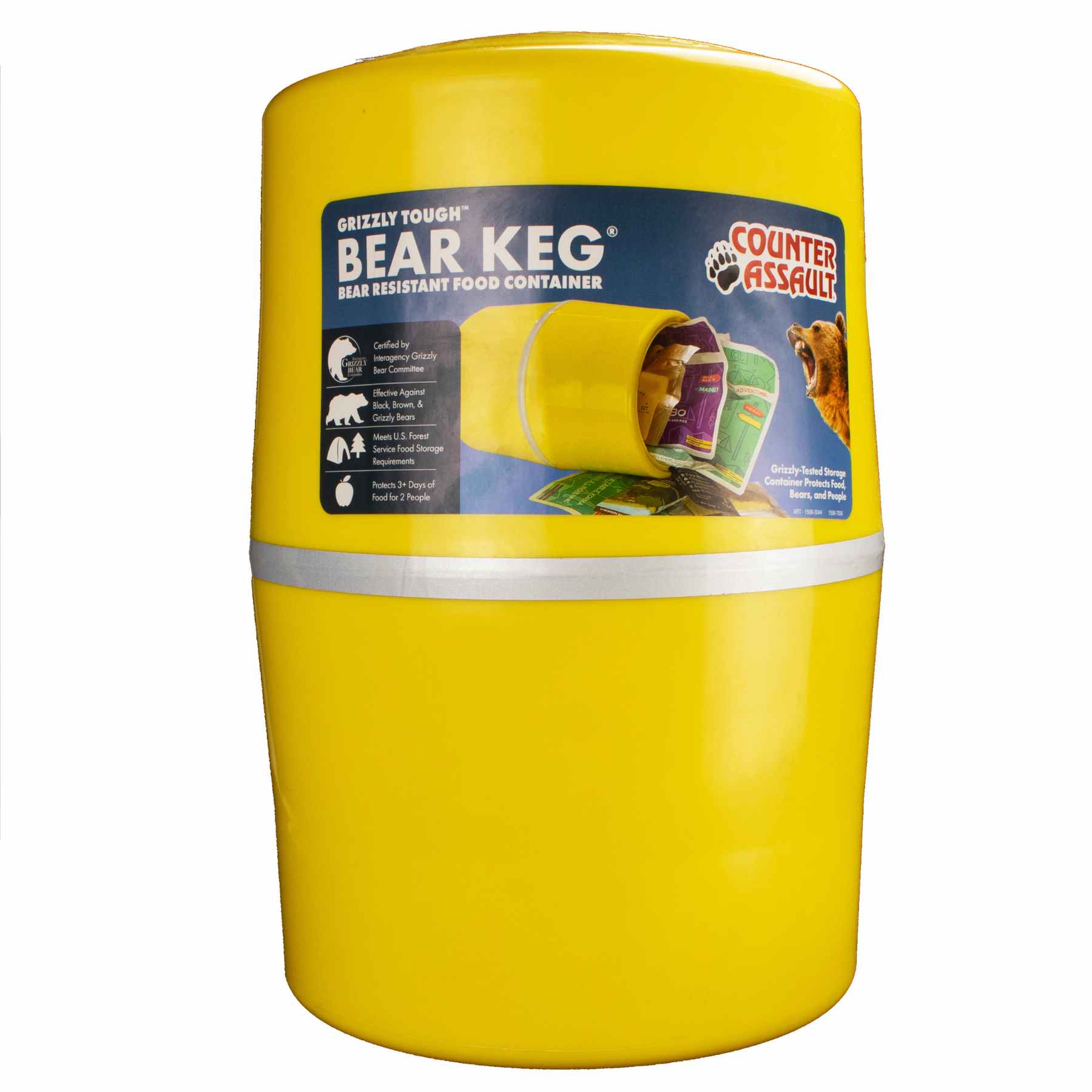
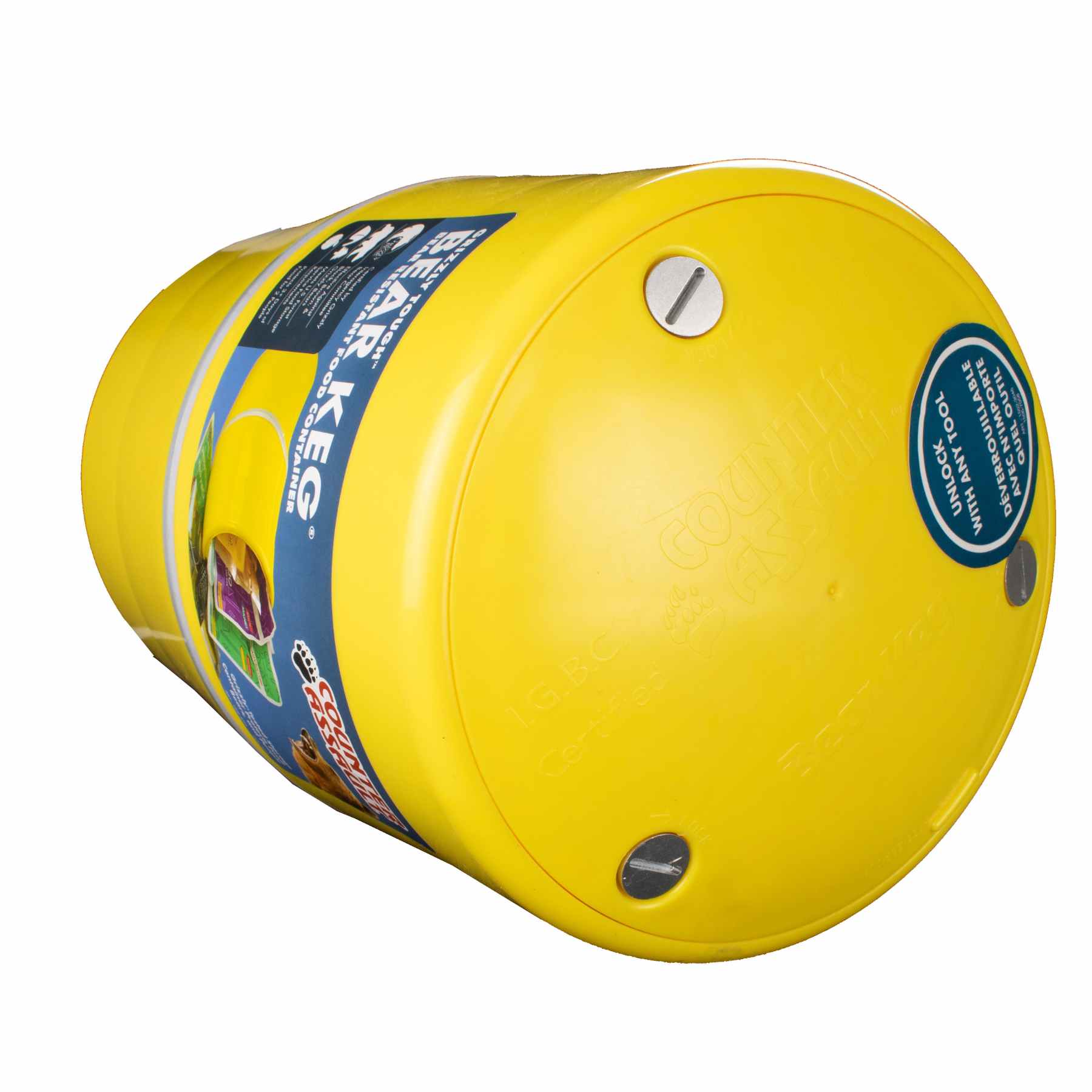
Safety belongs in that same plan. Food that is easy to eat should also be easy to seal, separate, and put away, especially in bear country. Even snacks matter here. Trail mix, tortillas, jerky, and instant meals all leave smells behind if packaging stays open or crumbs end up around camp. If you need a refresher on storage options, this guide to bear-resistant food containers for camping and hiking gives a practical starting point.
The ideas below focus on foods that solve campsite problems many roundups skip, including shelf life, cleanup, packability, and storage after the meal is over.
Table of Contents
- 1. Trail Mix with Bear-Safe Storage
- 2. No-Cook Sandwiches with Long-Shelf-Life Ingredients
- 3. Instant Oatmeal with Dried Fruits and Nuts
- 4. Energy Bars and Granola Bars Store-Bought or Homemade
- 5. Instant Ramen and Noodle Soups with Dehydrated Vegetables
- 6. Peanut Butter and Honey Wraps
- 7. Jerky and Hard Cheese with Crackers
- 8. Instant Mashed Potatoes with Dehydrated Vegetables and Seasoning
- 9. Dried Fruit and Coconut Chips with Nuts
- 10. Instant Pudding or Mousse Dessert Cups
- 10 Easy Camping Foods, Quick Comparison
- Final Thoughts
1. Trail Mix with Bear-Safe Storage
Trail mix stays popular for a reason. It needs no stove, no cleanup, and no timing. A camper can eat it during a break, at camp while dinner heats, or as backup food when weather ruins the original meal plan.
The easiest version is a homemade blend portioned before the trip. A simple mix might use almonds, cashews, raisins, and dark chocolate chips. A more savory version could lean on pumpkin seeds, peanuts, dried cranberries, and coconut flakes.
Build it for the trip
A good camp mix usually balances crunch, sweetness, and staying power. Nuts and seeds help it feel like actual food instead of candy in a bag.
- Simple blend: Almonds, raisins, cashews, dark chocolate chips
- Protein-leaning blend: Peanuts, pumpkin seeds, dried cranberries, coconut flakes
- Energy-focused blend: Macadamia nuts, dried mango, pretzels, chocolate candies
Practical rule: Pre-portion trail mix at home so fewer bags get opened around camp.
In bear country, the key isn't just what goes into the mix. It's where that mix goes overnight. Even easy camping food ideas need wildlife-safe storage, and strong-smelling snacks can attract attention if they're left in a tent or tossed in a loose daypack. Campers who need a storage refresher can review these bear-resistant food container basics.
2. No-Cook Sandwiches with Long-Shelf-Life Ingredients
Some of the best camping lunches are just sturdy sandwiches made with ingredients that won't fall apart by noon. This works especially well on arrival day, road trip camp nights, and lazy mornings when nobody wants to light a stove.
Peanut butter and jelly is the obvious classic, but it isn't the only option. Salami with hard cheddar on rye works well. Flatbread with hummus and sun-dried tomato can hold up better than soft sandwich bread.

What works best in camp
Camp sandwiches improve when the bread is tougher and the fillings are simpler. Sourdough, rye, pumpernickel, bagels, and tortillas all travel better than soft white bread.
- Classic option: Peanut butter and jelly on whole wheat
- Savory option: Salami, hard cheddar, mustard, and rye
- Vegetarian option: Hummus, spinach, and sun-dried tomato on flatbread
Fresh, wet ingredients are usually where problems start. Mayo-heavy fillings, sliced tomatoes, and delicate lettuce can make a lunch soggy fast. If cooler space is limited, it's smarter to lean into shelf-stable choices and use fresh ingredients early in the trip.
3. Instant Oatmeal with Dried Fruits and Nuts
A cold campsite morning changes what counts as a good breakfast. You want something warm, fast, and filling enough to keep you comfortable while the day gets started. Instant oatmeal fits that job well because it needs very little fuel, very little cleanup, and almost no decision-making before coffee.
It also adapts better than many campers expect. Oatmeal works like a blank base layer. The oats provide warmth and bulk, then dried fruit, nuts, seeds, and spices change the flavor and staying power. That matters on a multi-day trip, where the problem is rarely making one decent breakfast. The challenge is making the third bowl feel different from the first.
Easy ways to upgrade it
Start with plain instant oats if you want more control. Flavored packets are convenient, but they can become overly sweet once you add fruit. A simple serving kit often works best. One bag or container with oats, one mix-in or two, and a small pinch of cinnamon or salt.
- Classic bowl: Instant oatmeal, raisins, cinnamon
- Protein-rich bowl: Plain instant oats, crushed almonds, dried blueberries, chia seeds
- Sweeter version: Maple oats, pecans, dried banana chips
Texture matters more than many lists mention. Soft dried fruit such as raisins, chopped apricots, or dates blends in easily after a few minutes. Larger nuts stay crunchier if you add them at the end instead of pouring them in with the hot water. If your oatmeal turns gluey in camp, the usual fix is simple. Use a little more water than you think you need, then let it sit for a minute before adjusting.
Pre-portioning helps here too, especially on cold mornings when fine motor tasks feel slower. Store each serving in a zip bag or small container, and keep the bags inside a camp snack lock box that keeps meals organized and easier to secure overnight. That setup saves time and reduces loose food smells around camp.
If you want a second breakfast option for people who do not love oatmeal, pack one or two bars alongside it. These clean plant-based protein bar options can help if you want something shelf-stable that still feels a little more substantial than a basic snack.
4. Energy Bars and Granola Bars Store-Bought or Homemade
Energy bars do two jobs at once. They're convenient snacks, and they're backup meals when the day runs long. Every camping food bin benefits from a few bars that can stay untouched until needed.
Store-bought options are easy to pack, but homemade bars can work just as well if they're wrapped individually. Oats, nut butter, honey, and dark chocolate chips make a familiar base. The main goal is portability, not perfection.
Where bars help most
Bars are especially useful during setup and breakdown. A camper arriving late can eat one while pitching a tent instead of cooking immediately. A hiker heading out before sunrise can stash one in a hip belt pocket and deal with breakfast later.
A good camp bar is the one that still tastes good when it's been carried all day.
Storage still matters. Snack bars often get left loose in packs, glove boxes, or tent pockets, which can create smell and crumb problems in camp. Anyone packing lots of grab-and-go snacks can use a lock box approach for camping snacks to keep food organized and easier to secure overnight.
For readers comparing packaged options, these clean plant-based protein bar options can help narrow down ingredients and styles.
5. Instant Ramen and Noodle Soups with Dehydrated Vegetables
A cold evening at camp changes what sounds good for dinner. Crackers and bars may get the job done, but a hot bowl of noodles feels more like a real meal, especially when everyone is tired and water is already heating.

Instant ramen, noodle cups, and dry soup packets work well at camp for a simple reason. They give a lot of comfort for very little effort. They cook fast, need only a small pot or cup, and usually leave behind less mess than meals with oil, raw meat, or multiple pans.
The upgrade is not complicated. Use the noodles as a base, the same way rice works as a base for a stir-fry at home. Then add shelf-stable ingredients that bring back what instant noodles often lack: texture, color, and a little protein.
Simple upgrades that make noodles feel like a meal
Dehydrated vegetables do a lot of work in a small space. Peas, carrots, corn, mushrooms, and green onions soften in hot water and make the bowl feel less flat. Freeze-dried chicken or tofu adds substance without asking you to manage a cooler. Problems usually start with fresh, wet ingredients, so dry add-ins are usually the easier choice for short trips and simple camp kitchens.
- Basic bowl: Instant ramen, dehydrated mixed vegetables, soy sauce
- Protein-focused bowl: Noodles, dried mushrooms, freeze-dried chicken
- Punchier version: Noodles, crushed peanuts, lime powder, chili flakes
A few small packing habits help more than people expect. Put each meal in its own zip bag before the trip, with vegetables and seasonings already portioned. At camp, you only need to boil water and combine everything. That setup works a lot like laying out ingredients before cooking at home. The work happens once, and dinner gets easier later.
A short cooking demo can help newer campers see how little setup this takes.
One caution helps avoid disappointment. Add dehydrated vegetables early enough to soften, but stir in crunchy toppings like peanuts at the end so they keep their texture. That small timing change is often the difference between noodles that feel thrown together and noodles that feel satisfying.
6. Peanut Butter and Honey Wraps
Peanut butter and honey wraps solve a common camp problem. They feel more substantial than a snack but take almost no work. They're also less crush-prone than sandwiches, which makes them easy to carry in a daypack.
A whole wheat tortilla, peanut butter, and honey already make a workable meal. From there, a camper can add banana chips, granola, sunflower seeds, or dried cranberries depending on taste and trip length.
Why wraps travel so well
Tortillas handle movement better than sliced bread. They don't flatten as easily, and they don't leave as many crumbs around camp or in a pack.
- Classic wrap: Peanut butter, honey, banana chips
- Crunchy wrap: Peanut butter, honey, granola
- Heartier wrap: Peanut butter, honey, dried cranberries, sunflower seeds
This is also one of the easiest lunches to prep before leaving home. Wrap each portion tightly, stash it in a food bag, and it's ready for a trail stop or quick bite after camp setup. Campers who find peanut butter too sticky usually do better when they pair this with extra water and keep the filling layer moderate.
7. Jerky and Hard Cheese with Crackers
This combination works like a simple trail board. It doesn't need a stove, it feels more satisfying than a sweet snack, and it can double as lunch or a light dinner. It's especially good for car campers who want something fast before a longer cooked meal.
Jerky brings salt and chew. Hard cheese adds richness. Crackers give the whole thing structure. That mix keeps the meal from feeling improvised, even though it takes only a minute to assemble.

Good pairings for camp
Aged cheeses usually travel better than soft cheeses. Crackers packed in a rigid container survive the trip more often than sleeves tossed into a duffel.
- Classic combo: Beef jerky, aged cheddar, whole grain crackers
- Backpacking-style combo: Turkey jerky, parmesan, plain crackers
- Meat-free version: Tempeh jerky, gouda, multigrain crackers
Strong food odors can attract wildlife, so easy food still needs careful storage, a clean camp, and scented-item discipline in bear country, as the National Park Service notes in its guidance on food storage and clean camps.
That point gets missed in many recipe roundups. A snack plate may be simple, but greasy wrappers, crumbs, and leftover bits still need to be packed and stored carefully.
8. Instant Mashed Potatoes with Dehydrated Vegetables and Seasoning
Instant mashed potatoes are one of the most forgiving hot camp meals. They're warm, filling, and easy to customize with almost any savory add-in. For cold-weather camping, they can be more comforting than noodles.
The process is simple. Heat water, stir in flakes, then add dried vegetables, butter, seasoning, or cheese powder. A camper can make them thick as a side dish or thinner as a bowl meal.
Best ways to make them taste better
Plain potato flakes are useful, but a few extras change the meal completely. Bouillon, dried peas, dried carrots, or bacon bits can make the bowl feel more complete.
- Basic bowl: Instant potatoes, butter, salt
- Savory version: Potatoes, dried peas, carrots, beef bouillon
- Loaded version: Potatoes, cheddar powder, bacon bits
This meal also fits high-output trips where dense, easy food matters. Campers building menus around simple, filling fuel can also browse these high-calorie hiking foods for longer days outdoors. Potatoes work well in that kind of meal plan because they pack easily, cook fast, and pair with many pantry ingredients.
9. Dried Fruit and Coconut Chips with Nuts
This is one of the simplest no-prep combinations on the list, but it's more versatile than it looks. It can be a trail snack, part of breakfast, or something to pass around camp while water boils.
Texture does most of the work here. Chewy fruit, crisp coconut, and crunchy nuts make the mix feel more satisfying than a single snack item on its own. It also gives campers a break from bars and heavily processed snacks.
Combinations that work well
The best blends usually balance sweet and fatty ingredients. If everything is sugary, the mix gets tiring fast.
- Simple mix: Dried apricots, almonds, unsweetened coconut chips
- Richer mix: Dates, macadamia nuts, dried cranberries
- Tropical mix: Dried mango, dried pineapple, cashews, coconut flakes
A smart move is to portion these into small bags before the trip and keep one accessible in an outer pocket. That helps avoid rummaging through the full food stash every time someone wants a snack. It also limits how much food gets exposed at once around camp.
10. Instant Pudding or Mousse Dessert Cups
Dessert isn't essential, but it changes the mood of camp fast. A simple sweet option after dinner can make a basic meal feel finished, especially on family trips or rainy evenings when everyone is staying close to the tent or table.
Instant pudding made with powdered milk and cold water is one of the easiest dessert options to carry. It doesn't need cooking, and it can be mixed in a bowl or cup with very little cleanup. Prepared mousse-style cups can also work when cooler space allows.
Keep dessert simple
This is one place where a little texture helps. Crushed granola or cookie crumbs turn soft pudding into something more interesting.
- Classic dessert: Chocolate pudding mix, powdered milk, cold water
- Vanilla version: Vanilla pudding with crushed granola
- Quick option: Mousse cup prepared with water
For car campers, a bowl can be set somewhere cool after mixing. In some camps, people place sealed containers in a cold, shaded spot while dinner wraps up. The result doesn't need to be perfect. It just needs to feel like a reward when the day is done.
10 Easy Camping Foods, Quick Comparison
| Item | Preparation Complexity 🔄 | Resource Requirements ⚡ | Expected Outcomes 📊 | Ideal Use Cases 💡 | Key Advantages ⭐ |
|---|---|---|---|---|---|
| Trail Mix with Bear-Safe Storage | Very low, mix/portion at home or camp | Minimal, bags, bear-proof canister | High-calorie, quick energy; moderate nutrient variety | Long hikes, multi-day trips where weight matters | Customizable; lightweight; long shelf life |
| No-Cook Sandwiches with Long-Shelf-Life Ingredients | Low, assemble; can prep ahead | Moderate, bread, spreads, durable packaging | Substantial, familiar meal; balanced macros | Car camping, quick lunches, day hikes | Satisfying; quick; affordable |
| Instant Oatmeal with Dried Fruits and Nuts | Low, hot water, 3–5 min | Stove or hot-water source, packets | Warm, filling breakfast; needs added protein for satiety | Cold mornings, campsite breakfasts | Comforting; fast; customizable |
| Energy Bars and Granola Bars | Minimal, ready-to-eat | None at camp; store in bear-safe container | Quick energy bursts; variable nutrition profiles | All-day hikes, emergency backup, on-the-go snacks | Extremely portable; long shelf life; easy rationing |
| Instant Ramen and Noodle Soups with Dehydrated Vegetables | Low, hot water and pot, ~5 min | Pot, fuel, dehydrated add-ins optional | Hot, filling meal; often high in sodium unless modified | Backpacking dinners, low-fuel hot meals | Fast; cheap; highly customizable |
| Peanut Butter and Honey Wraps | Very low, assemble in 1–2 minutes | Tortillas, spreads, small containers | High-calorie, protein-dense snack; durable | Trail lunches, quick trail snacks, kid-friendly | Durable; very portable; high energy |
| Jerky and Hard Cheese with Crackers | Minimal, no prep | Shelf-stable proteins, rigid cracker container, bear canister | High protein/fat; very satiating; high sodium | Snack breaks, protein-focused days, backcountry meals | Nutrient-dense; long-lasting; no refrigeration |
| Instant Mashed Potatoes with Dehydrated Vegetables | Low, hot water, 5–7 min | Pot, stove, seasoning/add-ins optional | Comforting, filling meal; low prep; moderate nutrition | Camp dinners, cold-weather comfort food | Quick; filling; inexpensive |
| Dried Fruit and Coconut Chips with Nuts | Very low, ready-to-eat | Airtight bags, bear-proof storage advised | Rapid energy from sugars; fiber and micronutrients | Lightweight snack mixes, frequent nibbling on trail | Natural; lightweight; long shelf life |
| Instant Pudding or Mousse Dessert Cups | Minimal, mix with cold water | Powdered milk or cold water, bowl/spoon | Sweet morale boost; extra calories; low nutrition | Evening treats, morale-boosting dessert at camp | Easy; lightweight; variety of flavors |
Final Thoughts
You get back to camp tired, light is fading, and dinner needs to work with the gear and energy you have left. That is the definitive test of easy camping food. The best options are the ones that still make sense when water is limited, cleanup feels annoying, and nobody wants to scrub a pot in the dark.
Across these ten ideas, a clear pattern shows up. Good camping foods are easy to pack, easy to portion, and easy to clean up after. Trail mix, wraps, instant oats, noodles, crackers, and mashed potatoes keep showing up for a reason. They match the limits of camp life instead of fighting them.
Planning matters as much as the recipe. A food bag works like a small system. One part handles quick calories, another covers a filling meal, and another gives you something comforting for the evening. If every item needs a stove, you use more fuel. If every item creates crumbs, grease, or leftovers, cleanup gets harder. If every snack has a strong smell, storage gets more complicated in wildlife areas.
That is also why the simplest foods are often the smartest ones. A peanut butter wrap can serve as lunch on the trail or backup calories after a long hike. Instant oatmeal can be breakfast in the morning and a warm snack later if the weather turns cold. Jerky, nuts, and hard cheese fill the gap between meals without much prep. Articles about camping food often stop at naming ideas. The more useful question is how each food behaves once it is crushed in a pack, exposed to heat, or opened halfway through a wet weekend.
Food safety belongs in that same conversation. Easy meals still need careful storage, especially in bear country. Open snack bags, greasy wrappers, spilled drink mixes, and forgotten scraps all leave scent behind. The National Park Service advises campers to store food properly, keep a clean camp, and manage scented items with the same care as meals. A practical menu is one you can cook, eat, pack away, and clean up without leaving strong odors around camp.
The strongest camp menu is usually simple, repeatable, and built for the conditions you expect.
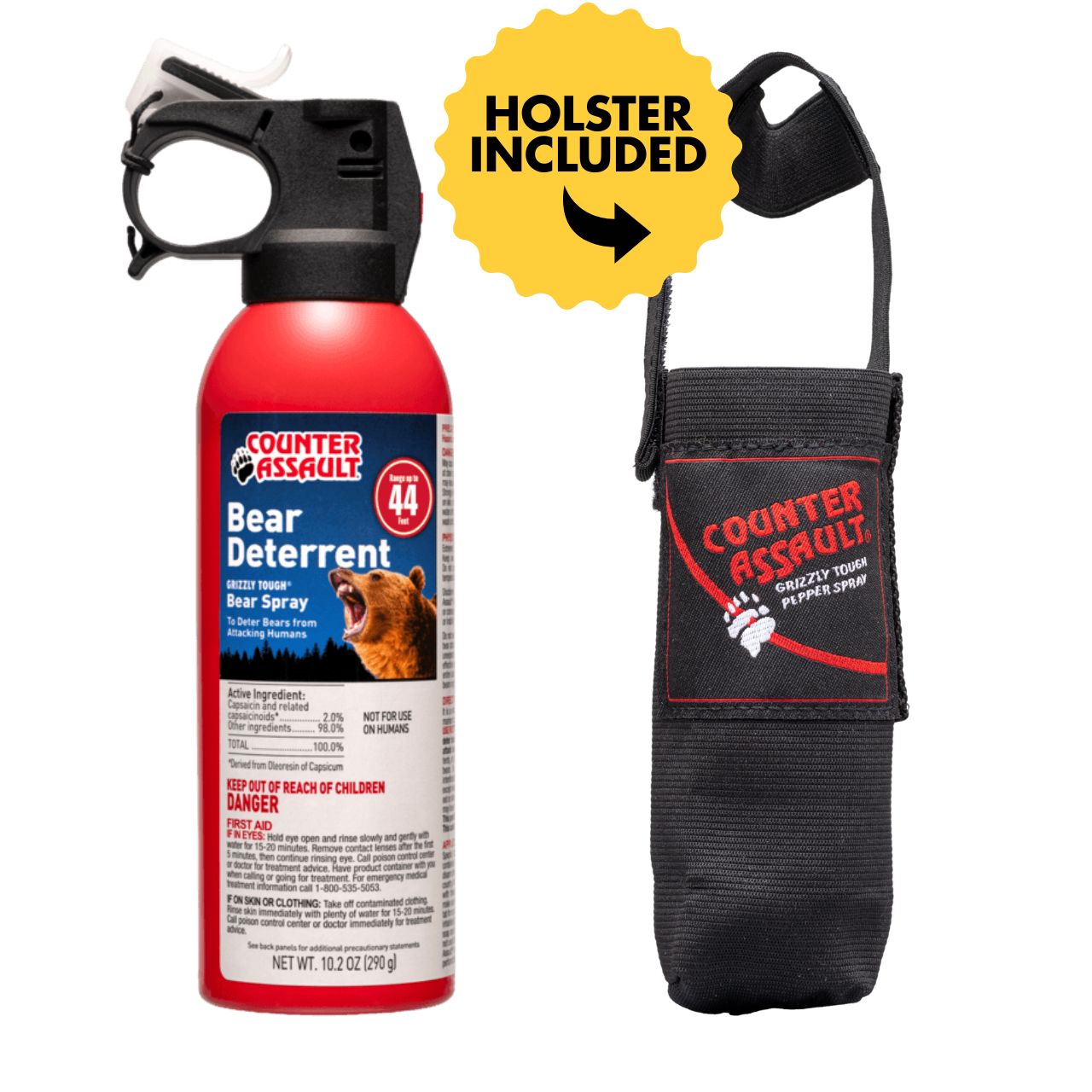
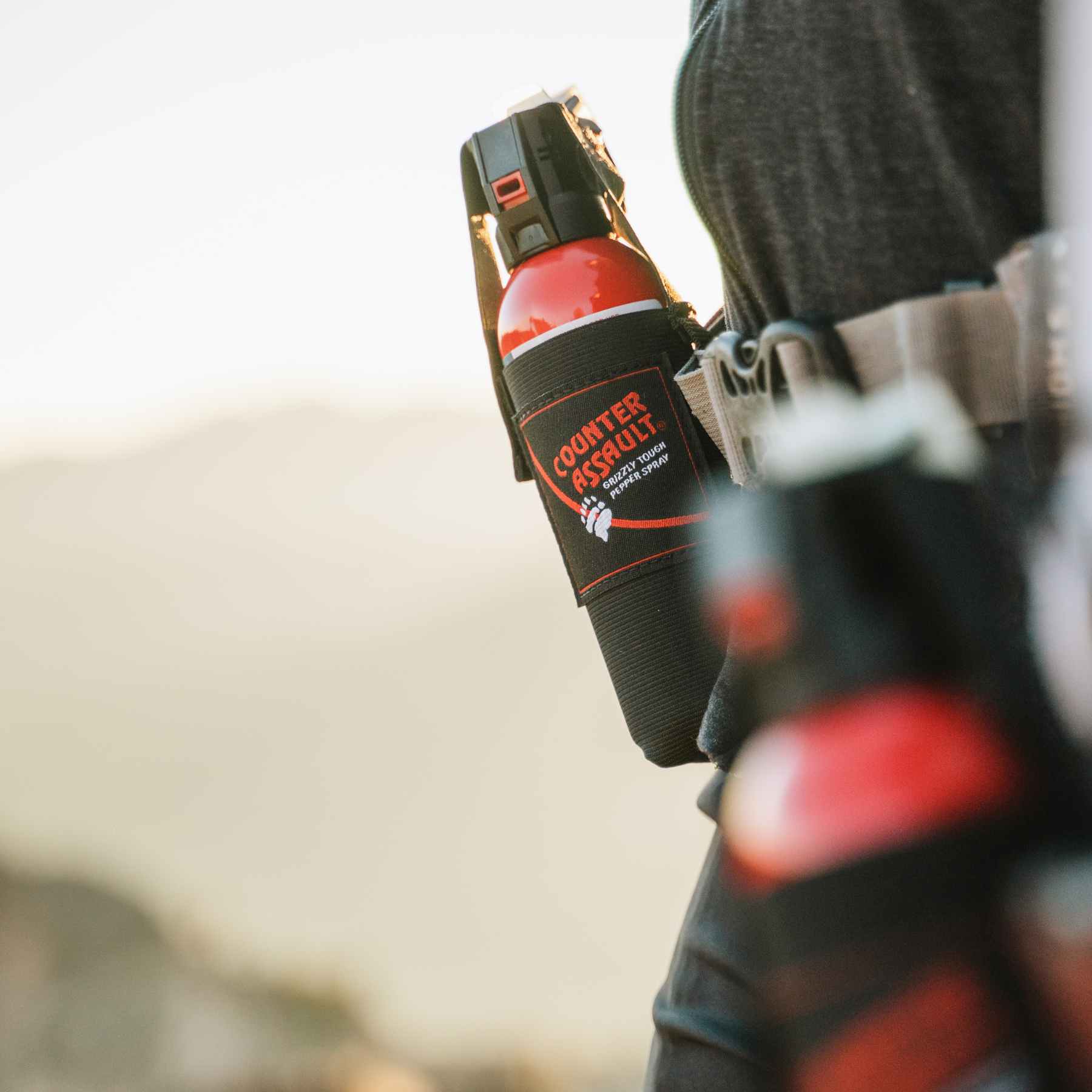
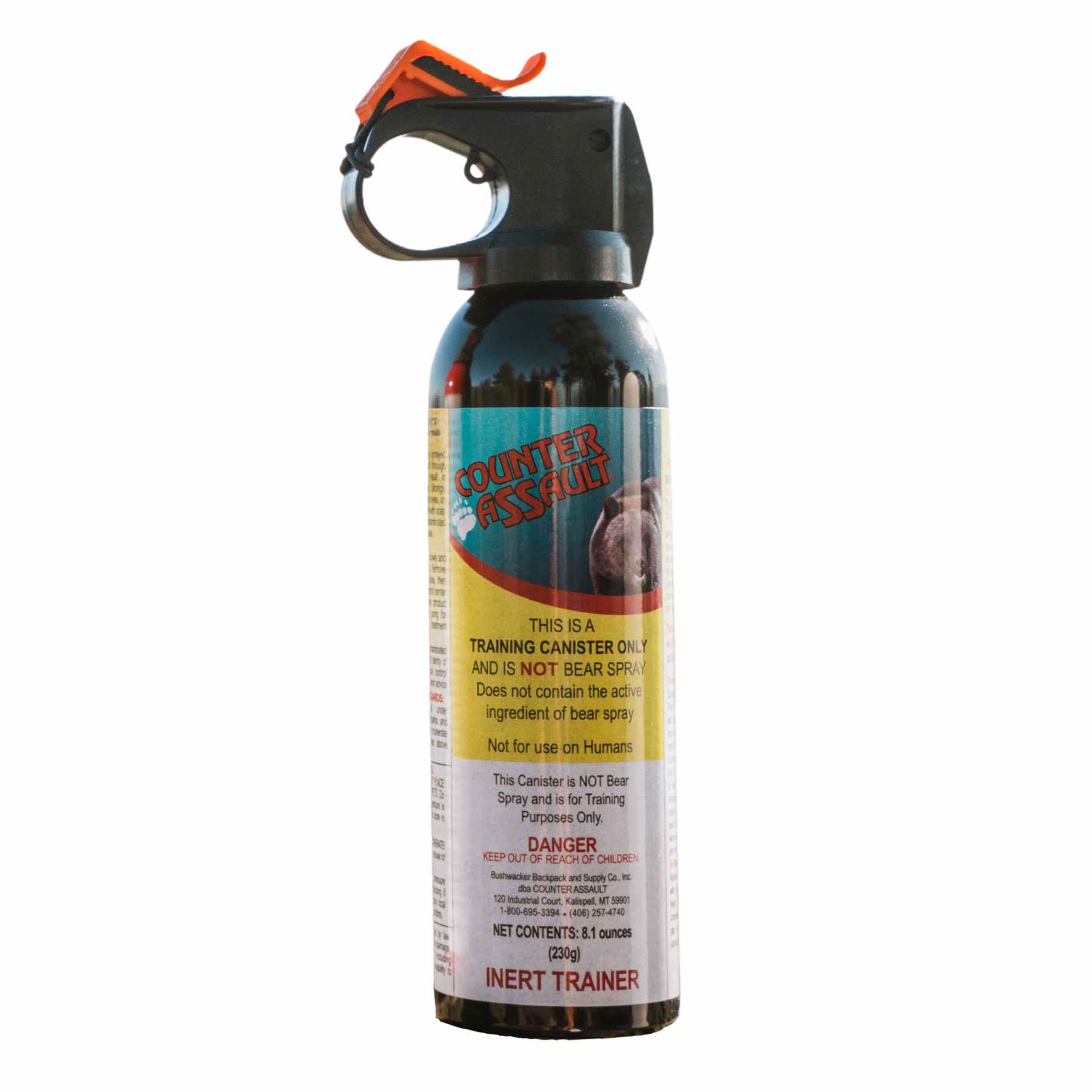
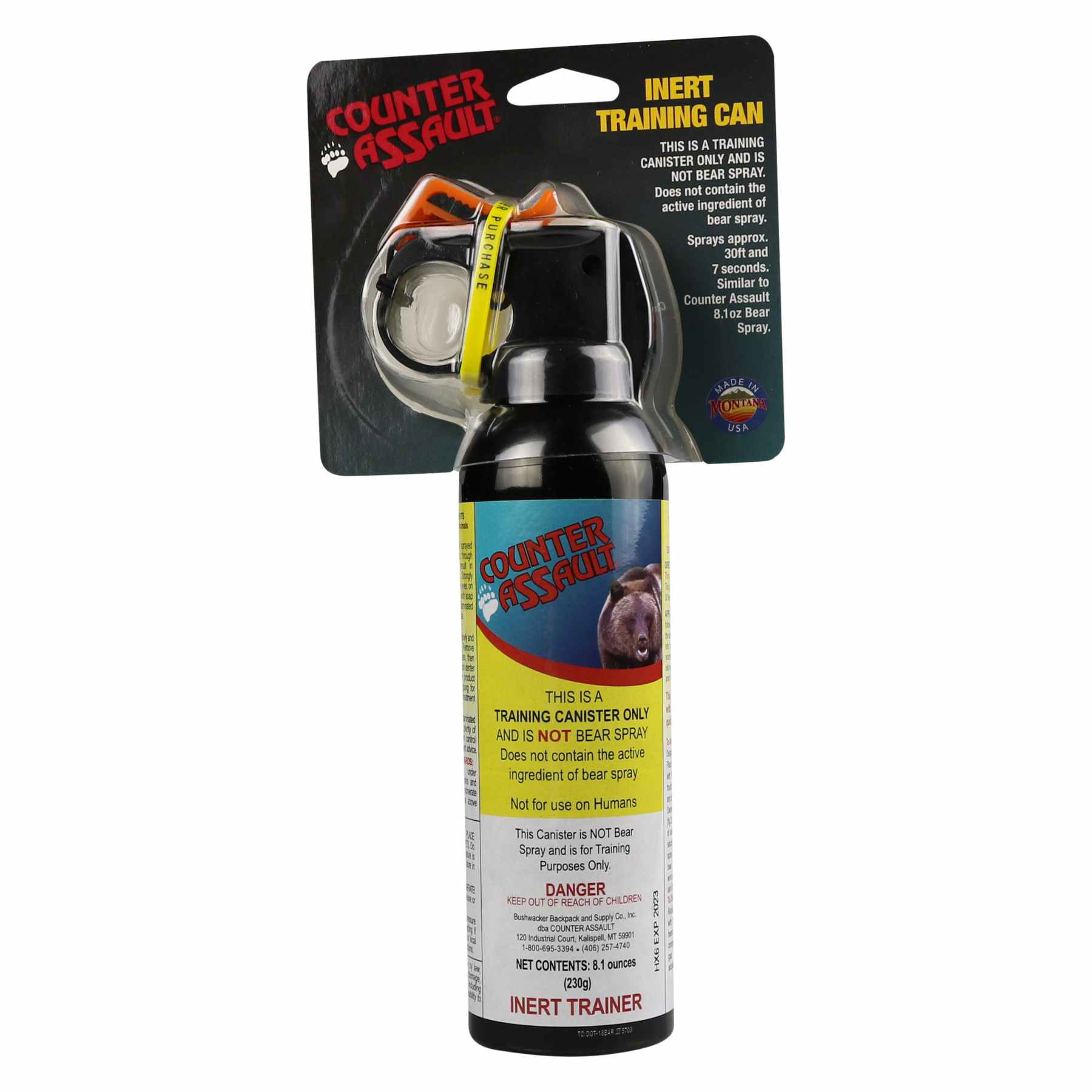
Before the food bag gets packed, campers heading into bear country should also pack protection that matches the environment. Counter Assault makes bear spray designed to keep both people and wildlife safe, and its 10.2 oz bear spray with holster is the brand's flagship option. It delivers up to 44 feet of range, is made in Montana, and is intended for use on bears, mountain lions, or coyotes during an aggressive encounter. A well-planned camp menu, clean food storage, and reliable bear spray belong in the same trip plan. For a fuller safety kit, campers can also consider a compact Adventure Medical Kits first aid kit, a packable LuminAID camp light, or emergency essentials from SOL survival gear.