
The RV is leveled, the awning is out, dinner is half-planned, and the site looks perfect. That's exactly when many RV travelers make their first mistake in bear country. The rig feels solid, the campground feels managed, and the routine feels familiar. Bears don't care about any of that. They care about odor, easy calories, and habits that reward them for coming closer.
RV camping in bear country demands a different mindset than tent camping. A hard-sided RV gives more protection than a tent, but it also lets people get sloppy with food, trash, pet gear, and outdoor cooking. That false sense of security causes problems fast. A bear that learns campsites mean food becomes a danger to people and a threat to its own survival.
Table of Contents
- An RVer's Introduction to Bear Country
- Smart Planning Before You Hit the Road
- Setting Up a Fortified RV Campsite
- Mastering Food Storage and Scent Control
- Your Essential Deterrent Counter Assault Bear Spray
- Encounter Protocol for Pets and Family
- The Ultimate RV Bear Country Pre-Departure Checklist
An RVer's Introduction to Bear Country
RV travelers often enter bear habitat the same way they enter any other destination. They check the hookups, scan the view, and think about weather. In bear country, the first scan should be for attractants, brush, game trails, food-storage rules, and the weak points around the site.
A hard-sided RV matters. In places like Yellowstone's Fishing Bridge campground, soft-sided campers are permanently banned because hard-sided campers provide better protection against bears. That's a real advantage for RV travelers. It just isn't a substitute for discipline.
Why RV campers get tripped up
RVers usually carry more food than tent campers. They often cook outside, store pet supplies in exterior compartments, and leave trash or drinks out because the campsite feels temporary and controlled. That mix creates a stronger scent footprint than many people realize.
Research described in this guide to kinds of bears in North America also reinforces a basic reality. Different bear species behave differently, but every campsite rule starts in the same place. Don't feed the bear by accident.
Practical rule: The safest RV in bear country is the one that doesn't smell like a kitchen, trash bin, dog bowl, or bathroom cabinet.
The RV advantage and the RV trap
The advantage is obvious. An RV gives solid walls, lockable compartments, and vehicle-based food storage that many national forest districts consider legally stored when food is locked inside a vehicle. The trap is just as obvious. People start treating the campsite like a backyard patio.
That's where trouble starts. Bears are more likely to frequent established, food-rich campsites than remote primitive ones because human food waste and debris attract them. At the same time, many bear encounters happen in the backcountry during hiking activities. Both facts matter. Camp discipline and trail discipline have to work together.
Smart Planning Before You Hit the Road
A lot of bear problems start long before the RV leaves the driveway. The usual pattern is simple. Campers assume the rig itself solves food storage, then arrive in a place with stricter rules, limited trash service, no bear boxes, and no good plan for cooking or cleanup.
Good pre-trip planning for RV bear country is different from tent-trip planning. You are carrying more food, more scented gear, more gray-water capacity, and more exterior compartments that can collect attractants. That extra convenience can work for you, or it can turn the rig into a rolling pantry.
Check rules before route planning
Build the route around bear regulations, not the other way around. In northwest Wyoming, several national forest units operate under food storage orders that require food, refuse, and other attractants to be stored in approved bear-resistant containers, a hard-sided vehicle, or another approved method. The Bridger-Teton National Forest food storage order is the kind of document to read before you choose camp areas, because the details affect how you pack the RV from day one.
Season matters too. Late summer and fall are high-risk periods because bears are feeding hard and covering ground to find calories. If the route includes dispersed camping, assume less infrastructure and more responsibility. If it includes developed campgrounds, confirm whether dumpsters are bear-resistant and whether outdoor cooking restrictions are in effect.
Water planning belongs in the same conversation. Odor control depends on how you wash dishes, handle grease, and manage gray water around the rig. RV travelers refining their onboard cleanup system may find these Caravan water heater insights useful when setting up a realistic sanitation routine.
Pack a bear-country kit, not just a camping kit
Pack for fast access, not just possession. If bear spray, lights, and leashes are buried under leveling blocks and folding chairs, they are not ready when you need them.
A solid RV bear-country kit should include:
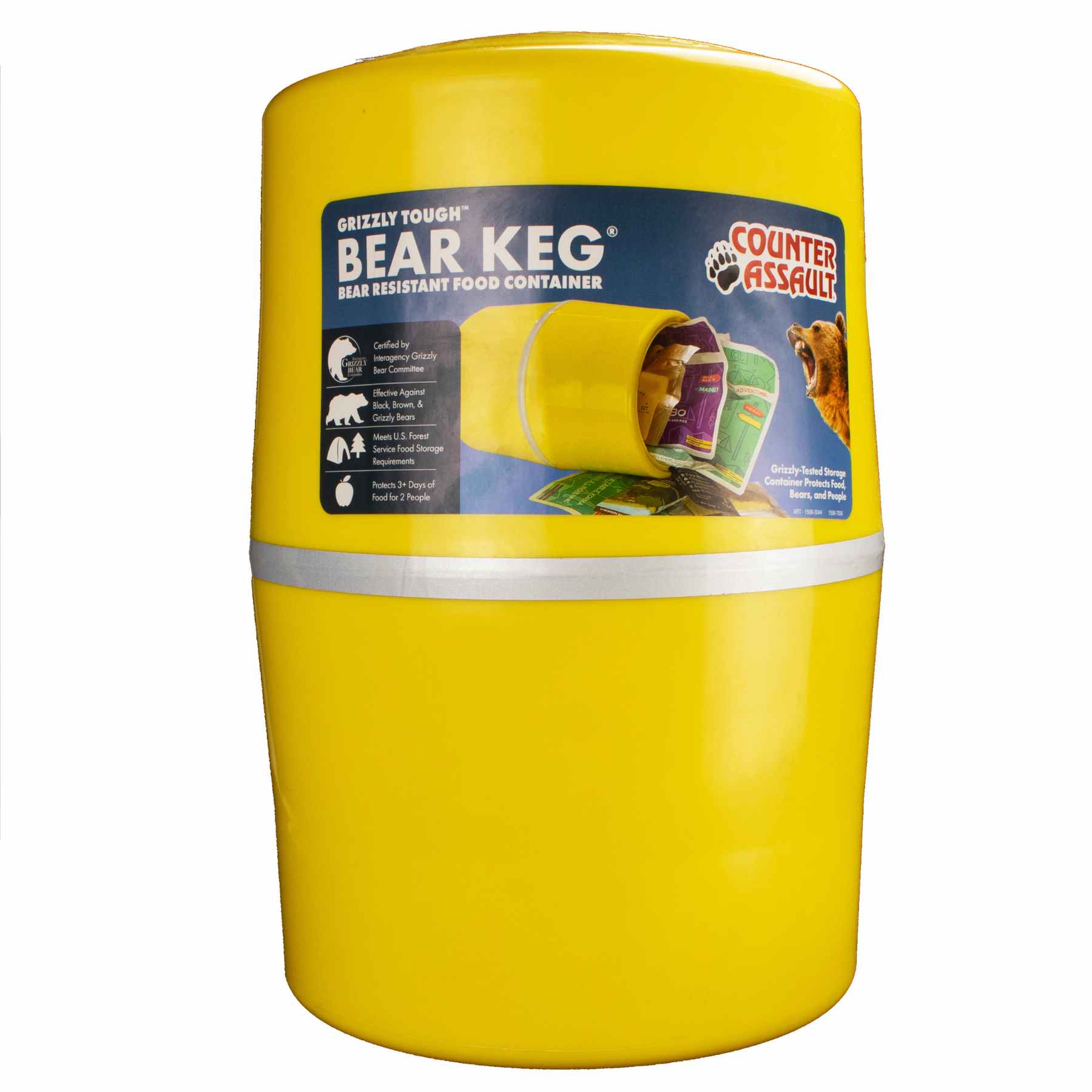
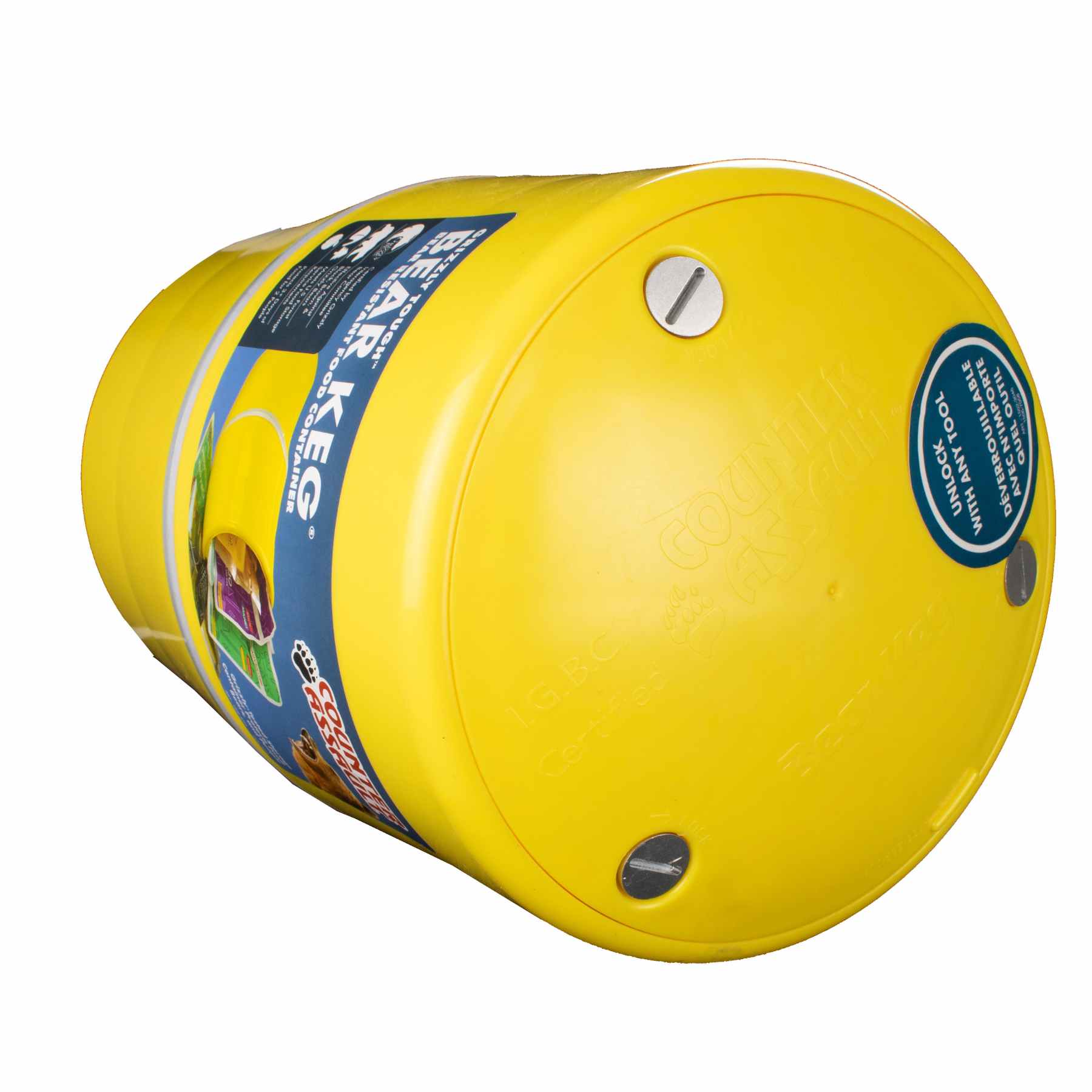
- Approved food and attractant storage: Use the storage method required by the area, especially for coolers, trash, pet food, toiletries, and cooking supplies.
- Bear deterrents: Carry bear spray where adults can reach it quickly outside the rig, not in a locked bay. Add an air horn if you want a secondary noise deterrent around camp.
- Hands-free lighting: A compact lantern helps with after-dark checks around steps, hookups, and the perimeter. A durable solar option such as the LuminAID PackLite lantern stores well in an RV grab bin.
- First-aid gear: Keep a field-ready medical kit in the cab or near the main exit so it can leave the RV with you during an evacuation or response.
- Dog control gear: Pack a short leash, waste bags, and a fixed nighttime routine. A wandering dog can trigger a bad encounter fast.
Build meals around control
Meal planning is one of the biggest differences between RV camping and tent camping in bear country. RVers often bring cast-iron gear, grills, extra snacks, condiments, and refrigerated leftovers. That adds odor, grease, packaging waste, and cleanup time.
Keep the menu boring if conditions demand it. Pre-portion meals at home. Cook foods that do not splatter grease all over the picnic table side of the rig. Limit fish cleaning, bacon-heavy breakfasts, and anything that leaves strong residue in pans or sink strainers. If a meal creates a mess you cannot fully clean before dark, it is the wrong meal for that stop.
A clean camp works because it gives a bear nothing worth returning for.
Setting Up a Fortified RV Campsite
Arrival is when bear safety stops being theory. Site choice and layout decide whether the RV becomes a low-interest object or a scented target.
Choose the cleanest, most visible site
Avoid dense brush, berry patches, carcass areas, and obvious game trails. Good visibility matters. So does what the last camper left behind. If a site smells like spilled grease or has food debris in the fire ring, it's already compromised.
Boondocking raises the stakes. Data from the GoRVing community shows that 68% of boondockers in high bear density areas report incidents related to improper food storage because they lack access to bear boxes or ranger oversight, which makes self-reliant site fortification critical, according to the GoRVing community discussion.

Lay out the site with separation
Many campers know the triangle rule from tent camping and then ignore it with an RV. That's a mistake. Best practice still favors a 70-big-steps triangle between sleeping, cooking, and eating areas to reduce odor transfer toward the sleeping space.
A practical RV layout looks like this:
| Zone | What belongs there | What doesn't |
|---|---|---|
| Sleeping zone | RV interior, secured doors and windows | Food prep, pet feeding, trash staging |
| Cooking zone | Stove, grill, prep table | Coolers left open, dirty dishes overnight |
| Eating and cleanup zone | Seating, dish tub, cleanup supplies | Grease disposal, food scraps in firepit |
Secure the rig like it matters
Lock the RV when leaving camp. Lock it at night. Close windows. Don't leave snacks in cupholders visible from an open cab. Don't keep dog food on the step or under the picnic table. If a hitch carrier or exterior compartment holds anything scented, it needs the same discipline as the galley.
A hard-sided RV is protection. An open campsite full of attractants cancels that protection out.
In developed campgrounds, use provided infrastructure when available. In dispersed sites, the RV itself becomes the main storage tool. That makes perimeter checks more important. Walk the site before dark. Look for spilled drinks, wrappers, toothpaste, pet treats, and wash water that drifted too close to where people sleep.
Mastering Food Storage and Scent Control
Food storage is the center of RV camping in bear country. Not the backup plan. Not one item on a checklist. The center.
A 2024 analysis of bear incidents at RV parks found that 42% of food-related bear encounters occurred within 50 feet of the RV, primarily from outdoor cooking or improper trash disposal, and that same analysis notes a bear's sense of smell can detect food from miles away, as described in this RV park bear incident review.

What counts as an attractant
Campers usually think about meat, bacon, and garbage. Bears don't narrow it down that way. Anything with odor matters.
- Food and drinks: Packaged snacks, canned beverages, leftovers, cooking oil
- Trash: Wrappers, grease towels, drink containers, food residue on foil
- Toiletries: Toothpaste, chapstick, deodorant, soap
- Pet items: Dog food, treats, bowls, waste bags with odor
- Kitchen residue: Dirty utensils, grill grates, dishwater, sponge smell
For a more detailed breakdown of problem items and storage methods, this camping food storage guide is worth reviewing before a trip.
The RV cooking problem
Outdoor cooking next to the rig creates a direct odor trail to the place where people sleep. That's the mistake many RV travelers make because the setup feels convenient. Convenience isn't the standard in bear country. Scent control is.
When conditions allow, establish a dedicated cooking zone well away from the RV. Pre-prep meals so less time is spent handling raw food outdoors. Clean stoves and grills immediately after use. Don't leave dish tubs, grease containers, or beverage cans sitting out while people “relax for a bit.”
A few extra scent-control choices help:
- Use low-odor personal protection: If bugs are bad, a product line such as Ben's 30 insect repellent can help keep people from layering strong improvised scents around camp.
- Bag the mess fast: Odor-proof bags and sealed trash containers reduce residual smell.
- Treat firepits correctly: Don't use the firepit as a garbage can unless local rules specifically allow burning food waste and it can be completely consumed.
What works and what fails
What works is boring. Food gets sealed. Trash gets removed or secured. Toiletries don't live in the bathroom caddy on the picnic table. What fails is always some version of “it'll be fine until morning.”
That includes coffee mugs, dog bowls, marshmallow bags, wiped-but-not-clean grills, and coolers that are “just outside for a minute.” Bears learn from easy rewards.
Your Essential Deterrent Counter Assault Bear Spray
If a bear closes distance and acts aggressively, clean-camp discipline is over and response time starts. That's when access to bear spray matters more than brand loyalty, gear aesthetics, or what's sitting back inside the RV.

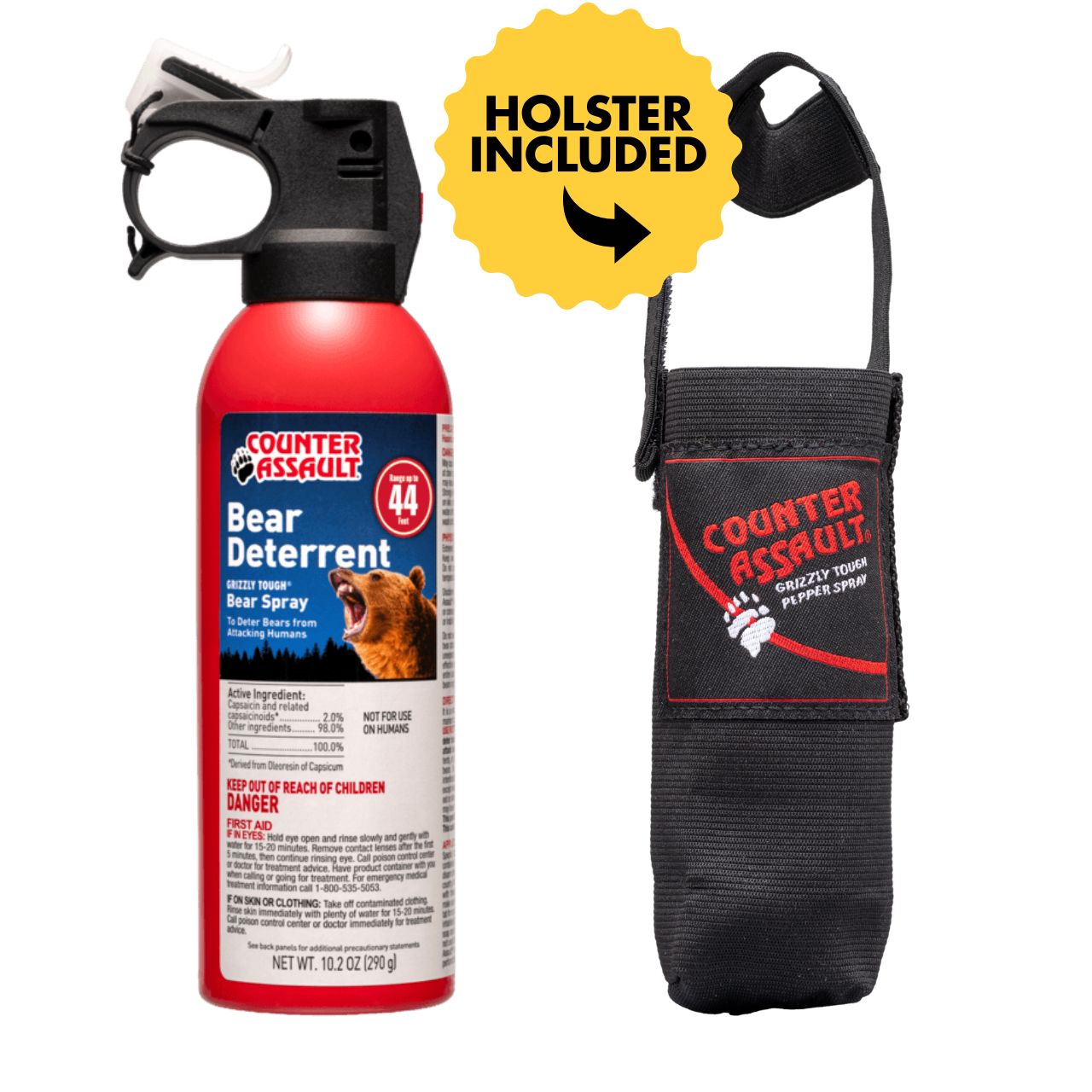
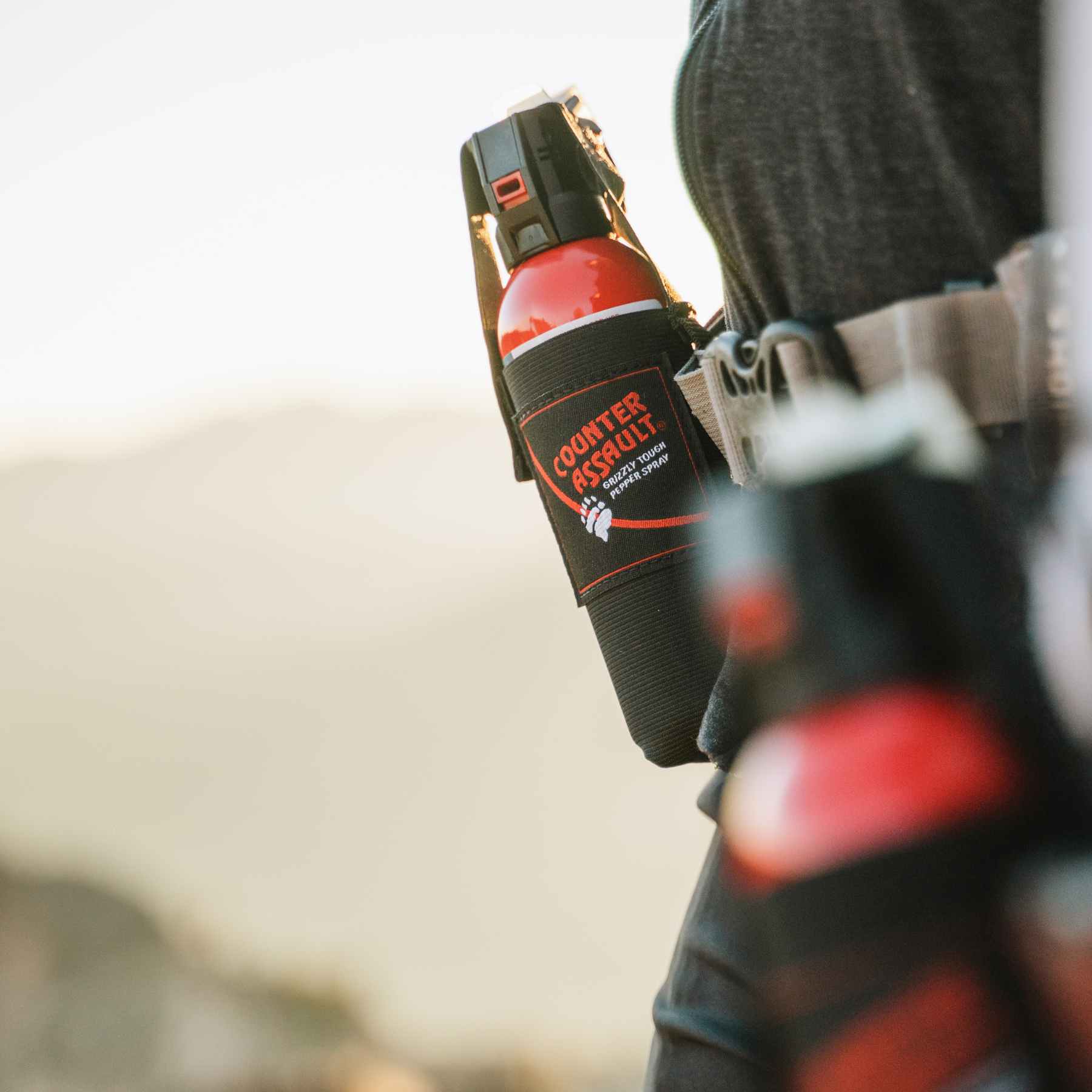
Counter Assault's 10.2 oz bear spray with holster uses a 2% capsaicin formula, projects up to 44 feet, and has a 98% success rate in deterring aggressive bears, with guidance to keep it in a holster during the day and next to the pillow at night because attacks happen in seconds, according to RV Lifestyle's bear-country review.
Carry method decides whether spray is useful
Bear spray inside a cabinet is the same as no bear spray. So is bear spray buried under bedding or tossed into a daypack. It has to be reachable immediately.
EPA-registered bear spray is the legal standard for use in bear country and must contain between 1% and 2% capsaicin and related capsaicinoids, as outlined by BearWise bear spray guidance.
Carry and placement should be simple:
- On foot during the day: Belt or wrist holster
- Around camp: On the body, not set on a table
- At night: Next to the sleeping position for fast access
- Not for misuse: Never spray tents, campsites, gear, or people
Bear spray is a last-resort deterrent for an aggressive bear, mountain lion, or coyote. It is not pepper spray for people, and it is not a campsite repellent.
How to deploy it correctly
Use the can only when a bear is charging or acting aggressively enough that a charge seems likely. Remove the safety clip. Aim slightly downward toward the front of the animal. Start spraying when the bear is 30 to 60 feet away, creating a cloud the animal runs into. If the bear continues, direct the spray into its face and leave the area as soon as it's safe.
This overview helps show the mechanics in motion:
What works better than a gun in the real moment
Bear spray has been proven 90% effective in deterring bear attacks, and a 2008 study found 98% of people using it were unharmed by the bear, according to Counter Assault's bear spray research summary. The reason is practical. A charging bear doesn't give much time, and spray doesn't require the same precision as a firearm.
Wind concerns are commonly overstated. Improper use can create problems, but the answer isn't avoiding spray. The answer is carrying it correctly, knowing the safety clip, and understanding the distance window before the trip starts.
Encounter Protocol for Pets and Family
A lot of RV bear incidents start the same way. The campsite feels under control, the dog starts barking at the tree line, a child steps out to see what is happening, and now the whole group is outside the protection of the rig at the worst possible moment.
That is the RV-specific problem. Families often assume the trailer or motorhome makes camp safer by default. It helps, but only if everyone knows when to get inside, who handles the dog, and who grabs the bear spray.
If the bear is nearby and assessing camp
Treat any bear inside or near camp as a problem to manage early. Do not wait to see whether it loses interest.
Use a simple family response:
- Get children behind one adult immediately: Keep them quiet, close, and off to one side. Scattered people create movement that can trigger pursuit.
- Control the dog first: Keep the leash short and do not let the dog lunge, bark from the end of the line, or circle behind you. A loose or reactive dog can pull a bear back to your RV door.
- Group up and face the bear: Stand together so the bear reads one large, calm group instead of several moving targets.
- Talk in a steady voice: Human speech helps the bear identify you. Panic yelling often makes the scene worse.
- Back toward the RV only if you can do it without turning away: Running to the door, fumbling with locks, or splitting up around the campsite is how people get hurt.
For RVers, the goal is usually to get everyone into the vehicle in an orderly way, not to hold ground in the open longer than necessary. That is one advantage tent campers do not have. The trade-off is that RV steps, screen doors, and pet tethers create trip hazards when people rush.
Families with dogs that bark, pull, or rebound off leash pressure should fix that before the trip. A structured behavior program from PawCraft can help, because bear-country safety starts with reliable control around wildlife, camp noise, and strangers.
If the bear keeps approaching
A bear closing distance on an RV site needs a firmer response. Keep the group together. Give the bear a clear exit route. Do not corner it between your rig, tow vehicle, picnic table, or another campsite.
If one adult is managing children and pets, the other should be ready to deploy spray. Check your canister before the trip and review how long bear spray remains usable before it expires. An expired can on the dinette shelf does not solve anything.
If a black bear tries to enter your tent, trailer annex, or RV, fight back and drive it out. Make noise. Use available objects. Shut doors if you can do it safely. A bear attempting entry into an occupied sleeping space is no longer just passing through camp.
After the bear leaves
Do not call the incident over just because the animal walked off.
Get kids and pets inside the RV. Pick up dog bowls, treats, and leashes that smell like food or saliva. Check the outside kitchen, grill grates, cooler area, trash, and the ground under the picnic table. In RV sites, bears often return to the exact spot where they found grease, kibble, or dropped food.
If anyone is injured, treat the wound, control bleeding, and contact rangers or local emergency services at once. Report the encounter even if no one was hurt. A bear that tests one RV site often tests the next one too.
The Ultimate RV Bear Country Pre-Departure Checklist
Preparation should be simple enough to use in a parking lot, at a fuel stop, or before lights-out at camp. A good checklist removes guesswork and catches the lazy mistakes that create bear problems.

Before leaving home
- Check regulations: Confirm local food-storage orders and campground rules.
- Inspect spray date: Replace expired deterrent and review how long pepper spray is good for before departure.
- Plan meals for low mess: Pre-portion food and reduce grease-heavy cooking.
- Set pet travel controls: For smaller dogs riding in the RV or tow vehicle, this guide to selecting dog car carriers helps with restraint and transport planning.
Before stepping away from the RV
Use this short shutdown routine every single time:
| Check | Yes or no |
|---|---|
| Food secured inside legal storage | |
| Trash removed or locked down | |
| Toiletries and scented items put away | |
| Dog food and bowls picked up | |
| Grill and stove cleaned | |
| Doors and windows secured | |
| Bear spray accessible |
Before bed
- Walk the site once: Look for cups, wrappers, dishwater, and pet items.
- Clear the exterior: No coolers, snacks, or drinks left out.
- Stage nighttime response: Light, keys, shoes, and deterrent in known places.
- Brief the group: Children should know where to stand and what not to do if a bear appears.
A safe night in bear country usually looks uneventful. That's the point. The right system makes the campsite boring to a bear.
Counter Assault builds bear deterrents for situations where fast access and correct use matter. RV travelers heading into bear habitat can review bear safety articles and equipment options at Counter Assault.